
The Vanishing Playground: Unraveling the Decline of Unsupervised Outdoor Play in America
Explore the pivotal shifts that transformed children's playtime, from the mid-20th century's boundless freedom to today's structured realities.
Key Insights into the Decline of Unsupervised Play
- A Pivotal Shift: The significant decline in unsupervised outdoor play in the U.S. began to accelerate from the 1970s and 1980s, marking a sharp departure from earlier decades when children had considerable freedom.
- Driving Force: Heightened parental fears for child safety—amplified by media coverage and perceived risks like stranger danger and accidents—emerged as the primary catalyst for increased supervision.
- Multifaceted Influences: This societal transformation was further propelled by an increasing emphasis on structured activities and academic achievement, the widespread adoption of digital entertainment, evolving legal and cultural norms regarding supervision, and changes in urban and neighborhood environments.
The landscape of childhood play in the United States has undergone a profound transformation over the past several decades. What was once a common sight—children freely exploring their neighborhoods, engaging in spontaneous games, and spending hours outdoors without constant adult oversight—has become increasingly rare. This shift represents a significant cultural phenomenon with far-reaching implications for child development, mental health, and societal norms. Understanding when and why American parents began to restrict their children's unsupervised outdoor play requires a deep dive into evolving perceptions of safety, changes in educational priorities, and the pervasive influence of technology.
The Historical Trajectory of Play: From Freedom to Formalization
The journey from a "golden age of unstructured play" to today's highly supervised environment is a story of gradual yet impactful changes. While playgrounds emerged in the late 19th century to provide dedicated spaces for children in increasingly dense urban areas, the prevailing ethos through the mid-20th century still championed a significant degree of child autonomy in outdoor settings.
The Golden Age of Unstructured Play (Early to Mid-20th Century)
The first half of the 20th century, roughly from the 1900s to the 1950s, is widely considered the "golden age" for children's unsupervised outdoor play in North America. During this period, children enjoyed unparalleled freedom to roam their neighborhoods, construct their own games, and engage in spontaneous outdoor activities without constant adult oversight. Concepts like "sand gardens" (large sandboxes) appeared as early as 1886 in Boston, and the Playground Association of America was formed in 1906, further promoting organized outdoor recreation, but these initiatives still fostered an environment where independent exploration was encouraged.
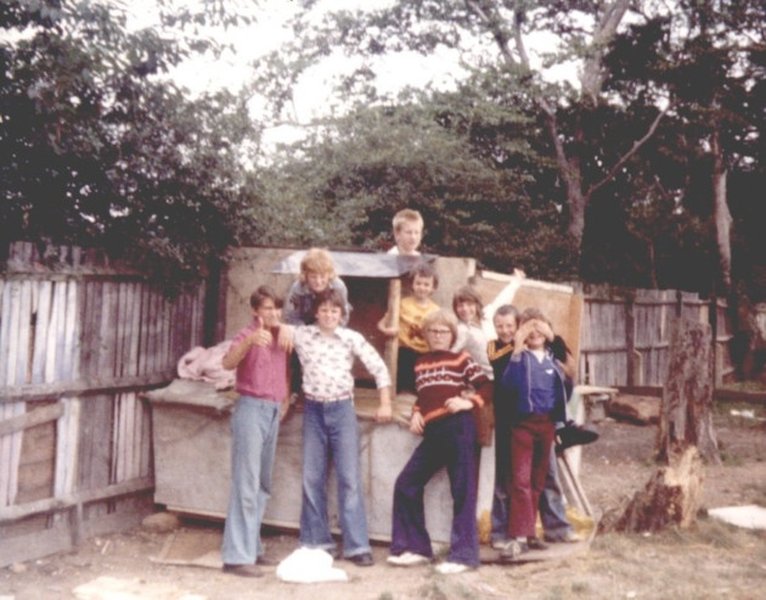
Children enjoying a park in the 1970s, a period when outdoor play was still largely unsupervised.
The Turning Point: Accelerating Decline from the 1970s Onward
The significant and continuous decline in children's freedom for independent outdoor play in the United States began to become noticeably pronounced from the 1970s onwards. This period marked a critical inflection point, moving away from the previously accepted norms of unsupervised childhood. By the late 1990s, research indicates a substantial 25% drop in children's unstructured playtime compared to 1981, a trend that has only continued to intensify into the 21st century. While earlier shifts, such as the playground safety movement gaining momentum in the 1950s, laid some groundwork for increased adult supervision, the broader cultural shift truly accelerated in the late 20th century. By the 2000s, it was reported that American children spent significantly less time playing outside freely, with a 2018 survey revealing a 35% reduction compared to their parents' childhoods.
Why the Shift? Deciphering the Reasons Behind Increased Supervision
The reasons for this profound transformation are multifaceted, interwoven with evolving societal anxieties, cultural values, legal pressures, and technological advancements. No single factor is solely responsible; rather, a confluence of influences collectively reshaped parental attitudes and behaviors.
Heightened Parental Fears and Safety Concerns
Perhaps the most significant driver behind the reduction in unsupervised outdoor play is the dramatic increase in parental fears regarding child safety. Despite statistical evidence suggesting that childhood is, in many respects, safer today than in previous generations, parents are increasingly anxious about a range of perceived dangers:
Stranger Danger and Abduction Fears
Media coverage of high-profile, albeit rare, child abduction cases in the 1970s and 1980s played a significant role in amplifying "stranger danger" concerns. While actual risks remained low, the sensationalized reporting created a pervasive sense of vulnerability, leading parents to restrict children's independent mobility more strictly. This amplified fear often outweighed the actual probability of such events.
Physical Hazards and Accidents
Concerns about physical injuries from falls, traffic accidents, or even seemingly minor issues like concussions have also contributed. The playground safety movement, which began in the mid-20th century, led to stricter regulations and the removal of "dangerous" or unique play equipment, further signaling an environment where adult oversight was deemed crucial to prevent harm.
Neighborhood Safety and Crime Rates
Perceptions of neighborhood safety, including concerns about crime rates and social disorder, significantly influence parental decisions. Parents in areas perceived as less safe, or those lacking social cohesion, may feel less comfortable allowing their children to play outdoors unsupervised. Even seeing other children playing outside can make parents feel more secure about their own child's outdoor presence.
The Rise of Structured Activities and Academic Pressure
Modern parenting has seen a pronounced shift towards highly organized and structured activities, often at the expense of free, unstructured play. This "intensification of parenting" is driven by several factors:
Overemphasis on Academic Achievement
An extended school day, increased homework loads, and a societal belief that early academic success is paramount have significantly reduced the time available for spontaneous outdoor play. Parents often feel pressured to enroll children in tutoring, academic enrichment programs, or extracurricular activities designed to boost future prospects.
Valorization of Organized Sports and Lessons
There's a growing belief that structured activities like sports, music lessons, and specialized clubs are more beneficial for children's development than free play. This often leads to tightly scheduled calendars that leave little room for independent exploration or simply "hanging out" outdoors. This trend has coincided with a decline in child-led, spontaneous play.
The Pervasive Influence of Technology and Digital Entertainment
The advent and widespread adoption of digital technologies have dramatically reshaped how children spend their free time. The rise of smartphones in the early 2010s, in particular, coincided with a significant increase in screen time and a corresponding decrease in outdoor activity.
Screen Time Dominance
Children are now spending significant portions of their day on "cyber playgrounds" – social media, video games, streaming services, and texting. These compelling indoor alternatives offer immediate gratification and social connection, often replacing the intrinsic motivation for outdoor adventure. This shift pulls children indoors and away from opportunities for unstructured outdoor play.
This video, "Why kids today are spending less time outdoors – and the...", delves into the multifaceted reasons behind reduced outdoor play, including screen time, safety concerns, and urbanization, providing a comprehensive overview of the challenge.
Evolving Cultural Norms and Legal Considerations
Beyond individual fears, broader societal and legal shifts have contributed to the decline of unsupervised play:
"Overprotection" and Lack of Autonomy
Experts like Peter Gray argue that children have become "overprotected" in the physical world, where they need free play and autonomy to develop, while simultaneously being "underprotected" online. This systematic deprivation of free play since the 1970s is linked to a substantial decline in adolescent mental health, manifesting as increased anxiety, depression, and a lack of resilience. Fear-based parenting, while seemingly protective, can inhibit a child's opportunity to learn from mistakes and develop self-confidence.
Legal Repercussions and "Neglect" Fears
Parents increasingly face societal judgment and even legal scrutiny for allowing their children to play unsupervised, even for brief periods. The fear of being accused of neglect or facing legal challenges has led many parents to opt for constant supervision, thus severely limiting opportunities for independent outdoor exploration.
Changes in Urban and Suburban Environments
The physical layout and social fabric of communities have also played a role:
Fewer Safe and Accessible Outdoor Spaces
Increased urban density, higher traffic volumes, and a decline in easily accessible, safe outdoor play spaces like parks, green areas, and well-maintained sidewalks make parents less comfortable with children playing outdoors alone. In some areas, the absence of natural spaces or the presence of urban decay discourages outdoor activity.
Decline in Community Cohesion
A weakening of neighborhood social cohesion means fewer "eyes on the street" or informal supervision networks that once made parents feel secure about letting their children play freely. The decline of multi-generational neighborhoods and strong community bonds contributes to a sense of isolation and increased reliance on direct parental supervision.
The Multifaceted Impact of Reduced Unsupervised Play
The decline in unsupervised outdoor play has significant and well-documented implications for children's holistic development. This shift away from child-led exploration impacts various aspects of a child's growth and well-being.
The Developmental Benefits of Free Play
Unsupervised outdoor play is not merely a pastime; it is a critical developmental imperative. It offers unique opportunities that structured activities often cannot replicate:
- Cognitive Development: Free play fosters executive functioning abilities, including planning, problem-solving, decision-making, and self-control. When children direct their own play, they learn to set goals, negotiate rules, and adapt to changing circumstances.
- Social-Emotional Growth: It is crucial for developing social skills such as negotiation, cooperation, conflict resolution, and empathy. Without adult mediation, children learn to navigate complex social dynamics, understand boundaries, and build meaningful peer relationships.
- Physical Health: Regular outdoor play improves physical and cardiovascular health, enhances motor skills, and provides exposure to natural elements like sunlight, which is essential for Vitamin D synthesis.
- Creativity and Imagination: Unstructured environments encourage creativity and imagination, allowing children to invent games, construct their own narratives, and use materials in novel ways.
- Resilience and Risk Assessment: Engaging in self-directed play, especially with elements of perceived risk, helps children develop resilience, assess situations, and learn from natural consequences without immediate adult intervention. This fosters a sense of competence and self-efficacy.
Implications for Mental Health
A strong correlation has been observed between the decline in unsupervised play and rising levels of anxiety, depression, and sadness reported by children and teens in recent years. This is a topic of significant concern for psychologists and educators. The absence of opportunities for spontaneous, joyful play, coupled with increased pressures and reduced autonomy, may contribute to these alarming mental health trends. As Peter Gray and others argue, play deprivation can be a major factor in the current youth mental health crisis.
Comparative Analysis of Factors Influencing Play
To further illustrate the relative impact of various factors contributing to the decline of unsupervised outdoor play, the following radar chart provides an opinionated analysis of their perceived influence. This chart aggregates insights from the historical shifts and contemporary challenges discussed.
This radar chart visually represents the relative weight of different factors contributing to the decline in unsupervised outdoor play. As depicted, "Parental Fears" stands out as a dominant influence, followed closely by "Screen Time" and "Structured Activities." "Legal/Societal Pressure" and "Urbanization" also play significant, though somewhat lesser, roles. This visual synthesis helps to illustrate the complex interplay of these elements.
A Comprehensive Look at the Factors Affecting Unsupervised Outdoor Play
The following table summarizes the key factors that have led to the reduction in unsupervised outdoor play among children in the U.S., highlighting their primary influences and the approximate periods when their impact became most pronounced.
| Factor | Description of Influence | Period of Significant Impact |
|---|---|---|
| Parental Fears for Child Safety | Heightened concerns about "stranger danger," abductions, traffic accidents, and general physical hazards, often amplified by media. | Accelerated from 1970s–1980s, persistent to present. |
| Overemphasis on Academic Achievement | Increased school hours, homework, and pressure for early academic success, reducing time for unstructured play. | Grew from 1980s, intensified through 1990s and beyond. |
| Rise of Structured Activities | Shift towards organized sports, lessons, and planned playdates, replacing spontaneous, child-led outdoor time. | Prominent from 1980s, continues to dominate children's schedules. |
| Increased Screen Time & Digital Entertainment | Pervasive presence of smartphones, video games, and online platforms providing compelling indoor alternatives to outdoor play. | Significant from 1990s, surged with smartphone adoption in 2010s. |
| Legal and Societal Pressure | Fear of legal repercussions for perceived neglect if children are left unsupervised; evolving cultural norms prioritizing constant adult supervision. | Gained momentum from 1980s, solidified by 2000s. |
| Urbanization and Environmental Changes | Increased urban density, traffic, fewer accessible and safe green spaces, and declining neighborhood cohesion. | Continuous trend throughout 20th and 21st centuries. |
Mapping the Decline: A Mindmap of Interconnected Factors
The interconnected nature of the factors contributing to the decline in unsupervised outdoor play can be best understood through a mindmap. This diagram illustrates how various elements branch off from the central theme, showing their relationships and mutual reinforcement in shaping modern childhood.
Abduction Concerns"] id2_1_2["Physical Hazards/
Accidents"] id2_1_3["Media Amplification"] id2_1_4["Neighborhood Safety/
Crime Rates"] id2_2["Structured Activities & Academic Pressure"] id2_2_1["Extended School Days"] id2_2_2["Overemphasis on Academics"] id2_2_3["Rise of Organized Sports/
Lessons"] id2_3["Technology & Digital Entertainment"] id2_3_1["Increased Screen Time"] id2_3_2["Pervasive Smartphones"] id2_3_3["Online 'Cyber Playgrounds'"] id2_4["Evolving Cultural & Legal Norms"] id2_4_1["'Overprotection' Phenomenon"] id2_4_2["Fear of Legal Repercussions/
Neglect Accusations"] id2_4_3["Intensive Parenting Style"] id2_5["Environmental & Urban Changes"] id2_5_1["Fewer Safe Outdoor Spaces"] id2_5_2["Increased Traffic"] id2_5_3["Decline in Community Cohesion"] id3["Consequences"] id3_1["Impact on Child Development"] id3_1_1["Reduced Executive Function Skills"] id3_1_2["Lesser Social Skills"] id3_1_3["Decreased Creativity"] id3_1_4["Lower Resilience"] id3_2["Mental Health Concerns"] id3_2_1["Rising Anxiety & Depression"] id3_2_2["Play Deprivation Link"]
This mindmap clearly illustrates the central theme of the decline in unsupervised outdoor play, branching out into its historical timeline, the complex array of contributing factors, and the significant consequences for child development and mental health. It highlights the interconnectedness of these elements, providing a holistic view of the issue.
Frequently Asked Questions
When did the decline in unsupervised outdoor play in the U.S. primarily begin?
What is the main reason parents stopped letting kids play outside unsupervised?
How has technology contributed to this decline?
Are there other societal factors besides safety fears?
What are the consequences of less unsupervised play for children?
Conclusion
The transformation of childhood play in the United States, marked by a significant decline in unsupervised outdoor activity since the latter half of the 20th century, is a complex phenomenon driven by a confluence of interwoven factors. From escalating parental fears, often amplified by media and societal anxieties, to the pervasive allure of digital entertainment, and the increasing pressures of academic and structured activities, children's opportunities for autonomous exploration have dwindled. This shift, while ostensibly rooted in a desire for greater safety, has profound implications for children's holistic development, impacting their cognitive, social, emotional, and physical well-being. Understanding this historical trajectory and its underlying causes is crucial for fostering environments that can reintroduce the vital benefits of free, unstructured play, thus supporting the resilience and mental health of future generations.
Recommended Further Exploration
- What is the impact of helicopter parenting on child development and autonomy?
- What are the psychological benefits of unstructured outdoor play for child mental health?
- How have playground designs and child safety regulations evolved historically in the U.S.?
- What effective strategies can parents and communities implement to encourage more free play in modern society?