
Unlocking Organizational Potential: The Power of Deep Talk Cards for Transformative Dialogue
Delve into how conversation cards are revolutionizing workplace communication and fostering profound organizational growth.
Key Insights into Deep Talk Cards in Organizations
- Fostering Connection: Deep talk cards are instrumental in moving beyond superficial interactions, cultivating psychological safety, and building genuine connections among colleagues.
- Driving Organizational Development: These tools are strategically deployed to enhance team cohesion, stimulate diverse perspectives, and support broader organizational goals like leadership development and DEI initiatives.
- Structured for Impact: Card decks are meticulously designed with thematic categories and varying levels of intimacy, providing a guided yet flexible framework for meaningful conversations.
In today's dynamic organizational landscape, the ability to foster deep, authentic conversations is no longer a soft skill but a strategic imperative. Organizations are increasingly turning to innovative tools to break down communication barriers, enhance team dynamics, and drive holistic organizational development (OD). Among these tools, conversation cards—often referred to as "deep talk" cards—have emerged as a powerful, versatile, and engaging solution.
This comprehensive research explores how various organizations are leveraging these unique board game formats to stimulate profound interpersonal dialogue. We will examine the types of cards available, the processes involved in their creation and implementation, their underlying structures, and the remarkable outcomes achieved across diverse organizational settings. Our focus is on how these commercially available cards are adapted and utilized within corporate, educational, non-profit, and other sectors to ignite meaningful discussions and support overarching OD goals.
The Genesis and Evolution of Deep Talk Cards in the Workplace
From icebreakers to catalysts for cultural transformation.
Conversation cards, in their essence, are structured sets of prompts or questions designed to elicit thoughtful responses and encourage dialogue beyond everyday small talk. While many originated for personal or social use, their inherent ability to facilitate deep communication quickly made them attractive to organizational contexts. The shift from informal gatherings to formal workplace settings has been driven by a recognition that authentic human connection is fundamental to team performance, innovation, and employee well-being.
Historically, team-building activities often involved structured exercises that, while beneficial, sometimes felt forced or artificial. Deep talk cards offer a more organic, yet guided, approach. By "outsourcing the awkwardness" of initiating personal topics to the cards themselves, they create a safe space for vulnerability and shared storytelling. This approach has led to a proliferation of card decks specifically tailored for professional environments, ranging from general team-building to specialized discussions on topics like diversity, safety, and leadership.
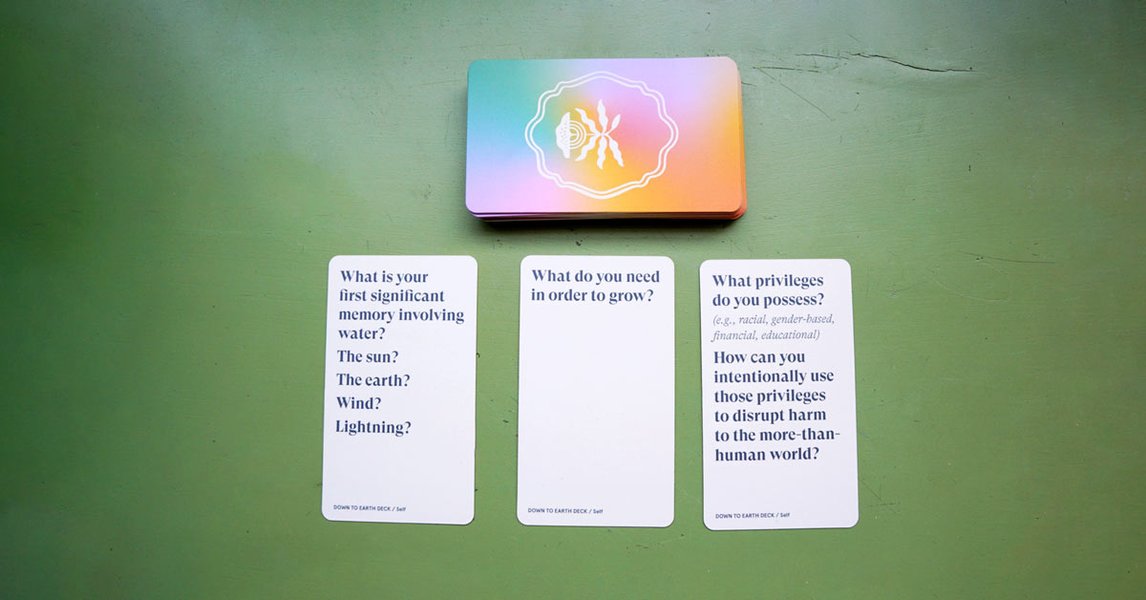
A visual representation of conversation cards designed to foster deeper relationships and discussions.
Pioneers and Key Players in the Field
Several developers and organizations have played a significant role in popularizing and implementing deep talk cards in the workplace:
- Innovative Resources and Kyabra: These entities are known for developing "Deep Speak" cards, a foundational set of 120 question cards focusing on issues like relationships, identity, emotions, beliefs, and values. These cards come with facilitator booklets and have been widely adopted in various group settings, including organizational workshops.
- BestSelf: BestSelf's "Deeper Talk Deck" is a commercially successful product designed for meaningful conversations, often utilized by organizations for team-building and personal growth initiatives.
- DoD!fferent: Their "Deep Talk Cards" are specifically marketed for bridging awkward silences in professional and social settings and are used by DoD!fferent itself in strategic, organizational, and personnel development workshops.
- Prompta, Root & Seed, and Ramsey Solutions: These companies offer specialized "Workplace Conversation Cards" designed with input from HR and DEI experts, focusing on topics relevant to corporate environments like coworker understanding, inclusivity, and shared aspirations.
- IILSC: The "Creating Safety Conversations Cards" by IILSC are a notable example of a highly specialized deck, featuring over 160 questions specifically for discussions on workplace health and safety.
Anatomy of Engagement: Structure and Design of Deep Talk Cards
Crafting compelling conversations through thoughtful design.
The effectiveness of deep talk cards lies in their deliberate design, which guides participants through a spectrum of conversational depths. While specific designs vary, common elements ensure their utility and impact:
Card Format and Content:
- Physical Decks: Most conversation cards exist as portable, durable physical decks, making them easy to use in various settings, from boardrooms to off-site retreats.
- Open-Ended Questions: Each card features a prompt or question meticulously crafted to encourage detailed, personal responses rather than simple "yes" or "no" answers. This facilitates storytelling and deeper sharing.
- Categorization/Theming: Many decks categorize questions into themes or "suits" (e.g., relationships, identity, values, emotions, career aspirations, safety). This allows facilitators to tailor sessions to specific objectives or to gradually increase the depth of discussion. For instance, "Deep Speak" cards have six color-coded suits, while "The Conversation Cards: 2nd Edition" has three levels of intimacy.
- Accompanying Materials: Many sets include a booklet or guide with instructions, suggestions for various play modes, and tips for facilitators to maximize the card's impact and ensure a safe, inclusive environment.
Mechanics and Design Principles:
- Turn-Based Sharing: A common mechanic involves participants drawing a card, reading it aloud, and then answering, with others optionally sharing their reflections. This creates an equitable sharing dynamic.
- Flexible Usage: Cards are designed to be versatile, suitable for one-on-one coaching, small group discussions (typically 2-6 participants), or larger team workshops with appropriate facilitation.
- Gamification: The card format inherently gamifies the conversation process, reducing stress and cognitive load often associated with initiating personal or sensitive topics. This makes participation easier and more enjoyable.
- Accessibility and Inclusivity: Effective card designs prioritize inclusive language and diverse topics, ensuring relevance and comfort for a wide range of participants and organizational cultures.
The Journey of Implementation: Processes and Facilitation
Integrating deep talk cards into organizational rhythms.
The successful implementation of deep talk cards in an organizational setting involves a structured process, often guided by facilitators. This process ensures that the cards serve their intended purpose of fostering meaningful dialogue and supporting organizational goals.
Development and Customization:
- Objective Definition: Organizations first identify specific goals, such as improving team communication, fostering a particular company culture (e.g., safety, inclusivity), or enhancing personal growth and connection among employees.
- Question Curation: Cards are designed with carefully selected questions that align with the defined objectives. Questions are typically open-ended to encourage detailed responses and storytelling. Some commercial decks, like Prompta 400 Conversation Cards, select from a vast pool of questions to ensure suitability for the workplace, balancing engaging topics with professional appropriateness.
- Categorization and Theming: Questions are often grouped into categories or themes to guide the depth and direction of discussion, allowing for a gradual progression from lighter rapport-building to more profound topics.
- Integration of Guidelines: Card sets frequently include booklets or digital guides with instructions, suggested play modes, and tips for effective facilitation.
- Pilot Testing and Feedback: While not always explicitly detailed for every card set, the principle of prototyping and play-testing is crucial. Feedback from initial users helps refine question quality, usability, and overall effectiveness in target organizational contexts.
Application in Organizational Settings:
Conversation cards are highly versatile and can be applied in numerous organizational scenarios:
- Team Meetings/Check-ins: Used as icebreakers to start discussions, bridge silences, or conduct quick check-ins with team members, setting a tone for openness.
- One-on-one Conversations: Facilitate deeper understanding and rapport between managers and direct reports, or among colleagues for mentorship and coaching.
- Training and Development Sessions: Integrate into workshops on leadership, empathy, communication skills, or diversity and inclusion to stimulate learning and self-reflection.
- Networking Events and Social Gatherings: Break the ice and encourage more meaningful interactions at company events.
- Team Building and Off-sites: Strengthen team connections, build trust, and foster a more inclusive environment by encouraging personal sharing.
- Self-reflection: Some cards can be used individually for personal introspection and goal setting.
Facilitation Best Practices:
- Facilitator Participation: A key tip for facilitators, particularly with cards like "Deep Speak," is to share their own answers. This models openness, builds trust, and fosters a stronger group dynamic.
- Voluntary Participation: Ensuring that sharing is voluntary is crucial for maintaining psychological safety and comfort within the group.
- Setting the Container: Facilitators set clear ground rules for respect, confidentiality (if applicable), and active listening to create a safe environment for vulnerable sharing.
- Pacing and Timing: Skilled facilitators manage the flow of conversation, ensuring everyone has an opportunity to speak and that discussions remain productive without becoming overly long or uncomfortable.
- Virtual Adaptations: For remote teams, digital versions of cards or online platforms can be used, with adapted instructions for virtual engagement.
Measuring the Ripple Effect: Outcomes and Impact
The transformative benefits of deep dialogue in organizations.
The implementation of deep talk cards yields a wide array of positive outcomes, extending beyond mere conversation to significantly impact individual and organizational development.
Enhancing Communication and Connection:
- Beyond Small Talk: Cards effectively move individuals past superficial interactions, fostering deeper connections and mutual understanding. They encourage the sharing of insights, personal stories, and heartfelt experiences, leading to more authentic interactions.
- Psychological Safety and Vulnerability: By prompting deeper, sometimes personal questions, cards create a safe space for vulnerability. This sharing of personal insights deepens trust, reduces interpersonal barriers, and builds empathy among colleagues.
Improving Team Dynamics and Cohesion:
- Stronger Bonds: Encouraging colleagues to get to know each other on a personal level, beyond their professional roles, strengthens bonds and improves overall workplace relationships. Teams that feel connected and understood tend to enjoy their work more and collaborate more effectively.
- Increased Engagement: The gamified nature of conversation cards reduces the stress and cognitive load often associated with initiating conversations, making it easier for participants to engage and share. They encourage active participation even from traditionally more reserved individuals.
Supporting Organizational Development (OD):
- Cultural Transformation: Cards not only spark conversations but also influence organizational culture positively by normalizing dialogue about identity, values, and emotions within professional contexts. For instance, specialized decks like "Creating Safety Conversations Cards" directly support transforming safety culture by fostering open dialogue around critical issues.
- Inclusivity and Belonging: Conversation prompts that explore diversity, personal perspectives, and varied experiences can significantly support Diversity, Equity, and Inclusion (DEI) initiatives, deepening efforts to create a more inclusive and equitable workplace.
- Skill Development: Regular use of these cards can aid in developing essential communication skills, including active listening, expressing thoughts and feelings clearly, and navigating complex social interactions.
- Problem-Solving and Innovation: By encouraging varied perspectives and open dialogue, deep talk cards can uncover underlying issues, stimulate creative thinking, and foster innovative solutions within teams.
This radar chart illustrates the perceived impact of Deep Talk Cards compared to traditional icebreakers across several key organizational development metrics. Deep Talk Cards consistently score higher in fostering communication, team cohesion, psychological safety, and employee engagement, highlighting their superior ability to cultivate a more connected and productive workplace environment. While they also contribute to organizational culture and conflict resolution, their primary strength lies in igniting deeper human connection.
Spotlight on Success: Case Studies and Usage Examples
Real-world applications driving organizational change.
Numerous organizations across various sectors have successfully integrated deep talk cards into their OD strategies. These examples demonstrate the versatility and effectiveness of these tools in different contexts:
Deep Speak Cards in Educational and Community Settings:
Originally designed for broader community use, "Deep Speak" cards have found significant application in educational and social contexts. Facilitators have reported success in stimulating open conversations, even with reluctant youth groups. The accompanying facilitator guide encourages facilitators to participate in the sharing, which has been observed to foster a stronger group dynamic and make participants feel safer to open up. This principle directly translates to organizational settings, where leadership participation enhances trust and vulnerability within teams.
BestSelf's Deeper Talk Deck in Workplace Retreats:
The "Deeper Talk Deck" by BestSelf is frequently employed in corporate retreats and interpersonal coaching sessions. Organizations using this deck report that it catalyzes new understanding among team members, leading to stronger interpersonal bonds. The prompts are designed to gently encourage shared storytelling and personal insights, allowing participants to engage at their own comfort level, making it suitable for diverse professional teams.
Specialized Cards for Workplace Safety and DEI:
Beyond general relationship building, highly specialized decks address specific organizational needs. The "Creating Safety Conversations Cards" by IILSC, for instance, are used for toolbox talks, safety walks, and team meetings to facilitate meaningful discussions on workplace health and safety. Similarly, "Workplace Conversation Cards" developed with HR and DEI experts by companies like Root & Seed are specifically designed to inspire more connected and inclusive teams, making them valuable tools for diversity and inclusion initiatives and off-site team-building.
Commercial Decks Adapted for Corporate Use:
Many general-purpose conversation card decks, readily available on platforms like Amazon, are adapted by organizations for corporate use. Examples include "Prompta 400 Conversation Cards for Coworkers" which provide over 400 open-ended questions designed to help team members understand each other beyond work-related topics, fostering sharing of stories, aspirations, and life lessons. These are often used as icebreakers, for team development, or to simply enhance daily interactions during office breaks.
This mindmap illustrates the multifaceted role of deep talk cards in organizational settings. It outlines their core purpose in driving organizational development, key design features, the systematic implementation process, the tangible outcomes achieved, and various real-world application scenarios, demonstrating their comprehensive utility.
Comparative Analysis: Deep Talk Cards vs. Traditional Icebreakers
Why structured prompts lead to profound results.
While traditional icebreakers aim to warm up a group, deep talk cards are designed for a more profound impact. The distinction lies in their intentional design to bypass superficiality and delve into meaningful dialogue, fostering authentic connection and insight. The table below highlights key differences:
| Feature | Deep Talk Cards | Traditional Icebreakers |
|---|---|---|
| Primary Goal | To stimulate deep, authentic conversations, foster vulnerability, and build lasting connections. | To break initial tension, introduce participants, and create a light atmosphere. |
| Question Depth | Open-ended, thought-provoking questions on values, beliefs, experiences, and emotions. Often categorized by intimacy levels. | Simple, often factual or humorous questions (e.g., "What's your favorite color?"). |
| Impact on Trust | Significantly increases psychological safety and trust by encouraging shared vulnerability. | May build superficial rapport, but rarely deep trust. |
| Organizational Development Link | Directly supports OD goals like cultural transformation, leadership development, and DEI by addressing core human elements. | Limited direct link to OD; primarily serves as a pre-activity warm-up. |
| Facilitation Style | Often requires thoughtful facilitation, pacing, and modeling of vulnerability from leaders. | Generally requires minimal facilitation, focusing on quick introductions. |
| Outcomes | Enhanced empathy, stronger team cohesion, profound personal insights, and meaningful shared experiences. | Brief introductions, light laughter, and surface-level familiarity. |
Visualizing Impact: The Deep Talk Card Experience
A demonstration of how conversation cards foster engagement.
To further illustrate the practical application and impact of conversation cards, consider this video from Study Work Grow. While specifically focusing on career conversations with young people, the principles demonstrated—of using cards to engage, explore deeply, and facilitate discussion—are directly transferable to an organizational context. It showcases how a simple card can become a powerful catalyst for uncovering insights and fostering connections that might otherwise remain hidden.
This video demonstrates the use of "Career Conversation Cards," highlighting how structured prompts can effectively engage participants in meaningful discussions, a concept directly applicable to deep talk initiatives within organizations.
The video vividly demonstrates how a visual aid like a card can lower the barrier to entry for difficult conversations. By providing a concrete prompt, it "depersonalizes" the initiation of a deep topic, making it easier for individuals to share without feeling put on the spot. This approach, as seen in the video, fosters curiosity, reduces awkwardness, and creates a more comfortable environment for authentic dialogue, which is precisely why deep talk cards are so effective in diverse organizational settings.
Frequently Asked Questions (FAQ)
What are "deep talk" cards in an organizational context?
How do deep talk cards benefit organizational development?
Can commercially available deep talk cards be used in organizations?
What is the typical structure of deep talk cards?
How are deep talk cards typically implemented in a workplace?
Conclusion
Deep talk cards represent a powerful and increasingly popular tool for organizations seeking to cultivate healthier, more connected, and more productive workplaces. By providing a structured yet organic framework for meaningful conversations, these cards empower individuals to move beyond superficial interactions, fostering psychological safety, building trust, and strengthening interpersonal bonds. From general team-building to specialized discussions on safety, leadership, and diversity, their versatility allows for tailored application across all types of organizations. The evidence from various case studies and widespread adoption demonstrates that investing in tools that facilitate deep dialogue is not just about improving communication, but about catalyzing profound organizational development and creating a truly human-centric workplace culture.
Recommended Further Exploration
- How to foster psychological safety in teams using conversation starters?
- Impact of gamification on employee engagement and learning?
- Best practices for integrating DEI initiatives through interactive tools?
- Developing empathy and active listening skills in the workplace?
Referenced Search Results
 purple-ocelot-2e32.squarespace.com
 assets.dropbox.com
 amazon.com