
Unlock Deeper German Understanding: Proven Strategies to Learn Faster from B1
Go beyond the basics and accelerate your fluency with targeted techniques for B1 learners.
You've reached the B1 level in German – congratulations! This intermediate stage means you can handle many everyday situations. However, you're looking to truly deepen your comprehension and speed up your learning journey. This guide synthesizes effective strategies, focusing on immersion, consistent practice, and targeted skill-building to help you achieve fluency faster.
Highlights: Your Fast Track to Deeper German Skills
- Immersion is Key: Even without traveling, you can create a rich German environment by integrating the language into your daily digital life, media consumption, and routines.
- Active Practice Beats Passive Learning: Regularly engaging in speaking, writing, active listening, and contextual reading solidifies understanding far quicker than rote memorization.
- Consistency Compounds Progress: Short, focused daily sessions across different skills yield better results than infrequent marathon study sessions. Leverage structured resources and track your progress.
Strengthening Your Core Language Skills at B1
Moving beyond B1 requires a concerted effort to refine your reading, listening, speaking, and writing abilities. Focus on understanding nuances and using the language more actively and accurately.
Enhancing Reading Comprehension
Reading is fundamental to expanding vocabulary and grasping sentence structures. At B1, it's time to move towards more complex and authentic materials.
Strategies for Effective Reading:
- Choose Level-Appropriate Texts: Start with materials specifically designed for B1/B2 learners. Websites like Lingolia, German.net, and Deutsche Welle offer graded readers, articles, and short stories often accompanied by comprehension questions and vocabulary support.
- Read Daily: Consistency is crucial. Dedicate at least 20-30 minutes each day to reading German. This could be news articles (e.g., from ZDF or DW), blog posts, or chapters from simpler novels.
- Focus on Context: Try to infer the meaning of unfamiliar words from the surrounding text before reaching for a dictionary. This improves reading speed and comprehension skills.
- Active Reading Techniques: Don't just passively read. Summarize paragraphs in your own words (spoken or written), identify main ideas, or discuss the content with a language partner.
- Use Annotated Resources: Magazines like "Deutsch Perfekt" provide articles with vocabulary annotations specifically for learners, helping bridge the gap to authentic materials.
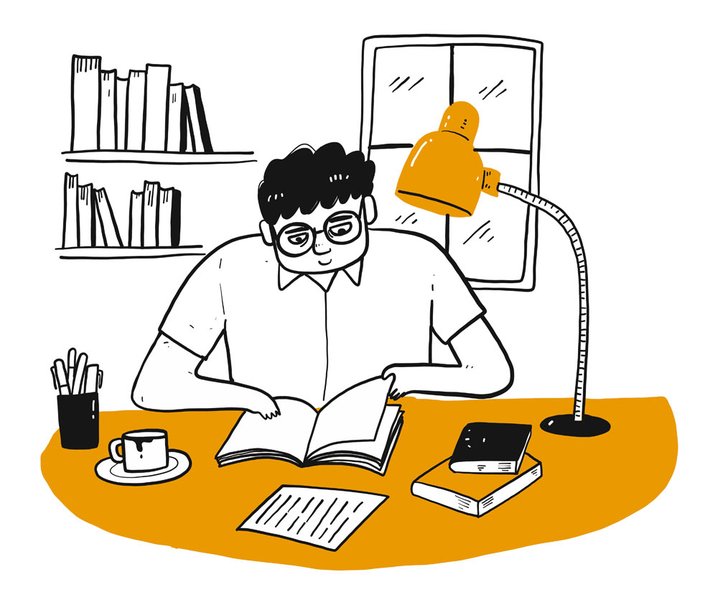
Consistent reading practice is key to building vocabulary and understanding German sentence structure.
Improving Listening Skills
Understanding native speakers in real-time conversations requires dedicated listening practice. Focus on various speeds, accents, and contexts.
Techniques for Better Listening:
- Targeted Listening Materials: Utilize podcasts, audiobooks, and videos created for B1/B2 learners. Resources from Goethe-Institut and Deutsche Welle (like "Langsam gesprochene Nachrichten") are excellent starting points.
- Active Listening: Don't just have German audio playing in the background. Focus actively: pause, repeat sections you didn't understand, try to transcribe short clips (dictation), and summarize what you heard.
- Use German Subtitles Strategically: Watch German TV shows or films with German subtitles first. This connects spoken words with their written forms. As you improve, try watching without subtitles.
- Practice with Different Media: Listen to news reports, interviews, chat shows, and documentaries to get accustomed to different speaking styles and topics.
- Listen-Read-Listen Technique: For challenging audio, listen once without text, then listen while reading the transcript, and finally listen again without the text to check comprehension improvement.
Boosting Speaking Fluency and Confidence
Actively producing language is essential for internalizing grammar and vocabulary. Overcoming the B1 speaking plateau requires regular practice and stepping out of your comfort zone.
Methods for Speaking Practice:
- Find Language Partners: Use platforms like Tandem or attend local language meetups to practice speaking with native speakers or fellow learners. Don't fear mistakes – they are part of learning.
- Practice Self-Talk: Describe your day, narrate your actions (e.g., while cooking), or summarize articles you've read aloud in German. This helps you practice thinking in German.
- Shadowing Technique: Listen to short audio clips (e.g., from podcasts) and repeat them immediately, trying to imitate the speaker's pronunciation, rhythm, and intonation.
- Focus on Functional Language: Master modal verbs (können, müssen, wollen, etc.) and common sentence structures. This allows you to express more complex ideas even with limited vocabulary.
- Record Yourself: Record yourself speaking and compare it to native speaker audio to identify areas for improvement in pronunciation and fluency.
Refining Writing Skills
Writing helps consolidate grammar rules and vocabulary usage. Regular writing practice improves accuracy and expressive ability.
Tips for Better Writing:
- Keep a Journal: Write short entries daily about your day, thoughts, or interests in German.
- Practice Specific Structures: Consciously try to use B1/B2 grammar points you're learning, such as relative clauses, passive voice, subjunctive moods, and various connectors (deshalb, trotzdem, obwohl, etc.).
- Seek Feedback: Use language exchange partners, online forums, or AI tools (like ChatGPT, used carefully) to get corrections on your writing.
- Write Summaries: After reading an article or watching a video, write a brief summary in German to practice synthesis and vocabulary recall.
Accelerating Your Learning: Immersion and Consistency
Deep understanding and rapid progress hinge on making German a part of your everyday life and maintaining consistent study habits.
Creating an Immersive Environment
You don't need to live in Germany to immerse yourself. Simulate immersion through daily choices:
- Change Device Language: Switch your phone, computer, and social media settings to German.
- Consume German Media: Watch German TV series, movies (with German subtitles initially), and YouTube channels. Listen to German music and podcasts regularly.
- Follow German News: Read news websites like Tagesschau or Spiegel Online daily.
- Label Your Surroundings: Use sticky notes to label objects around your home with their German names (including the article!).
- Join Online Communities: Participate in German-language forums or social media groups related to your hobbies.
The Power of Consistent Practice
Regular, focused effort is more effective than sporadic cramming.
- Establish a Routine: Dedicate specific times each day for German study, even if it's just 30-60 minutes. Aim for variety across skills (e.g., reading Monday, listening Tuesday, speaking Wednesday).
- Set Specific Goals: Define clear, achievable weekly or monthly goals (e.g., "learn 50 new words," "watch one German movie," "have two conversations with a tandem partner").
- Use Spaced Repetition Systems (SRS): Apps like Anki or Memrise are highly effective for memorizing vocabulary and grammar points by showing you flashcards just before you're likely to forget them.
- Track Your Progress: Keep a log of your study activities and review your progress regularly to stay motivated and identify areas needing more focus.
Mastering German Grammar and Vocabulary Effectively
Solidifying grammar and expanding vocabulary are crucial for moving beyond B1 fluency.
Practical Grammar Application
Instead of getting bogged down in abstract rules, focus on understanding how grammar functions in real communication.
- Focus on B1/B2 Structures: Pay special attention to adjective endings, different cases (especially Genitive and Dative prepositions), subordinate clauses, passive voice, and the subjunctive moods (Konjunktiv I & II).
- Learn Grammar in Context: See how grammatical structures are used in texts and conversations rather than just studying isolated rules. Resources like Lingolia provide clear explanations with examples and exercises.
- Master Prepositional Verbs: Learn verbs that always take a specific preposition and case (e.g., "warten auf + Akkusativ").
- Use Structured Resources: Coursebooks like "DaF kompakt" or online courses (Goethe, DW, Lingoda) offer systematic grammar progression with practice exercises.
Strategic Vocabulary Building
Expanding your word bank is vital for deeper understanding and expression.
- Learn Words in Context: Encountering words in sentences helps you understand their meaning, usage, and associated grammar (like noun gender).
- Focus on High-Frequency Words: Prioritize learning the most common German words first.
- Use Mnemonics: Create memorable associations or visual images to help remember tricky words or genders.
- Learn Noun Genders with the Noun: Always learn the article (der, die, das) along with the noun itself. Consider color-coding nouns by gender in your notes.
- Utilize SRS Apps: Regularly review vocabulary using apps like Anki or Memrise for long-term retention.
Visualizing Your Learning Strategy Effectiveness
Different learning methods contribute uniquely to overall fluency. This chart provides a subjective comparison of the relative effectiveness and typical time investment needed for various strategies aimed at accelerating B1-level German learning. Higher scores indicate greater impact or required time commitment.
This chart suggests that while immersion and consistent study offer high impact, active speaking and vocabulary building through SRS are also very effective strategies. Grammar drills, while necessary, might require less relative time compared to more immersive activities for similar perceived impact at this stage.
Leveraging Tools and Resources
Numerous resources can support your journey from B1 to higher proficiency. Combining different tools can keep learning engaging and address various skill areas.
Recommended Platforms and Apps
- Comprehensive Learning Platforms:
- Goethe-Institut: Offers free exercises, learning materials, apps, and an online community for all levels.
- Deutsche Welle (DW Learn German): Provides structured courses (A1-C1) with multimedia content, including news, series, and interactive exercises.
- Skill-Specific Practice:
- Lingolia / German.net: Excellent for B1/B2 reading texts with comprehension questions and grammar explanations.
- Yabla / FluentU: Use authentic videos with interactive subtitles and learning tools.
- Language Learning Apps:
- Duolingo / Babbel: Good for daily practice, vocabulary reinforcement, and basic sentence structures.
- Anki / Memrise: Essential for vocabulary building using spaced repetition (SRS).
- Language Exchange:
- Tandem / HelloTalk: Apps to find native German speakers for conversation practice.
- AI Tools:
- ChatGPT / Bing Chat: Can be used (carefully) to explain grammar, generate practice dialogues, or provide feedback on writing (always double-check AI output).
Helpful YouTube Channel for Learning German
Visual and auditory learning through videos can be very effective. Many channels offer lessons, tips, and immersion opportunities. The video below provides practical daily habits you can incorporate to learn German faster, aligning well with the principle of consistency discussed earlier.
Incorporating daily habits, as suggested in this video, is a powerful way to accelerate your German learning.
Structuring Your Learning Path: A Mindmap Overview
To effectively deepen your German understanding and learn faster, it helps to visualize how different elements connect. This mindmap illustrates the key areas to focus on – core skills, learning methods, essential resources, and underlying principles – for a well-rounded approach beyond the B1 level.
Level-appropriate texts
Active strategies"] Listening["Listening
Targeted materials
Active techniques"] Speaking["Speaking
Language partners
Shadowing, Self-talk"] Writing["Writing
Journaling
Grammar application"] Methods["Learning Methods"] Immersion["Immersion
Media consumption
Digital environment"] ActivePractice["Active Practice
Applying knowledge
Contextual learning"] StructuredStudy["Structured Study
Courses & Textbooks
Grammar focus"] SRS["Spaced Repetition
Anki, Memrise
Vocabulary retention"] Resources["Tools & Resources"] Platforms["Online Platforms
Goethe, DW"] Apps["Language Apps
Duolingo, Babbel, SRS"] Media["Books & Media
Deutsch Perfekt, Films"] Partners["Language Partners
Tandem, Meetups"] AI["AI Tools
Practice & Feedback"] Mindset["Key Principles"] Consistency["Consistency
Daily habits
Regular routine"] GoalSetting["Goal Setting
Specific & Achievable
Tracking progress"] Engagement["Active Engagement
Curiosity
Using personal interests"]
This map highlights that success comes from actively developing all core skills using a blend of immersive and structured methods, supported by the right resources and driven by consistent effort and clear goals.
Summary Table: Strategies for Fast & Deep B1+ Learning
Here's a table summarizing key strategies, recommended resources, and suggested practices to help you structure your learning effectively:
| Skill Area | Strategy | Recommended Resources | Practice Tips / Frequency |
|---|---|---|---|
| Reading | Engage with B1/B2 texts, focus on context, active reading (summarizing). | Lingolia, German.net, Deutsch Perfekt, DW articles, simple novels. | Daily (20-30 mins). Infer meaning before using a dictionary. |
| Listening | Use level-appropriate audio/video, practice active listening, use German subtitles strategically. | Goethe-Institut media, DW (Langsam gesprochene Nachrichten), B1/B2 podcasts, German TV/films. | Daily (15-30 mins). Practice dictation or listen-read-listen technique. |
| Speaking | Find language partners, practice self-talk, use shadowing technique, focus on functional language. | Tandem, HelloTalk, local meetups, recording yourself. | Multiple times per week (scheduled chats). Daily self-talk/shadowing (5-10 mins). |
| Writing | Keep a daily journal, consciously use target grammar, seek feedback. | Personal journal, language forums, AI tools (for feedback), tandem partners. | Daily or several times per week (15-20 mins). Focus on accuracy. |
| Vocabulary | Learn words in context, use Spaced Repetition Systems (SRS), learn nouns with articles. | Anki, Memrise, vocabulary sections in textbooks/readers, context from reading/listening. | Daily (10-15 mins SRS review). Note new words encountered during practice. |
| Grammar | Focus on practical application of B1/B2 structures, use structured explanations and exercises. | Lingolia, DW Learn German, Goethe-Institut exercises, coursebooks (e.g., DaF kompakt). | Integrate into reading/writing practice. Dedicated study sessions as needed (e.g., 2-3 times/week). |
| Immersion | Change device settings, consume German media regularly, label surroundings. | German music playlists, YouTube channels, news websites (Tagesschau), streaming services (Netflix DE). | Integrate into daily life wherever possible. Make it passive and active. |
Frequently Asked Questions (FAQ)
How much time should I dedicate daily to learn faster?
Is it better to focus on one skill (like reading) or multiple skills at once?
How can I overcome the fear of speaking German?
Should I use subtitles in my native language or German when watching videos/movies?
Recommended Further Exploration
- What are specific techniques to improve German listening comprehension for the B2 level?
- Can you recommend the best German podcasts and TV shows suitable for intermediate learners?
- How can I effectively use spaced repetition systems like Anki to master German vocabulary?
- What are the best ways to find and make the most of a German language tandem partner?
References
Last updated May 4, 2025