
Understanding Defence Stocks
A comprehensive guide to investing in the defence sector
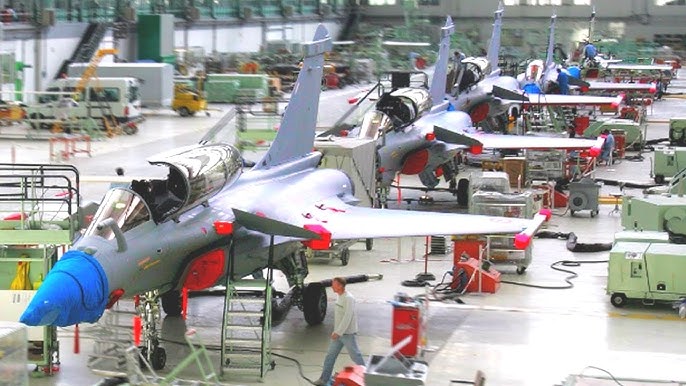
Key Highlights
- Market Diversity & Stability: Defence stocks include companies in aerospace, military technology, and related services, offering stability from long-term contracts and government support.
- Global & Regional Leaders: Investment opportunities exist across major markets such as the United States, Europe, and India, with top companies known for innovation and robust financial performance.
- Investment Considerations: Critical factors include geopolitical risks, government contracts, and technological advancements that can affect market performance.
Introduction to Defence Stocks
Defence stocks refer to the shares of companies primarily engaged in the production of military equipment, aerospace technologies, and providing related services. Over the past decades, these stocks have garnered investor interest because of their inherent stability, supported by government contracts and consistent defense spending from national budgets worldwide. Whether investors seek long-term stability or opportunities for growth amidst technological advancements and shifting geopolitical landscapes, defence stocks offer a unique blend of factors that differentiate them from other market sectors.
In recent years, the defence sector has evolved significantly, incorporating cutting-edge technology to enhance military capabilities. This transformation includes advancements in aerospace, weapon systems, space exploration, cybersecurity, and unmanned systems. As nations adapt to new threats and modernize their military forces, investors find that companies in this sector have the potential not only for stability but also considerable growth.
Understanding the Components of the Defence Sector
Aerospace and Military Equipment
One of the major components of the defence sector is the aerospace and military equipment segment. This includes companies that design, manufacture, and maintain combat aircraft, helicopters, missiles, and naval vessels. Large multinational corporations based primarily in the United States, such as Lockheed Martin, General Dynamics, Northrop Grumman, and Boeing, have a significant presence in this space. They generate substantial revenue through government contracts and international deal closures. Their performance is frequently influenced by government spending patterns in defense and military modernization initiatives.
European counterparts, such as Airbus and Rolls-Royce Holdings, represent another critical segment. Despite facing competition on a global scale, European companies have maintained robust portfolios specializing in both civilian and military aerospace products. This dual focus offers these companies an opportunity to stabilize their revenue streams in times of market volatility specific to military spending.
Technology and Innovation in Defence
Modern defence stocks are increasingly influenced by rapid technological innovation. Companies that invest in advanced research and development (R&D) often lead in revolutionizing military capabilities. Defense companies are at the forefront of cybersecurity, electronic warfare, unmanned vehicles, and space systems. For example, Northrop Grumman and Lockheed Martin have expanded their portfolios to include advanced radar systems, satellite technologies, and cyber defense solutions. Such diversification enables them to remain competitive in an ever-changing global landscape where traditional defense strategies merge with modern technology.
The integration of artificial intelligence and machine learning in defence applications is another emerging area. These technologies enable enhanced surveillance, autonomous vehicle operations, and real-time data analysis to improve decision-making on the battlefield. As innovation continues to drive this sector forward, companies that invest heavily in these new technologies are better positioned to capture market share and generate long-term value for their shareholders.
Global and Geopolitical Influences
Geopolitical events and government policies have a significant impact on the performance of defence stocks. Increase in defense budgets, especially in regions experiencing geopolitical tensions, can lead to a surge in military investments. For instance, geopolitical instability often prompts governments to allocate additional funds for defense, leading to expansion orders for military equipment and technologies.
International relations also play a critical role. Trade agreements, arms export regulations, and the political stance of nations towards one another can determine the volume and scale of orders received by defence companies. In regions such as India and Europe, evolving defense policies and increased collaboration between governments and private entities have fueled growth in the defence stocks market.
Regional Overview of Defence Stocks
The United States
The United States has long been recognized as a leader in the defence industry. American companies consistently benefit from large-scale government contracts that ensure a steady revenue stream. Notable names in the U.S. include Lockheed Martin, General Dynamics, Northrop Grumman, and Boeing. These companies are known for their robust performance, with market capitalizations in the hundreds of billions and sometimes commanding weighted average PE ratios reflective of high growth expectations.
U.S. defence stocks have demonstrated strong growth trajectories driven by expansive research and development budgets. In addition to traditional manufacturing, they now tap into innovations like unmanned systems and integrated electronic warfare, ensuring they remain at the cutting edge of modern military requirements.
Europe
Europe's defence industry is comprised of several leading multinational companies. Individually, European companies such as Airbus provide capabilities in both commercial and military aviation. Meanwhile, firms like Safran and Rolls-Royce are noted for their specialized aerospace and defense engineering sectors. The stability in European defence stocks is underpinned by substantial government spending driven by heightened security concerns across the EU.
With the European Union increasingly prioritizing enhanced defense capabilities, companies in this region are experiencing notable growth. Market trends indicate an upward trajectory in defence spending, which is reflected in record-high stock performances for some European defence companies. Additionally, strategic partnerships and research collaborations across borders have bolstered the integration of advanced technologies such as cyber defense and autonomous systems within European defence firms.
India and Emerging Markets
In India, the defence stock market is marked by a diverse range of companies. Prominent Indian defence companies include Hindustan Aeronautics Limited (HAL), Bharat Electronics Limited (BEL), Mazagon Dock Shipbuilders Limited, Bharat Dynamics Limited, and Solar Industries India Limited. These companies are crucial for national security as they produce everything from aircraft and naval vessels to missile systems and specialized defense electronics.
Indian defence stocks have recently been attracting considerable investor interest, primarily due to governmental reforms, increased FDI in the defence sector, and modernization efforts aimed at upgrading military hardware. These factors have collectively boosted investor confidence, making Indian defence stocks an attractive choice for those looking to diversify their portfolios in emerging markets.
Moreover, as India continues to expand its domestic manufacturing capabilities under initiatives like “Make in India,” local defence firms are increasingly becoming competitive on the global stage. This drive for self-reliance in defence manufacturing has not only improved technological capabilities but also stimulated market growth, thereby providing a promising outlook for future performance.
Investment Considerations and Strategies
Evaluating Investment Potential
When considering defence stocks as part of an investment portfolio, it is vital to evaluate several factors that directly impact the performance of these stocks. Some of the key considerations include:
Government Contracts and Spending
Defence companies largely rely on government spending to fund their projects. This dependency provides a degree of predictability, as government budgets for national security remain relatively stable even during economic downturns. Evaluating a company's backlog of government contracts provides investors with a credible indicator of future revenue.
Technological Capabilities
Defence stocks are increasingly tied to technological innovation. Companies with strong R&D investments often pioneer advanced technologies that become critical components of modern defence systems. For example, the incorporation of AI-driven systems or advanced cyber defense tools can create lucrative growth prospects by enhancing the company's competitive edge over time.
Global Geopolitical Climate
Investors must monitor global geopolitical trends because these significantly affect defence stocks. Geopolitical tensions, conflicts, and trade relationships can either support or hinder the performance of these stocks. Historical performance data combined with geopolitical forecasts can help investors time their entry and exit in the market.
Diversification and Risk Management
Although defence stocks often boast stability, they are not immune to market volatility. Diversification within the defence portfolio is key. This means including companies from different segments—such as aerospace, technology, and manufacturing—as well as ensuring a balanced exposure across geographical markets. This strategy helps mitigate risks associated with any single market or political scenario.
Additionally, investors should keep abreast of regulatory changes that could impact the availability of international contracts or impose stricter controls on defence exports. Such regulations can materially affect a company's profitability and market outlook.
Table: Top Global and Regional Defence Stocks
| Company Name | Primary Market | Key Focus | Notable Achievement |
|---|---|---|---|
| Lockheed Martin | United States | Aerospace & Defence Technologies | Large government contracts for advanced fighter jets |
| General Dynamics | United States | Combat Vehicles and Naval Ships | Significant growth in military vehicle production |
| Northrop Grumman | United States | Cybersecurity and Missile Defense | Pioneering advanced unmanned systems |
| Boeing | United States | Aircraft & Defense Systems | Expansion in both commercial and military aviation sectors |
| Airbus | Europe | Aerospace and Defence | Dual presence in commercial and military aviation |
| Hindustan Aeronautics Limited (HAL) | India | Aviation and Defence Equipment | Major supplier for Indian Armed Forces |
| Bharat Electronics Limited (BEL) | India | Defence Electronics | Leader in defence communication and radar technology |
The table above summarizes some of the key players in the defence sector, highlighting their primary markets, focus areas, and some of their notable achievements. While each company has a distinct market niche, they collectively contribute to the overall stability and growth potential observed in the defence sector.
Strategies for Investing in Defence Stocks
Given the diversity of companies and the complexity of the defence sector, investors should adopt strategies that maximize both potential returns and risk management. Here are several approaches to consider:
Long-Term Investment Approach
Many investors favor a long-term approach when investing in defence stocks. The sustained nature of government contracts and the continuous need for upgrading military technologies contribute to a predictable revenue stream over an extended period. Long-term investors typically benefit from compounding growth and dividends paid by these companies.
For long-term portfolios, including a mix of established giants with high market capitalization and emerging players with strong growth potential can be particularly beneficial. Long-term exposure not only reduces the volatility of short-term market fluctuations but also capitalizes on the steady advancements in defence technology and infrastructure.
Diversification Across Geographies
Investors should consider diversification across different regions to mitigate localized political or economic risks. Exposure to U.S., European, and Indian defence stocks can provide a buffer against region-specific downturns. For instance, while U.S. companies are deeply embedded in domestic government spending, European and Indian companies might benefit from rising defense budgets driven by regional geopolitical tensions.
This geographic diversification helps create a balanced portfolio, ensuring that potential losses in one region may be offset by gains in another. Additionally, the varied regulatory environments and market growth drivers across these regions can further stabilize returns over time.
Active Monitoring and Risk Hedging
Active monitoring of geopolitical events and changes in government policies is essential when investing in defence stocks. Investors should be vigilant about emerging risks such as sudden shifts in defense spending, new arms export regulations, or disruptive technological innovations. Utilizing risk hedging techniques like options or diversified funds can help protect against unexpected market downturns.
In addition to defensive strategies, being agile in portfolio management will enable investors to seize growth opportunities as technologically advanced and innovative companies begin to differentiate themselves in a highly competitive market.
Global Trends Impacting the Defence Sector
Rising Global Tensions and Defence Budgets
The current global political environment continues to exert a considerable influence on defence stocks. With several regions experiencing heightened tensions, national governments are re-evaluating their defence strategies and increasing their defence budgets. This has led to an escalation in research investments, acquisition of new technologies, and the modernization of existing military equipment.
In many countries, particularly within the European Union and parts of Asia, budget allocations for defence have soared. Such increases are not merely precautionary but are also driven by a need to address emerging challenges like cyber warfare, unmanned systems, and space security. As governments commit to a more robust defence posture, companies in the sector are likely to experience repeated contract awards and sustained revenue growth.
Technological Advancements Shaping the Future
Another significant trend is the rapid pace of technological advancement in the defence sector. Today’s companies are heavily investing in technologies such as artificial intelligence, digital communications, and advanced materials science. Such innovations not only improve operational efficiency in defence systems but also enable new capabilities in areas like autonomous operations and data-driven decision-making.
Breakthroughs in drone technology, cyber defense mechanisms, and space exploration have redefined the competitive landscape. Investors who focus on companies at the cutting edge of these developments may find that their portfolios benefit from both technological advancements and increased market relevance. This integration of technology with traditional defence manufacturing is creating opportunities for unprecedented market growth, further solidifying the role of defence stocks in diversified investment portfolios.
Economic Cycles and Market Resilience
Though no sector is immune to economic cycles, the defence industry demonstrates relative resilience during downturns. The reasons include its foundational role in national security, contractual support from governments, and continuous demand for updated military hardware. These factors make defence stocks less volatile compared to sectors driven solely by consumer demand.
However, investors should be aware that short-term market fluctuations may still occur due to changes in government policies or unexpected geopolitical events. A thorough understanding of the underlying market dynamics and active risk management help ensure that investment in defence stocks remains advantageous over the long run.
Case Studies in Defence Stock Performance
Case Study 1: U.S. Defence Giants
Lockheed Martin, General Dynamics, and Boeing have long exemplified the stability and growth potential inherent in the U.S. defence sector. Their extensive histories of government contracts and steady innovation in aerospace technology have consistently propelled their market valuation. For instance, Lockheed Martin’s advancements in fighter jet technology and missile defense systems have not only reinforced its market dominance but also generated steady investor returns. Their ability to secure multi-year government contracts plays a pivotal role in ensuring continuous revenue and profitability.
The performance of these companies during periods of economic downturn further illustrates the defensive nature of defence stocks. Even when economic uncertainties were prevalent, the relative stability of government defence expenditure allowed these giants to maintain, and at times, even improve their financial metrics.
Case Study 2: Indian Defence Industry Growth
India’s defence industry provides another illustrative example of how national security imperatives can drive market performance. Companies like Hindustan Aeronautics Limited (HAL) and Bharat Electronics Limited (BEL) have benefitted significantly from increased defence spending and government initiatives aimed at modernizing military capabilities. The governmental push for self-reliance under initiatives such as “Make in India” has fostered innovations and improved domestic manufacturing processes, leading to enhanced competitiveness on the global stage.
For instance, the modernization efforts within the Indian Navy, including contracts for warship construction and submarine development, have bolstered investor confidence in defence stocks. The tangible commitments expressed through long-term contracts and strategic government policies have created clear opportunities for sustainable growth, making Indian defence stocks appealing to both domestic and international investors.
Conclusion and Final Thoughts
In summary, defence stocks occupy a unique position within the investment landscape. They present opportunities for long-term stability and growth backed by consistent government support, robust technological innovation, and a clear response to global geopolitical dynamics. Whether an investor is looking at large U.S. defence giants known for their extensive technological portfolios, European firms balancing commercial and military aerospace needs, or emerging players in India capturing modernization trends, the defence sector is diversified and rich in potential.
Investors interested in this sector should carry out detailed evaluations of government contracts, technological investments, and the prevailing geopolitical climate. Diversification across regions and active risk management remain key strategies to offset the inherent risks amidst market volatility. By being judicious in research and leveraging insights about technological trends and geopolitical tensions, investors can make informed decisions that harness the growth potential present in the defence market.
Ultimately, while the defence sector is not without its challenges, the continued focus on modernization, evolving technology integration, and increased defense budgets globally make it a compelling option for portfolio diversification. For those looking to balance stability with moderate growth in their investments, defence stocks provide a time-tested option that benefits from consistent demand and predictable revenue streams.
With continuous advancements in technology and a geopolitical landscape that increasingly demands enhanced security measures, the future looks promising for companies in the defence sector. Investors wishing to harness this potential should ensure a well-diversified, research-driven approach and remain informed about policy changes that might affect the market dynamics.
References
- Defense Sector Overview - Finology
-
Best Defense Stocks to Buy Now - US News
- Investing in Defense Stocks - The Fool
-
Defence Stocks Rally - Economic Times
-
European Defence Stocks Surge - Reuters
Recommended Related Queries
Last updated February 21, 2025