
Security Measures for Decentralized Financial Platforms
In-depth examination of best practices and strategies for enhancing DeFi security
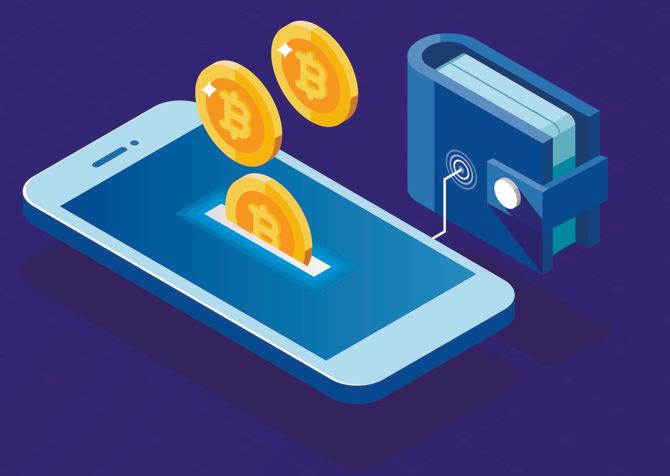
Highlights
- Smart Contract and Code Audits: Meticulous evaluations including formal verification and code audits are essential for identifying vulnerabilities before they are exploited.
- User and Data Security: Implementing multi-factor authentication, secure wallet practices, and robust encryption helps protect user assets and sensitive information.
- Resilient Infrastructure and Governance: Innovative measures such as decentralized oracle networks, time locks, multi-signature wallets, and community-driven initiatives foster robust security and operational reliability.
Overview of Decentralized Finance (DeFi)
Decentralized Finance, commonly known as DeFi, represents a paradigm shift in financial services by using blockchain and distributed ledger technology to offer services such as lending, trading, and borrowing without relying on traditional intermediaries like banks. As DeFi platforms grow both in scope and adoption, the need for comprehensive security measures becomes critical. The decentralized and open nature of these platforms brings unique challenges that need to be addressed through multi-layered strategies.
The Importance of Security in DeFi
Unlike centralized financial systems, DeFi platforms operate without a central authority managing oversight and risk management. Here, security is not only vital for protecting user assets from external hackers but also for maintaining the trust and transparency of the platform. A single vulnerability can lead to significant financial losses, undermine public trust, and potentially destabilize the broader ecosystem. As a result, a layered approach to security—which encompasses various technical, operational, and governance mechanisms—is essential.
Key Components of DeFi Security
1. Smart Contract Security
Thorough Auditing and Testing
Smart contracts serve as the backbone of DeFi applications. Since they operate on predefined rules and execute automatically, any error or vulnerability in their code can result in severe financial exploits. The first step toward robust security is a comprehensive audit of these smart contracts. This involves:
- Conducting extensive reviews and audits using both automated tools and expert manual analysis.
- Implementing formal verification techniques to mathematically prove the correctness of contract logic. For example, verifying invariants using proofs ensures that the contract behaves as intended even in edge cases.
- Executing multiple layers of security testing before the platform launch, including penetration tests, fuzz testing, and simulation of attack scenarios.
Regular updates and re-audits are also necessary as the code evolves and new features are added.
Bug Bounty Programs
To harness the expertise of the wider community, many DeFi developers introduce bug bounty programs. These initiatives incentivize independent security researchers to identify and responsibly disclose potential vulnerabilities. This community-led approach not only supplements internal audits but also creates an extra layer of surveillance against unknown flaws.
2. User Authentication and Access Control
Multi-Factor Authentication (MFA)
As users interact with DeFi platforms, securing access to their accounts is paramount. Multi-factor authentication (MFA) serves as an essential defense mechanism. MFA requires multiple forms of verification (such as a password, a one-time code sent via SMS or authenticator app, and potentially biometric data) before access is granted, significantly reducing the likelihood of unauthorized entry.
Wallet Management
Wallet security is another critical pillar. Users should be encouraged to employ best practices such as:
- Using reputable software and hardware wallets to store private keys securely.
- Implementing multi-signature wallet technology (multi-sig) where multiple private keys are required to authorize transactions. This ensures that even if one key is compromised, assets remain secure.
- Regularly updating wallet software to incorporate the latest security patches and improvements.
3. Technical Security Infrastructure
Encryption and Data Protection
End-to-end encryption is indispensable for safeguarding sensitive user data and transaction details. It protects the information flow between users and the platform, making it difficult for malicious actors to intercept or alter data in transit.
Additionally, private keys should be stored using advanced encryption algorithms to ensure they remain inaccessible to unauthorized users.
Decentralized Oracle Networks
Oracles serve as bridges between the blockchain and external data sources. To mitigate risks associated with single points of failure or data manipulation, using decentralized oracles is recommended. These systems aggregate multiple sources of data to provide a more reliable and resistant-to-manipulation feed, thereby ensuring that smart contracts have access to accurate and trustworthy information.
Time Locks and Multi-Signature Mechanisms
Time locks introduce a delay between initiating and executing critical transactions, offering a window for anomaly detection and potential reversal if unauthorized behavior is detected. Combined with multi-signature mechanisms that require multiple authorizations to proceed with actions, platforms can greatly reduce the risk of abrupt or malicious transfers.
4. Continuous Security Monitoring and Incident Response
Real-Time Transaction Monitoring
Implementing transaction monitoring systems allows platforms to track and analyze the flow of assets in real-time. Suspicious patterns or anomalies, such as unusually large transactions or irregular access patterns, can be flagged immediately. Early detection is critical to preventing significant breaches and enabling swift remedial action.
In addition, blockchain analytics can be utilized to monitor transaction histories for signs of compromised security, helping preempt fraudulent activities.
Incident Response Protocols
Despite robust pre-emptive measures, it is crucial to establish well-defined incident response protocols. These protocols outline:
- Steps for immediate containment and damage control.
- Notification processes for users and relevant stakeholders, ensuring transparency.
- Post-incident analysis to understand vulnerabilities and improve future defenses.
Regular drills and simulated breach scenarios help ensure that teams are prepared to act decisively in the face of real attacks.
5. Governance and Regulatory Compliance
Community-Driven Governance
Decentralized governance allows stakeholders to participate in the decision-making processes. Many DeFi platforms deploy governance tokens, enabling the community to vote on critical updates, including those related to security enhancements. This democratic approach ensures that security implementations have broad-based support and are continuously refined.
Transparent governance practices foster trust among users, particularly when security measures are periodically reviewed and updated.
Regulatory Compliance and KYC/AML Measures
Although DeFi operates in a decentralized manner, many platforms are increasingly embracing regulatory compliance, especially regarding issues like Anti-Money Laundering (AML) and Know Your Customer (KYC). These measures help mitigate risks related to fraud and other illicit activities while ensuring that the platform adheres to emerging international financial standards.
Aligning with regulatory frameworks not only protects users but also strengthens the legitimacy and broader adoption of DeFi services.
Additional Risk Management Strategies
Diversification and Financial Safeguards
Risk management in DeFi extends beyond technical measures. Financial safeguards are also crucial, and these include:
- Encouraging diversification of investments across multiple assets, which minimizes the impact of a single asset's failure.
- Implementing over-collateralization for loans and smart contract-based lending. For instance, lending protocols usually require collateral ratios such as \( \frac{\text{Collateral Value}}{\text{Loan Amount}} \geq 1.5 \) to protect against market volatility.
- Adopting strategies to mitigate market manipulation risks by setting thresholds and limits on transactions.
Insurance Options
Certain DeFi platforms and third-party providers offer insurance products that cover losses due to security breaches or smart contract exploits. These insurance options provide an additional safety net for users, instilling further confidence in the ecosystem.
Such schemes often function similarly to traditional insurance, where users pay a premium, and in return, the coverage protects against defined risks.
Technical Security Infrastructure: A Table Overview
The following table summarizes the critical technical security measures integrated within robust DeFi platforms:
| Security Measure | Description | Implementation Strategy |
|---|---|---|
| Smart Contract Audits | Comprehensive review and testing of smart contract code | Manual audits, automated testing, formal verification |
| MFA and Wallet Security | Layered user authentication and secure storage of private keys | MFA, hardware wallets, multi-signature wallets |
| Encryption | Protection of sensitive data and transactions | End-to-end encryption, advanced key storage algorithms |
| Decentralized Oracle Networks | Reliable and tamper-proof data sources for smart contracts | Aggregation of multiple data sources, consensus mechanisms |
| Time Locks | Delay critical transactions to allow anomaly detection | Automated delay protocols and manual override processes |
| Incident Response | Rapid detect and mitigate security breaches | Real-time monitoring, clearly defined response protocols |
| Governance and Compliance | Ensuring transparency and adherence to regulatory standards | Decentralized governance tokens, KYC/AML implementations |
Emerging Trends and Forward-Looking Strategies
Integration of Advanced Technologies
As technology advances, so do the security challenges and solutions in the DeFi space. Emerging trends include the adoption of privacy-enhancing technologies such as zero-knowledge proofs (zk-SNARKs), which allow transactions to be verified without revealing details of the transaction itself. This approach enhances privacy and security by reducing the amount of sensitive data exposed.
Additionally, advances in artificial intelligence and machine learning are being applied to continuously monitor and detect anomalies within blockchain transactions. Systems employing these technologies analyze historical data to predict and identify suspicious patterns, further strengthening the platform’s proactive defense capabilities.
Interoperability and Cross-Chain Security
The expanding landscape of DeFi often involves multiple blockchains operating in parallel. This interoperable ecosystem calls for cross-chain security measures that safeguard assets and ensure secure transfers between different networks. Cross-chain bridges, though a revolutionary development, require stringent security protocols such as additional audits and multi-party verification to prevent exploits that traverse multiple networks.
By establishing standardized security protocols across chains, developers can reduce vulnerabilities originating from interoperability challenges.
Educational Initiatives and Community Empowerment
A well-informed user base is a cornerstone of secure DeFi operations. Platforms increasingly invest in community education initiatives, ranging from interactive tutorials to in-depth webinars on securing digital assets. This emphasis on education ensures that users are better prepared to recognize phishing attempts, dubious projects, or unsecured wallets. Moreover, a knowledgeable user community is more likely to participate in bug bounties and contribute to enhancing the platform's overall security posture.
By fostering transparent communication and collaboration with users, DeFi platforms can leverage collective vigilance to augment technical defenses.
Implementation Best Practices for DeFi Security
For Developers
Adopt Secure Coding Guidelines
Developers should adhere to secure coding practices beginning from project inception. This entails:
- Using established security libraries and frameworks.
- Regularly refactoring and reviewing code to minimize overlooked vulnerabilities.
- Incorporating unit tests and integration tests to cover all aspects of smart contract operations.
- Documenting code comprehensively to facilitate audits and future development efforts.
Continuous Integration and Deployment (CI/CD)
Deploying CI/CD pipelines can automate the process of testing, auditing, and deploying updates. With security as a continuous focus, automated testing pipelines can evaluate each update for potential vulnerabilities before they are released, ensuring that even incremental changes follow robust security protocols.
For Users
Stay Informed and Use Best Practices
Users can also enhance their personal cybersecurity by:
- Staying updated with the latest security advisories and patches released by the platforms they utilize.
- Engaging in community forums and following trusted security blogs to remain informed about common threats and emerging scam tactics.
- Performing due diligence research on new DeFi projects before investing any assets.
- Utilizing hardware wallets and multi-factor authentication to bolster their personal security measures.
Regular Backups and Data Protection
Additionally, users are advised to regularly back up their wallet keys and ensure that these backups are stored securely. Using encrypted storage solutions (either physical or cloud-based) minimizes the risk of data loss due to hardware malfunctions or other unforeseen events.
Conclusion
In conclusion, the security of decentralized financial platforms hinges on a multi-layered approach combining technical safeguards, user education, and robust governance practices. By emphasizing thorough smart contract audits, multi-factor authentication, and secure wallet management, developers can significantly lower the risk of critical vulnerabilities. Additionally, employing innovative security measures such as decentralized oracle networks, time locks, and advanced monitoring systems further fortifies the DeFi ecosystem.
Equally important is the role of proactive community engagement and transparent governance. Bug bounty programs and decentralized decision-making empower users and developers alike, making security a collective responsibility. Financial risk management via diversification, over-collateralization, and innovative insurance mechanisms adds another protective layer to counteract the inherent market volatility and unforeseen breaches.
As DeFi continues to evolve and expand across multiple blockchains, staying ahead of emerging threats requires not only the deployment of existing security measures but also the integration of forthcoming technologies like zero-knowledge proofs and machine learning-based threat detection systems. With comprehensive strategies for technical, operational, and regulatory domains, decentralized financial platforms can offer a secure, transparent, and resilient environment that instills confidence in users and drives broader adoption.
Ultimately, embracing a holistic security paradigm is essential for safeguarding investments, ensuring platform integrity, and fostering innovation in the rapidly evolving world of decentralized finance.
References
- Security and Transparency in Decentralized Finance: Safeguarding the Future of Finance - MEXC Blog
- Enhancing Decentralized Finance Security: Strategies for a Safer DeFi Experience - Veritas Protocol
- Addressing Security Concerns in Decentralized Finance: A Conservative Perspective - DAPnet
- Top Strategies for Safeguarding DeFi Platforms Against Financial Hacks - 1950.ai
- Navigating DeFi Risks: Managing and Mitigating Potential Pitfalls - Coin Report
- Mastering DeFi Security: Everything You Need to Know - miEthereum
- Security and Safety of Decentralized Finance (DeFi) Platforms - WeSecureApp
- Assets Security in DeFi - Solulab
- Top 7 DeFi Security Best Practices - Lossless
Recommended
Last updated February 22, 2025