
Unveiling the Hidden Power: What Exactly Are Fruit Peels?
More than just discarded coverings, fruit peels are a surprisingly rich resource.
Fruit peels, often referred to as rinds or skins, are the outermost protective layers covering the flesh of fruits. These layers play a vital biological role, shielding the fruit from environmental stressors like pests, diseases, physical damage, and dehydration. While frequently discarded as waste, fruit peels are increasingly recognized for their significant nutritional value and diverse potential applications.
Key Insights at a Glance
- Nutrient Powerhouses: Fruit peels are often densely packed with dietary fiber, vitamins (like Vitamin C), minerals, and antioxidants, sometimes containing higher concentrations than the fruit pulp itself.
- Versatile Utility: Beyond nutrition, peels offer practical uses in cooking (flavoring, teas, jams), household cleaning, skincare routines, and even gardening (composting, fertilizers).
- Sustainability Champions: Utilizing fruit peels helps reduce food waste, aligning with environmentally conscious practices and minimizing the impact of decomposing organic matter.
Defining the Peel: More Than Just Skin Deep
Understanding the Structure and Function
Botanically, the peel is often the exocarp, the outermost layer of the fruit's pericarp (the fruit wall comprising the exocarp, mesocarp, and endocarp). The characteristics of peels vary widely across different types of fruit. For instance, citrus fruits like oranges and lemons possess thick, oily rinds, whereas apples and pears have thin, often waxy skins. Bananas have a thicker, fibrous peel, while berries might have extremely delicate outer layers.
The primary function of the peel is protection. It acts as a physical barrier against insects and microbial pathogens. Its texture and composition, including waxes and specialized cells, help regulate moisture loss, maintaining the fruit's freshness and integrity during growth, ripening, and storage.
Composition: The Building Blocks of the Peel
Structural Components
Fruit peels derive their structure primarily from complex carbohydrates:
- Cellulose: A major structural component of plant cell walls, providing rigidity.
- Hemicellulose: Another polysaccharide that helps bind cellulose fibers together.
- Pectin: A soluble fiber that acts as a gelling agent, contributing to the texture of both the peel and the fruit. It's famously extracted for making jams and jellies.
Bioactive Compounds
Beyond structural carbohydrates, peels are rich reservoirs of bioactive compounds:
- Dietary Fiber: Crucial for digestive health, peels can contribute significantly to daily fiber intake.
- Vitamins: Vitamin C is often abundant, particularly in citrus peels (orange peels can contain twice the Vitamin C of the flesh). Other vitamins like Vitamin A may also be present.
- Minerals: Peels can contain essential minerals such as potassium and calcium.
- Antioxidants: These compounds, including flavonoids (like quercetin in apple peels and hesperidin in citrus peels) and phenolic acids, help combat oxidative stress in the body. Apple peels, for example, reportedly contain significantly more cancer-fighting phytochemicals than the flesh.
- Essential Oils: Especially prominent in citrus peels, compounds like limonene provide characteristic aromas and possess antimicrobial and antioxidant properties.
Harnessing the Potential: Diverse Uses of Fruit Peels
Instead of being discarded, fruit peels can be repurposed in numerous creative and beneficial ways, contributing to both health and sustainability.
Culinary Creations
Many fruit peels can add flavor, texture, and nutrients to food and drinks.
- Flavor Enhancers: Citrus zest (grated peel) is widely used in baking and cooking to impart bright flavors. Dried and powdered peels can be added to spice blends.
- Teas and Infusions: Boiling peels like apple, orange, grapefruit, or lemon can create flavorful and potentially fiber-rich teas.
- Candied Peels: Citrus peels, especially orange and lemon, can be candied by boiling in sugar syrup, creating a sweet treat or ingredient for baked goods.
- Jams, Jellies, and Marmalades: The high pectin content in some peels (like apple and citrus) makes them suitable for making preserves. Marmalade traditionally uses citrus peel.
- Infused Oils and Vinegars: Peels can be steeped in oil or vinegar to create flavored infusions.
- Smoothies: Washed peels (like apple or pear) or powdered peels can be blended into smoothies for an extra nutrient boost.
Household Helpers
The properties of certain peels lend themselves to various household tasks.
- Natural Cleaners: The acidity of lemon peels makes them effective for cutting grease, cleaning surfaces, removing rust from metal, and descaling kettles (by boiling peels inside).
- Deodorizers: Citrus peels can freshen the air or garbage disposals. Dried peels can be added to potpourri.
- Teeth Whitening: Rubbing the white pith (albedo) on the inside of orange or lemon peels against teeth is suggested anecdotally for whitening, likely due to citric acid (use with caution to avoid enamel erosion).
- Shoe Polishing: The inside of a banana peel can be used to shine leather shoes.
- Pest Repellents: Cucumber peels are sometimes used to deter ants. Orange peels may repel some insects.
- Fire Starters: Dried citrus peels, containing flammable oils, can help start fires.
Skincare and Cosmetics
The nutrients and compounds in fruit peels can benefit the skin.
- Exfoliation: Banana peels sprinkled with sugar can serve as a gentle skin scrub. The natural enzymes and acids in some peels may offer mild exfoliation.
- Moisturizing: Rubbing avocado peels on the skin is suggested for moisturizing. Banana peels are also cited for potential skin hydration and wrinkle reduction.
- Skin Refreshment: Rubbing citrus peels (like orange or grapefruit) on the skin can feel refreshing due to their aromatic oils.
- Natural Dyes: Some peels can be used to create natural dyes for fabrics, though results vary.
Gardening and Composting
Fruit peels are valuable organic matter for the garden.
- Composting: Adding fruit peels to a compost bin enriches the final compost with nutrients, improving soil health.
- Natural Fertilizer: Banana peels, rich in potassium, can be buried near plants (especially roses) or soaked in water to create a liquid fertilizer. Citrus peels can slightly acidify soil for acid-loving plants.
- Plant Shining: The inside of banana peels can be used to gently wipe and shine the leaves of houseplants.
Comparative Usefulness of Common Fruit Peels
Different fruit peels offer varying degrees of utility across different applications. This chart provides a relative comparison based on commonly cited uses and properties. Scores are indicative (out of 10), reflecting general potential rather than precise scientific measurement.
Note: The 'Nutritional Value' score considers edibility and nutrient density. Some peels, while nutritious, require specific preparation (like boiling or blending) to be palatable or digestible.
Mapping the World of Fruit Peels
This mindmap provides a visual summary of the key aspects surrounding fruit peels, from their definition and composition to their wide-ranging benefits and uses.
Exploring Peel Textures: A Visual Dive
The texture and appearance of fruit peels are incredibly diverse, reflecting their specific functions and the fruit they protect. Examining them closely reveals intricate details often overlooked.
Orange Peel Texture

This close-up reveals the characteristic dimpled or pitted texture of an orange peel. These tiny depressions are oil glands containing aromatic essential oils like limonene, responsible for the citrus scent. The slightly rough texture also contributes to its protective function.
Banana Peel Texture

Banana peels typically have a smoother, slightly waxy outer surface when fresh, becoming more fibrous and softer as the fruit ripens, often developing brown spots (evidence of ripening enzymes). The inner side is softer and more moist. This image captures the typical appearance of a ripening peel.
Inside of a Banana Peel
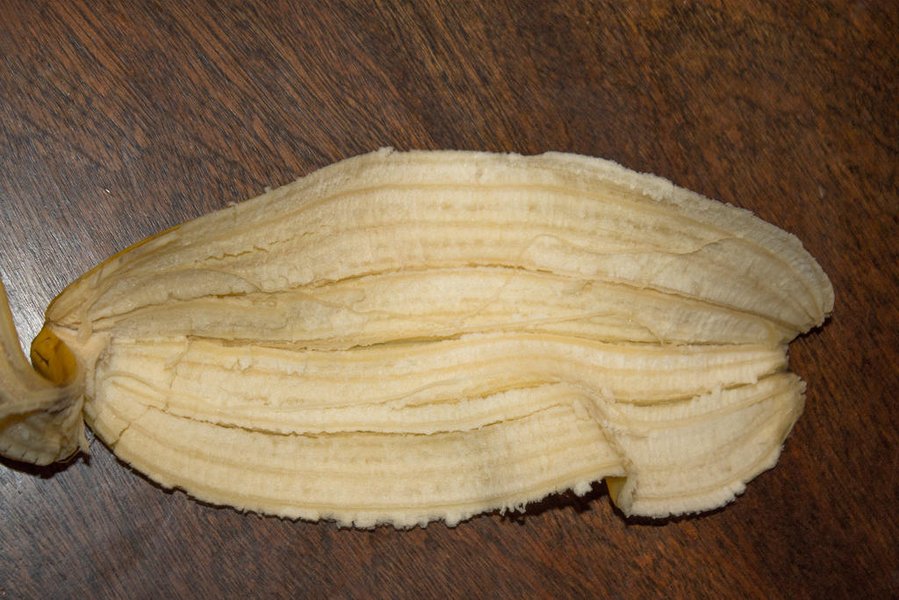
The inner surface of a banana peel is notably different from the outside. It's typically white or pale yellow, soft, and slightly moist, with a stringy, fibrous texture. This part is often scraped or used in applications like skincare or polishing due to its composition.
Nutritional Highlights and Uses of Specific Peels
This table summarizes key nutritional aspects and common applications for peels from several well-known fruits, based on the information gathered.
| Fruit Peel | Key Nutritional Components | Common Uses |
|---|---|---|
| Apple | High Fiber, Quercetin (Antioxidant), Vitamins, Phytochemicals | Eating raw with fruit, adding to smoothies, making tea, composting |
| Orange/Citrus | High Vitamin C, Fiber, Hesperidin (Antioxidant), Limonene (Essential Oil) | Zesting (flavoring), candied peels, marmalade, tea, cleaning, deodorizing, fire starter |
| Banana | Fiber, Potassium, Magnesium, Vitamins B6 & B12 (trace) | Composting, plant fertilizer, shoe/plant polishing, skincare (rubbing), some culinary uses (cooked) |
| Lemon | Vitamin C, Fiber, Limonene, Citric Acid | Zesting, flavoring, candied peels, tea, cleaning (degreasing, descaling), deodorizing, teeth whitening (caution advised) |
| Grapefruit | Fiber, Vitamin C, Antioxidants | Tea, marmalade, zesting, skincare (refreshing) |
| Cucumber | Fiber, Vitamin K, Silica (trace) | Eating raw with vegetable, composting, ant repellent, skincare (soothing) |
| Avocado | Fiber, Healthy Fats (trace), Antioxidants | Skincare (moisturizing), composting |
Note: Always wash peels thoroughly before consumption or use, especially if not organic, to remove potential pesticide residues and dirt. Not all peels are palatable or easily digestible raw.
Discovering Peel Potential: Video Insights
Exploring the various applications of fruit peels can be eye-opening. This video delves into numerous ways to utilize common fruit peels for health benefits and waste reduction, offering practical tips and ideas.
The video highlights how items often considered waste, like the outer skins of fruits, are packed with flavor and nutrients. It encourages viewers to reconsider discarding peels and instead integrate them into routines for better health and a more sustainable lifestyle, showcasing specific examples and methods.
Environmental Impact and Sustainability
Reducing Food Waste
Fruit peels constitute a significant portion of food waste globally. By finding ways to utilize these peels – whether through consumption, composting, or other applications – we can divert organic matter from landfills. In landfills, decomposing organic waste produces methane, a potent greenhouse gas. Reducing this waste stream contributes positively to environmental protection efforts.
A Sustainable Resource
Thinking of fruit peels as a resource rather than waste opens up opportunities for sustainable practices. Using them as natural cleaners reduces reliance on chemical products. Employing them as compost or fertilizer enriches soil naturally, lessening the need for synthetic alternatives. Repurposing peels embodies the principles of a circular economy, where waste materials are reintegrated into useful cycles.
Frequently Asked Questions (FAQ)
Are all fruit peels edible?
No, not all fruit peels are considered edible or palatable. While many common peels like apple, pear, grape, and cucumber are edible and nutritious, others can be tough (pineapple, mango), bitter (some citrus if raw), or may contain compounds that can cause irritation or are hard to digest (e.g., raw banana peel, avocado skin). Some may also have waxy coatings or pesticide residues that need thorough washing or removal. It's best to research specific fruit peels before consuming them.
How should I prepare fruit peels for consumption?
Washing: Always wash peels thoroughly under running water, scrubbing gently with a brush if necessary, to remove dirt, bacteria, and potential pesticide residues. Buying organic can reduce pesticide concerns.
Preparation Methods: Depending on the peel, preparation can include:
- Eating raw (apples, pears, grapes)
- Zesting (citrus)
- Blending into smoothies (apple, pear, small amounts of citrus or banana peel)
- Boiling or simmering for teas or infusions (citrus, apple)
- Cooking into dishes (banana peels can be boiled or fried)
- Candying (citrus)
- Drying and powdering for use as a supplement or spice
What are the main benefits of using fruit peels?
The primary benefits include:
- Enhanced Nutrition: Consuming edible peels increases intake of fiber, vitamins, minerals, and antioxidants.
- Reduced Food Waste: Utilising peels minimizes the amount of organic waste sent to landfills, reducing environmental impact.
- Cost Savings: Using peels for cleaning, gardening, or culinary purposes can save money on commercial products.
- Natural Alternatives: Peels offer natural options for flavoring, cleaning, skincare, and fertilizing, reducing exposure to synthetic chemicals.
- Flavor and Aroma: Peels, especially citrus, can add unique flavors and aromas to food, drinks, and the home environment.
References
-
Fruit Peels - an overview | ScienceDirect Topics - ScienceDirect.com
- Should You Peel Your Fruits and Vegetables? - Healthline
-
Eat the peel: Why you might be throwing away the best bit of your fruit - BBC Future
- Fruit peel Nutrition facts and Health benefits - Nutrition-And-You.com
- 12 Fruit Peels That Are Actually Quite Beneficial For Your Health - Intelligent Living
- Uses For Old Fruit And Vegetable Peels In The Garden And Home - Gardening Know How
- Peel (fruit) - Wikipedia
Recommended
Last updated April 12, 2025