
Defoamer Romis G 250
A Comprehensive Analysis on Composition, Applications, and Environmental Considerations
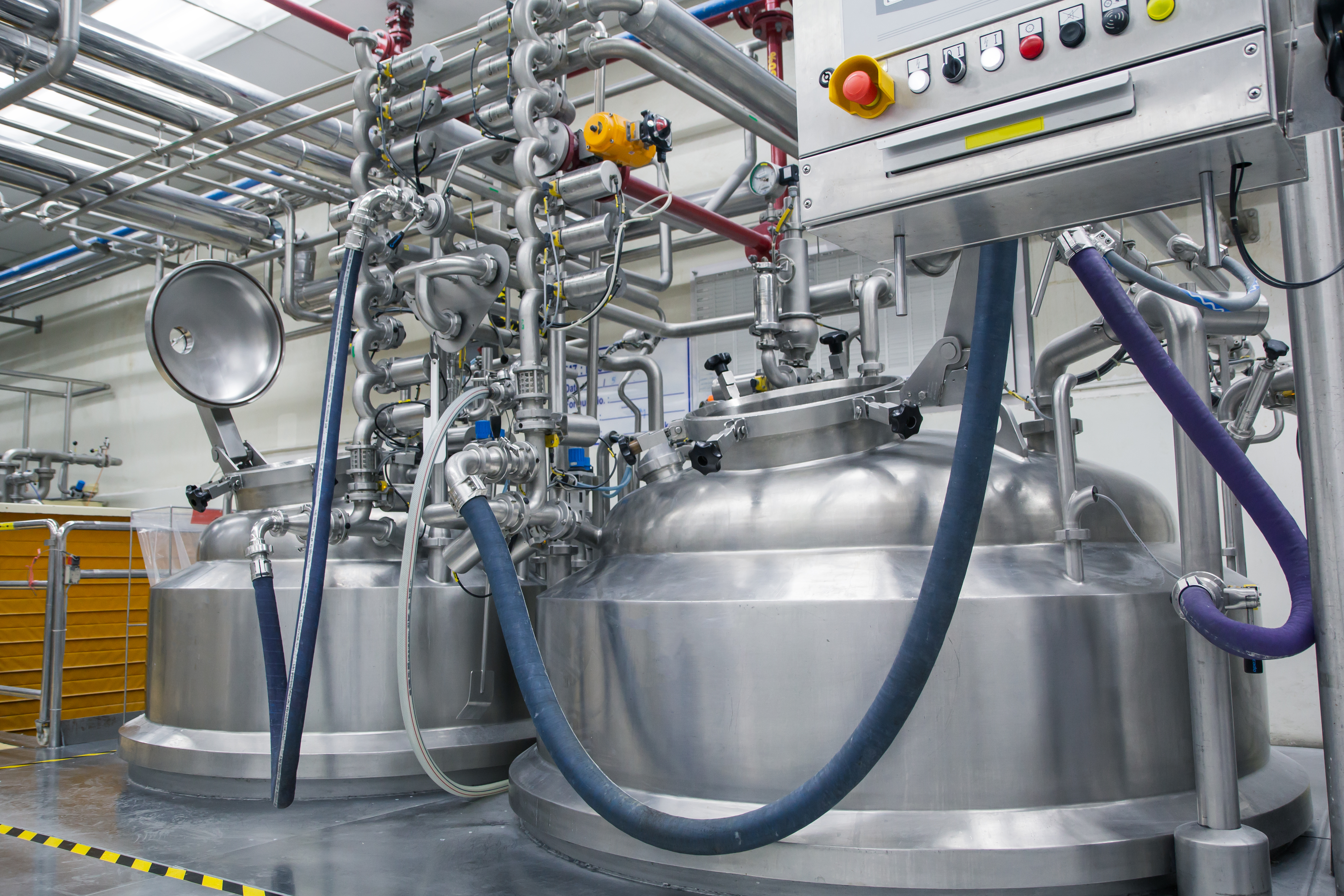
Key Highlights
- Composition and Mechanism: Hydrophobic active ingredients, mineral oil, non-ionic emulsifiers, and silicone work together to reduce and prevent foam.
- Industrial Applications: Designed for low-temperature processes and water-based systems in industries like sugar beet processing, coatings, inks, and more.
- Environmental Considerations: Contains no APEO or VOC, making it a more environmentally favorable defoaming solution compared to some alternatives.
Introduction to Defoamers
Defoamers and antifoaming agents are essential chemical additives employed in a variety of industrial processes to control foam formation and eliminate existing foam. Although the terms "defoamer" and "antifoam" are sometimes used interchangeably, they have specific functions: defoamers are designed to eliminate foam once it has formed, while antifoams are used to prevent foam development entirely.
Foam can be problematic in numerous processes by reducing efficiency, causing disruptions, compromising product quality, and even damaging equipment. In addressing these challenges, Romis G 250 emerges as a targeted solution engineered for situations where both preventing and reducing foam is crucial, especially in industrial setups using water-based systems.
Composition and Mechanism of Romis G 250
Detailed Formulation
Romis G 250 is an emulsion composed of several active ingredients integrated into a balanced formulation. The primary constituents include:
- Hydrophobic Active Ingredients: These agents disrupt the stability of foam by destabilizing its structure at a microscopic level, leading to the collapse of the foam bubbles.
- Mineral Oil: Serves as a carrier that assists in the retardation of foam formation in water-based solutions. Although effective, it requires careful application in systems where an oil-free solution might be preferable.
- Non-Ionic Emulsifiers: Ensure that the mixture remains stable, helping to uniformly distribute the active ingredients within the emulsion.
- Silicone: Added specifically to enhance defoaming performance, silicone acts by promoting the coalescence of microbubbles, thereby accelerating the foam collapse process.
Mechanism of Action
The defoaming effect of Romis G 250 originates from a multi-phase process:
- Destabilization of Microfoam: The hydrophobic ingredients disrupt the stabilizing films of the bubble walls, weakening the foam structure.
- Migration and Coalescence: Once the microfoam is destabilized, the silicone component enhances the movement of bubble clusters to larger aggregates where they coalesce and collapse.
- Surface Transfer: The formation of larger droplets or clusters facilitates their migration to the liquid surface where they merge and are easier to remove or break down.
This comprehensive action underlies the suitability of Romis G 250 in industrial processes that rely on precision and consistency in liquid formulations.
Industrial Applications and Use Cases
Low-Temperature Processes
One of the significant applications of Romis G 250 is in low-temperature processes. Particularly, it is well-suited for processes such as the transportation and washing stages of sugar beets. Low temperatures can exacerbate foaming issues in many industrial processes, and the efficient breakdown of foam under these conditions is critical to maintaining operational standards and ensuring product quality.
Water-based Systems
Romis G 250 is compatible with a wide range of water-based systems. It is commonly used in:
- Cooling Lubricants: To maintain system efficiency and prevent disruptive foam formation in cooling circuits.
- Coatings and Inks Production: To ensure smooth application and finish by preventing defects caused by foam entrainment.
- Detergents and Cleaning Solutions: It is utilized in formulations such as floor washing and automatic dishwashing, where foaming can interfere with the cleaning process.
- Textile Dyeing and Chemical Processing: Provides uniformity and ensures consistent product quality in processes where foam can cause issues with color mixing and material consistency.
Additional Industrial Uses
Beyond the highlighted applications, Romis G 250 can be integrated into other experiments and formations where foam control is imperative. In paint production, for example, achieving a homogeneous mixture during the blending process is facilitated by the use of defoaming agents such as Romis G 250, ensuring a consistent quality in the final product.
Environmental and Safety Considerations
Eco-friendly Attributes
Among the benefits of Romis G 250 is its relatively environmentally friendly profile. Unlike some alternatives that contain APEO (alkylphenol ethoxylates) and volatile organic compounds (VOCs), Romis G 250 is formulated without these substances. This absence contributes to a lower environmental impact, mitigating concerns related to toxicity and bioaccumulation.
The reduced reliance on APEO derivatives helps manufacturers achieve more sustainable operations while still obtaining the required defoaming efficiency. The formulation has been particularly refined for applications where environmental regulations are strict or where sustainability is a critical operational directive.
Health and Safety During Use
While the product is designed for safe industrial use, it is essential for users to adhere to proper handling guidelines. As with many chemical additives:
- Users should consult the Safety Data Sheet (SDS) provided by the manufacturer to understand hazard classifications, recommended handling procedures, and spill response actions.
- Care should be taken when adding the defoamer to ensure its concentration is maintained within optimal ranges (commonly 0.01-0.02% by volume) to avoid overdosage, which may lead to suboptimal results or adverse interactions with other system components.
- Using personal protective equipment (PPE) ensures safe handling, particularly in industrial environments where chemical exposure is a potential risk.
Comparative Analysis with Other Defoamers
Advantages and Trade-Offs
When comparing Romis G 250 with other defoamers, several points of differentiation emerge:
- Silicone Enhancement: The inclusion of silicone in Romis G 250 gives it a superior ability to destabilize foam, making it especially effective in conditions where rapid foam collapse is required. However, this property might not be suitable in systems where silicone contamination is undesirable.
- Mineral Oil Content: The use of mineral oil contributes to its efficiency but may present challenges in processes that demand oil-free additives, underscoring the importance of either adjusting the formulation or opting for alternatives in such cases.
- Environmental Considerations: Its APEO and VOC-free formulation is a significant advantage from an environmental responsibility standpoint, compared to some conventional defoamers that include these compounds.
Tabular Overview
| Feature | Romis G 250 | Other Defoamers |
|---|---|---|
| Primary Function | Eliminates existing foam and prevents further foaming | May primarily prevent or delay foam formation |
| Key Ingredients | Hydrophobic actives, mineral oil, non-ionic emulsifiers, silicone | Typically silicone-based or non-silicone, may include other oil derivatives |
| Temperature Use | Optimized for low temperature and water-based systems | Varies; not all are suited for low-temperature processes |
| Environmental Impact | APEO and VOC free | Depends on the formulation; not all are environmentally friendly |
Application Guidelines and Best Practices
Dosage and Integration
Effective incorporation of Romis G 250 into an industrial process requires careful attention to dosage and mixing protocols. Generally, the defoamer is added in very low concentrations, around 0.01-0.02% by volume of the overall process stream. This small amount is sufficient to achieve dramatic improvements in foam control without adversely affecting the physical characteristics of the product.
The recommended practice involves:
- Conducting preliminary testing to ascertain the optimal concentration suited for the specific application and process conditions.
- Ensuring thorough mixing so that the active ingredients distribute evenly throughout the medium.
- Monitoring the process continuously to verify that foam control is maintained, and making adjustments if necessary.
Compatibility Considerations
Given its formulation, Romis G 250 is remarkably compatible with various water-based systems. Nonetheless, it is essential for operators to:
- Check for any chemical interactions with other additives present in the system, particularly in complex industrial formulations.
- Evaluate the impact of mineral oil residues, especially in high-purity applications where oil-free conditions are critical.
- Examine the operating temperature range to ensure that the product’s performance is not compromised in low-temperature conditions.
Case Studies and Industrial Performance
Real-World Applications
Romis G 250 has been successfully deployed in several industrial settings where foam control plays a crucial role. For instance, in the sugar beet processing industry, the product is used during the cooling and washing stages, ensuring that foam does not interfere with the efficiency of the washing process or the quality of the final product.
Additionally, in the coating and pigments industry, the rapid defoaming action of Romis G 250 assists in achieving a smooth and uniform finish. By minimizing foam, manufacturers can ensure that coatings are applied with consistency, enhancing both the aesthetic and functional properties of the final product.
Process Integration Example
Consider a scenario where an industrial process involves the production of water-based inks. Foam formation during mixing can lead to air entrapment, resulting in inconsistencies in the final ink texture. By incorporating Romis G 250 at the appropriate stage, the defoamer coalesces and collapses the foam rapidly, thus ensuring a homogenous and high-quality product.
Technical Data and Handling Information
Handling and Storage
While Romis G 250 is engineered for robustness in use, proper handling and storage practices must be observed. Manufacturers and operators are advised to:
- Consult the comprehensive Safety Data Sheet (SDS) provided with the product for details on handling, storage, and emergency measures.
- Use appropriate personal protective equipment (PPE) during handling to avoid contact with concentrated chemicals.
- Store the defoamer in a cool and dry environment away from direct sunlight to maintain its integrity and prolong shelf-life.
Regulatory Compliance
Romis G 250 adheres to several regulatory standards, and its formulation intentionally excludes compounds that might otherwise negatively impact the environment. Its compliance with regulations regarding VOCs and APEOs makes it an attractive option for industries that are committed to environmental stewardship.
Manufacturers can also compare Romis G 250 with alternative products and their certifications, ensuring that the right defoamer is selected to meet both process requirements and regulatory demands.
Summary of Key Information
Overview Table
| Aspect | Details |
|---|---|
| Primary Function | Elimination of existing foam and prevention of new foam formation |
| Main Components | Hydrophobic active ingredients, mineral oil, non-ionic emulsifiers, silicone |
| Optimal Application | Low-temperature processes, water-based systems, coatings, inks, detergents, sugar beet processing |
| Environmental Impact | No APEO or VOCs, supporting eco-friendly processing |
| Handling Guidelines | Use PPE, follow SDS, maintain optimal concentration (0.01-0.02% by volume) |
References
- Romis - Rowis System
- Antifoam Emulsion - Lerochem
- Defoamer - Wikipedia
- ROMIS Technical Data Sheet - Rowis
- What are Defoamers and Antifoam Agents? - Eric W. Chemistry
Recommended Further Queries

Last updated March 13, 2025