
Effect of Deforestation on Mining
A comprehensive analysis of the multifaceted relationship between forest loss and mining operations
Key Takeaways
- Increased Operational Access: Deforestation clears land for mining operations, facilitating easier access to mineral deposits and infrastructure development.
- Environmental and Hydrological Disruptions: Removing forest cover intensifies risks such as soil erosion, altered water cycles, and increased sedimentation that impact mining infrastructure.
- Indirect Socio-Economic Impacts: The interplay of deforestation and mining leads to secondary developments, regulatory implications, and community conflicts that can exacerbate environmental degradation.
Introduction
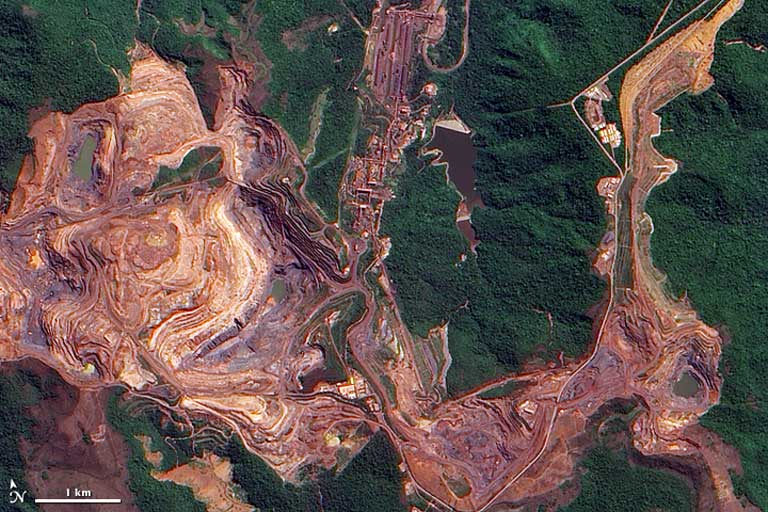
The relationship between deforestation and mining is intricate and multi-directional. Deforestation, whether undertaken to clear areas for mining or as an unintended consequence of other land uses, significantly influences mining operations on several levels. Mining operations benefit from deforestation in the short term by accessing previously inaccessible mineral deposits and establishing necessary infrastructure, yet the long-term impacts can be detrimental. The removal of forest cover introduces environmental challenges such as soil instability, hydrological changes, and increased vulnerability to landslides that affect mining facilities. Additionally, deforestation can trigger regulatory scrutiny and community unrest, fundamentally altering the socio-economic landscape in which mines operate.
Direct and Indirect Interactions
Direct Impacts on Mining Operations
Facilitating Access and Infrastructure Development
One of the primary effects of deforestation on mining is the clear enabling of infrastructure development. The removal of trees and vegetation creates an environment conducive to:
- Establishment of excavation pits and mining zones
- Construction of access roads
- Development of worker settlements and associated service areas
In regions with dense vegetation, deforestation accelerates the extraction process by reducing the physical barriers that hinder both exploration and resource extraction. The clear-cutting of forests makes it easier to identify and access mineral-rich deposits beneath the surface.
Infrastructure Challenges
While deforestation might enable rapid infrastructure deployment, it simultaneously introduces structural challenges. The act of clearing forests, particularly in hilly or uncertain terrains, can result in:
- Increased soil erosion due to the removal of the protective forest cover
- Formation of unstable ground which jeopardizes the structural integrity of mining installations
- Higher risks of landslides, particularly around open-pit and slope-intensive mining operations
Indirect Impacts Stemming from Deforestation
Hydrological Repercussions
Forest ecosystems play a vital role in regulating water cycles by absorbing rainfall and mitigating surface runoff. When forests are cleared, the natural balance is disrupted, leading to several hydrological issues:
- Altered Water Flow: Deforestation increases the volume and velocity of surface runoff which may result in flash flooding. Such changes can affect both the stability of mine waste containment facilities and the overall safety of mining operations.
- Increased Sedimentation: Enhanced runoff speed and volume lead to higher sediment deposition in nearby rivers. These sediments may carry heavy metals or other pollutants, posing significant environmental and operational challenges.
Soil and Structural Degradation
Beyond hydrological disruptions, deforestation results in a pronounced weakening of soil integrity. Forest roots help bind the soil together; their removal significantly magnifies the risks of:
- Accelerated soil erosion
- Increased likelihood of landslides, especially during heavy rainfall
- Impact on the load-bearing capacity of the ground, which is essential for supporting heavy mining infrastructure
Ecological and Regulatory Implications
Another crucial indirect impact arises from the regulatory environment. Environmental regulations in many regions are becoming more stringent as governments and international agencies recognize the far-reaching consequences of deforestation. Mining companies face:
- Increased requirements for environmental impact assessments
- Obligations to mitigate ecological damage, which can increase operational costs
- Heightened scrutiny from local communities, environmental NGOs, and regulatory bodies, potentially delaying project approvals
Global and Socio-Economic Influences
Scale and Scope of the Impact
Industrial mining is a global enterprise and frequently takes place in areas with intense deforestation, especially in tropical regions. In these localities, the deforestation process is often directly linked to mining activities, both as a precursor and as an outcome. The global mining industry is continuously expanding to meet the rising demand for metals and minerals, often resulting in:
- Enhanced environmental degradation on a larger scale
- Complex indirect impacts that extend well beyond the immediate mining footprint
- Further loss of biodiversity due to habitat destruction, thereby compromising the ecological balance
Socio-Economic Dimensions and Community Dynamics
Beyond environmental concerns, deforestation and mining together impart profound changes on local communities. As mining operations expand:
- There is an influx of migrant workers and settlers, which increases local demands for land and services.
- Local economies transform as traditional parallels with agriculture and ecotourism give way to mining-centric commerce, sometimes leading to conflicts over resource use.
- Misshapen social dynamics may develop, with environmental degradation affecting community livelihoods and triggering protests and legal disputes.
These socio-economic dynamics reinforce the challenges faced by regulatory bodies in balancing economic growth with sustainable environmental management, often calling for stringent checks and remediation measures.
Analyzing the Synergistic Effects of Deforestation and Mining
Direct vs. Indirect Impact Overview
To better understand the complexities, we can divide the impacts of deforestation on mining into distinct categories:
| Category | Direct Effects | Indirect Effects |
|---|---|---|
| Operational Aspects |
|
|
| Environmental Dynamics |
|
|
| Regulatory and Community Impact |
|
|
Interpreting the Environmental Paradox
The dual role of deforestation in mining projects presents a paradox. On one hand, the clearing of forests helps reveal and access mineral deposits, offering a short-term benefit by streamlining operational logistics. On the other hand, the ecological damage incurred by forest removal—manifested through degraded soil, altered water cycles, and habitat loss—sets the stage for longer-term challenges. These include increased remediation costs, infrastructure instability, and the need for more robust environmental management strategies.
The Ripple Effects on Global Climate and Resources
Deforestation in mining-dense regions triggers multiple cascading impacts on global environmental processes. The disruption of forest ecosystems contributes significantly to carbon emissions, not solely because of tree loss but also due to soil degradation that further releases carbon stored in the biomass. When deforestation activities are combined with intensive mining, the cumulative loss of carbon-absorbing biomass accelerates climate change. Moreover, the diminished capacity to filter and regulate water within these regions can lead to widespread ecological imbalance, affecting global biodiversity.
Mitigation Strategies and Future Outlook
Policy Response and Environmental Regulation
Enhanced Impact Assessments
Recognizing the interconnected nature of deforestation and mining, policymakers across the globe have started to demand more comprehensive environmental impact assessments. Such assessments are designed to consider both direct and indirect effects on the ecosystem, ensuring that all potential environmental destructions are accounted for before large-scale mining projects are approved. These evaluations often include:
- Detailed analysis of soil and water quality impacts
- Evaluation of long-term biodiversity losses
- Modeling of potential sedimentation and flooding risks
Reclamation and Restoration Techniques
In parallel with regulatory measures, modern mining operations are increasingly adopting reclamation and restoration strategies aimed at mitigating the negative impacts of deforestation. These strategies include:
- Reforestation projects to restore degraded lands
- Soil stabilization and erosion control techniques
- Water management and recycling systems to maintain natural hydrological cycles
While these measures cannot entirely reverse the damage from deforestation, they help to reduce some of the environmental risks and promote a more sustainable approach to mining.
Technological Innovations
Technological advancements are increasingly being integrated into the mining sector to monitor and mitigate the impacts of deforestation. Innovations include satellite monitoring systems that track changes in forest cover, drones for inspecting infrastructure post-deforestation, and advanced modeling tools used to predict potential environmental hazards. These technologies enable mining companies to proactively manage risks, adjust operational strategies, and ensure compliance with environmental standards.
Community Engagement and Social Licensing
A critical aspect of sustainable mining practices involves engaging local communities who are directly affected by deforestation. Establishing a social license to operate is becoming as important as obtaining government permits. Mining enterprises are increasingly adopting community outreach programs that focus on:
- Transparent communication regarding environmental impacts
- Co-developing local infrastructure, healthcare, and education initiatives
- Implementing local economic opportunities that offset the disruptive effects of deforestation
Such engagement helps in mitigating social unrest and provides a platform for cultural and environmental dialogue, ultimately leading to more responsible and community-friendly mining practices.
Case Studies and Regional Perspectives
Tropical Regions: The Amazon and the Congo Basin
In tropical regions, the consequences of deforestation on mining are particularly pronounced due to the unique ecological roles these forests play. In the Amazon and Congo Basin, mining-related deforestation is not only about clearing land but also about the indirect impacts of community expansion, infrastructure development, and heightened regulatory pressures. The following points summarize the experience from these areas:
- Large-scale deforestation facilitates easier access to remote mineral deposits.
- The loss of vast tracts of forest land leads to erratic water flows and increased sedimentation in rivers, complicating mining operations.
- Intensified local scrutiny has led to stricter environmental regulations, thereby affecting the pace at which mining projects can proceed.
- Community displacement and environmental conflicts are frequent in regions where mining and deforestation intersect, with local residents often losing both livelihoods and cultural heritage.
Emerging Economies
In countries with emerging economies, the interplay between deforestation and mining presents compounded challenges. Often, the drive for rapid economic growth in these nations results in less rigorous environmental oversight. As mining operations expand:
- Deforestation is used as an expedient method to clear land rapidly, sometimes without adequate environmental evaluation.
- There is a higher propensity for indirect deforestation as related sectors like agriculture and urban expansion also encroach on natural forests.
- Environmental degradation prompts increased international pressure and internal policy reforms, leading to potential operational delays and increased remediation costs.
Integrative Analysis: Balancing Economic Growth and Ecological Sustainability
The Economic Imperative vs. Environmental Responsibility
Economic growth driven by mining is undeniably significant, particularly for nations that rely heavily on mining revenue. However, this growth often comes at the expense of ecological stability. The risky balance between tapping into natural resources and ensuring environmental sustainability requires:
- Investment in technology and infrastructure that minimizes long-term ecological damage.
- Comprehensive environmental policies that incorporate both direct and indirect effects of deforestation.
- Collaborative efforts between governments, communities, and mining companies to ensure that economic benefits do not undermine ecological health.
Sustainable practices must integrate mechanisms for continuous environmental monitoring, community engagement, and adaptive operational strategies which collectively ensure that growth in the mining sector does not hinder broader environmental objectives.
Long-Term Strategies for a Sustainable Future
Cross-Sector Collaboration
A holistic approach to mitigating the negative effects of deforestation on mining involves collaboration across various sectors. Government agencies, environmental organizations, mining firms, and affected communities must form partnerships to exchange data, disseminate best practices, and jointly fund reclamation projects. Such cross-sector collaboration can lead to:
- Integrated monitoring systems to track environmental changes in real time.
- Multi-stakeholder frameworks for rapid response to emerging risks.
- Cohesive long-term strategies blending economic objectives with sustainable land management practices.
Investment in Green Technologies
The adoption of green technologies offers promising routes to reduce the environmental footprint of mining activities. Investment in renewable energy, water recycling technologies, and advanced soil stabilization methods can mitigate some of the environmental disruptions caused by deforestation. These technologies not only lower the environmental risks but also enhance the operational efficiency and safety of mining projects.
Conclusion
In summary, the impact of deforestation on mining is a complex issue involving both immediate operational advantages and long-term ecological, hydrological, and socio-economic challenges. While deforestation facilitates easier access to mineral deposits and accelerates infrastructure development, it concurrently triggers environmental degradation that can compromise the stability of mining operations. The alteration of natural water flows, soil instability, and subsequent infrastructure challenges necessitate comprehensive planning, robust environmental assessments, and community engagement. As the mining industry continues to evolve under increased global demand, a balanced approach that integrates technological innovation, stringent regulatory frameworks, and sustainable operational practices will be crucial. Such an approach aims to reconcile economic growth with the health of our ecosystems, ensuring that mining contributes positively while mitigating adverse environmental impacts.
References
- Deforestation from Mining: A Global Carbon Emissions Threat - AZoCleantech
- Mining Impacts Affecting Global Forest Ecosystems - WWF
- Mining Activity and Amazon Deforestation - Mongabay
- Mining-Related Deforestation Insights - Mongabay
- Mining in the Congo Rainforest Impact - CIFOR
-
Assessment of Mining on Forest Loss - ScienceDirect
- Deforestation Caused by Mining - MiningInDeforestation
- Mining's Impacts on Forests - Chatham House
- Pantropical Assessment of Mining-Related Deforestation - PNAS
- Mining-Related Deforestation and Global Impact - Climate Diplomacy
More Related Queries
Last updated February 19, 2025