
Igniting Change: DEI Topics for Latin Groups
Empowering Latin Communities Through Diversity, Equity, and Inclusion Initiatives
Key Highlights:
- Cultural Heritage Celebrations: Embrace the richness of Latin cultures through events, workshops, and educational initiatives.
- Inclusive Workplace Practices: Advocate for equitable opportunities, address systemic barriers, and promote inclusive leadership.
- Community Engagement and Advocacy: Partner with local organizations, support Latin-owned businesses, and amplify Latin voices in broader DEI conversations.
Understanding the Core of DEI for Latin Groups
Diversity, Equity, and Inclusion (DEI) initiatives are crucial for fostering environments where Latin individuals feel valued, respected, and empowered. These initiatives aim to address historical and systemic inequalities, ensuring equitable opportunities and outcomes for all members of the Latin community. DEI efforts within Latin groups involve celebrating cultural heritage, promoting inclusive practices, and advocating for policies that support Latin advancement.
Why DEI Matters in Latin Communities
DEI is not merely a set of policies; it's a commitment to creating spaces where Latin individuals can thrive without facing discrimination or bias. By focusing on DEI, Latin groups can:
- Promote a sense of belonging: Creating environments where Latin individuals feel welcomed and valued for their unique contributions.
- Enhance representation: Increasing the visibility and representation of Latin individuals in leadership positions and decision-making roles.
- Address systemic barriers: Identifying and dismantling policies and practices that perpetuate inequality.
- Foster innovation and creativity: Encouraging diverse perspectives and ideas, leading to more innovative solutions and outcomes.
Essential Topics for Latin DEI Groups
To effectively advance DEI within Latin communities, several key topics should be prioritized. These topics provide a framework for discussion, action, and sustainable change.
Cultural Heritage and Awareness
Celebrating and promoting Latin cultural heritage is fundamental to DEI. This includes:
- Hispanic Heritage Month Activities: Organizing events, workshops, and educational sessions to celebrate the diverse cultures and contributions of Latin countries.
- Virtual Potlucks: Hosting virtual potlucks where team members share traditional Latin dishes and stories behind them.
- Language Learning: Encouraging team members to learn Spanish or other Latin languages to foster cross-cultural communication and understanding.
- Book Clubs: Starting book clubs that focus on Latin literature and history to deepen cultural awareness.
Inclusive Workplace Practices
Creating an inclusive workplace requires addressing systemic barriers and promoting equitable opportunities. Key areas include:
- Equitable Hiring and Promotion: Implementing fair and transparent hiring processes that eliminate bias and promote diversity.
- Mentorship Programs: Establishing mentorship programs to support the professional development and advancement of Latin employees.
- Inclusive Leadership Training: Providing training for leaders on how to create and maintain inclusive teams.
- Addressing Microaggressions: Educating employees on microaggressions and their impact, and establishing clear protocols for reporting and addressing them.
Community Engagement and Advocacy
Engaging with the broader community and advocating for policies that support Latin advancement is crucial. This involves:
- Partnerships with Local Organizations: Collaborating with Latin community organizations to support their initiatives and programs.
- Supporting Latin-Owned Businesses: Promoting and patronizing Latin-owned businesses to support economic empowerment.
- Advocacy for Policy Change: Advocating for policies that address systemic inequalities and promote Latin advancement in education, healthcare, and other areas.
- Amplifying Latin Voices: Providing platforms for Latin individuals to share their stories and perspectives.
Education and Awareness Campaigns
Raising awareness about DEI issues and educating employees on Latin history, culture, and contributions is essential. This can be achieved through:
- Workshops and Training Sessions: Conducting workshops on topics such as cultural sensitivity, unconscious bias, and inclusive communication.
- Guest Speakers: Inviting Latin leaders and experts to share their insights and experiences.
- Educational Materials: Providing resources such as articles, books, and documentaries on Latin history and culture.
- DEI Newsletter: Creating a newsletter to share DEI updates, resources, and success stories.
Strategies for Effective DEI Initiatives
Implementing effective DEI initiatives requires a strategic and comprehensive approach. Here are some key strategies:
Data Collection and Analysis
Collecting and analyzing data on diversity and inclusion metrics is crucial for identifying areas for improvement and measuring the impact of DEI initiatives. This includes:
- Demographic Data: Collecting data on the representation of Latin individuals across different roles and levels within the organization.
- Employee Surveys: Conducting surveys to assess employee perceptions of inclusion and belonging.
- Exit Interviews: Gathering feedback from departing employees to understand their experiences and identify areas for improvement.
Employee Resource Groups (ERGs)
Employee Resource Groups (ERGs) play a vital role in promoting DEI by providing a platform for Latin employees to connect, share experiences, and advocate for change. Key activities for Latin ERGs include:
- Networking Events: Organizing networking events to foster connections and build community among Latin employees.
- Mentoring Programs: Establishing mentoring programs to support the professional development of Latin employees.
- Cultural Celebrations: Hosting events to celebrate Latin cultural heritage and raise awareness among non-Latin employees.
- Advocacy Initiatives: Advocating for policies and practices that support Latin advancement within the organization.
Leadership Commitment and Accountability
DEI initiatives must be driven by leadership commitment and accountability. This includes:
- Setting DEI Goals: Establishing clear and measurable DEI goals for the organization.
- Allocating Resources: Providing adequate resources to support DEI initiatives.
- Holding Leaders Accountable: Evaluating leaders on their contributions to DEI and holding them accountable for achieving DEI goals.
- Regular Reporting: Reporting regularly on DEI progress to stakeholders.
DEI Topics for Latin Groups: Detailed Table
This table provides a structured overview of potential DEI topics for Latin groups, outlining key areas of focus, example activities, and expected outcomes.
| Area of Focus | Example Activities | Expected Outcomes |
|---|---|---|
| Cultural Heritage |
|
Increased cultural awareness, stronger sense of community, improved cross-cultural communication. |
| Inclusive Workplace |
|
Fairer opportunities, enhanced professional development, more inclusive leadership. |
| Community Engagement |
|
Stronger community ties, economic empowerment, policy advancements. |
| Education and Awareness |
|
Greater understanding of DEI issues, reduced bias, increased allyship. |
| Employee Resource Groups |
|
Stronger employee connections, enhanced professional growth, inclusive workplace culture. |
The Role of Employee Resource Groups
Employee Resource Groups (ERGs) are pivotal in fostering DEI within organizations, particularly for specific communities like the Latin population. These groups serve as hubs for employees to connect, share experiences, and advocate for inclusive practices.
Key Functions of Latin ERGs
- Community Building: ERGs create a sense of belonging by offering a space for Latin employees to connect with others who share similar backgrounds and experiences.
- Professional Development: They provide opportunities for skill-building, mentorship, and career advancement through workshops, training sessions, and networking events.
- Cultural Advocacy: ERGs play a crucial role in raising awareness about Latin culture and traditions within the organization, promoting understanding and appreciation.
- Policy Influence: ERGs can advocate for DEI policies and practices that support Latin employees, ensuring equitable treatment and opportunities.
Visualizing Latin Culture: Art, Celebrations, and Community
Images speak volumes when it comes to representing the vibrant culture and community spirit of Latin groups. From colorful celebrations to artistic expressions, visuals can powerfully convey the essence of DEI in action.

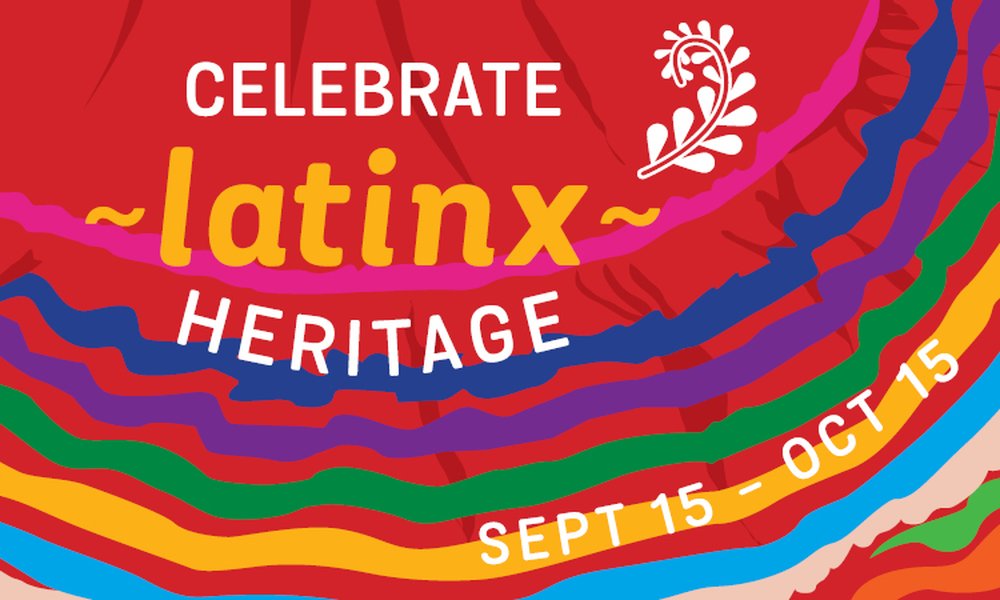
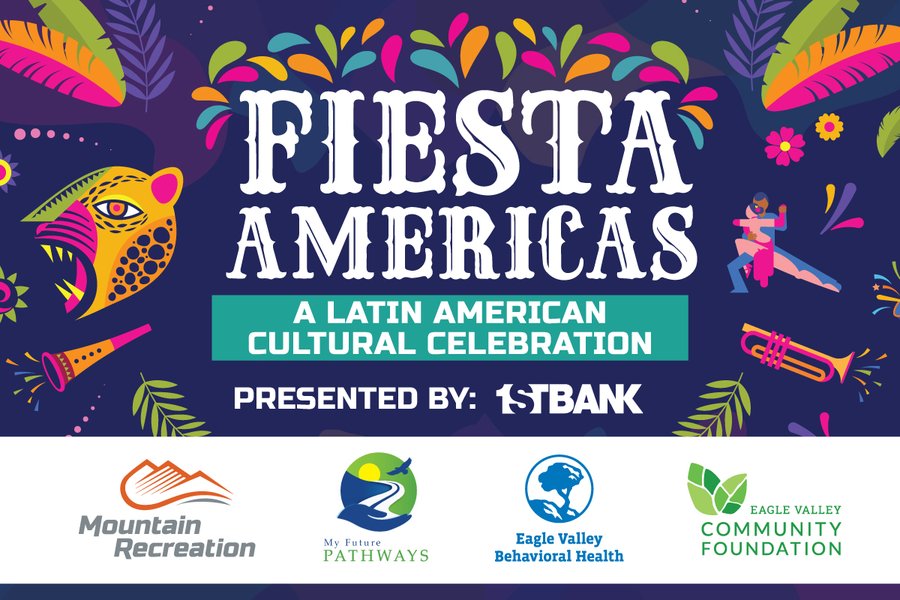
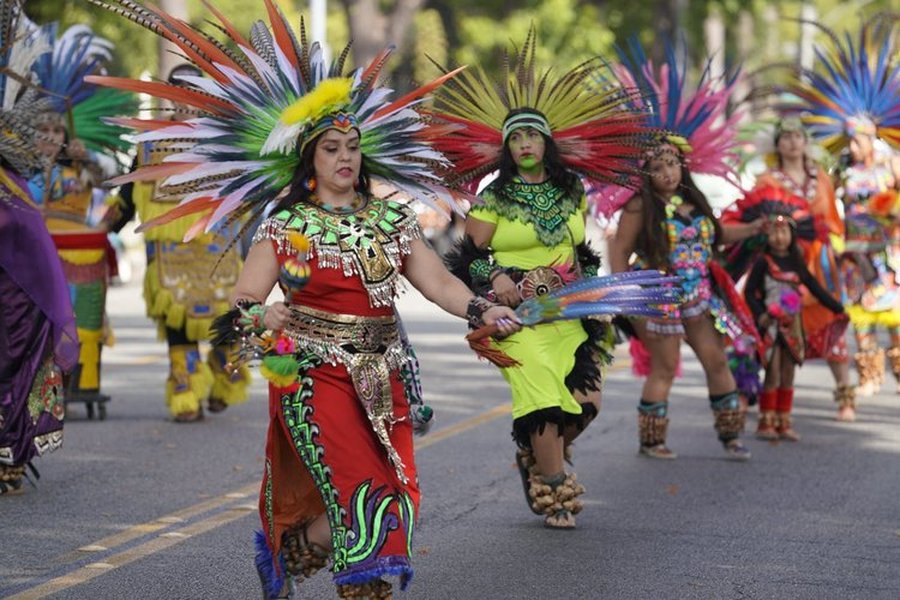
These images capture the essence of Latin heritage through various cultural events and activities. They illustrate the importance of community, art, and celebration in promoting diversity, equity, and inclusion. Visual representation helps to convey the richness and vibrancy of Latin culture, fostering understanding and appreciation among diverse audiences. These images demonstrate how DEI initiatives can be brought to life through engaging and inclusive events that highlight the unique contributions of the Latin community.
Addressing Challenges and Controversies
DEI initiatives are not without their challenges and controversies. Some common obstacles include:
- Resistance to Change: Some individuals may resist DEI efforts due to fear of change or discomfort with addressing issues of inequality.
- Lack of Understanding: Some employees may not fully understand the importance of DEI or how it benefits the organization.
- Political Backlash: DEI initiatives have faced political backlash in some areas, leading to bans on DEI programs in certain contexts.
To address these challenges, it's important to:
-
Communicate the Value of DEI: Clearly articulate the business case for DEI and how it benefits all employees.
-
Provide Education and Training: Offer training to help employees understand DEI concepts and develop skills for inclusive communication and collaboration.
-
Address Concerns and Misconceptions: Engage in open and honest conversations to address concerns and misconceptions about DEI.
-
Stay Informed: Stay informed about current events and political developments related to DEI and adapt strategies as needed.
DEI and the "Latino Freeze" Movement
The "Latino Freeze" movement emerged as a response to companies rolling back DEI programs. This movement calls for Latinos to boycott retailers who have dismantled their diversity, equity, and inclusion initiatives, highlighting the community's commitment to holding companies accountable for their DEI efforts.
This video provides context on the "Latino Freeze" movement, where organizers discuss their reasons for boycotting companies that have dropped their DEI programs. It underscores the importance of DEI initiatives for the Latino community and demonstrates the potential impact of collective action in advocating for equitable practices. The movement reflects a growing awareness among Latinos of the importance of DEI and a willingness to take action to ensure that companies uphold these values.
FAQ
What is DEI and why is it important for Latin groups?
DEI stands for Diversity, Equity, and Inclusion. It's important for Latin groups because it ensures that Latin individuals are valued, respected, and have equal opportunities. DEI initiatives address historical and systemic inequalities, fostering environments where Latin individuals can thrive without discrimination.
How can organizations celebrate Hispanic Heritage Month effectively?
Organizations can celebrate Hispanic Heritage Month by hosting cultural events, workshops, and educational sessions. Activities like virtual potlucks, language learning sessions, and book clubs can help to raise awareness and promote cultural understanding.
What are Employee Resource Groups (ERGs) and how do they support DEI?
Employee Resource Groups (ERGs) are groups of employees who share common characteristics or backgrounds. Latin ERGs provide a platform for Latin employees to connect, share experiences, and advocate for inclusive practices. They play a key role in community building, professional development, and cultural advocacy.
What are some challenges in implementing DEI initiatives?
Some challenges include resistance to change, lack of understanding, and political backlash. To address these challenges, it's important to communicate the value of DEI, provide education and training, and engage in open and honest conversations.
How can organizations ensure equitable hiring and promotion practices?
Organizations can ensure equitable hiring and promotion practices by implementing fair and transparent processes that eliminate bias. This includes using structured interviews, diverse hiring panels, and clear criteria for evaluation.
References
Last updated April 11, 2025