
Exploring the Spectrum: Deity Worship and Devotion
Understanding distinct relationships with the divine in ritual and heartfelt expressions
Key Takeaways
- Ritual vs. Sentiment: Worship emphasizes structured, ritualistic expression, while devotion centers on personal, emotional engagement.
- One-Sided vs. Reciprocal: Worship often manifests as a one-sided act of reverence, whereas devotion suggests a mutual, enduring relationship.
- Temporal vs. Lifelong: Worship can be a temporary or event-based practice, in contrast to devotion, which tends to represent a continuous, life-long commitment.
Deity Worship
Overview of Worship
Deity worship is primarily understood as a formal, ritualistic engagement with a divine entity. The act is characterized by a structured display of reverence, adoration, adulation, and thanksgiving. Often, individuals or communities participate in organized ceremonies such as church services, temple rituals, or communal prayers where the focus is on showing respect to the deity. Worship typically involves physical expressions like chanting, singing hymns, performing rituals, or making offerings, and serves to honor the supreme qualities of the divine.
Characteristics of Worship
Formal Structure
Worship is marked by its adherence to specific ceremonies that have been passed down through religious traditions. These ceremonies are often publicly observed and serve to unify communities through a shared demonstration of reverence.
Symbolic and Ritualistic Expression
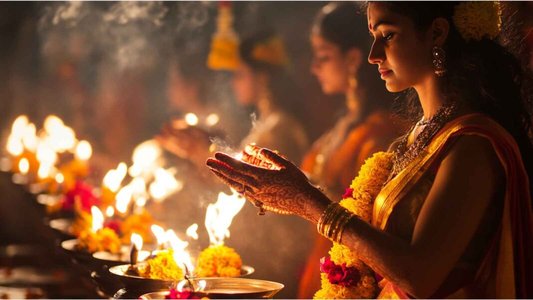
The practice may include recitations of prayers, structured liturgies, and symbolic acts like burning incense or lighting candles, which reinforce the presence and sacredness of the deity. Rituals are designed to celebrate divine attributes, request blessings, or offer thanks.
Hierarchical Relationship
In worship, the relationship between the devotee and the deity is often hierarchical. The worshipper acknowledges the supremacy of the divine, cultivating a sense of awe and submission. The act of worship is directed outwardly, expressing reverence, without necessarily expecting a personal reciprocal interaction from the deity.
Intended Outcomes of Worship
The main objectives include seeking blessings, receiving divine guidance, or thanking the deity for favors bestowed upon the worshipper. Often, the worship experience is temporally bound—to specific occasions such as festivals, seasons, or significant life events—highlighting the episodic nature of worship acts.
Deity Devotion
Overview of Devotion
Devotion reflects a deeper, more personal and emotional relationship with the divine. While it shares common ground with worship, it distinguishes itself through its focus on internal sentiments such as love, loyalty, and uninterrupted commitment. Devotion does not always require the formalities or collective rituals of worship; instead, it emphasizes a continuous, heartfelt engagement that nourishes an individual’s spiritual life.
Characteristics of Devotion
Personal Connection
Devotion is primarily an internal process where the devotee forms a yearning for a close, almost familial bond with the deity. The relationship is personal and intimate, allowing for spontaneous expressions of love and commitment outside a rigid framework.
Emotional and Inner Expression
Routine practices such as meditation, personal prayer, journaling spiritual experiences, and daily acts of piety often form the backbone of devotion. These habits help maintain a sustained connection with the divine. Devotees may integrate their devotional practices seamlessly into daily life, making it a continuous experience rather than a periodic event.
Reciprocal Relationship
Unlike worship, which is frequently one-directional—directed solely from the worshipper to the deity—devotion implies an interactive, bilateral relationship. Devotees experience not only the act of giving respect, but also a sense of receiving spiritual guidance, comfort, and a shared sense of care from the divine.
Long-Term Significance of Devotion
Devotion is considered a lifelong commitment that evolves over time. It involves a continual personal connection with the divine that may not always be visible or measurable by communal rituals. This enduring bond is focused more on internal growth and spiritual fulfillment than on fulfilling external obligations.
Comparative Analysis
Structured Comparison Table
| Aspect | Deity Worship | Devotion |
|---|---|---|
| Nature | Formal, ritualistic, ceremonial | Personal, emotional, continuous |
| Method | Structured acts such as prayers, hymns, offerings | Personal practices like meditation, individual rituals, and daily service |
| Relationship | Hierarchical; worshipper offers reverence to a transcendent deity | Reciprocal; emphasizes a sustained, intimate connection with the deity |
| Duration | Often episodic or season-specific (e.g., festivals, events) | Lifelong and continuously nurtured in daily life |
| Intention | To honor, seek blessings, and express gratitude | To cultivate a deep, loving relationship and inner spiritual growth |
| Expressions | External displays such as ceremonies, communal services, and ritual observances | Internal expressions, often private and intimate, like meditation and reflective prayer |
Deep Dive: Interplay and Overlap
Blending Worship and Devotion
While deity worship and devotion are conceptually distinct, they are not mutually exclusive. In practice, one may experience both simultaneously. For example, an individual might participate in a formal worship service (structured act) while also engaging in personal practices outside the service, such as meditating on the deity’s teachings or keeping a devotional journal. The ritual has the external purpose of honoring the divine, whereas the internal practice centers on forging a consistent emotional and spiritual connection.
Functional Roles in Spirituality
Each mode plays a crucial role in one’s spiritual journey. Worship often acts as a gateway or a ritualistic initiation for believers, enabling them to experience the feeling of being part of a larger sacred tradition. It creates a communal sense of identity and reinforces collective beliefs. Devotion, on the other hand, is the personal cultivation of that faith. The depth of one’s devotion is frequently seen as an indicator of spiritual maturity and an individual’s level of commitment.
Cultural and Religious Influences
Across various religious traditions—whether in Hinduism, Christianity, Islam, or indigenous spiritual practices—the expressions of worship and devotion vary widely. In some traditions, worship provides strict guidelines and specific ritualistic acts that are codified within religious scriptures. In others, devotion is celebrated as the art of forming a unique, heartfelt bond with the divine, often allowing more fluidity in its practice.
Practical Implications for the Practitioner
Personal Spiritual Practice
Understanding the differences between deity worship and devotion can help practitioners tailor their spiritual practices to match both their external needs for community and ritual, and their internal needs for personal growth. An individual may incorporate designated moments for formal worship—such as attending services or participating in traditional ceremonies—while also dedicating private time for meditation, reflection, or journaling their personal journey towards deeper spiritual understanding.
Balancing Emotional and Ritualistic Engagements
The blend of worship and devotion offers a holistic approach to spirituality. While rituals offer a structured way of channeling faith and providing measurable markers of spiritual engagement, the continuous inner dialogue characteristic of devotion sustains one’s belief during periods devoid of communal rituals. In practical terms, balancing these elements helps practitioners be both socially connected and internally anchored, allowing room for both transient ceremonies and enduring spiritual commitment.
Modern Adaptations
In today's ever-evolving cultural landscape, many find value in integrating traditional worship with a more modern, individualized approach to devotion. These modern adaptations acknowledge that spirituality is not solely confined to physical gatherings or ritualistic obligations. They instead encourage a flexible practice where formal ceremonies serve as benchmarks of faith while daily, less conspicuous expressions of love and loyalty build the foundation for an intimate relationship with the divine.
Additional Comparative Insights
Understanding Through Anecdotes and Perspectives
Consider the practices in different religious communities: In many South Asian traditions, elaborate temple rituals (worship) are interwoven with personal devotional songs and daily offerings of simple prayers at home. Meanwhile, in several Western religious practices, communal worship services provide moments of shared spiritual celebration, yet individual devotion is expressed in quieter moments of reflection or personal prayer. Such examples underline that the scale and mode of religious expression can vary significantly while still revolving around the central theme of establishing a connection with the divine.
Questions of Identity and Purpose
The dichotomy between worship and devotion often reflects larger questions about the nature of religious identity. Is the purpose to demonstrate respect and seek supernatural intercession through communal rites, or is it to foster a personal, transformative relationship with a higher power? Many spiritual seekers find that answering these questions requires introspection and an evolving understanding of one’s own relationship with the divine. An optimal practice may well involve a dynamic interplay where structured acts of homage coexist with moments of sincere, personal revelation.
References
- Devotion vs. Worship - AskDifference
- Deity Worship, Work, and Devotion - Seven of Suns
- Worship vs. Devotion Discussion - Speaking Tree
- Difference Between Worship and Devotion - Reddit
- Worship vs. Devotion - Quora
Recommended Further Queries
 standardfl.wordpress.com
Last updated March 27, 2025