
Dexit Unpacked: Why Are Corporations Eyeing the Exit Door in Delaware?
An in-depth look at the corporate migration trend, Delaware's legislative response, and the ongoing legal battles shaping the future of US business.
Highlights: The Dexit Phenomenon
- Corporate Exodus Concerns: "Dexit" refers to the growing trend of companies, including high-profile names like Tesla, considering or moving their state of incorporation away from Delaware, challenging its long-held dominance.
- Delaware's Defensive Play (SB 21): In March 2025, Delaware enacted Senate Bill 21, amending its corporate laws to retain businesses, but sparking controversy and accusations of favoring controlling shareholders (the "Billionaires' Bill").
- Ongoing Uncertainty and Legal Battles: The effectiveness of SB 21 is debated, with companies still considering moves to states like Nevada and Texas, and legal challenges questioning the constitutionality of Delaware's reforms.
Decoding Dexit: A Shift in the Corporate Landscape
The term "Dexit" has gained significant traction in the corporate and legal world, primarily referring to the potential or actual exodus of corporations from Delaware, historically the premier state for incorporation in the United States. This phenomenon represents a notable challenge to Delaware's status, driven by a confluence of factors including specific court rulings, evolving corporate governance preferences, and proactive measures by competitor states.
What's Fueling the Migration?
Key Drivers Behind Dexit
Several factors are contributing to the Dexit discussions:
- Legal Environment: Recent decisions from Delaware's influential Court of Chancery and legislative changes have caused unease among some corporations and their controlling shareholders regarding predictability and liability.
- Governance Concerns: Debates persist over the balance Delaware strikes between protecting minority shareholder rights and providing flexibility for corporate boards and controlling stakeholders.
- High-Profile Moves: Actions by prominent companies, notably Elon Musk's decision to reincorporate Tesla in Texas, have amplified the conversation and prompted others to evaluate their options.
- Cost Considerations: While Delaware has long been favored for its robust legal framework, some companies are exploring potentially lower costs or different regulatory environments elsewhere.
- Competition from Other States: States like Nevada and Texas are actively marketing themselves as attractive alternatives, promising favorable business climates and legal structures.
Delaware's Dominance Under Pressure
For decades, Delaware has been the undisputed leader in corporate chartering, attracting a majority of Fortune 500 companies and a significant portion of all publicly traded companies. Its sophisticated corporate law, expert judiciary (particularly the Court of Chancery), and business-friendly environment were key draws. As recently as 2024, Delaware hosted 62% of Russell 3000 companies. However, the Dexit trend, even if currently perceived by some analysts as more of a "trickle" than a "flood," poses a tangible threat to this dominance and the substantial franchise tax revenue it generates for the state.
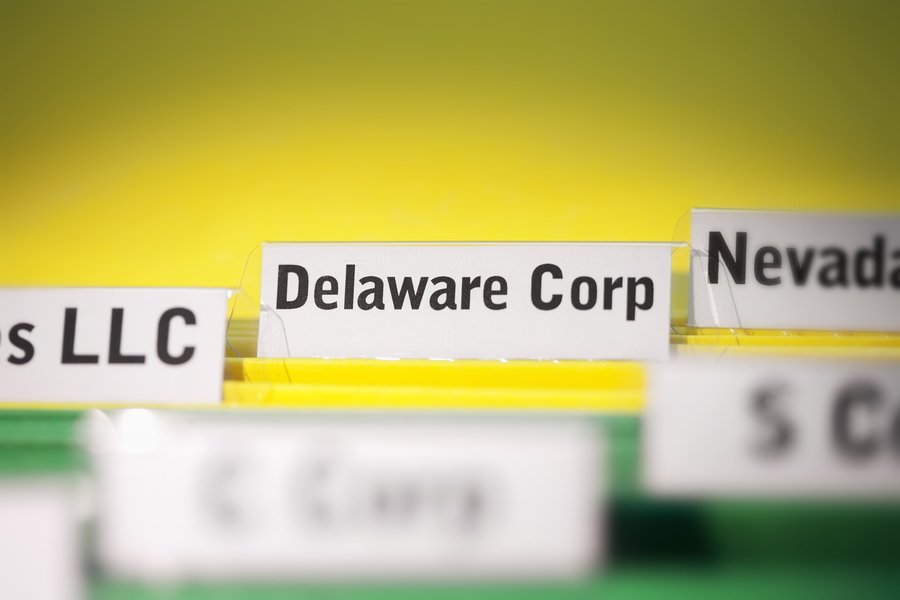
Delaware faces challenges in maintaining its status as the leading corporate domicile.
Delaware Fights Back: The Controversial Senate Bill 21
In direct response to the growing Dexit concerns and the potential loss of significant corporate franchise revenue, the Delaware legislature acted swiftly. In March 2025, Governor Matt Meyer signed Senate Bill 21 (SB 21) into law, introducing significant amendments to the Delaware General Corporation Law (DGCL).
Understanding SB 21's Provisions
Key Amendments to the DGCL
SB 21 aims to restore confidence and predictability for companies incorporated in Delaware. Its key provisions include:
- Modifying the standards for reviewing certain corporate transactions, particularly those involving controlling stockholders.
- Providing clearer pathways and potentially greater protections for decisions made by corporate boards, especially in conflicted scenarios.
- Enhancing protections for founders, controlling stockholders, and directors in specific circumstances.
- Attempting to streamline certain aspects of corporate litigation within the state.
The proponents of SB 21 argue that these changes are necessary adjustments to maintain Delaware's competitive edge and provide the legal clarity businesses seek.
The "Billionaires' Bill" Backlash
Criticism and Debate
Despite its stated goals, SB 21 quickly drew criticism, earning the moniker "Billionaires' Bill." Critics argue that the legislation goes too far in shielding controlling shareholders and corporate insiders from accountability, potentially undermining the rights and protections of minority investors. The debate centers on whether SB 21 appropriately balances the interests of different corporate stakeholders or tilts the scale too heavily in favor of those in control. This controversy highlights the fundamental tensions in corporate governance that Delaware law continuously navigates.

Senate Bill 21, dubbed the "Billionaires' Bill" by critics, has reshaped Delaware's corporate law landscape.
Corporate Chess Moves and Courtroom Clashes
The Dexit narrative is not just theoretical; it's playing out through corporate decisions and ensuing legal challenges.
Companies on the Move (or Considering It)
Several corporations have become central figures in the Dexit discussion:
- Tesla: Reincorporated in Texas following Delaware court decisions unfavorable to Elon Musk's compensation package.
- Dropbox: Announced plans to reincorporate in Nevada, sparking legal challenges from shareholders within Delaware.
- Meta (Facebook): Rumors circulated in early 2025 about a potential move, although no official action has been confirmed.
- Affirm: Reportedly considering a move, contributing to the narrative of Texas as a rising competitor.
- Madison Square Garden Entities: Proposed reincorporation in Nevada, leading to Delaware-based legal scrutiny.
While not all rumored moves materialize, these examples illustrate that corporations are actively weighing their options.
Legal Hurdles and Constitutional Questions
The passage of SB 21 and specific corporate reincorporation plans have triggered litigation. Notably:
- A lawsuit was filed in Delaware's Court of Chancery in April 2025 challenging the constitutionality of SB 21 itself, arguing it improperly shields fiduciaries.
- Shareholders have filed suit challenging Dropbox's planned move to Nevada, questioning the process and rationale.
These legal battles underscore the high stakes involved and the contentious nature of Delaware's legislative response to Dexit.
Gauging the Impact: Dexit's Ripple Effects
Is Dexit a fundamental shift or a temporary blip? The debate continues, with implications for Delaware, competitor states, and the broader U.S. corporate governance framework.
Assessing the Scale: Trickle, Flood, or Something Else?
Empirical Insights and Analysis
Legal scholars and market analysts are actively studying the Dexit phenomenon. Empirical research, such as work by Jens Frankenreiter referenced by Columbia Law School's Blue Sky Blog, attempts to quantify the trend and determine if legislative changes are the primary cause. Some analyses suggest that while the rhetoric is strong, the actual number of departures remains relatively limited – a "trickle, not a flood." However, even a small number of high-profile exits can have significant symbolic and potentially economic consequences.
The Rise of Competitors: Nevada and Texas
States like Nevada and Texas are positioning themselves to capitalize on any dissatisfaction with Delaware. They often highlight lower franchise taxes, different liability standards, or specialized business courts (in the case of Texas) as advantages. Their success in attracting reincorporating companies will be a key indicator of Dexit's long-term impact.
Radar Chart: Perceived Factors Influencing the Dexit Landscape
The following chart visualizes perceived shifts and viewpoints regarding key factors influenced by the Dexit trend and Delaware's response (SB 21). The scores reflect qualitative assessments rather than precise quantitative data, illustrating the different perspectives in the ongoing debate. Higher scores indicate a stronger perceived effect or viewpoint intensity.
Visualizing the Dexit Ecosystem
This mind map illustrates the interconnected factors, players, and consequences surrounding the Dexit phenomenon. It provides a visual overview of the complex dynamics involved in the potential shift away from Delaware as the primary state for corporate incorporation.
(Delaware Corporate Exodus)"] id1["Drivers"] id1a["Delaware Court Decisions"] id1b["Corporate Governance Concerns"] id1c["Cost & Regulation Factors"] id1d["Desire for Predictability"] id1e["High-Profile Examples
(e.g., Tesla)"] id2["Key Players"] id2a["Corporations
(e.g., Tesla, Dropbox, Meta)"] id2b["Delaware Legislature & Governor"] id2c["Delaware Judiciary
(Court of Chancery)"] id2d["Shareholders (Minority & Controlling)"] id2e["Competitor States
(Nevada, Texas)"] id2f["Law Firms & Legal Analysts"] id3["Delaware Response"] id3a["Senate Bill 21 (SB 21)"] id3a1["Amends DGCL"] id3a2["Aims to Retain Businesses"] id3a3["Protects Controllers/Directors"] id3a4["Controversy ('Billionaires Bill')"] id4["Outcomes & Impacts"] id4a["Potential Loss of DE Revenue"] id4b["Shift in Corporate Governance Norms"] id4c["Increased State Competition"] id4d["Impact on Legal Services Industry"] id4e["Uncertainty for Businesses"] id5["Legal & Constitutional Challenges"] id5a["Lawsuits Against SB 21"] id5b["Litigation Over Reincorporations
(e.g., Dropbox)"] id5c["Debate on Investor Protections"] id6["Competitor States' Actions"] id6a["Actively Recruiting Companies"] id6b["Highlighting Lower Costs/Taxes"] id6c["Promoting Alternative Legal Frameworks"]
Timeline: Key Developments in the Dexit Saga (2025)
The Dexit story has unfolded rapidly, particularly in 2025. This table highlights some of the crucial events and publications shaping the narrative.
| Date (Approx.) | Event / Publication | Significance |
|---|---|---|
| January 2025 | Rumors of Meta considering Dexit | Heightened speculation about large-scale Dexit potential. |
| Early 2025 | Tesla completes reincorporation in Texas | Major symbolic move fueling the Dexit narrative. |
| Early 2025 | Dropbox announces plans to reincorporate in Nevada | Another significant company signals intent to leave Delaware. |
| March 13, 2025 | TXBiz article highlights Texas as destination | Showcases competitor state actively recruiting companies. |
| March 25, 2025 | Delaware Governor signs Senate Bill 21 into law | Delaware's major legislative response to curb Dexit. |
| April 3, 2025 | Lawsuit filed challenging Dropbox's Nevada move | Legal pushback against reincorporation plans begins. |
| April 17, 2025 | Lawsuit challenges constitutionality of SB 21 | Direct legal attack on Delaware's legislative countermeasure. |
| April 17, 2025 | Law.com publishes "Brief History Behind Dexit" | Provides timeline and context for the escalating situation. |
| April 23, 2025 | CLS Blue Sky Blog publishes "The DExit That Wasn't" | Offers empirical perspective, questioning the scale of the trend. |
| April 24, 2025 | Delaware Online article notes companies still considering moves | Indicates ongoing uncertainty despite SB 21 passage. |
Other Meanings of "Dexit"
While the predominant use of "Dexit" in recent business and legal discussions refers to Delaware's corporate exodus, the term has appeared in other, distinct contexts:
- Germany and the EU: "Dexit" has been used, particularly in relation to the far-right AfD party, to signify a hypothetical German withdrawal from the European Union, analogous to Brexit. This remains largely speculative and faces significant constitutional hurdles in Germany.
- Indian Supreme Court Case: The name "Dixit" appeared in the 2025 Indian Supreme Court case *Urmila Dixit v. Sunil Sharan Dixit and Ors.* This case dealt with senior citizens' rights and property disputes under Indian law and is unrelated to the corporate or EU contexts.
It's important to distinguish these uses from the primary focus on Delaware's corporate law situation when encountering the term "Dexit".
Frequently Asked Questions (FAQ)
What exactly is "Dexit"?
"Dexit" primarily refers to the trend or movement of corporations choosing to leave Delaware as their state of incorporation and relocate (reincorporate) to other states, such as Nevada or Texas. It signifies a potential decline in Delaware's long-held status as the leading jurisdiction for U.S. businesses.
Why are companies considering leaving Delaware?
Companies cite various reasons, including dissatisfaction with recent Delaware court rulings perceived as unpredictable or unfavorable to management/controlling shareholders, concerns about the evolving corporate governance landscape, the allure of potentially lower costs or different regulatory environments in states like Texas and Nevada, and specific legislative changes within Delaware itself.
What is Senate Bill 21 (SB 21)?
Senate Bill 21 is legislation enacted by Delaware in March 2025 that significantly amends the Delaware General Corporation Law (DGCL). It was passed as a direct response to Dexit fears, aiming to make Delaware more attractive by providing clearer rules and potentially greater protections for certain corporate transactions involving controlling shareholders and directors. However, it has been controversial, with critics labeling it the "Billionaires' Bill" for allegedly weakening minority investor protections.
Is Dexit a serious threat to Delaware's dominance?
The extent of the threat is currently debated. While high-profile companies have left or considered leaving, and competitor states are actively recruiting, some analyses suggest the actual number of departures is still relatively small (a "trickle"). However, the ongoing legal challenges, the controversy around SB 21, and the potential impact on Delaware's substantial franchise tax revenues mean the situation is being watched very closely. The long-term impact remains uncertain.
Recommended Reading
- Explore the specific changes introduced by Delaware's Senate Bill 21.
- Compare the corporate law environments of Delaware, Nevada, and Texas.
- Investigate the potential economic consequences of Dexit for Delaware.
- Understand the arguments surrounding the controversial "Billionaires' Bill" (SB 21).
References
Last updated April 28, 2025