
Navigating Delayed Ejaculation: Causes, Treatments, and Pathways to Resolution
Understanding and Addressing a Complex Male Sexual Health Concern
Key Insights into Delayed Ejaculation
- Multifaceted Origins: Delayed ejaculation (DE) is not a singular issue, but rather a complex condition often stemming from a combination of physical, psychological, and lifestyle factors. Identifying the root cause is crucial for effective treatment.
- Diverse Treatment Landscape: While there isn't a universal "cure," a wide array of treatment options exist, including medication adjustments, psychological therapies, and penile vibratory stimulation, with success rates varying based on the underlying cause.
- Personalized Approach is Paramount: Effective management of DE requires a tailored strategy. What works for one individual may not work for another, emphasizing the importance of open communication with healthcare providers and a commitment to exploring different interventions.
Delayed ejaculation (DE), sometimes referred to as inhibited or retarded ejaculation, is a male sexual dysfunction characterized by a persistent and significant delay in achieving ejaculation, or a complete inability to ejaculate, despite adequate sexual stimulation and desire. While it may be a temporary occurrence for many men, when it becomes a chronic issue causing distress for the individual or their partner, it warrants medical attention. There isn't a single "cure" for delayed ejaculation, as its causes are diverse and often intertwined. Instead, effective management revolves around identifying the underlying factors and implementing a personalized treatment plan.
Unraveling the Causes of Delayed Ejaculation
The reasons behind delayed ejaculation can be broadly categorized into physical, psychological, and lifestyle factors. Often, it's a combination of these elements that contributes to the condition.
Physical Contributors to Ejaculatory Delay
A range of physiological issues can interfere with the complex neural and hormonal pathways responsible for ejaculation. These can include:
Neurological Conditions and Nerve Damage
Damage to the nervous system is a significant physical cause of DE. Conditions such as stroke, spinal cord injury, or multiple sclerosis can disrupt the nerve signals essential for ejaculation. Severe diabetes can also lead to nerve damage, known as neuropathy, affecting ejaculatory function.
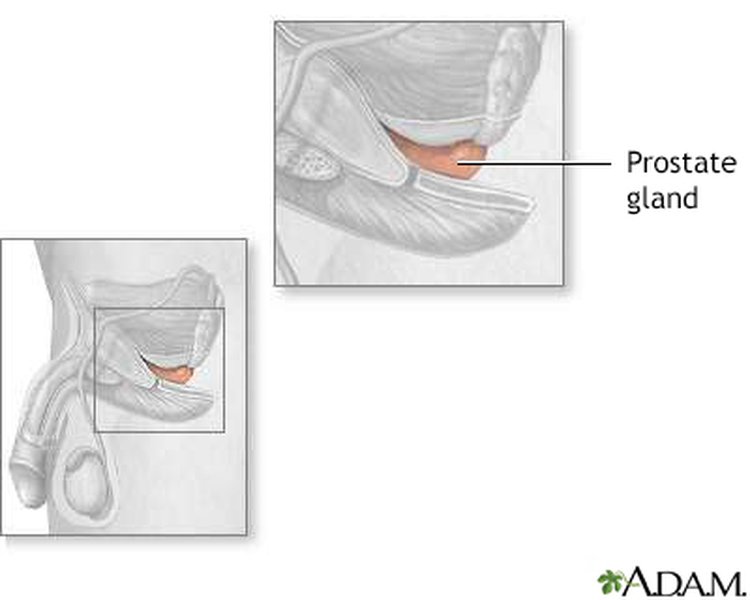
Anatomical illustration detailing the male reproductive system, which is crucial for understanding the physical pathways involved in ejaculation.
Hormonal Imbalances
Hormonal fluctuations can play a role. Low testosterone levels (hypogonadism) can contribute to difficulty in ejaculating. Additionally, elevated prolactin levels, sometimes due to a non-cancerous pituitary gland tumor, can inhibit ejaculation.
Medical Conditions
Chronic health problems like heart disease, chronic prostatitis, and an underactive thyroid gland (hypothyroidism) have been linked to DE. Blockages in the ejaculatory ducts, which are responsible for transporting semen, can also physically impede ejaculation.
Medication Side Effects
A substantial number of medications can cause delayed ejaculation as a side effect. These commonly include:
- Antidepressants: Especially selective serotonin reuptake inhibitors (SSRIs), which alter serotonin levels in the brain, a key neurotransmitter involved in sexual function.
- Blood Pressure Medications: Certain antihypertensives, including alpha-adrenergic blockers.
- Pain Relief Medications: Some strong pain relievers.
- Antipsychotics: Medications used to treat psychiatric conditions.
- Diuretics and other cardiovascular drugs.
Psychological and Emotional Factors
The mind plays a crucial role in sexual function, and psychological issues are frequently at the heart of delayed ejaculation. These can manifest as:
- Anxiety and Depression: These mental health conditions can significantly impact sexual performance and desire, leading to ejaculatory difficulties.
- Performance Anxiety: Stress or worry about sexual performance can create a self-perpetuating cycle of anxiety and difficulty.
- Relationship Issues: Underlying conflicts or communication problems with a partner can contribute to sexual dysfunction.
- Strict Religious or Moral Upbringing: Deep-seated beliefs or guilt related to sexual activity can inhibit natural responses.
- Negative Sexual Experiences: Past traumas or negative experiences can lead to psychological blocks.
- Masturbation Habits: In some cases, specific masturbation techniques, especially those involving intense or unusual stimulation, can make it difficult to ejaculate during partnered sexual activity.
Lifestyle and Other Considerations
- Alcohol and Drug Use: Excessive alcohol consumption and the use of recreational drugs can impair ejaculatory function.
- Age-Related Changes: While not always a direct cause, increasing age can be associated with decreased penile sensitivity and a higher prevalence of comorbidities that affect ejaculatory function.
The Path to Resolution: Treatment Approaches for Delayed Ejaculation
Treatment for delayed ejaculation is highly individualized and depends heavily on the identified cause. A comprehensive approach often involves a combination of medical, psychological, and behavioral interventions.
Medical Interventions
If a medical condition or medication is determined to be the cause, addressing these underlying issues is the first step.
Medication Review and Adjustment
If current medications are suspected of causing DE, a doctor may recommend adjusting the dosage or switching to an alternative medication. It is crucial to never alter medication without professional medical advice. While no drugs are specifically approved for DE, some are used off-label based on their potential to alleviate symptoms.
Some medications that have shown promise in certain cases include:
- Testosterone: For men with diagnosed low testosterone.
- Cabergoline: Particularly if high prolactin levels are identified.
- Bupropion: An antidepressant with different mechanisms of action than SSRIs, sometimes used off-label.
- Amantadine, Cyproheptadine, Midodrine, Imipramine: These medications, typically used for other conditions, have been explored for their potential effects on ejaculation.
- PDE-5 Inhibitors: Drugs like sildenafil (Viagra) or tadalafil (Cialis) are primarily used for erectile dysfunction but may help if diminished penile hardness contributes to DE, by increasing penile engorgement and sensitivity.
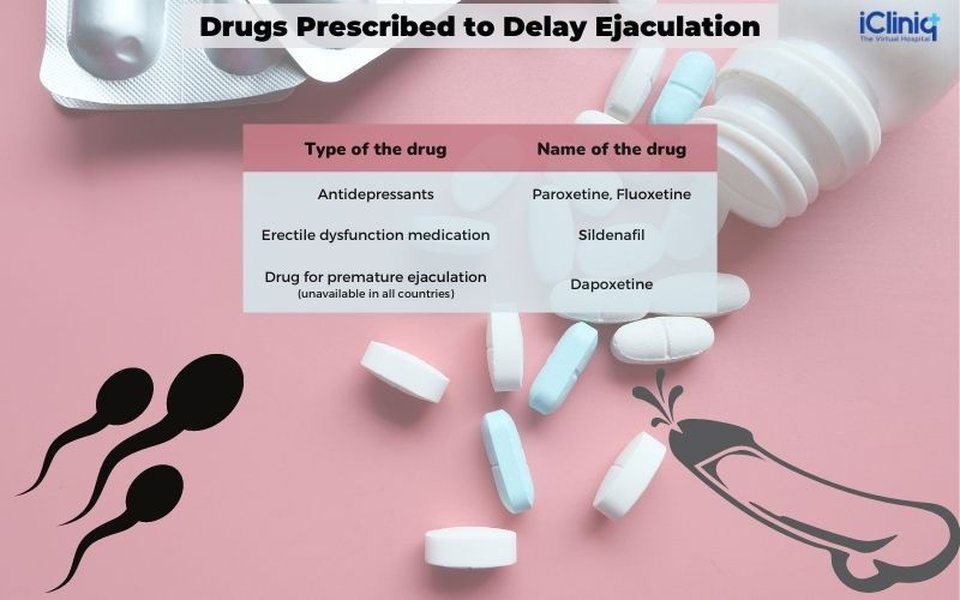
An infographic illustrating various classes of drugs that may be prescribed or affect ejaculation.
Penile Vibratory Stimulation (PVS)
For men with nerve injuries or decreased penile sensitivity, medical vibrators placed at the tip of the penis can sometimes help retrain nerves and facilitate ejaculation. This method can also be used as a home-based treatment.
Psychological and Behavioral Therapies
When psychological factors are at play, therapeutic interventions are often highly effective.
Sex Therapy and Counseling
Working with a therapist specializing in sexual health is a common and often successful approach. Sex therapy typically involves both partners and can address issues such as:
- Communication breakdowns.
- Performance anxiety and stress.
- Unrealistic expectations about sexual activity.
- Underlying emotional conflicts.
- Techniques for increasing sexual stimulation and reducing pressure.
Success rates for sex therapy can be high, with some studies reporting 70% to 80% effectiveness, particularly when individuals have a history of normal ejaculation.
Cognitive-Behavioral Therapy (CBT)
CBT can help individuals identify and change negative thought patterns and behaviors related to sex, reducing anxiety and improving sexual function.
Behavioral Techniques
Techniques such as the "stop-go" method or "squeeze" technique, more commonly associated with premature ejaculation, can sometimes be adapted to help individuals gain more control over arousal levels and ejaculation in DE, though the primary goal for DE is to achieve, not delay, ejaculation.
The following video provides further insights into the causes and treatments for delayed ejaculation:
A comprehensive discussion on the causes of delayed ejaculation and various treatment strategies.
Lifestyle Adjustments and Home-Based Strategies
Simple changes in daily habits can also contribute to improvement.
- Addressing Alcohol and Drug Use: Reducing or eliminating alcohol and recreational drug intake can significantly improve ejaculatory function if these are contributing factors.
- Stress Management: Techniques like mindfulness, meditation, and exercise can help reduce overall stress and anxiety, indirectly benefiting sexual health.
- Open Communication with Partner: Discussing the issue openly and honestly with a partner can reduce pressure and foster a supportive environment for treatment.
- Exploring Different Stimulation: Experimenting with various types and levels of sexual stimulation, including manual or oral stimulation, can sometimes help in achieving ejaculation.
Comparative Analysis of Treatment Efficacy
To better understand the strengths and weaknesses of different treatment modalities for delayed ejaculation, here's a comparative analysis using a radar chart. This chart reflects an opinionated assessment of various treatment aspects, rather than hard data, as the efficacy can vary significantly based on individual circumstances.
This radar chart evaluates different DE treatments across several dimensions, such as general efficacy, speed of results, cost-effectiveness, side effect profile, and how well they address the psychological and physical root causes. Higher scores indicate greater effectiveness or desirability in that aspect. This visual representation highlights that each treatment option has unique strengths, underscoring the need for a personalized and often multi-modal treatment strategy based on the specific cause of delayed ejaculation. For instance, while medication adjustments might offer faster results for physical causes, therapy excels in addressing psychological roots with a lower side effect profile.
The Importance of Diagnosis and Open Communication
The initial step in addressing delayed ejaculation is to consult a healthcare provider. A thorough diagnosis typically involves:
- Medical History Review: Discussion about sexual activity, duration of the issue, and frequency.
- Physical Examination: To check for any physical abnormalities or nerve damage.
- Lab Tests: Blood and urine tests to rule out underlying medical conditions like diabetes, hormonal imbalances (e.g., low testosterone, high prolactin, thyroid issues), or infections.
Open and honest communication with both your healthcare provider and your partner is paramount. Delayed ejaculation is a common issue, and there should be no embarrassment in seeking help. Successful treatment often involves a collaborative effort between the individual, their partner, and medical professionals.
Table of Common Causes and Corresponding Treatment Strategies
This table summarizes common causes of delayed ejaculation and the primary treatment strategies typically employed for each. It highlights the tailored nature of DE management.
| Common Cause | Primary Treatment Strategy | Key Considerations |
|---|---|---|
| Certain Medications (e.g., SSRIs, Antihypertensives) | Medication review, dose adjustment, or switching to alternative drugs. | Never change medication without consulting a doctor. Benefits and risks of alternative drugs must be weighed. |
| Psychological Factors (e.g., Anxiety, Depression, Performance Anxiety) | Sex therapy, psychological counseling, cognitive-behavioral therapy (CBT). | Often involves partner; focuses on communication, stress reduction, and reframing thought patterns. |
| Neurological Conditions (e.g., Diabetes, MS, Stroke, Spinal Cord Injury) | Management of the underlying condition; penile vibratory stimulation (PVS). | Nerve damage may not be fully reversible, but PVS can help stimulate nerves. |
| Hormonal Imbalances (e.g., Low Testosterone, High Prolactin) | Hormone replacement therapy (e.g., testosterone), medications to lower prolactin (e.g., cabergoline). | Requires diagnostic tests to confirm hormonal issues. Treatment targets specific imbalance. |
| Lifestyle Factors (e.g., Alcohol/Drug Misuse, Unhealthy Habits) | Reduction or cessation of harmful substances, adoption of healthy lifestyle (diet, exercise, stress management). | Behavioral changes can have a significant positive impact on overall sexual health. |
| Ejaculatory Duct Obstruction | Surgical intervention to clear the blockage. | A less common physical cause requiring specific urological intervention. |
Outlook and Prognosis
The outlook for delayed ejaculation varies depending on the underlying cause. Many cases, especially those linked to medication side effects or psychological factors, can be successfully managed or resolved with appropriate treatment. Lifelong or severe cases, particularly those stemming from significant nerve damage or complex medical conditions, may require ongoing management rather than a complete "cure." However, even in such instances, treatments can often improve the quality of life and sexual satisfaction.
Frequently Asked Questions (FAQ)
Is delayed ejaculation always a sign of a serious medical condition?
Can stress and anxiety cause delayed ejaculation?
Are there any natural remedies or home treatments for delayed ejaculation?
How long should a man typically take to ejaculate during sexual activity?
What should I do if I suspect my medication is causing delayed ejaculation?
Conclusion
While there isn't a singular "cure" for delayed ejaculation that applies to everyone, the condition is highly treatable. The key to effective management lies in a comprehensive diagnostic process to identify the specific underlying causes, followed by a personalized treatment plan. This plan may involve adjusting medications, engaging in psychological or sex therapy, utilizing physical stimulation techniques, or making significant lifestyle changes. With open communication, patience, and the right professional guidance, individuals experiencing delayed ejaculation can achieve improved sexual health and satisfaction.
Recommended Further Exploration
- How do psychological factors impact male sexual dysfunction?
- What are the latest advancements in male sexual health treatments?
- Understanding the role of hormones in male ejaculatory function
- Comparing medication vs. therapy for sexual dysfunction
References
Last updated May 21, 2025