
Implications for Lowland and Delta Regions in 2023
Exploring environmental, socioeconomic, and infrastructural challenges
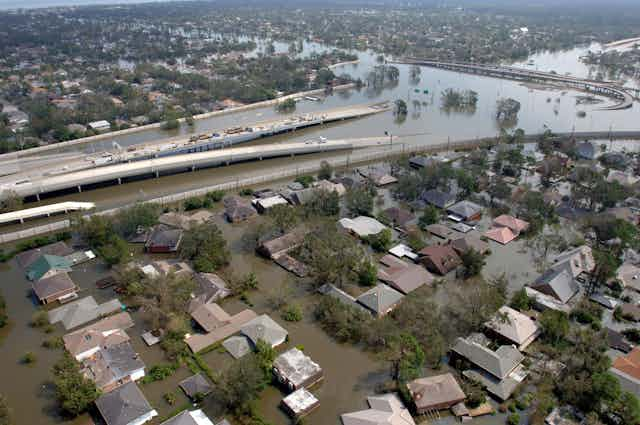
Key Highlights
- Increased Flood Hazards and Sea-Level Rise: Lowland and delta regions face rising flood risks due to sea-level increases and land subsidence.
- Climate Change and Ecosystem Stress: Changing climates impact water temperatures, sediment supplies, and lead to ecosystem degradation.
- Economic and Urban Resilience Challenges: Key infrastructures and economies are at risk, necessitating adaptive management and restoration strategies.
Understanding the Environmental Dynamics
Climate Change as a Driving Force
The environmental challenges faced by lowland and delta regions in 2023 have been greatly influenced by climate change. Global warming has accelerated the rate of sea-level rise, resulting in significant coastal flooding and land loss. Additionally, these regions have been experiencing increased water temperatures and reduced rainfall in some areas, which further exacerbate stress on freshwater systems. The combination of these climate variables not only threatens natural habitats but also impacts the livelihoods and urban infrastructures that depend on these dynamic ecosystems.
Sea-Level Rise and Subsidence
A critical issue in many lowland deltas is the dual threat of rising sea levels and land subsidence. Subsidence, which is often aggravated by activities such as groundwater extraction and hydrocarbon production, makes these regions even more vulnerable to the impacts of sea-level rise. As saltwater encroaches inland, it causes the salinization of soils and freshwater resources, disrupting both agricultural productivity and natural ecosystems. The sinking of delta regions accelerates the drowning of wetlands, which not only serve as natural flood buffers but also play a crucial role in carbon sequestration.
Flood Hazards and River Avulsions
Alongside the threats of sea-level rise, lowland deltas are increasingly prone to extreme flooding events. The interplay between high tides, storm surges, and river overflows creates conditions ripe for catastrophic flooding. In many deltas, the natural process of river avulsion—where the river abruptly shifts its course—has become more frequent. These avulsions can suddenly redirect sediment-laden waters, posing a significant risk to both urban infrastructure and rural farmland. The result is a dynamic landscape where flood risk management must constantly adapt to unpredictable hydrological processes.
Ecological and Socioeconomic Implications
Impact on Ecosystems and Biodiversity
Delta regions are among the most biologically diverse environments on the planet, hosting a wide array of terrestrial and aquatic species. However, the environmental fluctuations of 2023 have led to significant ecological disruptions. As flood events become more common and severe, plant and animal habitats are being irreversibly altered. The loss of wetlands, in particular, leads to a reduction in natural biodiversity, impacting species that depend on these habitats for breeding, feeding, and shelter.
Moreover, sediment starvation due to changes in river dynamics affects the natural land-building processes. Sediments carried by rivers, which usually help to build and maintain deltaic land, are now in lower supply. This reduction hinders the natural capacity of delta regions to counteract rising waters and maintain their structural integrity.
Alterations in Nutrient Cycles and Carbon Sequestration
The degradation of natural ecosystems in lowland deltas also disrupts critical nutrient cycles. Wetlands, which are pivotal in filtering pollutants and sequestering carbon, are losing their ability to perform these functions effectively. As ecosystems degrade, the natural balance is disturbed, leading to further issues such as increased greenhouse gas emissions and diminished water quality. This creates a negative feedback loop where environmental deterioration contributes to a further intensification of climate change impacts.
Socioeconomic and Urban Impact
Beyond environmental implications, the challenges faced by lowland and delta regions directly translate into socioeconomic problems. Many of these areas serve as the backbone of agricultural production and urban development. The concentration of population and agriculture, often three to twelve times higher than the global averages in these regions, makes them particularly vulnerable to disruptions. Increased flood risks and shifting river courses threaten not only the physical infrastructures but also the economic stability of millions of residents.
Urban centers within these deltas are grappling with the dual challenge of modernizing infrastructure while simultaneously mitigating flood hazards. As flooding events grow in frequency and intensity, the economic burden on maintenance, repair, and disaster preparedness increases. This necessitates significant investments in sustainable infrastructure that can both withstand rising waters and adapt to new ecological realities.
Impact on Agriculture and Food Security
Agriculture in delta regions, which relies heavily on the balance of freshwater inflows and nutrient deposits from sediments, is particularly sensitive to the ongoing environmental changes. When rivers fail to deliver sufficient sediment, or when saline intrusion degrades fertile soils, the resultant crop failures can have far-reaching implications on food security. In areas where river sediment discharges are reduced by up to 37%, the rate of land loss becomes a pressing concern for those whose livelihoods depend on these rich but fragile lands.
Adaptation and Mitigation Strategies
Infrastructure and Urban Adaptation
Given the considerable challenges forecasted for 2023 and beyond, there is a growing consensus on the need for comprehensive adaptation strategies in delta regions. Many stakeholders have underscored the necessity of improving existing levee systems, creating flexible urban planning models, and investing in storm surge barriers. Additionally, both hard infrastructure—like sea walls and flood barriers—and soft, nature-based solutions play important roles in enhancing resilience.
Urban planners are now more rigorously incorporating climate projections in the design of new infrastructure. The emphasis is on developing systems that can adjust fluidly to environmental stimuli, ranging from water management practices to land use planning. By integrating proactive risk assessments and adaptive measures, cities within lowland deltas can better safeguard against both gradual environmental changes and abrupt, extreme events like severe floods or river avulsions.
Nature-Based Solutions and Ecosystem Restoration
In addition to engineered solutions, nature-based approaches are gaining traction as effective means of mitigating environmental risks. These approaches involve restoring wetlands, reintroducing native vegetation, and permitting temporary flooding in controlled areas. Such strategies enhance the natural sediment deposition process, reinforce the hydrological cycle, and support biodiversity. The practice of “managed flooding” not only helps in replenishing depleted sediments but also in maintaining ecological balance, which is critical for long-term sustainability.
Institutional and Policy Responses
Addressing the challenges of lowland and delta regions requires collaboration across local, regional, and international levels. Policymakers must develop and implement adaptive management policies to effectively manage water resources, urban development, and environmental protection. Strategies include monitoring river dynamics to anticipate avulsions, investing in resilient infrastructures, and fostering community-based adaptation programs.
Adaptive governance models that involve multiple stakeholders—from local farmers to city planners and international environmental bodies—are proving essential. These multi-layered approaches ensure that policies are both flexible and robust enough to address the myriad challenges this region faces. By aligning economic considerations with environmental imperatives, policy frameworks can help cushion vulnerable communities against the economic shocks attendant to environmental degradation.
Case Study and Comparative Analysis
A Comparative Table of Key Factors
The following table provides a comparative analysis of the key factors affecting lowland and delta regions. It encapsulates critical environmental, socioeconomic, and infrastructural aspects integral to understanding the current challenges.
| Aspect | Description | Key Impact |
|---|---|---|
| Sea-Level Rise | Rising global sea levels leading to increased coastal inundation. | Flood hazards, land loss, and saltwater intrusion. |
| Land Subsidence | Sinking of delta regions exacerbated by fluid extraction. | Enhanced vulnerability to sea-level rise and flooding. |
| Flood Hazards | Increased frequency and intensity of river and coastal flooding. | Disruption of urban and rural communities. |
| River Avulsions | Naturally occurring shifts in river courses. | Sudden changes in sediment distribution and flood risk. |
| Sediment Starvation | Reduced sediment delivery due to altered river dynamics. | Impaired land building and increased erosion. |
| Agricultural Productivity | Dependence on nutrient-rich silt deposits for crop cultivation. | Risk of crop failures and food insecurity. |
| Urban Resilience | Need for adaptive infrastructure in high-density areas. | Economic challenges and infrastructure failures. |
Future Directions and Proactive Measures
Long-Term Sustainability Initiatives
Ideas for ensuring long-term sustainability in delta regions are multifaceted and require an integrated approach. A key area of focus is the potential for utilizing natural river processes in controlled ways to encourage sediment deposition. Effective sediment management can aid in naturally rebuilding lost land. This restorative process, if combined with engineered projects such as levee enhancements and water regulation systems, provides a robust strategy for combatting the adverse effects of both subsidence and sea-level rise.
Furthermore, moving towards energy-efficient and ecosystem-friendly urban planning paradigms is another promising step. Implementing green infrastructure that leverages the natural landscape not only reduces risk but also helps counteract the degradation of native habitats. The integration of green roofs, permeable pavements, and restored wetlands has multidimensional benefits, ranging from improved water retention to enhanced urban livability.
Community Engagement and Stakeholder Collaboration
Effective adaptation strategies are not solely reliant upon technological interventions but also on proactive community engagement. Rural and urban communities must be involved in planning and decision-making processes to ensure locally relevant strategies are developed. Collaborative initiatives between governments, research institutions, and local communities pave the way for sustainable resource management and disaster preparedness. This stakeholder collaboration promotes knowledge sharing and fosters resilient communities that are better equipped to respond to environmental changes.
Educational programs that elevate community awareness about risk reduction and sustainable practices are essential. Leveraging local knowledge in conjunction with scientific data can lead to more innovative and adaptable solutions. These community-driven adaptations are key to ensuring that both human and natural systems are preserved as climate pressures intensify.
Integrated Policy and Infrastructure Investments
Policy Frameworks and Legislative Measures
Governments worldwide are increasingly recognizing the imperative to integrate adaptive policy frameworks within their planning procedures. Legislative measures that address water resource management, urban development, and environmental protection are critical components of long-term resilience strategies for lowland and delta regions. Policies that encourage investment in climate adaptation initiatives, such as the development of early-warning systems, are particularly important.
In many regions, incentives have been introduced to support infrastructure upgrades, such as improved levee systems and natural flood buffers. The successful implementation of these initiatives depends on robust policy frameworks that mandate collaboration between multiple governmental agencies, non-governmental organizations, and private sector stakeholders. Such measures not only mitigate current risks but also prepare these regions for future environmental uncertainties.
Economic Strategies and Funding Mechanisms
The economic challenges posed by increased flood risks and land loss necessitate innovative funding mechanisms. Enhanced financing models that combine public and private investments can ensure the timely implementation of adaptive infrastructure projects. Additionally, international climate funds and grants play a crucial role in supporting these multifaceted initiatives.
Investment in robust flood defenses, water storage, and sediment management systems can offer long-term savings by reducing the economic losses resulting from uncontrolled flooding and ecological degradation. Furthermore, sustainable investment flows into these regions foster both immediate risk mitigation and an enduring basis for future urban and rural development.
Looking Ahead: A Path Toward Resilient Deltas
Research and Monitoring Advancements
Continuous research and monitoring are vital in understanding the evolving dynamics of lowland delta regions. Advances in remote sensing, high-resolution modeling, and data analytics are empowering scientists and urban planners to monitor changes in real time. This improved observational capability enhances the accuracy of projections regarding river behavior, sediment transport, and flood risk, thereby informing more effective mitigation strategies.
Collaborative international research initiatives are crucial in building a knowledge base that guides policy formulation and infrastructure projects worldwide. The sharing of data and best practices across borders ensures that strategies developed in one region can be adapted for use in another, creating a global network of resilient climate adaptation measures.
Innovative Technologies and Engineering Solutions
Engineering innovations are reshaping the landscape of lowland delta management. Emerging techniques in hydrodynamic modeling, combined with real-time sensor networks, provide actionable insights into river dynamics and sediment distribution patterns. Utilizing such technologies enables the design of adaptive flood control systems that are both robust and cost-effective.
By integrating these technological advancements with traditional engineering works, planners can develop hybrid systems that combine the best of both approaches. This integration ensures that infrastructural resilience keeps pace with environmental changes, thereby safeguarding the ecological and economic integrity of delta regions.
References
- PNAS - Proceedings of the National Academy of Sciences
-
ScienceDirect - Research Article
-
ScienceDirect - Research Article
- Annual Reviews - Earth Sciences
-
ScienceDirect - Research Article
Recommended Related Queries
Last updated March 5, 2025