
Managing Demonstration Sessions for Healthcare Personnel
Effective strategies to engage diverse medical audiences in practical demonstrations
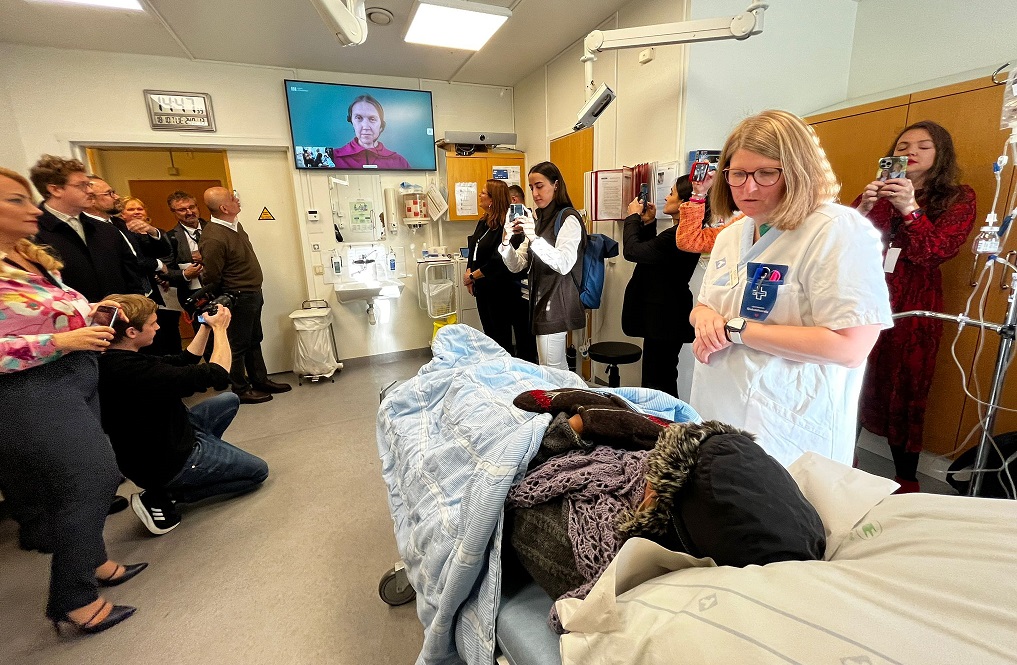
Highlights of Key Strategies
- Tailored Content: Customize presentations and material according to the specific roles and expertise of each healthcare group.
- Interactive and Hands-On Training: Utilize simulations, real-life scenarios, and practical exercises to engage participants.
- Post-Demonstration Support: Ensure continuous learning through evaluations, follow-ups, and additional resources.
Introduction to Demonstration Sessions
In the competitive and dynamic field of healthcare, effective demonstration sessions are imperative to ensure that medical devices are correctly understood and confidently used by professionals. For a global leader like Medtronic, renowned for its innovative cardiac devices such as battery-powered and miniature pacemakers, the implementation of interactive demonstration sessions is vital. These sessions offer clinical staff, nurses, technicians, and hospital administrators a clear understanding of device functionality, integration into existing workflows, and evidence of improved patient outcomes.
Demonstration sessions serve as a bridge between technological innovation and daily clinical practice, positioning Medtronic’s products as accessible and reliable solutions in the market. Such sessions not only improve user competence but also reinforce the brand’s commitment to value-based healthcare—ensuring that quality treatments are within reach for everyone.
Planning and Preparation
Define Objectives and Audience
The planning phase is paramount. Begin by identifying the specific audience for the session, which might include:
- Physicians with a focus on clinical application and patient outcomes.
- Nurses who require hands-on training and practical guidance.
- Technicians responsible for device maintenance and workflow integration.
- Hospital Administrators interested in cost-effectiveness and system integration.
Once the audience is clearly defined, set precise objectives. These should detail what the session aims to achieve, whether it is a deep-dive into device features, demonstration of specialized procedures, or overall device integration into clinical practice.
Material and Environment Setup
An effective demonstration session hinges on a well-prepared environment that mirrors real-world conditions. Ensure:
- The demonstration area has all the necessary medical devices, screens, and technical equipment in working order.
- Materials and handouts are prepared to facilitate not only understanding but also to allow participants to engage with the device physically.
- The venue is arranged such that every participant has a clear view and enough space to perform any hands-on exercises.
Real-World Simulation
Designing the session to simulate actual clinical environments emphasizes realism. Whether it is a mock operating room setup or a simulation lab for practicing device handling, the closer the environment is to real life, the better the learning outcomes for the participants.
Content and Presentation Strategies
Customized Content for Diverse Healthcare Groups
The ability to tailor content for different groups is essential:
- For Physicians: Focus on clinical details such as the technical specifications of the device, its integration with existing systems, and its potential to improve patient outcomes. Including data from clinical trials and successful case studies helps build trust and legitimacy.
- For Nurses and Allied Professionals: Emphasize practical use, ease of device handling, safety features, and maintenance procedures. Demonstrations should include step-by-step instructions to train on operational aspects of the device.
- For Technicians: Provide deeper insights into the technological aspects, troubleshooting protocols, demonstrations of calibration, and technical maintenance. Ensure that the session covers aspects of device upkeep and updates.
- For Administrators: Highlight the financial benefits, cost-effectiveness, and improved patient throughput associated with the device. Explain how integration with hospital infrastructure can streamline processes.
Utilizing Visual and Interactive Aids
Visual aids and interactive elements enrich the demonstration:
- Slides and Videos: Use high-quality graphics to showcase device features, workings, and benefits. Step-by-step video guides can be valuable for reinforcing the learning process.
- Live Demonstrations: Show the devices in action. Real-time operations can demystify complex procedures and technology, making the session more engaging.
- Simulations and VR/AR Tools: Where applicable, emerging technologies such as Virtual Reality (VR) and Augmented Reality (AR) can simulate clinical scenarios. Such tools provide immersive experiences that are both engaging and instructive.
Interactive Techniques
Encourage active participation. Initiate Q&A segments, facilitate group discussions, or deploy “think-pair-share” exercises to foster interaction and immediate clarification of doubts. Involving participants through hands-on tasks and real-time problem-solving builds confidence and enhances retention.
Execution: Running the Session
Structured Session Flow
An organized session flow is vital. Start with an overview that includes:
- Introduction to Medtronic as an industry leader and the innovator behind revolutionary cardiac devices.
- The goals of the session, emphasizing both the technical and clinical benefits of the device.
- A brief explanation of how the session is structured to ensure clarity and understanding.
Step-by-Step Demonstration
Break down the demonstration into clear steps:
| Step | Description | Target Audience |
|---|---|---|
| Preparation | Gather materials and ensure equipment is fully functional. | All groups |
| Introduction | Outline device overview, objectives, and importance of value-based healthcare. | Physicians, Administrators |
| Technical Walkthrough | Step-by-step explanation of the device's technical features and calibration. | Technicians, Physicians |
| Operation Demonstration | Live demonstration of device operation including simulation of clinical scenarios. | Nurses, Allied Professionals |
| Interactive Session | Q&A, feedback, and hands-on practice for clear understanding. | All groups |
| Review & Feedback | Collect immediate impressions, suggestions, and clarify any remaining queries. | All groups |
Facilitating Interaction and Engagement
High levels of interaction are crucial. To achieve this:
- Create an open environment where healthcare personnel feel safe to express doubts and experiences.
- Use live polls or digital tools to collect real-time feedback and questions during the session.
- Consider assigning moderators to manage questions, so that the speaker can focus primarily on the demonstration.
- Engage in periodic assessments or small group discussions to ensure that all participants are following along and comprehending the material.
Post-Session Follow-Up
Evaluation and Continuous Support
The demonstration session does not conclude with the final slide. Instead, thorough follow-up measures ensure that the learning experience is sustained:
- Feedback Collection: Use evaluation forms, interactive surveys, or digital feedback platforms to gather detailed evaluations from attendees about session effectiveness, clarity, and engagement.
- Supplementary Materials: Provide participants with user manuals, detailed guides, and links to online training modules. These materials serve as valuable reference points for when attendees begin to apply what they have learned to their daily roles.
- Follow-Up Sessions: Schedule additional training or refresher sessions. These sessions can focus on advanced aspects of device functionality or updates in operating procedures.
- Resource Access: Maintain an open channel of communication. Arrange a dedicated support group or a hotline whereby participants can pose follow-up questions even after the session has ended.
Long-Term Engagement
Effective demonstration sessions evolve into long-term educational programs. Establishing a protocol for regular updates and refresher courses bolsters skill retention and helps integrate evolving best practices, ensuring that the healthcare team remains at the cutting edge of device utilization and patient care.
Engagement Strategies Across Roles
Physicians
Physicians typically appreciate detailed technical information, clinical evidence, and data-driven case studies. For them, include:
- A deep dive into how device technology integrates with various diagnostic and treatment modalities.
- Discussions on clinical outcomes and complications reduced through advanced device usage.
- Evidence from clinical trials and research studies validating the efficacy and safety of the device.
Nurses and Allied Professionals
For nurses and allied health professionals who are usually involved in direct patient care:
- Stress the operational ease, safety protocols, and clear step-by-step operating guidelines.
- Provide hands-on exercises to build muscle memory and confidence in device usage.
- Incorporate visual aids and interactive simulations that show how the device enhances patient outcomes during routine care.
Technicians
Technicians are interested in the technical and maintenance aspects. Ensure that:
- Technical specifications, calibration methods, and troubleshooting guidelines are discussed in detail.
- The session shows practical examples of device maintenance and system integration.
- There is a focus on understanding the underlying technology to better support clinical staff.
Hospital Administrators
Hospital administrators look at the broader implications such as return on investment, cost-effectiveness, and operational efficiency:
- Present analyses on how adopting advanced devices can reduce long-term healthcare costs and hospital readmissions.
- Highlight the mediation between clinical efficiency and organizational expenditure.
- Discuss integration strategies for incorporating devices into existing hospital infrastructures.
Integrating Technology and Innovation
Bringing Innovation to the Forefront
Leveraging technology is essential to enhancing the clarity and impact of the demonstration. Incorporate modern technology such as:
- Augmented Reality (AR) and Virtual Reality (VR): Enhance the simulation of clinical scenarios and allow participants to interact more deeply with the device’s functionality.
- Digital Platforms: Use digital whiteboards, interactive slides, and webinars to facilitate a more engaging presentation.
- Real-Time Analytics: Implement digital tools that allow real-time feedback and instant analysis of the session’s effectiveness. This data can be used for immediate adjustments and future improvements.
Utilizing Digital Feedback Tools
Integrating tools such as live polls, feedback forms, and interactive surveys during the session ensures continuous interaction and allows for adjustments in real time.
A Summary Table of Strategies and Best Practices
| Aspect | Strategy/Practice | Key Benefit |
|---|---|---|
| Audience Identification | Segment audience by roles (Physicians, Nurses, Technicians, Administrators) | Customized and relevant content |
| Content Customization | Tailor technical depth and practical insights per audience | Enhanced learning outcomes |
| Interactive Methods | Hands-on exercises, Q&As, simulations, and VR/AR tools | Increased engagement and retention |
| Feedback & Evaluation | Real-time polling, surveys, and follow-up sessions | Continuous improvement and tailored support |
| Post-Session Support | Supplementary materials, refresher courses, ongoing communication | Long-term skill retention and confidence |
References
- Practical Demonstrations in Health and Social Care - Carelearning
- Demonstration Best Practices - OpenLearn
- Medtronic Marketing Mix - MBaskool
- Role of Marketing in Medical Device Design - LinkedIn
- How to Conduct a Successful Demonstration - Nursing Science
Recommended Further Queries
Last updated March 20, 2025