
Demographic Momentum: An In-depth Analysis
Understanding the Persistent Growth of Populations
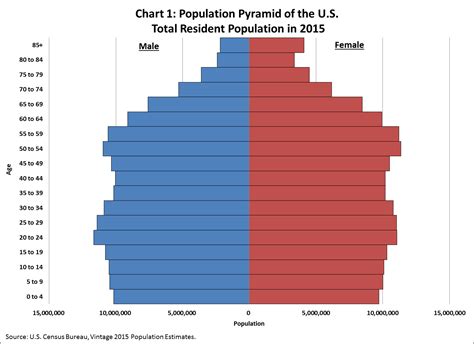
Key Takeaways
- Age Structure: A large proportion of young individuals ensures continued population growth even when fertility rates decline.
- Time Lag: There is a significant delay between declining fertility rates and the stabilization of population size.
- Policy Implications: Effective planning in education, healthcare, and infrastructure is essential to address the challenges posed by demographic momentum.
Introduction
Demographic momentum, also known as population momentum, is a critical concept in demography that explains why populations continue to grow or decline even after fertility rates have reached or fallen below replacement levels (approximately 2.1 children per woman). This phenomenon is primarily driven by the existing age structure of the population, particularly the proportion of individuals in or approaching their reproductive years. Understanding demographic momentum is essential for policymakers, economists, and social planners to anticipate and manage the long-term implications of population changes.
Understanding Demographic Momentum
Definition and Core Concepts
Demographic momentum refers to the sustained population growth (or decline) that occurs after a country has achieved fertility rates at or below the replacement level. This persistence is not due to current fertility rates alone but is significantly influenced by the population's age structure. A youthful population with a large number of individuals entering reproductive age will continue to add to the total population, even if each woman has fewer children on average.
Underlying Mechanisms
Age Structure
The distribution of a population across various age groups plays a pivotal role in demographic momentum. Populations with a high proportion of young people (typically under 15 years old) are poised for growth because these cohorts will enter their childbearing years, leading to an increase in the number of births. Even if the fertility rate declines, the sheer number of women in their reproductive years ensures that the population continues to grow.
Replacement Level Fertility
Replacement level fertility is the number of children per woman required to exactly replace the existing population without migration, typically around 2.1 children per woman in most developed countries. When fertility rates drop to or below this level, one might expect the population growth to stabilize or decline. However, due to demographic momentum, the population continues to grow for several decades before stabilizing.
Time Lag
There is a significant time lag between the decline in fertility rates and the stabilization of population size. This lag can span several decades and is influenced by the existing demographic structure. The time it takes for the population to stabilize depends on the proportion of the population in various age groups and how quickly the younger cohorts move through their reproductive years.
Causes of Demographic Momentum
Large Youth Cohorts
Populations with a substantial number of young individuals entering reproductive age are more likely to experience demographic momentum. These large cohorts result from high fertility rates in previous generations. Even as fertility rates decline, the number of children each woman has does not immediately translate to a proportional decrease in future population growth because of the already large base of young people.
Delayed Effects of Fertility Decline
Changes in fertility rates do not have instant effects on population size. The decline in birth rates takes time to affect the overall population because the impact is only felt as younger cohorts age and enter reproductive years. This delay means that even with sustained low fertility rates, the population will continue to grow until the proportion of young people decreases sufficiently.
Duration and Impact of Demographic Momentum
Duration
Demographic momentum can sustain population growth for 50 to 70 years after fertility rates have declined to replacement levels. The duration depends on the age structure; populations with a higher proportion of individuals in their reproductive years will experience momentum for a more extended period. For instance, countries that underwent higher fertility rates earlier will typically have a longer period of population growth due to the large number of individuals passing through their childbearing years.
Impact on Population Growth
Even with fertility rates at or below replacement levels, the population will continue to grow because the number of births remains high due to the large number of women in their reproductive years. This growth is not sustained indefinitely; once the larger cohorts age out of the reproductive bracket, the population growth rate will slow and eventually stabilize or decline.
Implications for Developed and Developing Countries
Developing Countries
Many developing countries exhibit high demographic momentum due to their youthful populations. These countries face challenges related to providing education, healthcare, and employment for a growing number of young people. Additionally, high population growth can strain infrastructure and natural resources, impacting sustainability and economic development.
Developed Countries
Developed countries often experience lower demographic momentum as they tend to have older populations with fewer young individuals entering the workforce. These populations may face issues related to aging, such as labor shortages and increased demand for healthcare services. However, if fertility rates were to decline further, even developed countries could face prolonged periods of population decline.
Global Significance and Policy Implications
Resource Allocation and Infrastructure
Persistent population growth due to demographic momentum necessitates careful planning and resource allocation. Governments must invest in expanding and improving infrastructure, including education systems, healthcare facilities, housing, and transportation networks, to accommodate the growing population. Failure to do so can lead to overcrowding, inadequate services, and social unrest.
Economic Considerations
Economic policies must adapt to the realities of demographic momentum. A growing population can provide a larger workforce, potentially boosting economic productivity. However, it also requires creating sufficient employment opportunities to prevent high unemployment rates. Additionally, investments in education and vocational training are crucial to ensuring that the workforce is skilled and capable of meeting the demands of a modern economy.
Environmental Sustainability
Continued population growth exerts pressure on natural resources and the environment. Sustainable practices must be implemented to manage resources effectively and minimize environmental degradation. This includes promoting renewable energy, sustainable agriculture, and conservation efforts to ensure that the population can thrive without compromising the health of the planet.
Healthcare and Social Services
As the population grows, so does the demand for healthcare and social services. Governments must ensure that healthcare systems are equipped to handle larger populations, including preventive care, emergency services, and chronic disease management. Social services must also be expanded to support families, elderly populations, and vulnerable groups.
Education and Employment
A growing population requires expansive and adaptable education systems. Investments in education are essential to prepare the workforce for future challenges and opportunities. Furthermore, creating diverse employment opportunities is critical to accommodate the skills and interests of a large, youthful population.
Examples of Demographic Momentum
India
India serves as a prime example of demographic momentum. Despite significant declines in fertility rates over recent decades, the country's population continues to grow due to its large base of young people. This growth presents both opportunities and challenges, including potential economic growth from a large workforce and the need for substantial investments in infrastructure and social services.
Nigeria
Nigeria is another country experiencing high demographic momentum. With one of the world's youngest populations, the nation faces the task of providing education, healthcare, and employment to millions of young people. Effective policy planning is crucial to harness the potential benefits of a youthful population while mitigating the risks of overpopulation.
Japan
Contrasting with developing nations, Japan represents a scenario with low demographic momentum. The country faces an aging population and declining birth rates, leading to population decline. This situation creates challenges related to labor shortages, increased healthcare costs, and the sustainability of pension systems.
European Countries
Many European countries are experiencing low demographic momentum due to aging populations and low fertility rates. Countries like Germany and Italy grapple with the implications of a shrinking workforce and the need to support an aging citizenry. Policies promoting higher fertility rates and immigration are often considered to address these demographic challenges.
Mathematical Perspectives
Population Momentum Formula
Mathematically, demographic momentum can be understood through the concept of the population growth rate relative to the age structure. The population momentum (PM) is often calculated as the ratio of the eventual population size (Pf) to the current population size (Pi) after fertility rates have stabilized:
$$ PM = \frac{P_f}{P_i} $$
The higher the proportion of young individuals, the greater the population momentum, as more people will move into their reproductive years, contributing to population growth.
Age-Specific Fertility Rates
Age-specific fertility rates (ASFR) are crucial in understanding demographic momentum. ASFR measures the number of births per woman in different age groups. A high ASFR in younger age cohorts indicates a higher potential for population growth, contributing to demographic momentum even if the overall fertility rate is declining.
Mathematical Modeling of Demographic Transition
Demographic momentum is a key component of the demographic transition model, which describes the transition from high birth and death rates to lower birth and death rates as a country develops. Mathematical models of demographic transition incorporate factors such as age structure, ASFR, and mortality rates to predict population dynamics over time.
Strategies to Manage Demographic Momentum
Family Planning and Education
Implementing effective family planning programs and providing comprehensive education about reproductive health are essential strategies to manage demographic momentum. Empowering individuals with the knowledge and resources to make informed decisions about family size can help stabilize or reduce fertility rates, thereby influencing population growth in the long term.
Economic Incentives
Governments can offer economic incentives to encourage smaller family sizes. These incentives may include tax benefits, subsidies for education and healthcare, and support for childbearing and rearing. By making it economically feasible for families to choose fewer children, countries can influence fertility rates and mitigate the effects of demographic momentum.
Investment in Healthcare
Improving healthcare infrastructure and services ensures the well-being of a growing population. Investments in maternal and child healthcare not only reduce mortality rates but also contribute to lower fertility rates as families feel more secure in the survival of their children.
Promoting Gender Equality
Promoting gender equality and empowering women in education and the workforce can lead to lower fertility rates. When women have greater access to education and career opportunities, they tend to have children later and in smaller numbers, contributing to the reduction of demographic momentum.
Urbanization and Infrastructure Development
Urbanization can impact fertility rates and demographic momentum. Developing urban areas with adequate infrastructure can provide better access to education, healthcare, and employment opportunities, which are associated with lower fertility rates. Investing in infrastructure supports sustainable population growth and reduces the pressures associated with rapid population changes.
Conclusion
Demographic momentum is a powerful demographic force that continues to influence population dynamics long after fertility rates have stabilized or declined. Understanding the underlying mechanisms, such as age structure and time lag, is essential for effective policy planning and resource allocation. Countries experiencing high demographic momentum, particularly many developing nations, must invest in education, healthcare, and infrastructure to harness the potential benefits of a youthful population while mitigating the challenges of sustained population growth. Conversely, developed nations with low demographic momentum must address the implications of aging populations through policies that support elderly care and maintain a balanced workforce.
Addressing demographic momentum requires a multifaceted approach that includes family planning, economic incentives, gender equality, and sustainable development. By proactively managing the factors that contribute to demographic momentum, countries can ensure stable and sustainable population growth that aligns with their economic and social objectives.
References
Last updated January 19, 2025