
Why a Second Dengue Infection Can Be Deadlier
Exploring the mechanisms behind increased severity in dengue reinfections
Key Takeaways
- Antibody-Dependent Enhancement (ADE): Pre-existing antibodies from the first dengue infection can enhance viral entry during a subsequent infection, leading to higher viral loads and severe disease.
- Immune Misfiring and Cytokine Storm: The body’s immune system may react in an exaggerated manner during a second infection, causing damaging inflammation and potentially life-threatening complications.
- Clinical and Epidemiological Factors: Despite a generally low percentage of severe cases, secondary infections significantly increase the risk of severe manifestations, especially in populations with other risk factors.
Understanding Dengue and Its Serotypes
Dengue is caused by one of four virus serotypes (DENV-1, DENV-2, DENV-3, and DENV-4). Upon primary infection with any one serotype, the immune system produces specific antibodies that provide lifelong immunity against that same serotype. However, this immune protection is not cross-protective for other serotypes, leaving individuals susceptible to reinfection by a different serotype. While many primary dengue infections are asymptomatic or mildly symptomatic, the risk escalates when a person is infected by a different serotype later on.
Mechanism of Antibody-Dependent Enhancement (ADE)
The phenomenon known as Antibody-Dependent Enhancement (ADE) is a key explanation as to why a second dengue infection can be deadlier. During a primary dengue infection:
- The immune system produces antibodies specific to the infecting serotype.
- These antibodies are efficient in neutralizing the initial serotype and provide long-term protection against subsequent infections with the same virus strain.
However, in a secondary infection caused by a different serotype, the antibodies already present from the first infection can bind to the new virus particles. Instead of neutralizing the virus effectively:
- The antibody-virus complex can facilitate the viral entry into immune cells through Fc receptors.
- This process results in enhanced viral replication within host cells.
Higher viral loads trigger a more intense immune response, which can lead to severe clinical manifestations such as dengue hemorrhagic fever and dengue shock syndrome.
Detailed Immunological Mechanisms Behind Severity
1. Antibody-Dependent Enhancement (ADE)
How ADE Works
In the context of dengue reinfection, ADE occurs when the non-neutralizing antibodies from a previous infection bind to a new serotype. These antibodies, though recognizing the virus, are not effective at neutralizing it. Instead, they inadvertently assist the virus by forming complexes that enhance its uptake into monocytes, macrophages, and dendritic cells. This process leads to:
- Higher viral replication rates.
- Increased viral dissemination within the host.
- A more pronounced immune response that can overwhelm the body.
2. Immune Misfiring and Cytokine Storm
Excessive Immune Response
Following enhanced viral replication, the body’s immune response can become dysregulated. Immune cells such as T cells, which play a crucial role in fighting infections, can become misdirected:
- The immune system may trigger a “cytokine storm,” a state where excessive immune molecules (cytokines) are released.
- This overactive immune reaction causes widespread inflammation and damage to tissues and organs.
- Patients may experience severe symptoms such as plasma leakage, critical drop in blood pressure, and multi-organ involvement.
3. Role of Pre-existing Immunity
Limitations of Cross-Protection
Immunity acquired from the first dengue infection is serotype-specific and does not extend effectively to other serotypes. In fact, the immune memory from the first exposure:
- Recognizes the new serotype but with insufficient neutralizing capacity.
- May inadvertently enhance viral entry, thereby exacerbating the infection.
This limitation in cross-protection underlies the heightened risk in areas where multiple dengue serotypes co-circulate, making secondary infections particularly dangerous.
Clinical Manifestations and Impact of Secondary Infections
Severe Clinical Outcomes
Though only a fraction of dengue cases progress to severe illness, secondary infections pose a higher risk for:
- Dengue Hemorrhagic Fever (DHF): Characterized by plasma leakage, severe bleeding, and low platelet counts.
- Dengue Shock Syndrome (DSS): Occurs when plasma leakage leads to dangerously low blood pressure and shock, requiring immediate medical intervention.
- Organ Impairment: Severe infections may damage the liver and kidneys, and can cause neurological complications.
Risk Factors for Severe Disease
Several factors can influence the severity of a secondary dengue infection:
- Interval Between Infections: Evidence suggests that a longer gap between the first and second infections may result in more severe outcomes, possibly due to waning immunity to non-neutralizing antibodies.
- Age and Comorbidities: Young children, older adults, and those with underlying health conditions are more susceptible to severe disease manifestations.
- Geographical and Environmental Factors: Living in dengue-endemic regions with high vector exposure increases the likelihood of encountering different serotypes.
Comparative Overview of Primary vs. Secondary Infections
| Feature | Primary Infection | Secondary Infection |
|---|---|---|
| Type of Immune Response | Strong serotype-specific neutralizing antibodies | Presence of non-neutralizing antibodies leading to ADE |
| Viral Replication Rate | Lower levels due to effective neutralization | Enhanced replication due to facilitated viral entry |
| Risk of Severe Manifestations | Generally mild or asymptomatic | Higher risk of developing severe outcomes like DHF and DSS |
| Clinical Management Complexity | Standard supportive care | Requires intensive care and early detection of warning signs |
Epidemiological Context and Broader Public Health Implications
The global incidence of dengue has increased significantly over the past decades due to factors including urbanization, changes in vector distribution, climate change, and population movements. In dengue-endemic regions, secondary infections are of particular concern. Here’s why:
Widespread Serotype Circulation
In many parts of the world, all four dengue virus serotypes circulate simultaneously. The co-circulation of multiple serotypes enhances the probability that an individual previously infected with one serotype will encounter a different serotype later on. This heightened chance of a heterologous infection increases the risk for ADE and, consequently, the development of severe disease.
Vector Dynamics and Transmission Factors
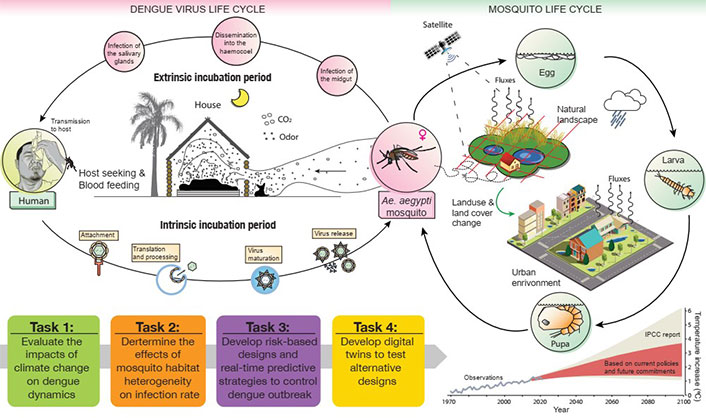
The principal vectors for dengue—Aedes aegypti and Aedes albopictus—thrive in urban and semi-urban settings. The interplay between these vectors and the densely populated human environments facilitates rapid virus transmission. During periods when dengue cases surge, healthcare systems are often under pressure, and delayed treatment or misinterpretation of symptoms can lead to increased mortality during secondary infections.
Challenges in Clinical Management and Surveillance
Early diagnosis and effective clinical management are crucial in preventing the progression of severe dengue. However, several challenges exist:
- Delayed Onset of Warning Signs: Severe symptoms such as intense abdominal pain, persistent vomiting, and rapid bleeding often occur after the fever subsides, making timely intervention challenging.
- Resource Constraints: In many endemic regions, particularly those with fragile healthcare infrastructures, limited resources hamper the ability to deploy early detection and intensive care effectively.
- Underreporting and Misdiagnosis: Dengue’s nonspecific symptoms can overlap with other febrile illnesses, leading to underreporting or mismanagement of cases, further exacerbating the risk during a secondary infection.
Strategies for Prevention and Control
Recognizing the increased risk associated with secondary dengue infections necessitates comprehensive public health strategies. Current approaches focus on:
Integrated Vector Management
Prevention efforts are largely directed toward controlling the vector population:
- Environmental Management: Eliminating standing water and reducing breeding sites in urban environments.
- Chemical Control: Using WHO-prequalified larvicides and insecticides appropriately to reduce mosquito densities.
- Community Engagement: Educating the public on personal protective measures such as using repellents and installing screens in homes.
Vaccine Development and Implementation
Effective vaccines that offer protection against multiple serotypes are being developed and deployed. However, the complexity of dengue immunology poses challenges:
- Serotype Specificity: Vaccines need to elicit strong, cross-protective immune responses to avoid predisposing individuals to ADE.
- Monitoring Vaccine Efficacy: Ongoing surveillance is crucial to ensure that vaccine-induced immunity does not inadvertently increase the risk of severe outcomes in secondary dengue infections.
Enhancing Surveillance and Clinical Management
Early recognition of warning signs is critical in managing dengue effectively:
- Strengthened Laboratory Capacity: Robust diagnostic systems are essential for early detection and serotyping, which help in identifying high-risk secondary infections.
- Training Healthcare Workers: Improved training programs ensure that clinicians can recognize severe dengue early and initiate appropriate supportive care.
- Integrated Reporting Systems: Enhanced epidemiological surveillance facilitates real-time monitoring, enabling faster public health responses and reducing mortality rates.
Research and Future Directions
Ongoing research continues to explore the precise mechanisms of ADE and other immunological phenomena associated with secondary dengue infections. This research is crucial for:
-
Understanding Immune Dynamics: Detailed studies on the behavior of antibodies and T cells during secondary infections can provide new insights for therapeutic interventions.
-
Vaccine Research: Optimizing vaccine formulations to avoid triggering ADE while ensuring broad protection against all four serotypes.
-
Public Health Innovations: Developing predictive models and early warning systems to allow timely interventions during outbreaks, particularly in regions at high risk for multiple serotype transmission.
Enhanced collaboration among international health organizations, research institutions, and governments is essential for reducing the global burden of dengue. New diagnostic technologies, improved case management protocols, and innovative vector control strategies will play pivotal roles in mitigating the risk of severe dengue outcomes.
Combined Conclusion and Final Thoughts
In summary, a second dengue infection can be more dangerous than the first primarily due to the immunological mechanism known as Antibody-Dependent Enhancement (ADE). This phenomenon, along with factors such as immune misfiring, cytokine storms, and challenges in timely clinical management, leads to an increased risk of severe outcomes such as dengue hemorrhagic fever and dengue shock syndrome. Furthermore, epidemiological trends driven by the co-circulation of multiple serotypes and the expansion of vector habitats compound these risks. Effective prevention, surveillance, and clinical management strategies are essential in mitigating the adverse health impacts of secondary infections. Continued research and innovation remain paramount in developing vaccines that can protect across all serotypes without predisposing individuals to severe disease. By integrating vector control, enhanced diagnostic capability, robust health systems, and public education, communities can better combat dengue’s widespread threat.
References
Last updated February 17, 2025