
Unraveling Depersonalization: From Everyday Feelings to Psychedelic Frontiers
Exploring the detachment from self, its connection to substances like DMT, and how experiences vary across different psychedelics.
It sounds like you've had a profound and somewhat unsettling experience with N,N-DMT, touching upon feelings of losing your identity and being adrift in time. This taps into a complex psychological phenomenon known as depersonalization, which can be particularly pronounced during psychedelic journeys. Let's delve into what depersonalization is, how it relates to psychedelics, and why your experience with DMT might have felt the way it did compared to other substances.
Key Insights into Depersonalization and Psychedelics
- Depersonalization is a sense of detachment: It involves feeling disconnected from your own thoughts, feelings, body, or identity, sometimes described as observing yourself from the outside or feeling unreal.
- Psychedelics can induce temporary depersonalization: Substances like DMT, LSD, and psilocybin often trigger states resembling depersonalization, frequently termed "ego dissolution," by altering brain activity, particularly in serotonin pathways and the Default Mode Network (DMN).
- Experiences vary significantly by substance: The intensity, duration, and character of depersonalization differ across psychedelics, with DMT known for its rapid, intense, and often overwhelming ego loss compared to the more gradual effects of LSD or psilocybin.
What Exactly is Depersonalization?
Understanding the Feeling of Being an Outsider to Yourself
Depersonalization is formally defined as a subjective experience of unreality in one's sense of self. Individuals experiencing it might feel like they are automated, living in a dream or movie, or observing their actions, thoughts, and feelings from a distance. Key characteristics include:
- Detachment from Self: Feeling like a stranger to yourself or that your body isn't yours.
- Emotional Numbness: A sense that emotions are blunted, distant, or not truly your own.
- Altered Perception: Distortions in the perception of your body (e.g., feeling parts are the wrong size) or mind.
- Sense of Unreality: Feeling that your memories lack emotional weight or that your life isn't real.
- Observer Perspective: Feeling as though you are watching yourself act, rather than being the agent of your actions.
It's crucial to distinguish depersonalization from psychosis. People experiencing depersonalization usually retain insight – they understand that their perception is altered, even though it feels viscerally real. It often co-occurs with derealization, where the external world feels unreal, strange, or dreamlike.
While sometimes a symptom of underlying mental health conditions like anxiety disorders, depression, PTSD, or Depersonalization-Derealization Disorder (DPDR), transient depersonalization can also be triggered by severe stress, trauma, fatigue, or, notably, the use of psychoactive substances, including psychedelics.

Psychedelics can induce profound alterations in perception, including experiences of depersonalization.
Psychedelics and the Dissolution of Self
How Substances Like DMT Trigger Depersonalization and Ego Loss
Psychedelic substances are well-known for their ability to induce altered states of consciousness, including experiences that strongly resemble depersonalization. In the context of psychedelics, this is often referred to as "ego dissolution" or "ego death," a temporary loss of the sense of self-identity and the boundaries between oneself and the external world.
The Brain on Psychedelics
Classic psychedelics like N,N-DMT, LSD, and psilocybin primarily act on the serotonin 2A (5-HT2A) receptors in the brain. The activation of these receptors disrupts normal patterns of brain communication, particularly affecting networks involved in self-awareness, perception, and reality filtering. Key mechanisms include:
- Default Mode Network (DMN) Disruption: The DMN is a network of brain regions active during self-referential thought, mind-wandering, and maintaining our sense of identity. Psychedelics reduce activity and connectivity within the DMN, which is strongly correlated with experiences of ego dissolution and altered self-perception.
- Increased Brain Connectivity: While suppressing the DMN, psychedelics can also increase communication between brain regions that normally operate independently. This "hyper-connectivity" might contribute to synesthesia, altered sensory experiences, and the breakdown of conventional boundaries of self and reality.
- Altered Sensory Processing: Psychedelics modify how the brain processes incoming sensory information, leading to hallucinations, distorted perceptions of time and space, and changes in body awareness, all contributing to feelings of depersonalization and derealization.
Ego Dissolution vs. Clinical Depersonalization
While the subjective feelings can overlap, psychedelic-induced ego dissolution is typically transient and often contextualized within the drug experience. Some users even seek this state for therapeutic or spiritual insight. Clinical depersonalization, especially in DPDR, tends to be chronic, distressing (ego-dystonic), and impairs daily functioning. However, intense or challenging psychedelic experiences can sometimes trigger prolonged depersonalization symptoms, particularly in individuals with pre-existing vulnerabilities like anxiety or trauma history.
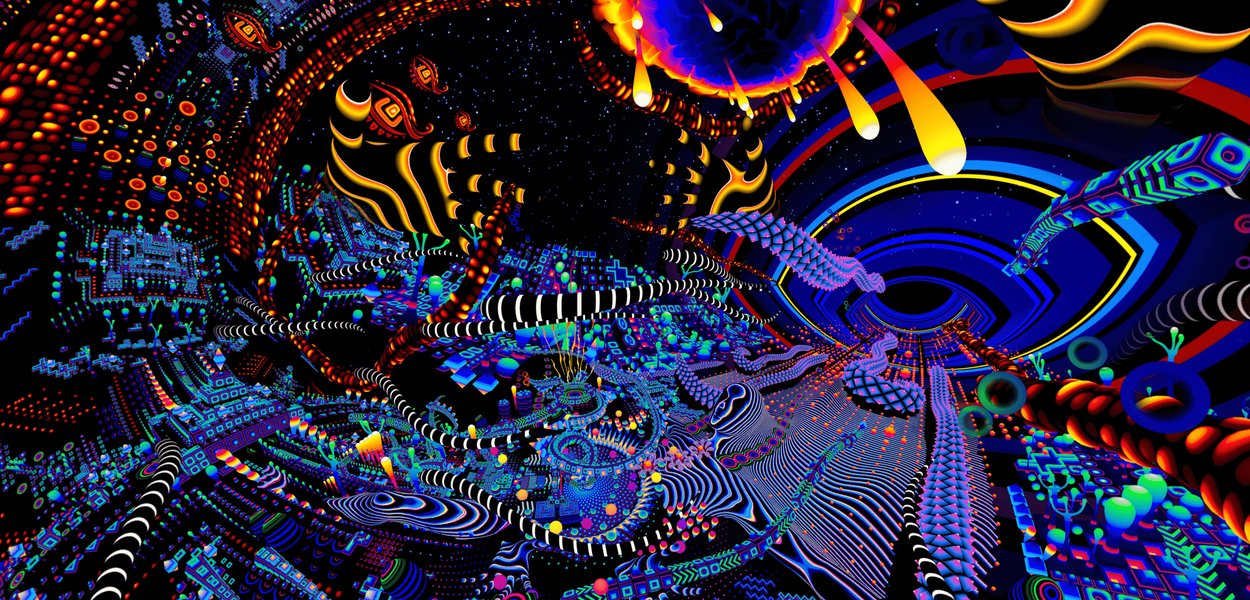
Artistic representation of the altered states and ego dissolution often associated with psychedelic experiences.
Comparing Depersonalization Across Different Psychedelics
Why Your DMT Experience Felt Like "Forgetting Yourself in Eternity"
The nature, intensity, and duration of depersonalization can vary significantly depending on the specific psychedelic substance used. These differences stem from variations in pharmacology (how the drug interacts with the brain), pharmacokinetics (how quickly it acts and how long it lasts), dosage, and individual factors (set and setting).
Your experience with N,N-DMT – forgetting who you were and feeling stuck in eternity – is highly characteristic of this particular substance. Let's compare it to others:
N,N-Dimethyltryptamine (N,N-DMT)
Often called the "spirit molecule," DMT (especially when smoked or vaporized) is known for its:
- Rapid Onset: Effects begin within seconds to minutes.
- Extreme Intensity: Often described as a "breakthrough" experience, shattering normal reality.
- Profound Ego Dissolution: Complete loss of personal identity ("forgetting who you are") is common. The sense of self dissolves into what feels like a vast, timeless, or infinite space ("stuck in eternity").
- Altered Time Perception: Subjective time can stretch infinitely or cease altogether, contributing to the feeling of being stuck.
- Immersive Visions: Often involves complex geometric patterns, encounters with perceived entities, and entry into alien-like realms.
- Short Duration: The peak effects typically last only 5-20 minutes, though the subjective feeling of timelessness can make it feel much longer.
The abruptness and totality of DMT's effects can make the depersonalization feel particularly overwhelming and disorienting, aligning precisely with your reported experience.
Lysergic Acid Diethylamide (LSD)
- Gradual Onset: Effects build over 30-90 minutes.
- Long Duration: Trips typically last 8-12 hours.
- Progressive Ego Softening: Depersonalization and ego dissolution tend to emerge more gradually, often interwoven with visual distortions, enhanced sensory perception, and introspective thought loops. It can feel more analytical or observational compared to DMT's immersive dissolution.
- Fluctuating Intensity: The experience often comes in waves.
Psilocybin (from Magic Mushrooms)
- Moderate Onset/Duration: Effects begin in 20-60 minutes and last 4-6 hours.
- Organic/Emotional Quality: Often described as having a more "natural," emotional, or spiritually oriented feel compared to LSD or DMT. Ego dissolution can be profound but may feel gentler or more interconnected with nature or emotions.
- Less Overwhelming than DMT: While capable of inducing strong depersonalization, it's generally less abrupt and all-encompassing than a DMT breakthrough.
Other Substances
- Ketamine (Dissociative): Induces detachment via NMDA receptor antagonism, leading to a distinct "k-hole" state characterized by out-of-body experiences and anesthetic-like numbness, different from classic psychedelic ego dissolution.
- MDMA (Empathogen): Can cause mild depersonalization, but its primary effects are increased empathy, euphoria, and emotional openness, usually overshadowing dissociative feelings.
Visualizing the Differences: Psychedelic Depersonalization Profiles
To better illustrate these distinctions, the radar chart below offers a comparative visualization of typical depersonalization characteristics across different substances based on common user reports and research findings. This is a subjective representation rather than hard data, aiming to capture the qualitative feel of these experiences.
As the chart suggests, DMT stands out for its rapid onset, intense ego dissolution, and profound time distortion, although its overall duration is short. LSD offers a longer, more sustained experience, while Psilocybin often falls somewhere in between. Ketamine presents a different profile, high in emotional numbness due to its dissociative anesthetic properties.
Summary Table: Depersonalization Characteristics
This table summarizes the key differences in how depersonalization typically manifests across common psychedelics:
| Psychedelic | Onset Speed | Duration | Intensity | Nature of Depersonalization / Ego Dissolution | Common Associated Features |
|---|---|---|---|---|---|
| N,N-DMT (Smoked/Vaporized) | Very Rapid (Seconds-Minutes) | Very Short (5-20 mins peak) | Extremely High | Abrupt, complete loss of self-identity; feeling of "breakthrough" into another reality; profound detachment from body/ego. | Intense visuals, altered time ("eternity"), encounters with entities, sense of cosmic unity or void. |
| LSD | Gradual (30-90 mins) | Long (8-12 hours) | High (dose-dependent) | Progressive blurring of ego boundaries; introspective detachment; observing self/thoughts analytically. | Strong visual/auditory hallucinations, synesthesia, thought loops, emotional intensification (positive or negative). |
| Psilocybin | Moderate (20-60 mins) | Moderate (4-6 hours) | Moderate to High (dose-dependent) | Gentler ego softening; feelings of interconnectedness; emotional release; fluctuating waves of connection/disconnection. | Visual distortions (often geometric/organic), enhanced colours, spiritual insights, emotional variability. |
Exploring Depersonalization Further
The following mindmap provides a conceptual overview of depersonalization, its connection to psychedelic experiences, and the factors influencing its manifestation.
(Thoughts, Body, Emotions)"] id1b["Sense of Unreality / Observer"] id1c["Distinction from Psychosis
(Insight Usually Retained)"] id1d["Can be Symptom (DPDR, Anxiety)
or Triggered (Stress, Substances)"] id2["Psychedelics & Ego Dissolution"] id2a["Mechanism: 5-HT2A Receptors"] id2b["DMN Disruption
(Loss of Self-Referential Thought)"] id2c["Increased Brain Connectivity"] id2d["Altered Sensory Processing"] id2e["Transient vs. Chronic
(Clinical Depersonalization)"] id3["Variations Across Substances"] id3a["N,N-DMT"] id3a1["Rapid, Intense 'Breakthrough'"] id3a2["Profound Ego Loss"] id3a3["Altered Time ('Eternity')"] id3a4["Short Duration"] id3b["LSD"] id3b1["Gradual Onset"] id3b2["Long Duration"] id3b3["Analytical Detachment"] id3c["Psilocybin"] id3c1["Moderate Duration"] id3c2["'Organic'/Emotional Quality"] id3c3["Interconnectedness"] id3d["Ketamine (Dissociative)"] id3d1["Different Mechanism (NMDA)"] id3d2["Out-of-Body, Numbness"] id4["User Experience (NN-DMT)"] id4a["'Forgot Who I Was' = Ego Loss"] id4b["'Stuck in Eternity' = Time Distortion"] id4c["Consistent with DMT Effects"] id5["Potential Concerns"] id5a["Distress During Experience"] id5b["Prolonged Symptoms Post-Use"] id5c["Importance of Set, Setting, Integration"]
Understanding DPDR
For a deeper clinical perspective on Depersonalization-Derealization Disorder (DPDR), which involves chronic and distressing depersonalization/derealization outside of acute substance use, the following video provides valuable insights:
This video discusses the symptoms, potential causes (like trauma), and experiences associated with DPDR, helping to differentiate the clinical disorder from the temporary states induced by substances like DMT.
Frequently Asked Questions (FAQ)
Is depersonalization during a psychedelic trip dangerous?
Transient depersonalization or ego dissolution is a common and expected effect of many psychedelics. While it can be disorienting or frightening, it is not typically considered dangerous in itself within the context of the acute drug effect, provided the user is in a safe environment. The primary risks arise if the experience leads to panic, dangerous behavior due to disorientation, or if symptoms persist long after the drug has worn off, potentially indicating an underlying issue or the triggering of a condition like DPDR or Hallucinogen Persisting Perception Disorder (HPPD).
Can psychedelic-induced depersonalization be permanent?
While typically temporary, intense or traumatic psychedelic experiences can sometimes trigger prolonged or chronic depersonalization/derealization symptoms in susceptible individuals. This might manifest as DPDR or be part of HPPD. It's not necessarily "permanent," as symptoms can improve with time, therapy (especially focused on grounding and integration), and abstinence from triggering substances. However, full resolution isn't guaranteed for everyone, highlighting the importance of harm reduction, careful screening, and psychological support.
Why did I feel "stuck in eternity" on DMT?
This sensation is a hallmark of intense DMT experiences and relates directly to its powerful effects on brain regions responsible for processing time. DMT can drastically alter the subjective perception of time's passage, sometimes making moments feel infinitely long or causing a complete loss of temporal awareness. Combined with profound ego dissolution (losing your sense of self), this can lead to the feeling of being untethered from normal reality and existing in a timeless, eternal state.
What can I do if I experience lasting depersonalization after using a psychedelic?
If feelings of depersonalization or derealization persist distressingly long after a psychedelic experience, consider the following:
- Abstain: Avoid further use of psychedelics and potentially other psychoactive substances (including cannabis and alcohol) that might exacerbate symptoms.
- Grounding Techniques: Practice techniques that connect you to your body and the present moment (e.g., focusing on sensory input like touch, taste, sound; deep breathing; physical activity).
- Healthy Lifestyle: Maintain regular sleep, balanced nutrition, and exercise routines.
- Seek Professional Help: Consult a mental health professional, ideally one familiar with psychedelic experiences or dissociation (a therapist, psychiatrist). They can help assess the situation, rule out other conditions, and provide therapeutic support (e.g., CBT, mindfulness-based therapies, EMDR if trauma-related).
- Integration: Working with a therapist or integration coach to process the psychedelic experience itself can sometimes help resolve lingering issues.
Recommended Further Exploration
- How does the Default Mode Network relate to ego dissolution during psychedelic experiences?
- What are effective integration practices after a challenging DMT experience?
- Compare the neurochemical actions of DMT versus LSD on serotonin receptors.
- What is the difference between depersonalization, derealization, and dissociation?
References
Last updated May 4, 2025