
Deportation Risks for Green Card Holders in the U.S.
Understanding the circumstances under which lawful permanent residents can be deported.
Key Takeaways for Green Card Holders
- Green card holders can be deported if they violate immigration laws or commit certain criminal acts.
- The 2025 Immigration Rules have expanded the grounds for deportation, including minor offenses and residency abandonment.
- Maintaining compliance with U.S. laws and avoiding actions that could jeopardize your status is crucial for green card holders.
The Possibility of Deportation for Green Card Holders
Yes, a person with a green card, also known as a Lawful Permanent Resident (LPR), can be deported from the United States under certain circumstances. While a green card provides the right to live and work permanently in the U.S., it does not offer absolute protection from deportation. Several actions and circumstances can make a green card holder deportable under the Immigration and Nationality Act (INA).
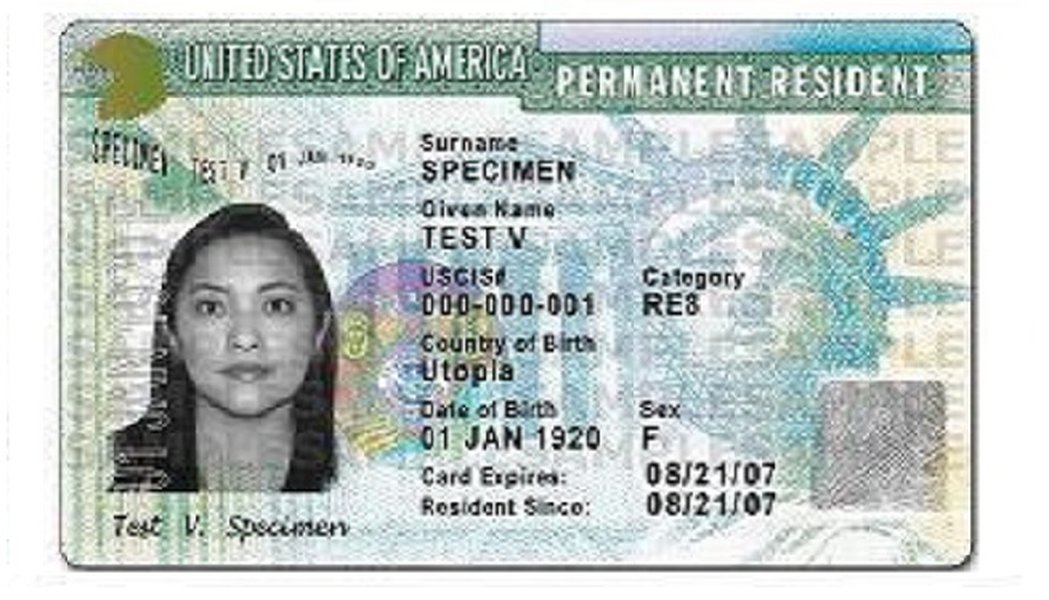
Green Card
Grounds for Deportation
Several circumstances can lead to deportation proceedings for green card holders. These include criminal acts, immigration violations, and security concerns. The Trump administration's 2025 immigration policies have broadened the scope of deportable offenses and increased scrutiny for lawful permanent residents.
Criminal Acts
Committing certain criminal acts is one of the most common reasons a green card holder can be deported. These acts can range from aggravated felonies to crimes involving moral turpitude, such as fraud or theft. According to Criminal Charges Put Green Card Holders at Risk of Deportation - immigrationusa.com, individuals with permanent residency status can be subject to removal proceedings if they are arrested and convicted of certain criminal offenses under the Illegal Immigration Reform and Immigrant Responsibility Act (IIRIRA) of 1996.
Immigration Violations
Violating immigration laws can also lead to deportation. This includes actions such as providing false information on immigration applications or engaging in marriage fraud to obtain a green card. According to What is the legal process for deporting U.S. green card and visa holders - pbs.org, the government can deport permanent residents if they commit immigration fraud.
Abandonment of Residency
A lawful permanent resident must maintain residency in the U.S. Spending extended periods outside the country can be seen as abandoning residency, which can lead to removal proceedings. Green card holders who spend more than 180 consecutive days outside the U.S. can sometimes be treated as new arrivals and may be found inadmissible and deportable, according to Can a U.S. Green Card Holder Be Deported? - rjimmigrationlaw.com.
National Security Concerns
Green card holders can be deported if they are deemed a national security risk. This can include involvement in terrorist activities or actions that pose a threat to U.S. security. According to Can Green Card Holders Be Deported? Understanding the Risks and How to ... - visaserve.com, being deemed a national security risk can lead to removal proceedings.
The Impact of the 2025 Immigration Rules
The 2025 Immigration Rules, which took effect on January 20, 2025, have broadened the grounds for deportation for green card holders. These rules include minor offenses and residency abandonment as potential reasons for deportation. The rules also allow for expedited removal processes and expanded authority for ICE agents in previously protected locations such as schools and hospitals, according to 2025 Immigration Rules Redefine Deportation Risks for Green Card Holders - visaverge.com.
Legal Process and Rights
Green card holders facing deportation have the right to plead their case in court. The legal process for deporting green card holders involves several steps, including being served a notice to appear before an immigration judge. The individual has the right to present evidence, call witnesses, and be represented by an attorney. In some cases, an individual may be able to ask a judge to cancel their deportation, considering factors such as community ties, family ties, and work history in the U.S.
However, it's important to note that certain actions can impact these rights. For instance, if a green card holder is accused of a crime, they may face detention and deportation proceedings. High-profile incidents of green card holders being denied reentry to the U.S. or questioned about their legal status have raised concerns among legal permanent residents.
Examples and Recent Cases
Recent cases have highlighted the increased scrutiny faced by green card holders. For example, the arrest and detention of Mahmoud Khalil, a green card holder and activist, sparked concerns about the targeting of individuals based on their political activism. Khalil's case involved initial deportation efforts based on foreign policy grounds, later amended to accusations of immigration fraud.
Another case involved a Brown University professor who was deported after officials found photos of a former Hezbollah leader on her phone. These incidents have led to increased anxiety among green card holders, with many fearing that their legal status could be challenged or revoked.
How to Protect Your Green Card Status
Given the increased risks and scrutiny, green card holders should take proactive steps to safeguard their status. Some key measures include:
-
Avoid any legal trouble: Even minor offenses can result in severe immigration consequences.
-
Maintain continuous residency: Avoid spending extended periods outside the U.S.
-
Comply with all U.S. laws: Ensure compliance with all federal, state, and local laws.
-
Keep your immigration documents in order: Ensure that all your documents are up-to-date and accurate.
-
Seek legal advice: If you have concerns about your status or are facing removal proceedings, consult with an experienced immigration attorney.
The 2025 immigration policies have created a more precarious situation for green card holders, requiring them to remain vigilant and well-informed about their rights and responsibilities. The expanded deportation grounds and stricter enforcement measures mean that even long-term lawful permanent residents are at risk if they do not adhere to all legal requirements.
Factors Influencing Deportation Decisions
Several factors influence the decision to deport a green card holder, including the severity of the offense, the individual's criminal history, and their ties to the community. Immigration and Customs Enforcement (ICE) plays a significant role in these decisions, with ICE agents informing agency lawyers who then decide whether to initiate removal proceedings.
The government must show proof to deport a green card holder, but the process can be lengthy and complex. In some cases, a judge may consider factors such as community ties, family ties, and work history in the U.S. when deciding whether to cancel deportation.
Green Card Holder Rights
Despite the risk of deportation, green card holders have significant rights under U.S. law. These rights include the right to live and work permanently in the United States, the right to due process, and the right to legal representation.
Green card holders are protected by all U.S. laws, including those at the state and local levels. They can apply for jobs more freely than those in the U.S. on work-based visas. However, it's important to remember that these rights are not absolute and can be impacted by certain actions or violations of the law.
The American Civil Liberties Union (ACLU) emphasizes that U.S. citizens and green card holders cannot be denied entry to the U.S., but green card holders can be detained if officers suspect they are deportable. This highlights the importance of understanding your rights and responsibilities as a green card holder.
Table: Common Reasons for Green Card Holder Deportation
| Reason for Deportation | Description | Relevant Factors |
|---|---|---|
| Criminal Convictions | Committing certain crimes, including aggravated felonies and crimes involving moral turpitude. | Severity of the crime, criminal history, time since conviction. |
| Immigration Fraud | Providing false information on immigration applications or engaging in marriage fraud. | Intentional misrepresentation, materiality of the false information. |
| Abandonment of Residency | Spending extended periods outside the U.S., indicating an intent to abandon U.S. residency. | Length of absence, ties to the U.S., intent to return. |
| National Security Concerns | Involvement in terrorist activities or actions that pose a threat to U.S. security. | Evidence of involvement, potential threat to national security. |
| Violation of Immigration Laws | Failing to comply with immigration laws and regulations. | Specific violation, impact on immigration status. |
Additional Considerations
Traveling outside the U.S. can pose risks for green card holders, particularly with increased scrutiny at ports of entry. It's important to carry all necessary documents, including your green card and any other relevant immigration paperwork. Be prepared to answer questions from customs officers about your identity and immigration status.
The Trump administration's policies have led to increased detentions and deportations of people with valid visas and documentation, creating a general sense of anxiety for green card holders. The 2025 Immigration Rules have further heightened this risk, making it essential for green card holders to stay informed and compliant with all applicable laws.
This video, "New 2025 Immigration Rules : When Green Card Holders Can Be Deported Under Trump?" is relevant because it provides an overview of the specific ways that the 2025 Immigration Rules impact green card holders and increase their risk of deportation. It highlights the expanded grounds for deportation and stricter enforcement measures that have created a more precarious situation for lawful permanent residents.
FAQ
Can a green card holder be deported for a minor offense?
Yes, under the 2025 Immigration Rules, even minor offenses can potentially lead to deportation proceedings for green card holders.
How long can a green card holder stay outside the U.S. without risking deportation?
Generally, a green card holder should not stay outside the U.S. for more than 180 consecutive days to avoid being treated as a new arrival and potentially found inadmissible.
What should a green card holder do if they are facing deportation proceedings?
If you are a green card holder facing deportation proceedings, it is crucial to seek legal advice from an experienced immigration attorney as soon as possible.
Are there any waivers available to avoid deportation?
In some cases, you may be eligible to apply for a waiver to avoid deportation. An immigration attorney can help you determine if you qualify for any waivers.
Does having a U.S. citizen spouse or child protect a green card holder from deportation?
While having a U.S. citizen spouse or child can be a factor in deportation proceedings, it does not guarantee protection from deportation. The specific circumstances of the case will be considered.
References
Last updated April 13, 2025