
DER Hardener H71 MSDS
An In-Depth Look at Safety Data and Handling Guidelines for DER Hardener H71
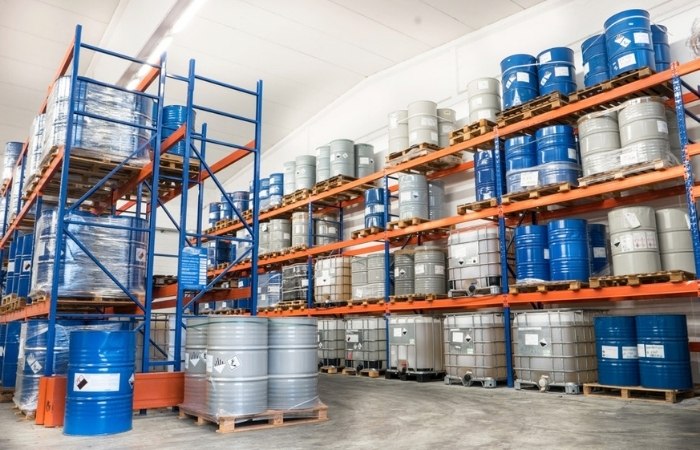
Highlights
- Comprehensive Safety Information: Detailed hazard identification, safe handling and storage procedures, and first aid measures.
- Regulatory and Compliance Details: Emphasis on adherence to local, state, and international safety standards.
- Essential Usage Guidelines: Best practices for proper use, spill management, and emergency procedures.
Introduction
DER Hardener H71 is a versatile component utilized extensively as a curing agent in various industrial applications, particularly in epoxy and polymer systems. This document offers a comprehensive overview of the Material Safety Data Sheet (MSDS) for DER Hardener H71. The safety data sheet is a critical repository of information detailing the associated hazards, handling procedures, and emergency response guidelines designed to protect users, workers, and the environment.
The MSDS for DER Hardener H71 is an essential document meant to guide industrial users, safety officers, and first responders on critical safety and health aspects related to the chemical properties of the product. This overview synthesizes available information on DER Hardener H71, ensuring that all key aspects, including identification, handling, first aid measures, and regulatory information, are addressed in detail.
Key Components of the MSDS
Product Identification
The DER Hardener H71 is a specialized hardener typically used within epoxy resin systems and other polymer-based products. The product is clearly identified in the MSDS with distinctive attributes such as its chemical composition, intended use, and product codes. Detailed product identification ensures that the correct handling protocols are applied and that in the event of an emergency the correct substance has been identified.
Basic product details typically include:
- Product Name: DER Hardener H71
- Usage: Curing agent for epoxy and polymer resins
- Chemical Identifiers: Such as CAS numbers and molecular formulae when applicable.
Hazard Identification
A fundamental part of any MSDS is the detailed hazard identification for the product. DER Hardener H71 is associated with several hazards that are critically important for users to understand:
- Health Hazards: Exposure to DER Hardener H71, primarily in its uncured form, may result in irritation of the skin, eyes, and respiratory system. Prolonged or repeated exposure can exacerbate these effects.
- Toxicity: The product has been classified under categories that warn against toxic effects if improperly handled. It is vital to assume that any contact may necessitate medical evaluation.
- Flammability: DER Hardener H71 can be flammable under certain conditions, especially if exposed to ignition sources. The MSDS outlines specific fire-fighting measures in case of accidental ignition.
Visual Table of Hazard Properties
| Property | Description |
|---|---|
| Health Hazards | Respiratory, skin, and eye irritant; potential toxic effects upon prolonged exposure |
| Flammability | Potentially flammable; requires caution near ignition sources |
| Reactivity | Reacts with strong oxidizers and incompatible materials; may lead to hazardous situations |
| Toxicity | Proper handling and use of Personal Protective Equipment (PPE) are mandatory |
First Aid Measures
The MSDS provides critical first aid information to manage accidental exposure:
- Inhalation: Should the product be accidentally inhaled, the affected individual must be moved to fresh air immediately. In cases where breathing has ceased, artificial respiration should be administered promptly while awaiting professional medical assistance.
- Skin Contact: Immediate washing with soap and water is advised following any skin contact. Persistent irritation or symptoms require consultation with a medical professional or a physician.
- Eye Contact: Rinse thoroughly with water for a minimum of 15 minutes in the case of eye exposure. Medical evaluation is recommended to rule out any long-term damage.
Detailed first aid instructions, including reference to the complete MSDS, are indispensable for workplace safety, especially in environments where DER Hardener H71 is actively used.
Handling and Safety Precautions
Proper handling is imperative to prevent unintentional exposure and adverse reactions associated with the use of DER Hardener H71. Here are key handling and precautionary measures mentioned in the safety data:
Safe Handling
When working with DER Hardener H71, it is essential to adhere to strict safety protocols:
- Ventilation: Always use the product in a well-ventilated area to minimize exposure to any fumes or vapors that may be released during application or curing.
- PPE Usage: The importance of personal protective equipment cannot be overstated. Standard PPE includes chemical-resistant gloves, safety goggles, face shields, gloves, and in some circumstances, respiratory protection.
- Spill Prevention: Care should be taken during the transfer and mixing processes to prevent accidental spills. Secure containers and use appropriate measures to avoid splashes.
- Environmental Considerations: Prevent the release of DER Hardener H71 into the environment. This requires using containment and absorption techniques during spills.
Storage Recommendations
The safe storage of DER Hardener H71 is a vital aspect of preventing hazardous incidents:
- Store in a cool, dry, and well-ventilated place, away from direct sunlight, heat sources, and potential ignition points.
- Ensure that storage areas are only accessible to authorized personnel who are trained in handling hazardous substances.
- Keep the product in its original container or a suitably labeled container designed for chemical storage to avoid cross-contamination.
- Follow local and international regulatory guidelines regarding storing chemicals hazardous to health and the environment.
Emergency and Spill Management Procedures
Accidental Release Measures
In the event of an accidental release or spill of DER Hardener H71, it is important to follow established emergency procedures:
- Containment: Immediately contain the spill using absorbent materials such as sand, vermiculite, or other suitable materials to minimize further spread.
- Cleanup: Collect the absorbed material in a chemically resistant container. Dispose of it in accordance with local environmental and health regulations.
- Protection: Personnel involved in cleanup operations should wear full PPE, including gloves, safety goggles, and protective clothing.
- Ventilation: Ensure the area is adequately ventilated during the cleanup process to disperse any hazardous vapors.
Fire Fighting Measures
Although DER Hardener H71 is generally stable, its flammability under certain conditions necessitates detailed fire-fighting instructions:
- Extinguishing Media: Use dry chemical, foam, or carbon dioxide extinguishers. Water may not be an appropriate choice if it might spread the chemical.
- Protective Gear: Firefighters should equip themselves with self-contained breathing apparatus and full protective gear to shield against both the chemical and heat exposure.
- Secondary Hazards: Be aware of any secondary hazards such as the potential for chemical reaction upon contact with water or other extinguishing agents.
Exposure Controls and Personal Protection
Safe use of DER Hardener H71 demands strict adherence to exposure control guidelines. The MSDS outlines several measures to mitigate risks:
Engineering Controls
Appropriate engineering controls should be in place in any working environment where DER Hardener H71 is used. These include:
- Local Exhaust Ventilation: Installation of exhaust systems or fume hoods to ensure that airborne contaminants are captured at the source.
- Isolation: Use of enclosed mixing or processing areas to minimize operator exposure.
- Monitoring: Regular monitoring of air quality and exposure levels to ensure adherence to safety standards.
Personal Protective Equipment (PPE)
The correct use of PPE is critical to safeguard against the potential adverse effects of DER Hardener H71 exposure:
- Gloves and Protective Clothing: Chemical-resistant gloves and clothing should be worn at all times during handling operations.
- Eye and Face Protection: Safety goggles or face shields are essential to prevent splashes from contacting the eyes and face.
- Respiratory Protection: In situations where dust or vapors are generated, a properly fitting respirator can provide additional safety.
Disposal and Transportation Guidelines
Waste Disposal
Disposal procedures for DER Hardener H71 must comply with local, state, and international environmental regulations. The MSDS emphasizes:
- Do Not Drain: Under no circumstances should DER Hardener H71 be poured down sinks or drains.
- Containment: Waste should be collected in properly labeled, chemically resistant containers and disposed of by a certified waste disposal contractor.
- Environmental Considerations: Special care should be taken to prevent any adverse impact on the environment, particularly local waterways and soil quality.
Transportation
When transportation is necessary, adhere to applicable hazardous material regulations:
- Labeling and Documentation: Ensure that transport containers are correctly labeled as hazardous materials. Documentation should accompany the shipment detailing the nature of the product and any necessary emergency contact information.
- Packaging: The product must be contained in secure, leak-proof packaging that is compatible with the chemical properties of DER Hardener H71.
- Compliance: Follow regional and international guidelines which govern the transport of hazardous chemicals.
Regulatory Information and Standards
An accurate and thorough MSDS includes references to the regulatory framework under which the data is compiled. For DER Hardener H71, the MSDS is compliant with several important regulations and standards:
International and Regional Standards
Compliance is a critical component for any chemical product. Notable guidelines and frameworks often mentioned include:
- European Union Regulations: The document follows the European directives and regulations applicable to hazardous chemicals, ensuring detailed hazard communication.
- Occupational Safety Standards: Many regions require strict adherence to Occupational Safety and Health Administration (OSHA) guidelines, which are reflected within the contents of the MSDS.
Additional Information
Detailed toxicological, ecological, and reactivity information can be crucial for understanding the full spectrum of risks associated with DER Hardener H71. The MSDS typically provides:
- Comprehensive toxicological data, including short-term and long-term health effects following exposure.
- Ecological impact details, particularly in revealing the product’s effects on aquatic life and potential bioaccumulation risks.
- Reactivity and stability data, which are critical when planning the product's storage and emergency response procedures.
Understanding the Importance of the MSDS
The DER Hardener H71 MSDS is more than just a document; it is a critical tool for ensuring workplace safety and environmental stewardship. The intricacies of handling such a chemical require:
- Awareness of the associated hazards to formulate adequate safety measures.
- Proper training for employees to handle emergencies efficiently and mitigate exposure risks.
- Continuous updates to the MSDS, reflecting any changes in usage or new regulations, that ensure up-to-date safety practices.
Organizations using DER Hardener H71 must ensure that the MSDS is readily available at the point of use and that all relevant personnel are familiar with its details. Regular safety training sessions and drills, based on the content of the MSDS, are instrumental in maintaining a safe working environment.
Practical Applications and Industry-Specific Considerations
Industrial Implementation
In many industrial settings, controlling the risks associated with DER Hardener H71 is central to operational safety. Industries such as manufacturing, automotive, aerospace, and construction may use DER Hardener H71, often in large quantities. Ensuring safe usage involves:
- Incorporating the MSDS guidelines into daily operations and safety protocols.
- Maintaining proper records of chemical inventories and training logs.
- Employing specialized storage and handling systems designed to minimize accidental exposure.
Risk Assessment and Hazard Communication
Prior to using DER Hardener H71, a detailed risk assessment is often required. This assessment includes:
- Analyzing potential points of exposure during normal operational procedures.
- Establishing contingency plans for spill management and emergency response.
- Communicating the hazards clearly to all team members, using the MSDS as the primary reference document.
Effective hazard communication not only helps prevent accidents but also ensures that regulatory requirements are met. A clear communication strategy can involve training sessions, accessibility of the MSDS in the workplace, and clear labeling of hazardous materials.
Conclusion
The MSDS for DER Hardener H71 encapsulates essential information that ensures both operational safety and regulatory compliance for industries utilizing this chemical. With detailed sections addressing product identification, hazard recognition, first aid measures, safe handling, storage protocols, and emergency response, it forms an indispensable guide for any workplace environment involving chemical handling.
This document emphasizes the importance of adopting robust safety practices and following the latest regulatory standards to protect workers, consumers, and the wider environment. Companies must ensure that all personnel are trained to understand and comply with these guidelines, and that the document remains readily accessible for reference during routine operations and emergencies. In this way, the well-rounded approach to managing DER Hardener H71 contributes to a safer, more compliant, and environmentally responsible industrial setting.
References
-
H71 Safety DataSheet - chemp.me.go.kr
- PU-H71 (hydrate) SAFETY DATA SHEET - Cayman Chemical
- SAFETY DATA SHEET Page - Cayman Chemical
- ELMOTHERM ® H 71 - Sevron
- DEUREX H 71 - Deurex
- Material Safety Data Sheet of PU-H71 - AbMole BioScience
- PU-H71 Hydrate Safety Data Sheets - LookChem
- Extended Safety Data Sheets - ECHA
- Safety Data Sheet - Wikipedia
- Hazard Communication Standard: Safety Data Sheets - OSHA
Recommended
 cdn.caymanchem.com
 static.weg.net
Last updated February 24, 2025