
Unveiling the Nuances: How Serbian Expresses Views on Lawyers Beyond Formal Titles
Exploring the landscape of Serbian expressions for legal professionals, from official terms to figurative language and idioms.
When inquiring about derogatory terms for lawyers in the Serbian language, it's essential to understand that Serbian, like many rich linguistic systems, often employs nuanced expressions, figurative language, and general insults rather than possessing a single, universally recognized derogatory noun specifically for this profession. While direct slurs targeting lawyers are not prominently documented, the language offers various ways to express criticism or negative perceptions.
Key Insights at a Glance
- The primary formal term for a lawyer in Serbian is "advokat" (адвокат), with "pravnik" (правник) also denoting a legal professional or jurist. These terms are neutral and standard in professional contexts.
- Specific, widely recognized derogatory *nouns* exclusively for lawyers are not a common feature of the Serbian lexicon. Instead, negative sentiments are typically conveyed through descriptive phrases, idioms, general pejoratives, or by combining the formal term "advokat" with insults.
- A notable idiomatic expression is "drveni advokat" (дрвени адвокат), literally "wooden lawyer." This phrase is used figuratively to describe someone who is an ineffective, unwilling, or purely symbolic defender, carrying a dismissive or critical connotation.
Formal and Neutral Terminology for Legal Professionals
In any discussion about how a profession is referred to, it's crucial to first establish the standard, neutral terms. In Serbian, several terms are used in formal and everyday contexts to denote lawyers and legal experts without any inherent negative connotation.
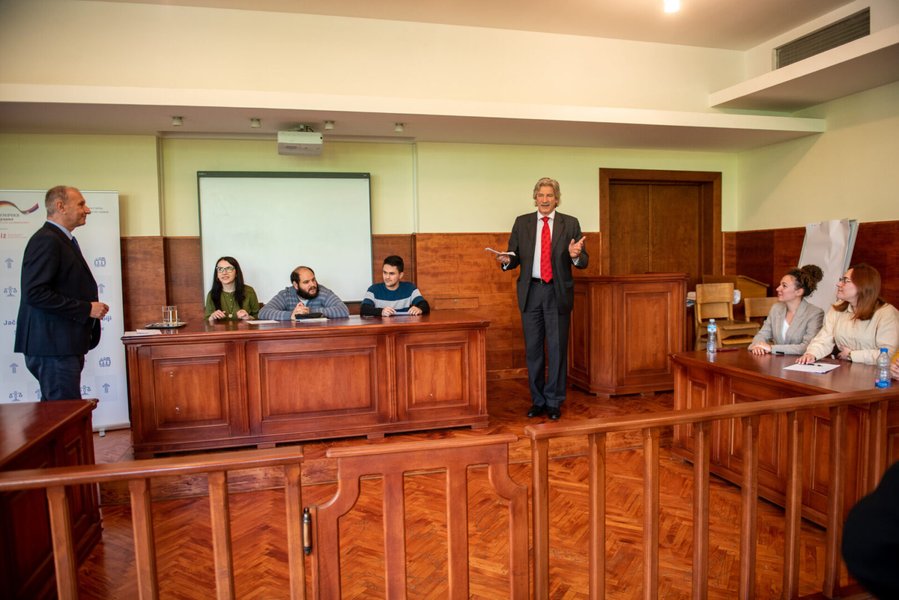
Legal professionals at the First Legal Clinic on Administrative Law certificate award ceremony, illustrating the formal context of the legal profession.
Core Professional Titles
- Advokat (Адвокат): This is the most common and direct Serbian translation for "lawyer" or "attorney." It is used in courts, legal documents, and general conversation to refer to a practicing legal advocate.
- Pravnik (Правник): This term is broader, translating to "jurist," "legal expert," or "one learned in law." While an advokat is always a pravnik, not every pravnik actively practices as an advokat. It refers to someone with a law degree or expertise in law.
- Pravni zastupnik (Правни заступник): Meaning "legal representative," this term emphasizes the function of representing a client's legal interests.
- Tužilac (Тужилац): This specific term refers to a "prosecutor," a lawyer who brings charges against a defendant on behalf of the state or a private party.
These terms are standard and carry professional respect within the Serbian legal system and society.
Figurative Language and Idiomatic Expressions: The Serbian Approach to Criticism
While a dedicated "slur" for lawyers might be absent, Serbian culture utilizes a rich tapestry of idioms and descriptive phrases to convey skepticism or criticism. These expressions often paint a picture rather than assigning a blunt label.
The "Wooden Lawyer": Drveni Advokat
Perhaps the most specific phrase that touches upon a negative portrayal is "drveni advokat" (дрвени адвокат). This idiom, literally translating to "wooden lawyer," is not a common insult thrown around in anger but rather a figurative expression. It's used to describe someone who acts as an unwilling, ineffective, or merely symbolic defender. Imagine a scenario where someone is offering a very poor or reluctant defense for an action; one might say they are being a "drveni advokat." This implies incompetence or a lack of genuine effort in advocacy, carrying a derogatory connotation in context but remaining an idiomatic expression rather than a direct slur.
Other Descriptive and Figurative Terms
Beyond "drveni advokat," other descriptive phrases or characterizations can be used, often drawing on general stereotypes:
- Lisac (Лисац) - "Fox": Calling a lawyer a "fox" can imply cunning, slyness, and potentially deceitfulness. While "fox" can sometimes be neutral or even positive (implying cleverness), in a critical context regarding a lawyer, it often leans towards craftiness used for manipulation.
- Čovek iz senke (Човек из сенке) - "Man from the shadows": This evocative phrase might be used to describe a lawyer perceived as operating secretively or manipulatively, perhaps pulling strings behind the scenes in a way that lacks transparency.
- Ubrzani pravnik (Убрзани правник) - "Accelerated/Fast-talking lawyer": This term can be used sarcastically to imply a lawyer who is perhaps glib, superficial, or insincere, rushing through arguments without substance.
Applying General Insults
It's also common for general Serbian insults, which are often quite potent and expressive, to be directed at individuals regardless of their profession. A lawyer who is perceived as corrupt or dishonest might be called:
- Prevarant (Преварант) - "Swindler," "Cheat": This is a general term for someone who deceives or defrauds others and can easily be applied to a lawyer if their actions are seen as such.
- Prodana duša (Продана душа) - "Sold soul": This phrase implies deep moral compromise or corruption, suggesting someone who has abandoned principles for gain. It can be used for anyone, including a lawyer.
Furthermore, any number of common Serbian swear words (many of which are quite strong and often reference family members) can be combined with the word "advokat" to express intense personal anger or frustration towards a specific lawyer. However, these are not terms *specific* to the legal profession itself.
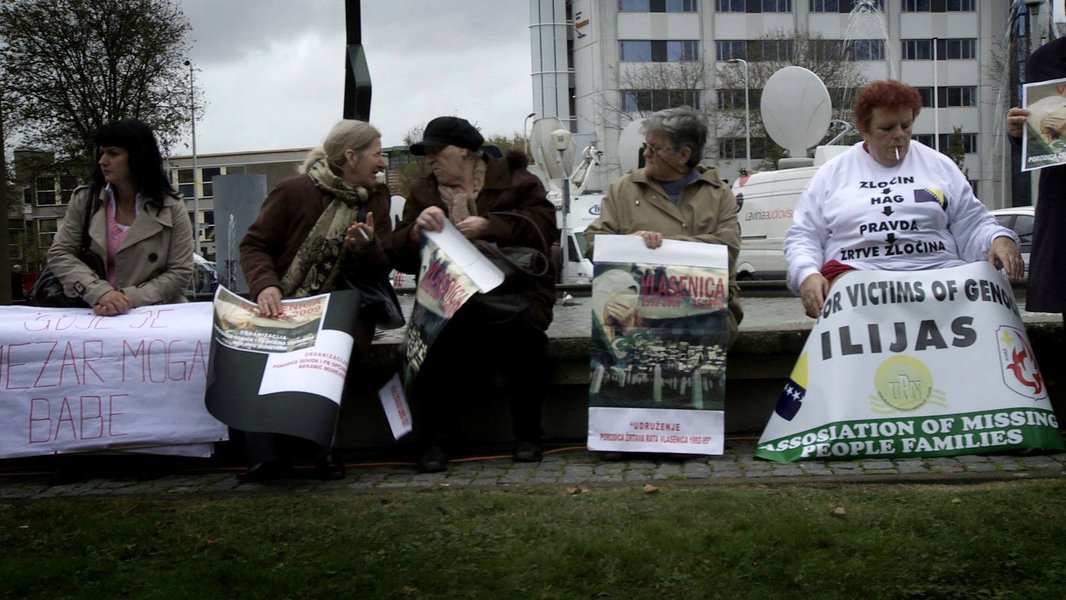
Image associated with "The Serbian Lawyer," a documentary, reflecting the societal presence and scrutiny of the legal profession.
Perceived Negative Traits: A Visual Representation
The figurative terms and general skepticism sometimes directed at the legal profession can tap into certain perceived negative traits. The following chart offers an opinion-based visualization of how intensely these traits might be associated with lawyers through such critical language, not as a factual measure, but as a representation of potential public or colloquial perceptions that derogatory or figurative language might draw upon. It's important to remember these are stereotypes and not inherent qualities of legal professionals.
This chart illustrates how qualities like "Ineffectiveness" (strongly linked to "drveni advokat") or "Deceptiveness" (suggested by terms like "lisac") might be amplified by figurative language or reflect underlying societal skepticism, which can surface in informal discussions about lawyers.
Categorizing Terms for Lawyers in Serbian: A Mindmap
To better understand the landscape of how lawyers are referred to in Serbian, the following mindmap categorizes the different types of terms, from purely formal to figuratively critical and generally insulting.
Standard term for Lawyer/Attorney"] id1b["Pravnik (Правник)
Broader term for Legal Professional/Jurist"] id1c["Pravni zastupnik (Правни заступник)
Legal Representative"] id1d["Tužilac (Тужилац)
Prosecutor"] id2["Figurative & Descriptive Expressions
(Can be used critically or derogatorily in context)"] id2a["Drveni advokat (Дрвени адвокат)
'Wooden Lawyer' - Implies ineffectiveness, reluctance"] id2b["Lisac (Лисац)
'Fox' - Implies cunning, slyness, potential deceit"] id2c["Čovek iz senke (Човек из сенке)
'Man from the Shadows' - Implies secretiveness, manipulation"] id2d["Ubrzani pravnik (Убрзани правник)
'Accelerated/Fast-talking Lawyer' - Sarcastic, implies insincerity or superficiality"] id3["Application of General Insults to Lawyers"] id3a["Prevarant (Преварант)
'Swindler', 'Cheat' - When perceived as dishonest"] id3b["Prodana duša (Продана душа)
'Sold Soul' - When perceived as morally corrupt"] id3c["Standard Profanity + 'Advokat'
General swear words combined with the title 'lawyer'"]
This mindmap visually separates the standard professional vocabulary from the more informal, contextual, and potentially negative ways of referring to or characterizing lawyers and their actions.
Summary of Terms and Connotations
The following table provides a consolidated overview of some key terms discussed, differentiating between neutral/formal language and expressions that can carry negative or derogatory connotations depending on context:
| Category | Serbian Term/Phrase (Cyrillic) | Latin Transliteration | Literal English Translation | Implied Meaning / Connotation |
|---|---|---|---|---|
| Formal | Адвокат | Advokat | Lawyer, Attorney | Neutral, professional title. |
| Formal | Правник | Pravnik | Jurist, Legal Expert | Neutral, refers to someone with legal education/expertise. |
| Idiomatic / Figurative | Дрвени адвокат | Drveni advokat | Wooden lawyer | Ineffective, unwilling, or purely symbolic defender; critical. |
| Figurative | Лисац | Lisac | Fox | Cunning, sly; can imply deceitfulness when used critically. |
| Figurative | Човек из сенке | Čovek iz senke | Man from the shadows | Operates secretively, manipulatively; implies lack of transparency. |
| Sarcastic / Figurative | Убрзани правник | Ubrzani pravnik | Accelerated/Fast-talking lawyer | Glib, superficial, insincere; sarcastic criticism. |
| General Insult (Applicable) | Преварант | Prevarant | Swindler, Cheat | Highly negative; implies dishonesty and fraud. Applied if actions warrant. |
| General Insult (Applicable) | Продана душа | Prodana duša | Sold soul | Highly negative; implies deep moral corruption. Applied if actions warrant. |
This table highlights that while "advokat" itself is neutral, the way individuals are described or the general terms applied to them can certainly be derogatory.
The Broader Context of Insults in Serbian Culture and Language
Understanding how Serbians might express negative views about lawyers also involves recognizing the nature of insults and informal speech in the culture. Serbian is known for its expressive and sometimes very direct and harsh swear words and insults. These often revolve around family members, personal honor, or can be ethnically charged (though the latter is a separate issue from professional disdain).
Occupational slurs, specifically fixed derogatory nouns for professions like "lawyer," appear to be less common or less documented than these more personal or group-based insults. Criticism of a professional often takes the form of:
- Questioning their competence (e.g., via "drveni advokat").
- Attacking their integrity (e.g., by calling them "prevarant").
- Using general profanity to express frustration with a situation involving them.
The Role of Slang and Informal Speech
Slang and informal expressions play a significant role in daily communication. The video below offers a glimpse into Serbian slang, which can provide context on the creativity and directness of informal Serbian language, elements that would also shape how someone might informally criticize a lawyer.
This video discusses Serbian slang, illustrating the expressive nature of the language, which is relevant to understanding how informal criticisms, including those potentially aimed at professions, might be phrased.
While this video doesn't focus on lawyers specifically, it demonstrates the dynamic nature of Serbian informal language, where new expressions can emerge and context heavily influences meaning.
Legal Implications of Using Insulting Language
It's noteworthy that in Serbia, using insulting language can have legal consequences. Article 170 of the Serbian Criminal Code addresses insults, and individuals, including lawyers, have faced penalties for using derogatory language towards others, such as judges or public officials. This underscores a societal and legal stance against defamation and underscores the importance of distinguishing between informal critical expressions and actionable insults.
Frequently Asked Questions (FAQ)
Is the term "advokat" itself ever used in a derogatory way?
The word "advokat" (адвокат) on its own is a neutral and formal term for a lawyer. However, like any professional title, its connotation can be altered by context, tone of voice, or by pairing it with adjectives or other insults. For example, one might say "pokvareni advokat" (покварени адвокат - corrupt lawyer), where "pokvareni" is the derogatory modifier, not "advokat" itself.
Are there English-derived derogatory terms for lawyers used in Serbian?
Like many languages, Serbian incorporates loanwords and can be influenced by slang from other languages, particularly English. While not extensively documented as widespread Serbian slang, English terms like "ambulance chaser" might be understood or even used by some Serbians, especially those familiar with Anglo-American culture, to describe unethical lawyers. However, these would be borrowings rather than native Serbian derogatory terms.
Why are specific occupational slurs for lawyers seemingly less common in Serbian compared to other types of insults?
The focus of insults in Serbian language and Balkan cultures often tends to be more personal, relating to family, honor, ethnicity, or general character flaws (like dishonesty or incompetence) rather than highly specific professions. While negative stereotypes about any profession can exist, the linguistic tools to express them often draw from this broader arsenal of general insults or descriptive, figurative language that can be applied situationally, rather than fixed derogatory nouns for each job.
Can using terms like "drveni advokat" lead to legal trouble in Serbia?
The phrase "drveni advokat" is an idiom and generally less likely to be considered a direct, actionable insult on its own compared to overt profanity or accusations of criminal behavior (like calling someone a "prevarant" without basis). However, Serbian law (Article 170 of the Criminal Code) does criminalize insults. The legal interpretation would depend heavily on the specific context, the intent, the perceived damage to reputation, and whether it was made publicly. While an idiomatic expression is usually safer, any language intended to seriously defame or insult could potentially carry legal risk.
Recommended Further Exploration
To delve deeper into related aspects of the Serbian language and legal culture, you might find these queries insightful:
- What are common Serbian idioms related to professions?
- How does Serbian law define insult and defamation?
- Explore the use of figurative language in Serbian everyday speech.
- What is the public perception of the legal system in Serbia?
References
The information synthesized in this response draws from insights found in the following types of sources and specific examples where available:
Last updated May 15, 2025