
Designing Ideas for Your Website Development Company
Creative Strategies to Showcase Innovation and Attract Clients
Key Highlights
- Minimalist & Clean Aesthetics – Emphasize simplicity and focus on clarity.
- Showcase Portfolio and Case Studies – Use interactive elements to highlight your achievements.
- Unique Branding & Storytelling – Differentiate through unique design elements and authentic content.
Introduction
In today’s competitive landscape, having a strong online presence is paramount for a website development company. A well-designed website not only demonstrates your technical prowess but also serves as a powerful marketing tool. The right design choices can help convey professionalism, innovation, and credibility to potential clients. This comprehensive guide offers in-depth design ideas and strategies to create a visually engaging and highly functional website that ensures your company stands out.
Design Strategy and Aesthetics
Minimalist Design
Embracing a minimalist design philosophy has long been a cornerstone for modern web design. A clutter-free layout ensures that your content is the main focus, and it also reflects a sense of professionalism. Consider using ample white space combined with a sleek, modern typography scheme. Minimalism not only keeps the design elegant but also increases navigability and page load speed, which is essential for user retention.
Key Elements of Minimalism
To successfully implement minimalism, focus on these elements:
- Clean lines and simple shapes
- Limited yet impactful color palette
- Effective use of white space
- Strategically placed calls-to-action (CTAs)
Advanced Typography and Color Palette
Effective typography is vital in establishing visual hierarchy and engaging your audience. Incorporate bold and unique typefaces that align with your brand’s identity. Consider mixing traditional and modern fonts to create contrast and draw attention to key information. Pair your typography with a vibrant color scheme that resonates with your brand. A combination of professional tones like deep blues or grays, accented with brighter hues, can invoke both trust and innovation.
Typography Strategies
- Use large and readable headers for key sections.
- Utilize web-safe fonts combined with custom typography styles for logo and headlines.
- Ensure consistency in font usage across the website to support brand identity.
Color Considerations
The color choices in your design should reflect your company’s values. For technology-focused companies, hues like blue and green often convey innovation, reliability, and growth. Combine these with neutral colors to maintain an overall balanced appearance.
Interactive and Dynamic Elements
Incorporating Interactive Elements
Modern web design entails interactive features that captivate users and facilitate engagement. By integrating subtle animations, hover effects, and transitional visuals, your website can present content in a dynamic and engaging way. These elements not only embellish the user experience but also serve as practical showcases for your development skills.
Dynamic Navigation
Experiment with unique navigation designs such as hamburger menus or sidebars. Ensure that despite any creative navigation elements, usability remains a priority. Seamless interactivity can involve:
- Animated transitions that provide feedback for user actions.
- Interactive menus that reveal additional content upon hovering.
- Micro-interactions that enhance the overall user experience.
Rich Media Incorporation
Include a mix of images, video presentations, and interactive case study walkthroughs to effectively showcase your work. Video testimonials and project walkthroughs can elevate the user experience by offering insights into your creative process. Ensure that these multimedia elements are optimized for fast loading times and are seamlessly integrated into your design.
Showcasing Your Work and Expertise
Portfolio Integration
One of the best ways to establish credibility for your web development company is to display a well-curated portfolio. Your website should include a dedicated section that highlights key projects and case studies. This section should contain detailed accounts of challenges, solutions, and results. High-quality images, videos, and interactive project walkthroughs can significantly enhance the storytelling aspect of your portfolio.
Portfolio Best Practices
- Display relevant projects that highlight technical expertise and creative design solutions.
- Use interactive filters or sorting options that allow visitors to easily explore projects by category or technology.
- Include client testimonials and success stories within your portfolio to build trust.
Developer-Centric Sections
As a company rooted in web development, offering a dedicated area for developers can set you apart. This section might include blog posts on technical topics, API documentation, or even interactive code samples that display your expertise. Such inclusion not only attracts a technical audience but also showcases your commitment to transparency and innovation.
Interactive Developer Tools
- Code snippets and interactive demos for popular projects.
- Technical blog posts on trending topics such as modern development practices, best frameworks, and tutorials.
- Resource libraries including free tools, plugins, or API documentation.
Brand Identity and Storytelling
Unique Branding Elements
Your brand is the identity of your company, and it should be clearly communicated through your website. Identify your company’s core values and translate them into a visual language across your site. This could involve using specific symbols, consistent color schemes, and a unique tone of voice throughout your content. By doing so, you create a memorable and persuasive brand image that appeals directly to your target audience.
Brand Development Strategies
- Use story-driven content that contextualizes your projects and company growth.
- Maintain consistent branding across all pages for clarity and recognition.
- Include a "Meet the Team" section that highlights the expertise and creativity behind the brand.
Authentic Storytelling
Incorporating storytelling into your web design goes beyond mere aesthetics. It includes explaining your journey, challenges overcome, and how your development expertise contributes to solving client problems. Authentic storytelling builds a deeper connection with your audience and reinforces your brand’s commitment to excellence. Consider using narratives that highlight the evolution of your company, client success stories, and the innovative processes behind your services.
Effective Storytelling Approaches
- Craft detailed case studies that narrate the project journey from conception to execution.
- Incorporate visual timelines or animated illustrations that vividly represent your company history.
- Utilize high-quality video content where team members share their experiences and insights.
User Experience and Accessibility
Responsive Design and Navigation
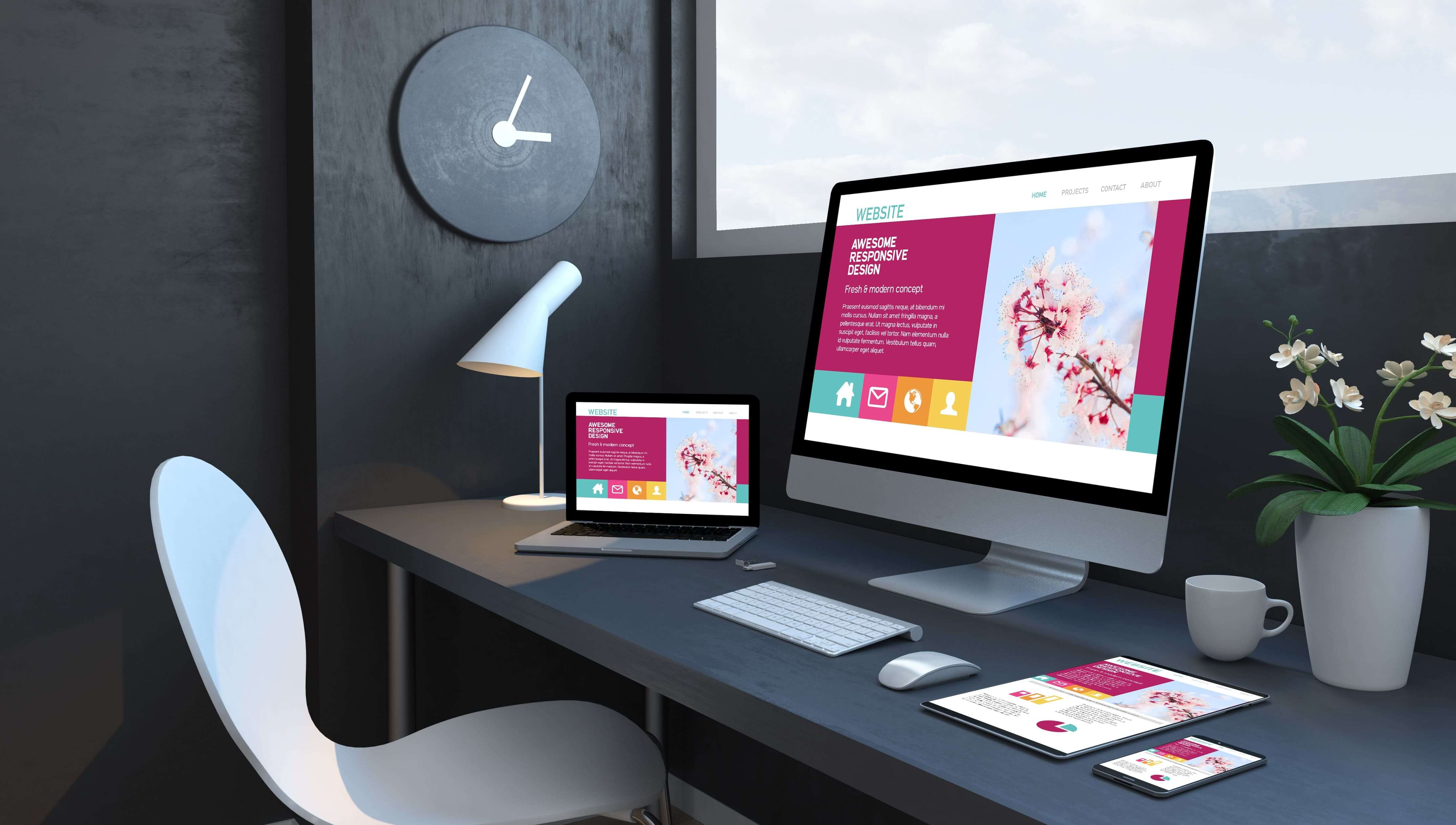
In today’s digital age, ensuring that your website is accessible across all devices is a non-negotiable requirement. A responsive design not only optimizes the visual experience on various screen sizes but also improves search engine rankings. A well-structured navigation system further enhances the user experience by making it intuitive for visitors to find the information they need.
Responsive Best Practices
- Adopt a mobile-first design approach to ensure seamless rendering across devices.
- Design intuitive navigation menus that simplify the browsing experience.
- Utilize flexible grid layouts and scalable images for better device compatibility.
Accessibility Considerations
Adopting web accessibility practices not only broadens your audience but also demonstrates social responsibility. Simple measures like providing alternative text for images, ensuring color contrast ratios, and designing keyboard-navigable interfaces contribute significantly to creating an inclusive website experience.
Accessibility Guidelines
- Implement ARIA (Accessible Rich Internet Applications) standards.
- Ensure all multimedia content has captions or transcripts where necessary.
- Regularly test your website design with accessibility tools to maintain compliance.
Comparative Overview: Design Elements and Their Benefits
| Design Element | Description | Benefit |
|---|---|---|
| Minimalist Layout | Clean, uncluttered design focusing on essential content. | Improves readability and reduces distractions. |
| Bold Typography | Unique fonts paired with clear hierarchy in text. | Enhances brand personality and information clarity. |
| Interactive Elements | Dynamic hover effects, animations, and user interactions. | Engages users and demonstrates technical capability. |
| Rich Portfolio Section | Showcases detailed case studies and project highlights. | Builds credibility and highlights successful project outcomes. |
| Developer Center | Dedicated space for technical content, resources, and demos. | Attracts technical audiences and supports community engagement. |
| Responsive Navigation | Intuitive and flexible menu design for all devices. | Enhances user experience and accessibility across platforms. |
Advanced Techniques for Future-Proofing Your Design
Modern Development Approaches
As web technologies evolve, staying ahead of the curve is key. Integrating modern front-end frameworks and adopting progressive web app (PWA) principles can give your website an edge in performance and user engagement. Technologies such as React, Vue.js, or Angular allow for smoother user interface interactions, while PWAs combine the best of websites and mobile apps by offering offline capabilities and faster load times.
Future-Ready Features
- Progressive Web App (PWA) functionalities for offline usage and improved performance.
- Utilization of modern JavaScript frameworks for scalable and maintainable code.
- Regular updates with emerging design trends and technology benchmarks.
SEO and Performance Optimization
A beautifully designed website will only reach its full potential when optimized for search engines and performance. Implementing SEO best practices and continually optimizing page load speeds are critical for staying competitive. Techniques such as lazy loading images, using efficient coding practices, and ensuring proper meta tag usage can dramatically enhance the site’s performance and visibility.
Optimization Tactics
- Implement structured data and meta descriptions to boost SEO rankings.
- Optimize images and code to minimize page load times.
- Regularly audit the website’s performance using tools like Google PageSpeed Insights.
Practical Implementation and Workflow
Planning and Wireframing
Before jumping into the design phase, it is essential to plan and create wireframes that outline the structure and flow of your website. Wireframes help in visualizing the placement of key components such as navigation menus, content sections, and interactive elements. This phase is crucial for establishing a clear vision and ensuring that the design aligns with both user expectations and business objectives.
Wireframing Tips
- Create low-fidelity sketches to identify core design components and positioning.
- Iterate on wireframes with stakeholder feedback to refine the user journey.
- Utilize tools like Sketch, Figma, or Adobe XD for creating detailed wireframes.
Design Systems and Component Libraries
To maintain consistency and efficiency throughout the design process, consider developing a comprehensive design system. A design system includes guidelines on typography, color schemes, UI components, and interaction patterns. This not only streamlines the development process but also ensures a unified look across all pages. By standardizing these aspects, you allow for scalable design practices and easier updates down the road.
Design System Benefits
- Ensures visual consistency across the website.
- Simplifies the collaboration process across different teams.
- Facilitates quicker design iterations and adaptability to future changes.
Collaboration and Continuous Improvement
Client and Team Collaboration
Active collaboration among designers, developers, and clients is pivotal in achieving a website that truly represents your brand and serves its functional purpose. Regular feedback sessions, interactive prototypes, and user testing play a critical role in refining the design. By fostering an environment of open communication, you can ensure that the final product not only meets but exceeds expectations.
Collaboration Tools
- Use project management platforms like Trello or Asana for streamlined communication.
- Utilize feedback tools such as InVision for interactive design reviews.
- Set up regular review meetings to align on progress and incorporate client feedback.
Iterative Design Process
Web development and design are constantly evolving. An iterative design process ensures that your website stays current with emerging trends and technology updates. Routinely perform user testing, gather analytics, and stay updated with industry standards to continuously refine your design. An agile approach to design not only allows for incremental improvements but also provides the flexibility to adapt to market needs.
Steps for Iteration
- Identify areas of improvement through user feedback and analytics.
- Implement changes in small, manageable increments to test their effectiveness.
- Regularly update the design system based on evolving standards and technologies.
References
Below are some articles and resources that provide additional insights and inspiration on web design for development companies:
- 99designs Inspiration - 99designs
- Best Website Design - SPINX Digital
- Design Agencies - Awwwards
- Agency Website Designs - Huemor
- Corporate Website Design - Hostinger
Recommended Searches
If you are looking for further inspiration and detailed insights, consider exploring the following queries:
Last updated March 6, 2025