
Creating a Detailed Game Design Document (GDD)
A Comprehensive Guide to Structuring Your Game’s Blueprint
Key Takeaways
- Comprehensive Structure: A well-organized GDD covers all aspects from core concepts to technical specifications.
- Collaborative and Iterative: Regular updates and team collaboration are essential for a living document.
- Clarity and Conciseness: Clear and concise documentation ensures all team members are aligned with the game's vision.
Introduction to Game Design Documents
A Game Design Document (GDD) serves as the foundational blueprint for video game development. It encapsulates the game's vision, mechanics, story, and technical requirements, ensuring that all team members—from designers and programmers to artists and marketers—are aligned and informed throughout the development process. Crafting a detailed GDD is crucial for mitigating risks, maintaining a clear development pathway, and facilitating effective communication within the team.
Steps to Create a Game Design Document
1. Initial Setup and Overview
Begin by establishing the foundational elements of your game. This section sets the stage for all subsequent details.
Title Page & Game Overview
- Title: The name of your game.
- Game Genre: Define the genre (e.g., RPG, platformer, puzzle).
- Elevator Pitch: A 2-3 sentence summary capturing the game's essence.
- Target Audience: Specify intended players, including age range and interests.
- Platforms: List intended platforms (e.g., PC, mobile, console).
Design Pillars
- Define the core principles or objectives that drive the game's vision, such as "immersive storytelling" or "fast-paced action."
2. Conceptualize the Core Idea
Delve into the heart of your game, outlining what makes it unique and engaging.
High-Level Concept
- Describe the game’s vision, goals, and unique selling points.
Inspiration Sources
- List games, movies, or art styles that have influenced your game’s design.
Game World/Setting
- Provide a detailed description of the game's environment, setting the stage for storytelling and visuals.
Tone & Mood
- Clarify the emotional experience or atmosphere the game aims to evoke (e.g., dark and serious, comedic).
3. Gameplay Mechanics & Features
Outline the interactive elements that define player engagement and experience.
Core Gameplay Loop
- Describe the main cycle of player actions, such as "explore → battle → collect."
Main Features
- List key mechanics that define player interactions, including combat systems, progression mechanics, and control schemes.
Game Economy
- Explain in-game currency systems, resource management, or crafting mechanics, if applicable.
Challenges & Obstacles
- Identify the enemies, puzzles, or challenges players will face throughout the game.
4. Narrative Design
Detail the story elements that provide depth and context to the gameplay.
Story Summary
- Provide a concise outline of the narrative structure, including the beginning, middle, and end.
Characters & Factions
- Develop profiles for primary characters, including their names, backstories, and motivations.
- Describe any factions, NPCs, or antagonists within the game.
Lore
- Expand on the backstory and worldbuilding to provide players with contextual understanding of the game's environment.
5. Visual and Audio Design
Define the aesthetic and auditory elements that shape the game's sensory experience.
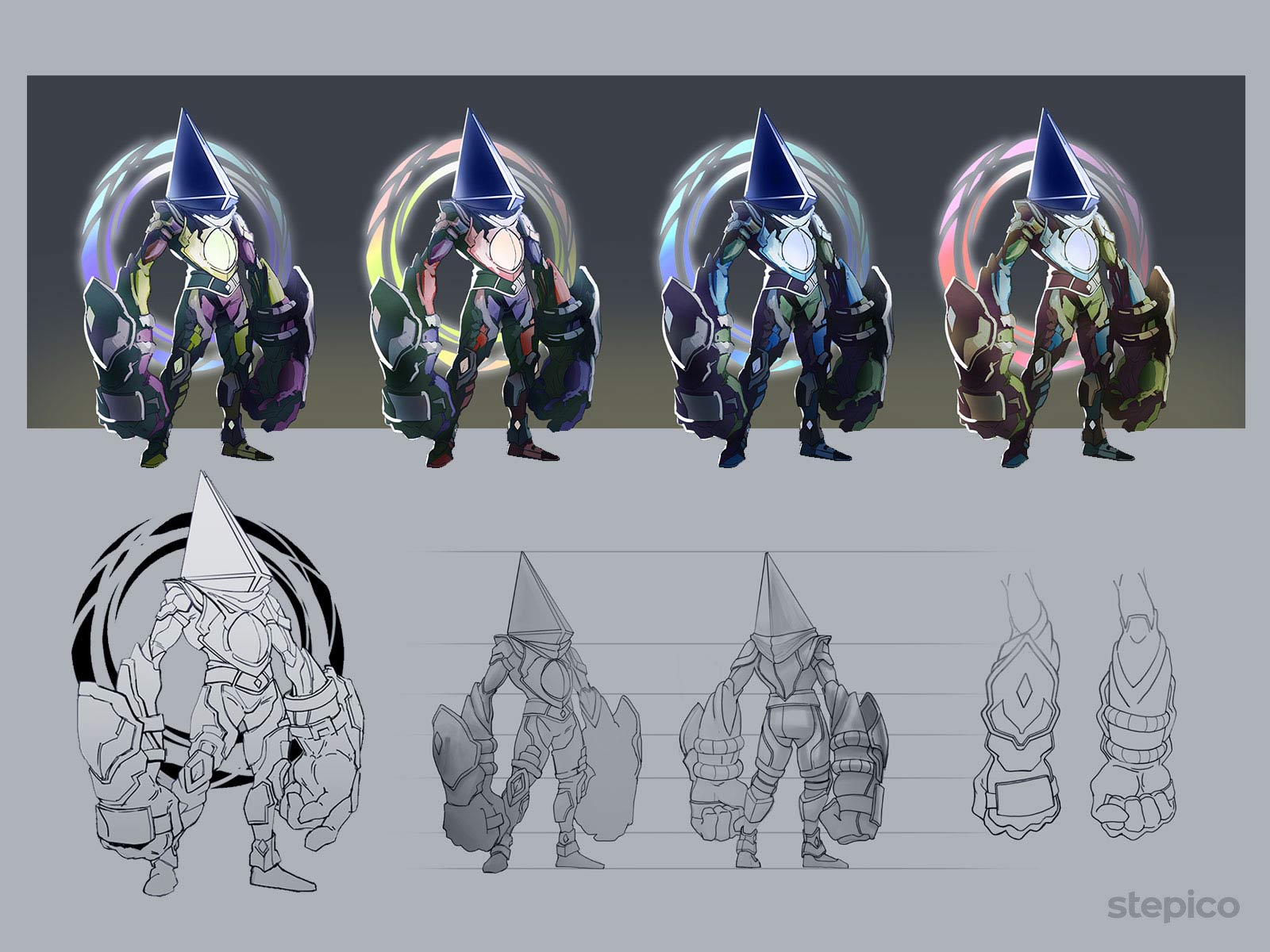
Concept Art & Style
- Include visual references, sketches, or detailed descriptions of the art style (e.g., pixel art, photorealistic).
Level Design
- Provide detailed descriptions of level layouts, structures, and flows within the game.
Interface/UX
- Include mockups or descriptions of how the user interface (menus, HUDs) will look and function.
Sound Design
- Detail expected audio features such as music styles, sound effects, and any voice work.
6. Technical Specifications
Outline the technical aspects that will support the game's development and performance.
Platform Requirements
- Specify the platforms the game will be developed for (e.g., PC, consoles, mobile).
Engine and Technology Choices
- Identify the game engine and other technologies to be used (e.g., Unity, Unreal Engine).
Performance Targets
- Define the performance goals, such as target frame rates and resolution (e.g., 60 FPS at 1080p).
System Requirements
- Detail the minimum and recommended system requirements for players.
Technical Constraints
- List any limitations or constraints that may impact development, such as memory limitations or platform-specific restrictions.
7. User Interface (UI) Design
Design the elements through which players will interact with the game, ensuring usability and accessibility.
Menu Systems
- Describe the layout and functionality of game menus, including main menus, settings, and pause menus.
HUD Elements
- Detail the heads-up display elements such as health bars, score counters, and minimaps.
Control Schemes
- Outline how players will control the game, including keyboard, mouse, controller, or touch inputs.
Accessibility Features
- Describe any features designed to make the game accessible to players with disabilities, such as remappable controls or colorblind modes.
Navigation Flows
- Illustrate how players will navigate through different parts of the game interface.
8. Production Planning
Organize the development process, ensuring efficient workflow and resource management.
Team & Workflow
- Identify team roles and responsibilities, including designers, programmers, artists, and marketers.
- Detail the workflow processes and collaborative tools (e.g., Git, Trello, Milanote).
Milestones & Timeline
- Provide a development timeline outlining key milestones such as pre-production, alpha, beta, and launch phases.
- Set deadlines for deliverables like animations, coding sprints, and asset creation.
Budget & Resources
- Outline the budget, including costs for salaries, software licenses, marketing, and other resources.
Risk Assessment
- Identify potential risks and outline mitigation strategies to address them.
9. Monetization (If Applicable)
Define the business model and strategies for generating revenue from the game.
Business Model
- Specify whether the game will follow a free-to-play, premium, subscription, or other business models.
Pricing Strategy
- Detail the pricing structure, including base price, DLCs, and in-app purchases.
In-Game Economy
- Explain the in-game currency system, resource distribution, and how players can spend their resources.
Monetization Features
- List specific features designed for monetization, such as cosmetic items, power-ups, or premium content.
10. Living Document Guidelines
Ensure the GDD remains a dynamic and up-to-date resource throughout the game's development.
Version Control System
- Implement a system for tracking changes and maintaining version history (e.g., Git, SVN).
Update Procedures
- Establish protocols for updating the GDD, ensuring all team members are informed of changes.
Change Tracking
- Maintain a log of significant changes, including who made the change and the rationale behind it.
Communication Protocols
- Set up communication channels for team members to discuss updates and modifications to the GDD.
Best Practices for Writing a GDD
-
Keep it Visual: Incorporate images, diagrams, and videos to convey ideas more effectively than text alone.
-
Be Concise: Focus on essential details to avoid overwhelming team members with unnecessary information.
-
Make it Collaborative: Utilize tools that allow team members to contribute and comment in real-time, fostering a collaborative environment.
-
Iterate Often: Regularly update the GDD as the game evolves, ensuring it remains a living document that accurately reflects the current state of development.
-
Tailor to Your Audience: Adjust the focus of the GDD based on its intended audience—technical details for internal use, vision and market potential for stakeholders.
-
Organization: Use clear headings, subheadings, and bulleted lists to enhance readability and navigation within the document.
-
Balance Detail & Brevity: Provide sufficient detail to guide development without delving into excessive minutiae.
-
Version Control: Maintain a version history to track changes and ensure team members are working with the most current information.
Example GDD Structure
| Section | Description |
|---|---|
| Title Page & Game Overview | Basic information about the game, including title, genre, and elevator pitch. |
| Design Pillars | Core principles and objectives driving the game's vision. |
| High-Level Concept | Vision, goals, and unique selling points of the game. |
| Inspiration Sources | References to other works that influence the game's design. |
| Game World/Setting | Detailed description of the game's environment and setting. |
| Tone & Mood | Emotional and atmospheric elements of the game. |
| Core Gameplay Loop | Main cycle of player actions and interactions. |
| Main Features | Key mechanics and systems that define the game. |
| Game Economy | In-game currency and resource management systems. |
| Challenges & Obstacles | Types of challenges players will encounter. |
| Story Summary | Concise outline of the game's narrative. |
| Characters & Factions | Profiles of main characters and any groups or factions. |
| Lore | Backstory and worldbuilding details. |
| Visual and Audio Design | Artistic and auditory elements of the game. |
| Technical Specifications | Technical aspects supporting game development and performance. |
| User Interface (UI) Design | Design of menus, HUDs, and control schemes. |
| Production Planning | Development timeline, team roles, and resource management. |
| Monetization | Business model and revenue generation strategies. |
| Living Document Guidelines | Protocols for maintaining and updating the GDD. |
Conclusion
Creating a detailed Game Design Document is an essential step in the game development process. A well-crafted GDD not only serves as a roadmap for your project's progression but also fosters clear communication and alignment among all team members. By following the structured steps and best practices outlined above, you can ensure that your GDD effectively captures your game's vision, mechanics, and technical requirements, paving the way for a successful and cohesive development journey.
References
By following these guidelines and incorporating best practices, you can create a Game Design Document that not only outlines your game’s vision but also serves as a practical tool to guide your team through the development process.
Last updated January 22, 2025