
Comprehensive Overview of the United States Patent Application Process and Timeline
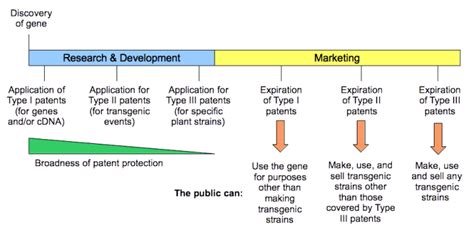
The United States patent application process is a structured and multi-step procedure designed to protect inventors' intellectual property rights. Securing a patent not only grants exclusive rights to the inventor but also encourages innovation and investment in new technologies. This comprehensive guide provides an in-depth look at the types of patents, the detailed application process, associated timelines, costs, and additional considerations essential for navigating the U.S. patent landscape effectively.
Types of Patents
The United States Patent and Trademark Office (USPTO) recognizes three main types of patents, each serving different aspects of intellectual property protection:
1. Utility Patents
Utility patents are the most common type, covering new and useful inventions or discoveries. They protect processes, machines, articles of manufacture, or compositions of matter. Examples include a new type of engine, a pharmaceutical compound, or a software algorithm.
- Duration: 20 years from the earliest filing date, subject to maintenance fees.
2. Design Patents
Design patents protect new, original, and ornamental designs for articles of manufacture. This includes the unique appearance or aesthetic features of products such as smartphones, furniture, or automotive designs.
- Duration: 15 years from the date of grant (for applications filed on or after May 13, 2015).
3. Plant Patents
Plant patents are granted for new and distinct varieties of asexually reproduced plants, including cultivated sports, mutants, hybrids, and newly found seedlings.
- Duration: 20 years from the filing date.
Stages of the U.S. Patent Application Process
1. Preliminary Steps: Idea Evaluation and Patent Search
Before initiating a patent application, it's crucial to evaluate the invention's patentability. This involves ensuring the invention is:
- Novel: The invention must be new and not previously disclosed.
- Non-obvious: It should not be an obvious improvement or modification of existing technology.
- Useful: The invention must have a practical application.
Conducting a prior art search helps identify existing patents or publications that may affect the invention's patentability. Tools like the USPTO's patent search or professional patent search services can be utilized for this purpose.
2. Choosing the Type of Application
Depending on the inventor's objectives, several types of patent applications can be filed:
- Provisional Patent Application (PPA): A provisional application is a lower-cost, temporary filing that establishes an early filing date. It provides a 12-month period to file a non-provisional application but does not mature into a granted patent on its own.
- Non-Provisional Patent Application: This is the formal application that undergoes examination by the USPTO. It must include a detailed description, claims, drawings (if applicable), and an oath or declaration.
- International Patent Applications (PCT): Filed under the Patent Cooperation Treaty (PCT), this application allows inventors to seek patent protection in multiple countries simultaneously.
3. Filing the Application
Applications are typically filed electronically through the USPTO's Patent Center. The filing process includes:
- Preparing Documentation: This includes the specification, claims, drawings, abstract, and any necessary declarations.
- Paying Fees: Filing fees vary based on the type of application and the applicant’s entity status (micro-entity, small entity, or large entity).
- Submitting the Application: Ensuring all required documents are correctly submitted to avoid delays or rejections.
4. Examination Process
Once the application is filed, it enters the examination phase, which involves several key steps:
a. Assignment to a Patent Examiner
After filing, the application is assigned to a patent examiner within the USPTO. The average time to receive the first Office Action is approximately 16.5 to 19.4 months, though this can vary based on the technology area and USPTO workload.
b. Office Actions
An Office Action is an official communication from the examiner outlining any objections, rejections, or requests for additional information regarding the application. Applicants must respond to Office Actions within a specified timeframe, typically 3 to 6 months.
c. Responding to Office Actions
Responses may include:
- Amendments: Modifying the claims to address the examiner’s objections.
- Arguments: Providing reasons why the claims should be allowed despite the objections.
- Requests for Interviews: Discussing the application directly with the examiner to clarify issues.
d. Final Actions and Allowance
If the examiner is satisfied with the responses, a Notice of Allowance is issued, indicating that the patent will be granted upon payment of the issue fee. If rejections persist, applicants can appeal to the Patent Trial and Appeal Board (PTAB) or file a Request for Continued Examination (RCE) to continue prosecution.
5. Patent Grant and Issuance
Upon issuance of the Notice of Allowance, applicants must pay the necessary fees within 3 months. After payment, the patent is granted and published in the Official Gazette, assigning a unique patent number. The entire process from filing to issuance typically takes between 2 to 3 years but can vary based on various factors.
6. Post-Grant Maintenance
To keep a utility patent in force, maintenance fees must be paid at 3.5, 7.5, and 11.5 years after issuance. Failure to pay these fees results in the patent lapsing. Design and plant patents do not require maintenance fees.
Expedited Examination Options
For inventors seeking faster patent protection, the USPTO offers several expedited examination programs:
1. Track One Prioritized Examination
This program aims to provide a final disposition within 12 months of request. It requires an additional fee and is subject to certain limitations, such as having no more than four independent claims and twenty total claims.
2. Patent Prosecution Highway (PPH)
PPH allows applicants to fast-track examination based on favorable decisions from participating foreign patent offices. This can significantly reduce the examination timeline by leveraging prior art searched by other patent offices.
3. Accelerated Examination
This option requires a pre-examination search and a detailed examination support document. While less commonly used, it can expedite the examination process for eligible applications.
Costs Associated with the Patent Process
The costs of obtaining a patent can vary widely based on the type of patent, complexity of the invention, and services required. Key fees include:
- Filing Fee: Approximately $320 for a large entity utility application.
- Search Fee: Around $700 for large entities.
- Examination Fee: Approximately $800 for large entities.
- Maintenance Fees: Cumulatively over $2,000 for utility patents.
Additional costs may arise from legal assistance, professional patent search services, and expedited examination fees. For a detailed fee schedule, visit the USPTO Fee Schedule.
International Patent Considerations
Inventors seeking global protection for their inventions can utilize the Patent Cooperation Treaty (PCT). A PCT application allows for a single international filing that can later enter the national phase in multiple countries. Key points include:
-
Filing Phase: Submit a PCT application within 12 months of the initial filing date.
-
International Phase: Includes an international search and potential preliminary examination.
-
National Phase: Enter individual countries' patent systems within 30 months from the initial filing date.
For more information, visit the USPTO's International Patent Applications page.
Appeals and Continued Examination
1. Appeals
If an application is finally rejected after all responses to Office Actions, the applicant can appeal to the Patent Trial and Appeal Board (PTAB). The appeal process allows for a review of the examiner's decision and can lead to reversal or modification of the rejection.
2. Requests for Continued Examination (RCE)
An RCE allows applicants to continue prosecution after a final rejection by filing a request and paying an additional fee. This restarts the examination process, providing another opportunity to address the examiner's concerns.
Key Resources for Applicants
Conclusion
The United States patent application process is intricate and demands meticulous planning, from the initial patent search to the final grant and maintenance of the patent. Understanding each stage, the associated timelines, costs, and available options for expedited examination can significantly enhance an applicant's ability to navigate the process successfully. By leveraging available resources and adhering to USPTO regulations, inventors can secure robust intellectual property protection that fosters innovation and competitive advantage.
Last updated January 5, 2025