
Unveiling the Unseen: The Advanced Arsenal for Detecting Unidentified Anomalous Phenomena
From cutting-edge sensors to AI-driven analysis, a multi-faceted approach is revolutionizing the quest to understand phenomena in our skies and beyond.


- 1.Key Insights into UAP Detection
- 2.The Multi-Layered Approach to UAP Detection
- 3.Distinguishing UAPs from Known Phenomena
- 4.Emerging Areas: Underwater and Multi-Domain Detection
- 5.Practical Applications and DIY Detection
- 6.Comparative Analysis of Detection Method Effectiveness
- 7.Frequently Asked Questions (FAQ)
- 8.Conclusion
- 9.Recommended Further Exploration
- 10.Referenced Search Results
Key Insights into UAP Detection
- Integrated Sensor Networks: Modern UAP detection relies on combining multiple sensing technologies—optical, infrared, radar, and electromagnetic—to ensure comprehensive data capture and reduce misidentifications.
- The Power of AI and Machine Learning: Advanced algorithms analyze vast datasets, identify patterns, and differentiate anomalous events from known objects and environmental noise, significantly enhancing detection capabilities.
- Rigorous Scientific Protocols: Organizations like the All-domain Anomaly Resolution Office (AARO) emphasize systematic data collection, scientific evaluation, and collaborative efforts to investigate UAPs and rule out prosaic explanations.
The quest to understand Unidentified Flying Objects (UFOs), now more precisely termed Unidentified Anomalous Phenomena (UAPs), has evolved significantly from anecdotal sightings to a sophisticated, multi-disciplinary scientific endeavor. Modern detection methods integrate advanced sensor technology, artificial intelligence, and rigorous data analysis to distinguish truly anomalous events from the vast majority of explainable phenomena in our skies, space, and even underwater. This comprehensive approach aims to gather verifiable data, characterize these phenomena, and ultimately, shed light on their nature and origins.
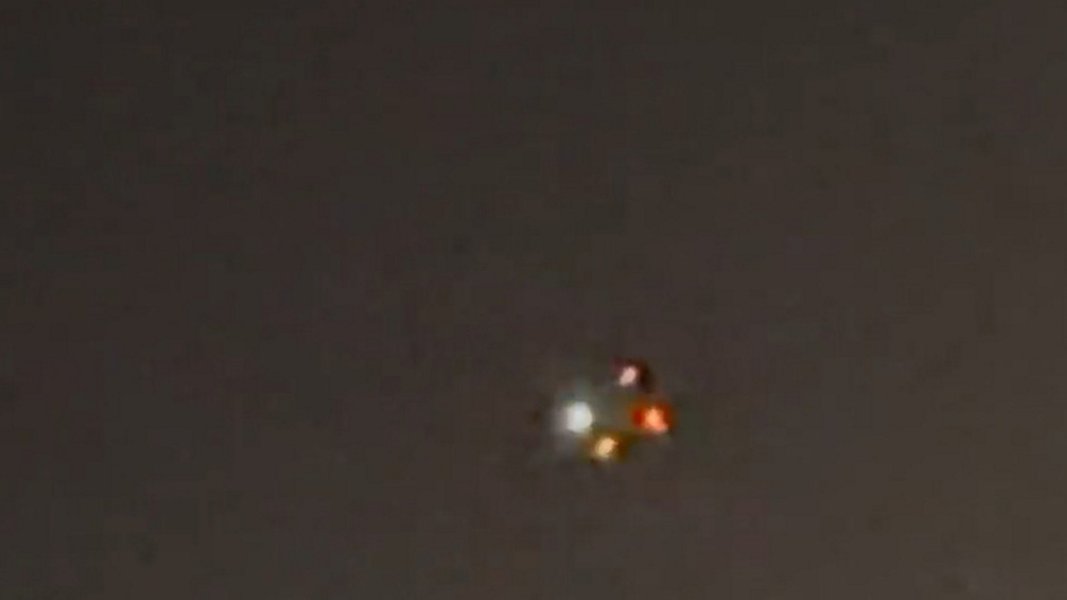
An illustrative image of objects in the sky, highlighting the challenge of differentiating UAPs from conventional aircraft or natural phenomena.
The Multi-Layered Approach to UAP Detection
Detecting UAPs is no longer the sole domain of amateur enthusiasts; it involves a complex interplay of governmental, scientific, and even citizen-led initiatives, all leveraging increasingly sophisticated tools and methodologies.
Advanced Sensor Technologies
At the core of modern UAP detection are diverse sensor systems designed to capture data across various spectrums. This multi-sensor approach is crucial for corroborating observations and filtering out false positives.
Optical and Infrared Systems
- Visible Light Cameras: High-resolution cameras capture visual evidence, often used in conjunction with other sensors.
- Infrared (IR) Cameras: These cameras detect heat signatures, crucial for observing objects that may not be visible to the naked eye or that exhibit unusual thermal properties. AI analysis of IR footage, as seen in systems like the Custom Target Analysis Protocol (C-TAP), can meticulously analyze pixel-by-pixel changes to identify anomalies.
- Night Vision Devices: Enhance visibility in low-light conditions, allowing for observations that would otherwise be impossible.
- Spectroscopy: While more geared towards extraterrestrial life searches, spectroscopic analysis of light emissions could theoretically reveal unusual atmospheric compositions or material properties associated with UAPs.
Radar and Radio-Frequency Detection
- Traditional Radar Systems: These systems bounce radio waves off objects to detect their presence, speed, and trajectory. Military-grade radar, particularly that used by the U.S. Navy, has documented UAPs exhibiting movements that defy known aerodynamic principles.
- Doppler Weather Radar: Can be used to identify atmospheric anomalies or objects not conforming to typical weather patterns.
- Radio-Frequency (RF) Scanners: Detect unusual electromagnetic signals that might be emitted by or interact with UAPs.
Electromagnetic and Magnetic Field Sensors
- Magnetometers: Crucial for detecting sudden shifts or anomalies in magnetic or electromagnetic fields, which have been reported in some UAP encounters. Portable detection kits, including the "Gremlin" system being developed by the U.S. military, often incorporate magnetometers alongside accelerometers and EMF sensors to collect on-site data.
- Radiation Detectors: Devices like Cosmic Watch can detect ionizing radiation, offering another layer of data for comprehensive analysis.
The Transformative Role of Artificial Intelligence
The sheer volume of data generated by modern sensors necessitates advanced analytical tools. Artificial intelligence and machine learning are revolutionizing UAP detection by enabling automated analysis, pattern recognition, and the filtering of mundane explanations.
Automated Data Analysis
AI algorithms, inspired by research in fields like dark matter hunting, are designed to sift through vast datasets from various sensors—video feeds, electromagnetic readings, thermal images, and satellite data. These systems can identify subtle patterns and anomalies that human observers might miss.
Computer Vision and Deep Learning
- Background Subtraction: Computer vision algorithms are employed to detect motion in video feeds, isolating moving objects from static backgrounds for further classification.
- Deep Learning Models: These models analyze infrared sequences to detect and localize moving "particles" or objects. This technique, initially used in scientific contexts like fusion reactors to identify anomalous events, is now being adapted for broader UAP detection.

An infrared image, demonstrating how thermal signatures can reveal objects or phenomena not visible in the optical spectrum.
Integrated Systems and Collaborative Efforts
Effective UAP detection often requires a coordinated effort, combining governmental initiatives with crowd-sourced data and scientific research.
Governmental Oversight and Research
The U.S. Department of Defense's All-domain Anomaly Resolution Office (AARO) is a prime example of a formal governmental body dedicated to systematically studying UAPs. AARO employs a rigorous scientific framework, utilizing purpose-built sensors, unclassified crowd-sourced data, and satellite imagery to investigate reports and characterize phenomena across air, sea, space, and land. The development of portable "Gremlin" sensor systems underscores the military's commitment to real-time data collection and comprehensive analysis.
Satellite Imagery and Data Visualization
Commercial satellite imagery, such as multispectral images from Planet's SuperDove satellites, can detect moving aerial objects by analyzing parallax shifts across spectral band exposures, providing valuable data on velocity. Tools like UFO Tracker then use data visualization techniques (e.g., k-means clustering, parallel coordinates, word clouds) to identify patterns and correlations in crowd-sourced sightings, helping to analyze geospatial reports.
This radar chart illustrates the perceived strength of current UAP detection capabilities compared to an ideal scenario across several key dimensions. While AI analysis and data integration are strong, there's always room for growth in real-time responsiveness and comprehensive sensor coverage to achieve a perfect score of 5 across all metrics.
Citizen Science and Open-Source Initiatives
Beyond official channels, "citizen science" efforts, such as Sky Hub and Sky360, are emerging. These open-source projects leverage networks of cameras and sensors combined with AI to continuously monitor the skies, aiming to build a global database of findings. Such initiatives contribute to broader data collection and increase public engagement in UAP research.
This mindmap illustrates the interconnected components of the UAP detection ecosystem, from advanced sensor networks and AI analysis to the organizational efforts and collaborative initiatives driving the research.
Distinguishing UAPs from Known Phenomena
A crucial aspect of UAP detection is the rigorous process of elimination, ensuring that observed phenomena are truly anomalous and not misidentified known objects or natural occurrences. Most sightings, upon detailed investigation, prove to have prosaic explanations.
Common Misidentifications
Observers are encouraged to rule out a variety of common sky objects and phenomena before labeling something as a UAP:
- Celestial Bodies: Bright planets (Venus, Jupiter), stars, meteors, and even atmospheric effects on celestial light.
- Man-made Objects: Satellites, drones, conventional aircraft (especially experimental or unfamiliar models), weather balloons, high-altitude balloons, and even space debris. Flight trackers like Flightradar24 can help verify aircraft.
- Atmospheric Phenomena: Lenticular clouds, ball lightning, or other unusual weather conditions.
- Optical Illusions: Reflections, camera artifacts, or psychological factors affecting perception.
The Process of Identification and Verification
To accurately identify and categorize a UAP, a systematic process is followed:
- Documentation: Record crucial details like time, date, location, weather conditions, and observer position.
- Evidence Gathering: Capture photos, videos, and sensor readings whenever possible.
- Cross-Referencing: Compare observations against known flight paths, satellite orbits, weather patterns, and astronomical charts.
- Multi-Source Corroboration: Seek independent verification from multiple observers or different sensor types to ensure the phenomenon is not localized or an instrument error.
This video discusses the US military's development of portable UFO detection kits, highlighting the ongoing governmental efforts to systematically gather data on UAPs. It provides context to the technological advancements and strategic approaches being employed.
Emerging Areas: Underwater and Multi-Domain Detection
The scope of UAP detection is expanding beyond the atmospheric domain to include Unidentified Submerged Objects (USOs) and multi-domain phenomena, reflecting reports of objects transitioning between air and water.
Underwater Detection Methods
For USOs, specialized technologies are employed:
- Sonar: Uses sound waves to detect objects underwater, mapping the seafloor and identifying submerged anomalies.
- Hydrophones: Passive acoustic sensors that listen for sounds in the water, which could indicate unusual underwater activity or propulsion.
Some reporting apps, like Enigma UFO, even include features for logging sightings of underwater anomalies, acknowledging the growing interest in and reports of these phenomena.
The 'UAP Trap' Concept
Initiatives like the "UAP Trap" represent a coordinated approach to multi-domain detection. These projects involve strategically networked sensors across various locations, capable of triangulating detections in real-time. By deploying cameras, radars, and other sensors in an integrated network, the aim is to capture comprehensive data on aerial intrusions and anomalous events that might transition between different environments.
Practical Applications and DIY Detection
While government and scientific organizations lead large-scale efforts, individuals can also contribute to UAP detection and observation.
Hobbyist and Consumer-Grade Devices
Consumer-level "UFO detectors" often incorporate magnetometers and microcontrollers to monitor local magnetic field changes. These devices, while not providing authoritative scientific evidence, can alert users to electromagnetic anomalies and serve as an entry point for hobbyists interested in the phenomenon.
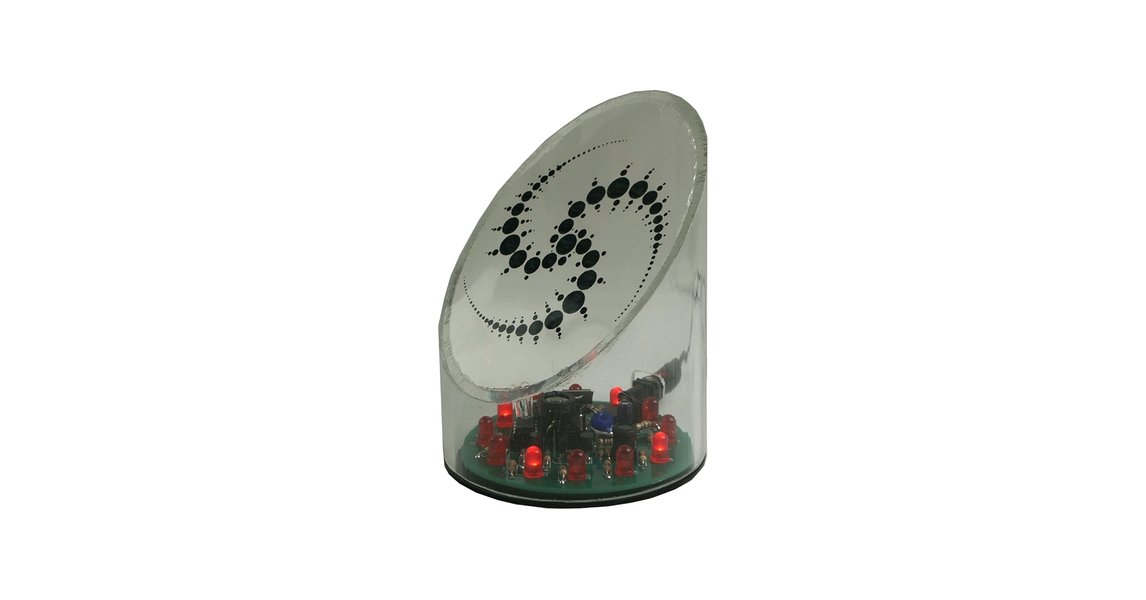
A consumer-grade UFO/UAP detector, typically featuring magnetic field sensors and alert systems for hobbyist use.
Observation and Reporting Guidelines
For any observer, the most effective "detection" begins with informed observation and responsible reporting. Resources like NASA's Night Sky Network provide practical tips for identifying known objects and avoiding misidentifications. When an unexplainable phenomenon is observed, documenting it thoroughly and reporting it to established databases like AARO or MUFON ensures that the data can be analyzed by experts within a scientific framework.
Comparative Analysis of Detection Method Effectiveness
To further illustrate the relative strengths of different UAP detection approaches, the following table provides a comparative overview:
| Detection Method | Primary Modality | Strengths | Limitations | Key Users/Agencies |
|---|---|---|---|---|
| Multi-Sensor Field Observations | Optical, IR, Radar, EM | Comprehensive data, reduced false positives, robust corroboration | Requires extensive equipment, complex data synthesis | AARO, scientific research teams |
| AI & Machine Learning Software | Data Analysis | Automated pattern recognition, handles large datasets, filters noise | Dependent on training data quality, requires computational power | AARO, academic physicists, open-source projects |
| Commercial Satellite Imagery | Optical, Multispectral | Wide-area coverage, velocity measurements, objective data | Limited by resolution, revisit times, atmospheric conditions | AARO, intelligence agencies |
| Portable Detection Kits (e.g., Gremlin) | EMF, Magnetometers, Accelerometers | Real-time, on-site data collection, easy deployment | Localized data, potential for false positives from known sources | U.S. Military, AARO |
| Crowd-Sourced Data & Reporting Apps | Visual, Witness Accounts | Wide geographical coverage, high volume of initial reports | Subjective, prone to misidentification, variable data quality | MUFON, citizen scientists, AARO (as input) |
| Underwater Sonar & Hydrophones | Acoustic | Detects submerged objects, identifies unusual underwater activity | Limited to aquatic environments, affected by ocean noise | Naval forces, oceanographic research |
This bar chart provides an effectiveness score (out of 10) for key elements of UAP detection, reflecting the opinionated analysis of their current impact. Sensor coverage and AI integration are currently highly effective, while community contribution and multi-domain focus, though growing, have further potential for optimization.
Frequently Asked Questions (FAQ)
What is the difference between UFOs and UAPs?
Can I use my smartphone to detect UAPs?
Are there any open-source projects for UAP detection?
What should I do if I think I've seen a UAP?
Are portable UFO detectors reliable?
Conclusion
The journey to detect and understand Unidentified Anomalous Phenomena is a dynamic and evolving field, characterized by increasing technological sophistication and interdisciplinary collaboration. From advanced multi-sensor arrays and AI-driven analytics to governmental research initiatives and burgeoning citizen science projects, the methodologies employed today are far more robust and scientifically grounded than in previous eras. While most reported sightings can be attributed to known objects or phenomena, the systematic collection and analysis of truly anomalous data continue to push the boundaries of our understanding, inviting a future where the unseen may finally be unveiled.
Recommended Further Exploration
- How are UAPs classified and categorized by official bodies?
- What role do satellite constellations play in UAP detection?
- Explore the ethical implications of AI in UAP analysis.
- What are the challenges in validating crowd-sourced UAP data?