
Developing a Growth Mindset
Unlock Your Potential Through Continuous Learning and Resilience
Key Takeaways
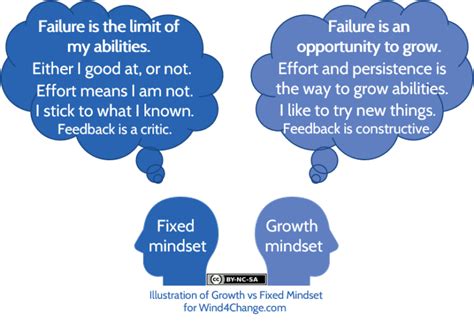
- Embrace Challenges: View obstacles as opportunities to grow and expand your abilities.
- Reframe Failure: Treat setbacks as valuable feedback for improvement rather than as definitive judgments of your capabilities.
- Focus on Effort: Prioritize consistent effort and perseverance over innate talent to achieve long-term success.
Understanding the Growth Mindset
What is a Growth Mindset?
A growth mindset, a term coined by psychologist Carol Dweck, refers to the belief that abilities and intelligence can be developed over time through dedication, effort, and perseverance. This perspective contrasts with a fixed mindset, where individuals believe that their traits and intelligence are static and unchangeable.
The Importance of a Growth Mindset
Adopting a growth mindset fosters resilience, encourages lifelong learning, and enhances overall personal and professional development. It empowers individuals to embrace challenges, persist in the face of setbacks, and continuously seek opportunities for improvement.
Steps to Develop a Growth Mindset
1. Acknowledge and Embrace Imperfection
Recognize that perfection is unattainable and that mistakes are a natural part of the learning process. By embracing imperfection, you can reduce the fear of failure and view each mistake as a stepping stone toward improvement.
2. Challenge Fixed Mindset Traps
Identify and confront areas where you may hold a fixed mindset. For example, if you believe, "I'm not good at math," challenge this by reminding yourself that with effort and learning, your skills can improve.
3. Embrace Challenges
Stepping out of your comfort zone and tackling difficult tasks encourages personal growth. Challenges provide opportunities to develop new skills and enhance problem-solving abilities.
4. Reframe Failure as Feedback
Instead of viewing failure as a negative outcome, see it as valuable feedback. Analyzing what went wrong allows you to learn and apply those lessons to future endeavors.
5. Focus on Effort, Not Talent
Prioritize the effort you put into tasks over inherent talent. Celebrating hard work and persistence reinforces the belief that abilities can be developed through dedication.
6. Adopt a Lifelong Learning Attitude
Commit to continuous learning by seeking out new knowledge, skills, and experiences. Embracing lifelong learning broadens your capabilities and fosters adaptability.
7. Use Positive Self-Talk
Replace negative thoughts with empowering affirmations. For instance, change "I can't do this" to "I can improve with effort" to reinforce a growth-oriented mindset.
8. Seek Feedback and Learn from Others
Actively seek constructive criticism and use it to enhance your skills. Surrounding yourself with individuals who inspire and challenge you can propel your personal growth.
9. Set Goals and Track Progress
Establish clear, achievable goals and monitor your progress. Celebrating small victories along the way maintains motivation and demonstrates tangible growth.
10. Practice Patience and Persistence
Developing a growth mindset is a gradual process that requires consistent effort. Be patient with yourself and stay committed to the journey of self-improvement.
Practical Strategies for Daily Life
Journaling
Reflecting on daily experiences, challenges, and lessons learned reinforces a growth-oriented perspective. Journaling helps in recognizing patterns and tracking personal development.
Mindfulness
Practicing mindfulness keeps you present and reduces anxiety related to failure or judgment. It enhances self-awareness and emotional regulation, which are crucial for maintaining a growth mindset.
Role Models
Studying the lives of individuals who exemplify a growth mindset, such as successful entrepreneurs, athletes, or scientists, provides inspiration and practical examples of growth-oriented behavior.
Gamify Learning
Turning challenges into games or experiments makes the learning process more enjoyable and less intimidating. Gamification can increase engagement and motivation.
Developing Self-Awareness
Monitor Your Thoughts and Reactions
Being aware of your internal dialogue and emotional responses to challenges helps in identifying fixed mindset tendencies. This awareness is the first step toward positive change.
Identify Triggers
Recognize situations or stimuli that lead to fixed mindset thinking. By understanding your triggers, you can prepare strategies to maintain a growth-oriented perspective.
Reframing Your Perspective on Failure
Viewing Failures as Learning Opportunities
Each failure provides insights that can be used to improve future performance. Embracing this perspective shifts the focus from negative outcomes to actionable lessons.
Analyzing Mistakes
Take the time to understand what went wrong and why. This analysis is crucial for preventing similar mistakes and fostering continuous improvement.
Cultivating Curiosity and a Learning Habit
Adopt a Lifelong Learner Attitude
Always seek to learn something new, whether through reading, taking courses, or exploring new hobbies. This habit keeps your mind active and open to growth.
Engage in Challenging Activities
Participate in tasks that push your cognitive and creative boundaries. Challenging activities enhance problem-solving skills and adaptability.
Seek Mentorship
Learning from mentors who embody a growth mindset provides guidance and accelerates your own development. Mentors can offer valuable feedback and encouragement.
Using Affirmations and Visual Reminders
Positive Affirmations
Incorporate affirmations that reinforce a growth mindset into your daily routine. Statements like "I am capable of growth" can rewire your thinking patterns over time.
Visual Cues
Place reminders of your growth mindset goals in visible areas. Visual cues serve as constant prompts to maintain a positive and proactive outlook.
Developing New Strategies
Brainstorming Alternative Approaches
When faced with obstacles, generate multiple solutions. This flexibility encourages creative problem-solving and prevents stagnation.
Learning from Others
Observe how others overcome similar challenges. Adopting effective strategies used by others can enhance your own approach to problem-solving.
Staying Flexible
Be willing to adjust your methods when they aren't yielding desired results. Flexibility ensures continuous progress despite setbacks.
Persistence and Long-Term Commitment
Commit to Continuous Improvement
Focusing on long-term goals rather than immediate perfection ensures sustained growth. Persistence is key to overcoming obstacles and achieving meaningful progress.
Maintaining Effort Over Time
Even when progress seems slow, maintaining consistent effort guarantees eventual success. Patience and perseverance are fundamental to cultivating a growth mindset.
Recap and Conclusion
Developing a growth mindset is a transformative journey that involves embracing challenges, reframing failures, focusing on effort, and committing to continuous learning. By implementing the strategies outlined above, you can cultivate a mindset that empowers you to achieve your goals, overcome obstacles, and continuously grow both personally and professionally.
References
For further reading and additional strategies on developing a growth mindset, consider exploring the following resources:
Last updated January 18, 2025