
Understanding Device Restrictions and Bypassing Methods
A comprehensive analysis of how online apps manage device usage limits
Highlights
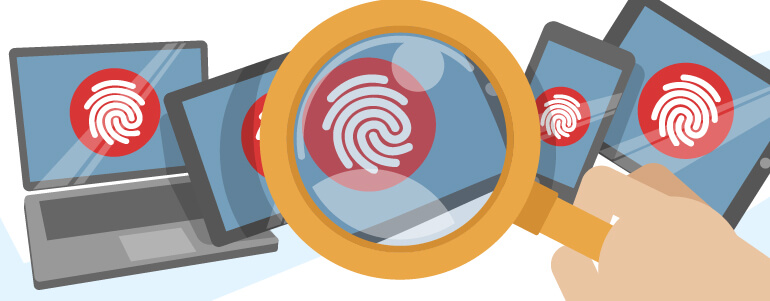
- Device Identification and Session Management: Apps use unique device fingerprints, tokens, and active session controls to restrict access.
- Security and Legal Implications: Any attempt to bypass restrictions can violate terms of service, risking account suspension or legal issues.
- Ethical Usage Guidelines: It is advisable to work within the provided frameworks, contacting support or exploring legitimate solutions when restrictions are problematic.
Mechanisms Employed by Online Apps
Online applications and services enforce usage on a single device to maintain security, ensure fair utilization, and protect licensing models. The underlying concept is to verify and associate a user’s account with a specific device, thereby restricting simultaneous logins from different hardware. The primary methods include device identification mechanisms, session management protocols, and modern authentication strategies.
Device Identification Methods
Applications often begin the authentication process by uniquely identifying the device that is attempting to log in. This is achieved using:
Device Fingerprinting
This method involves collecting a range of identifiable parameters that can include:
- Unique hardware identifiers (such as Device ID or IMEI).
- Software attributes, including operating system version and installed applications.
- Browser fingerprinting metrics, such as IP addresses, browser type, plugins, or other meta-data.
By gathering such details, the service creates a profile that helps it determine whether a subsequent login attempt is originating from the registered device.
Token-Based Authentication
Once a user logs in successfully, the app issues a unique token tied to the device. This token serves as an ongoing authentication measure, so subsequent requests are validated by checking the token against the device profile.
Session and Account Management
Beyond verifying the device at login, apps also manage user sessions to ensure persistent control over account access. Here are the main session-related practices:
Session Management Protocols
Session management is critical to ensuring that only one active session exists per account. Apps commonly use the following techniques:
- Active Session Tracking: The server monitors active sessions and links them to the device-specific token. If a login occurs from a different device, the system may automatically invalidate the previous session.
- Simultaneous Login Restrictions: Once an account is logged in on a device, further login attempts from new devices might either be blocked outright, or they prompt the system to log out the first session.
- Timeouts and Revalidation: Some services enforce periodic revalidation, requiring reintegration of the token or device validation after a preset time period.
Account Registration Controls
In some scenarios, the account or device registration process itself limits the number of devices that can be associated with one account. For example, an app might allow registration on a singular device and not permit new registrations unless the original device is verified as inactive or removed.
Challenges and Implications of Circumventing Restrictions
Many users have been curious about ways to bypass these device restrictions, especially when the limitation might seem inconvenient. However, it is important to understand the broader implications and risks involved in attempting to circumvent such controls.
Security Concerns
Bypassing device restrictions often entails modifying device identifiers or masking the true nature of the device, which inherently undermines the security model designed by the service provider. Many apps implement strict security measures to prevent device spoofing and maintain data integrity. Important concerns include:
Device ID Spoofing
This involves tampering with hardware-based identifiers. The process typically requires advanced technical knowledge, such as rooting or jailbreaking your device, and can expose your system to additional vulnerabilities. Such modifications could lead to:
- Compromised security due to exposure of otherwise protected system files.
- Malfunctions or instability within the operating system.
- The possibility of remote exploits if vulnerabilities are exposed through non-standard modifications.
Virtual Machines and Emulators
Running an application within a virtual environment or emulator can sometimes create the appearance of a different device. However, digital environments often still produce unique identifiers which manufacturers of the application can recognize. In addition, many modern apps incorporate checks that verify the digital environment, leading to possible detection and subsequent blocking.
Legal and Ethical Considerations
Aside from technical challenges, bypassing device restrictions may violate the terms of service agreements established by the application provider. Violating these agreements can result in significant consequences:
- Account Suspension or Termination: Service providers monitor usage patterns and may suspend or permanently ban accounts that exhibit suspicious behavior.
- Legal Consequences: Depending on the jurisdiction and severity of the violation, bypassing security mechanisms might lead to legal actions or fines under laws designed to protect digital infrastructures.
- Risk to Data Privacy: Altering device identifiers can inadvertently expose personal data, leading to privacy breaches or loss of data control.
Network and Software-Based Methods
Some users explore various network configurations or software approaches to mask their device identity. Among these methods are:
Clearing Cookies, Cache, and Reinstalling Apps
Deleting browser data and application caches is a mild approach that might temporarily sidestep recognition mechanisms. However, these methods are usually surface-level and often do not overcome deeper device fingerprinting techniques.
Using VPNs
VPNs can change the apparent IP address of a device, occasionally deceiving systems that rely on IP-based checks. Yet, modern applications integrate multiple verification factors beyond the IP address, rendering VPN usage less effective on its own.
Employing Different Browsers or Devices
Switching operating systems or browsers may appear to offer a quick fix. However, without a significant alteration in how the device fingerprint is calculated, such measures are generally insufficient to bypass restrictions.
Legitimate Approaches and Recommendations
If device restrictions present a genuine issue—such as when upgrades or changes in hardware occur—the following actions offer legal and ethical pathways to resolve device limitations:
Contacting Customer Support
Service providers typically offer customer support channels for account and access issues. Engaging with support teams can lead to:
- Guided troubleshooting to address situations where device changes occur due to legitimate reasons like device damage or loss.
- Account reviews and sometimes adjustments in cases where the user’s requirements evolve.
- Advice on obtaining additional licenses or permissions to use the service on multiple devices if available.
Reviewing Terms of Service
This step is crucial as it outlines the limitations and acceptable usage parameters of the service. The document will generally clarify:
- Detailed descriptions of device limits and session controls.
- Guidelines for updating device information when hardware is changed.
- Potential penalties or actions taken if unauthorized attempts are detected.
Using Alternative, Legitimate Options
Some services offer variations such as multi-device subscriptions or family plans where additional devices are permitted. Therefore, evaluating such options might provide the flexibility desired without risking account security.
Technical Overview Through a Table
| Aspect | Description | Potential Bypass Methods |
|---|---|---|
| Device Fingerprinting | Using hardware identifiers, browser settings, and device specifics to create a unique device profile. | Device ID spoofing (risky and requires advanced modifications) |
| Session Management | Restricting active sessions to prevent simultaneous access on multiple devices. | Using virtual machines or emulators (often detectable) |
| Token-Based Authentication | Issuing unique tokens tied to a device for ongoing authentication. | Attempts to reset tokens by clearing cookies or using VPNs (limited effectiveness) |
Guidelines for Responsible Use
Given the potential risks and consequences, it is essential to emphasize that any attempt to bypass device restrictions must be carried out only after careful consideration of both ethical and legal standards. The following points provide guidelines for users:
Risk Assessment
Before attempting any bypass technique, it is critical to assess the risk associated with the method. Modifying device configurations or circumventing authentication mechanisms can leave your device vulnerable to security breaches. Users must weigh:
- The potential for account suspension, termination, or legal repercussions.
- The exposure of personal data and the integrity of secured information.
- The long-term viability and reliability of any workaround compared to legitimate methods.
Ethical Considerations
Ethically, circumventing restrictive measures undermines the terms agreed upon when registering for a service. It is important to remember that these limitations not only protect the service provider’s interests but also the overall experience and security of all users. In traversing the balance between convenience and compliance, users are encouraged to:
- Adhere to the guidelines set forth in the service’s terms of use.
- Consider the broader impact on the community and the service integrity.
- Seek approved channels such as customer support or legal upgrades if additional device usage is needed.
Summary and Final Thoughts
The implementation of one-device usage limits by online apps is a sophisticated process that relies on multiple layers of device identification, session tracking, and token-based authentication. These techniques not only enhance security but also ensure fair usage and protect intellectual property and revenue models. While there exist methods, such as device ID spoofing, usage of virtual machines or emulators, and network manipulations, these approaches carry significant risks. They may violate terms of service and legal provisions, raising adverse consequences including account suspensions, legal actions, and data breaches.
For those facing issues in light of device restrictions, legitimate alternatives such as contacting customer support, reviewing and complying with the terms of service, or exploring legitimate upgrade options (like multi-device subscriptions) are highly recommended. Working within the established frameworks helps maintain the integrity of the service and safeguards both your personal data and the overall security environment provided by the app.
Conclusion
In conclusion, while the technical construction behind one-device usage controls is multifaceted and robust, any attempt to bypass these mechanisms should be approached with extreme caution. It is important to note that using unofficial or work-around methods could not only compromise your device’s security but also result in significant repercussions, including account bans or legal penalties. Instead, consider communicating with customer support or exploring legitimate service options to resolve device limitations.
References
- Device ID Bypassing - XDA Forums
- User Login Restriction - WPBeginner
- App Enforced Restrictions - Microsoft 365 TechTalk
- Bypass Device Limits - GL.iNet
Recommended
 wordpress.com
 m365techtalk.blogspot.com

Last updated February 27, 2025