
Comparative Analysis: DigiByte's Competitive Edge
Exploring why DigiByte is ideally suited for diverse applications
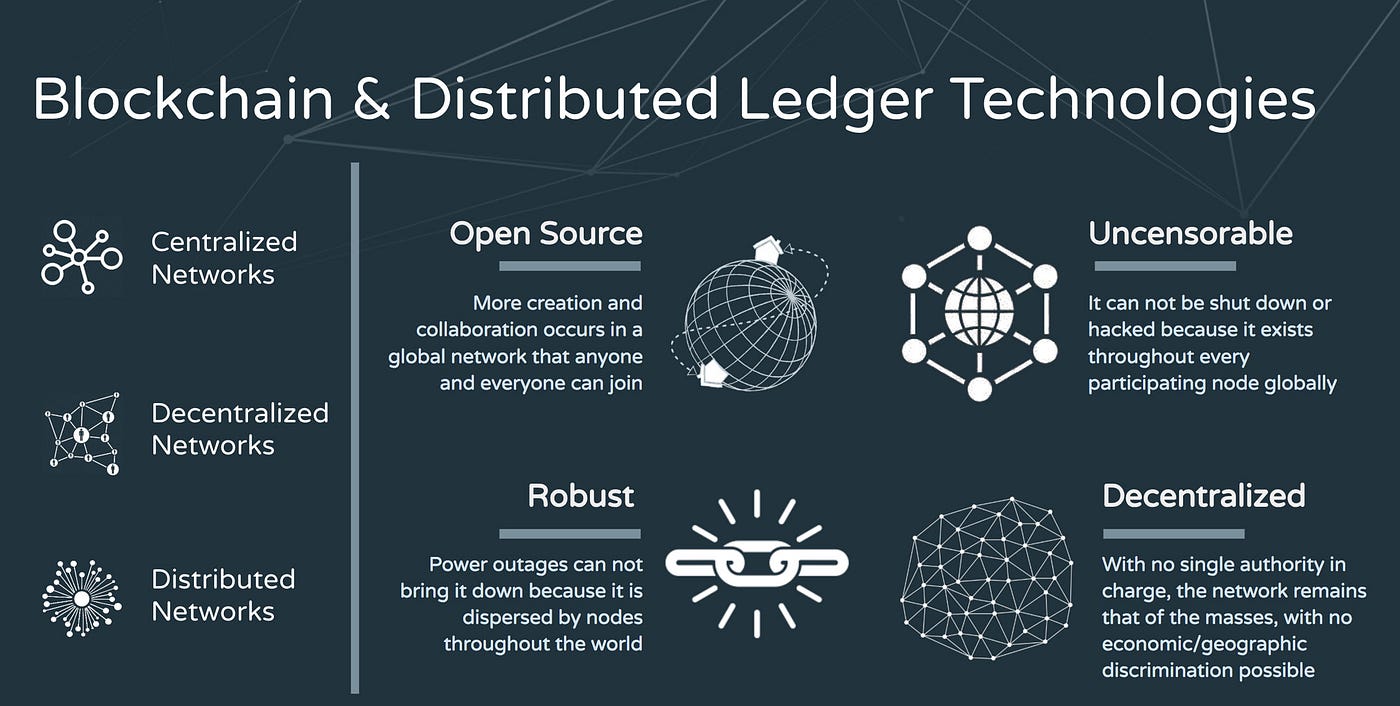
Highlights
- Ultra-low fees and rapid transactions: DigiByte offers near-instant confirmation and negligible transaction fees that are ideal for high-frequency, micropayment scenarios.
- Security and decentralization: With multiple mining algorithms and a robust network, DigiByte delivers enhanced security making it perfect for document preservation and tokenizing real-world assets.
- Cost-effective infrastructure: DigiByte’s low operational costs outperform other blockchains when applied to use cases such as legal document archiving and fractional asset tokenization.
Introduction
DigiByte is a decentralized blockchain platform developed with a focus on speed, security, and cost efficiency. Unlike blockchains that often rely on a single mining algorithm and experience high fees, DigiByte’s multi-algorithm approach and streamlined network protocols position it as a frontrunner for applications that demand high throughput and minimal transaction expenses. In this comprehensive analysis, we delve into why DigiByte is especially suited for a range of applications including document preservation and Real-World Asset (RWA) tokenization. Additionally, we compare its performance against prominent blockchains such as Bitcoin, Ethereum, and Solana, highlighting both technical strengths and cost advantages.
Technical and Economic Advantages of DigiByte
Technical Architecture and Speed
DigiByte operates using a three-layered blockchain network structure that optimizes its capacity to handle a large number of transactions. With block times averaging around 15 seconds and a transaction throughput of up to 1066 transactions per second, DigiByte significantly outperforms traditional blockchains that have slower confirmation times. This rapid processing is critical for applications that require near instantaneous data functionalities, such as real-time payment systems and interactive dApps.
The blockchain leverages multiple proof-of-work algorithms, which not only enhance mining decentralization but also bolster the network’s security against potential attacks, including the dreaded 51% attack. This innovative multi-algorithm design ensures that even if one subset of the network comes under threat or congestion, the remaining algorithms maintain the overall stability of the blockchain.
Cost Efficiency and Transaction Fees
DigiByte is renowned for its extremely low transaction fees, which often amount to fractions of a cent. This low fee structure, typically between $0.00001 and $0.0002 per transaction, makes DigiByte exceptionally cost-effective for use cases involving a high volume of microtransactions. Compared to the fee volatility seen on platforms like Ethereum—where gas fees can spike to several dollars during periods of network congestion—DigiByte's predictable and minimal fee requirements provide a stable environment for applications that handle numerous small-scale transactions.
The economic model is particularly beneficial when scaling applications for mass utilization. Whether it is for embedding numerous digital signatures or processing high-frequency token trades, the financial feasibility of employing DigiByte is greatly enhanced by its lean fee structure.
Security and Reliability
Security remains a paramount concern in blockchain technology. DigiByte’s multi-layered security protocols, including its use of five different proof-of-work algorithms, provide robust protection against various network attacks. This security model is critical for applications where data integrity and trust are non-negotiable, such as in legal document preservation or RWA tokenization where every transaction or data entry is permanently recorded as tamper-proof evidence.
Its decentralization ensures that no single entity or small group controls the network. This level of distributed control helps maintain a consistent and reliable service even as usage scales, further enhancing the trust placed in DigiByte for critical applications.
Application Examples and Use Cases
1. Document Preservation
Document preservation requires a mechanism that guarantees the immutability and verifiability of records over time. DigiByte’s blockchain provides an ideal platform for such applications. By embedding the digital hash of a document into the blockchain, it establishes a time-stamped record that can be independently verified. This is particularly valuable for legal documents, contracts, property records, and academic credentials.
Use Case and Benefits
Use Case: A government or enterprise can securely archive official records by recording a unique hash of each document, ensuring that the original content can be authenticated at any future point.
Benefits:
- Immutable record keeping and instant verification
- Low overhead as the cost to record numerous document hashes is minimal
- Enhanced security through blockchain’s multi-layer architecture
- Efficiency in monitoring document history with real-time updates
Cost Breakdown
Consider a scenario where an organization needs to archive 1000 documents:
- Transaction Cost: Each document preservation operation might involve 1 transaction costing around $0.00001. Thus, 1000 documents would require roughly 0.01 DGB in fees.
- Real Dollar Value: Translating this at current market rates, the cumulative cost remains a fraction of a cent per document even when scaled to thousands, making it vastly affordable compared to other blockchains.
This cost efficiency ensures that even large-scale document archiving remains economically viable, without compromising the system’s integrity.
2. Real-World Asset (RWA) Tokenization
Tokenization of real-world assets allows for the fractional ownership of physical commodities such as real estate, art, or infrastructure, providing liquidity and easier transfers. DigiByte’s infrastructure is highly supportive of this burgeoning use case.
Use Case and Benefits
Use Case: A platform designing a marketplace for real estate fractionalization can utilize DigiByte’s low-cost transactions to represent shares of property ownership securely. Each asset token can be created by embedding related information on the blockchain, ensuring that every transaction or transfer of ownership is recorded immutably.
Benefits:
- Enables fractional investment, lowering barriers to asset ownership
- Efficient and swift transaction settlement, promoting liquidity in secondary markets
- Minimized operational costs due to extremely low transaction fees
- High security guarantees the authenticity of asset token transfers
Cost Breakdown
Let’s consider the costs involved in tokenizing and transferring a real estate asset:
- Initial Tokenization: The process may involve around 2 transactions to create a digital asset token, costing approximately $0.00002 in total fees.
- Subsequent Transfers: Each transfer of ownership (for fractional sales or secondary market trades) could require one transaction at a similar fee, say $0.00001 per transaction.
- Aggregate Cost: In a scenario with multiple transfers (for instance, 20 transactions spread throughout asset lifetime), total fees remain extremely low—around $0.0002—thereby making complex asset trading economically sustainable.
The cumulative fee remains negligible even when the number of transactions scales up substantially, ensuring that tokenization remains cost-effective compared to Ethereum where gas fees could turn such processes into costly ventures.
3. Micropayments and Digital Marketing
DigiByte’s negligible transaction fees and fast processing times also make it a strong candidate for micropayment applications. This includes areas such as content monetization, in-app purchases in gaming, micro-tipping on social media, and pay-per-use digital services.
Use Case and Benefits
Use Case: A digital platform could use DigiByte for micropayments, where users pay extremely small amounts to access premium content or reward content creators.
Benefits:
- Ultra-low fees enable transactions even of the smallest amount to be viable
- Near real-time confirmation ensures a smooth user experience
- Scalability supports millions of microtransactions without performance degradation
- Security safeguards the integrity of small-value transactions
Cost Breakdown
For micropayments, imagine a scenario where users perform 100 transactions:
- Transaction Fee: At $0.00001 per transaction, the total fee would be around $0.001 for 100 transactions.
- Overall Impact: This low cost ensures that micropayments remain economical and attractive for both the service providers and users.
4. Additional Use Cases and dApp Development
Beyond the two primary use cases of document preservation and RWA tokenization, DigiByte’s infrastructure also supports the development and deployment of decentralized applications (dApps). These dApps can range from gaming platforms and secure authentication using blockchain-based identity solutions to payment processing systems that benefit from rapid execution and low cost.
Developers are attracted to DigiByte’s environment because it minimizes financial overhead related to continuous transaction processing and enables innovation without the burdens of unstable gas fees or extended delays.
Comparative Blockchain Efficiency
To better understand where DigiByte stands in the spectrum of popular blockchains, the following table provides a side-by-side comparison of key performance indicators:
| Feature | DigiByte | Ethereum | Bitcoin |
|---|---|---|---|
| Transaction Speed | 15 seconds | ~15 seconds* (with scaling solutions) | ~10 minutes |
| Transactions Per Second (TPS) | Up to 1066 TPS | ~30-100 TPS (mainnet) | ~7 TPS |
| Transaction Fees | Negligible (around $0.00001-$0.0002) | Variable (can be high during congestion) | High ($1-$5 per transaction, roughly) |
| Security | Multi-algorithm and decentralized | Smart contract-based; subject to gas fee manipulation | Highly secure but slower and costlier |
*Note: Ethereum’s transaction speeds have improved with scaling solutions such as Optimism. However, standard on-chain transactions continue to be influenced by gas fee fluctuations, making DigiByte more economically feasible for high transaction volume applications.
Conclusion and Final Thoughts
DigiByte’s innovative design focused on high throughput, exceptional security, and ultra-low transaction fees makes it an ideal blockchain for a diverse range of applications. Whether you are considering secure document preservation where integrity and immutability are critical, or the tokenization of real-world assets which demands fast, cost-effective transactions and fractional ownership capabilities, DigiByte stands out as a robust solution.
The cost breakdowns highlighted across multiple use cases illustrate that DigiByte dramatically lowers the barrier to entry and operational expenses—enabling even applications with high frequency, minimal value transactions to be both secure and economically sustainable. Additionally, its global community and decentralized nature further enhance trust and long-term viability. In comparison with Ethereum and Bitcoin, where high fees and prolonged confirmation times are trade-offs for broader functionality or community adoption, DigiByte offers a specialized environment that is optimized for speed, security, and minimal costs. Its technical advantages and cost-efficiency suggest that in scenarios where microtransactions and secure data packaging are essential, DigiByte provides unmatched operational benefits, making it an asset in both digital and traditional economic contexts.
References
- DGB Comparison Discussion - Reddit
- Digibyte Overview - The Crimson
- DigiByte Official Site - DigiByte
- DigiByte Use Cases - NowPayments
- What is DigiByte? - The Motley Fool
- DigiByte vs Bitcoin Transaction Fees - Medium
Recommended Queries
Last updated February 19, 2025