
Uncovering the Environmental Impact of the Dhanora Incident
An in-depth exploration of the environmental consequences of coal mining accidents in Dhanora
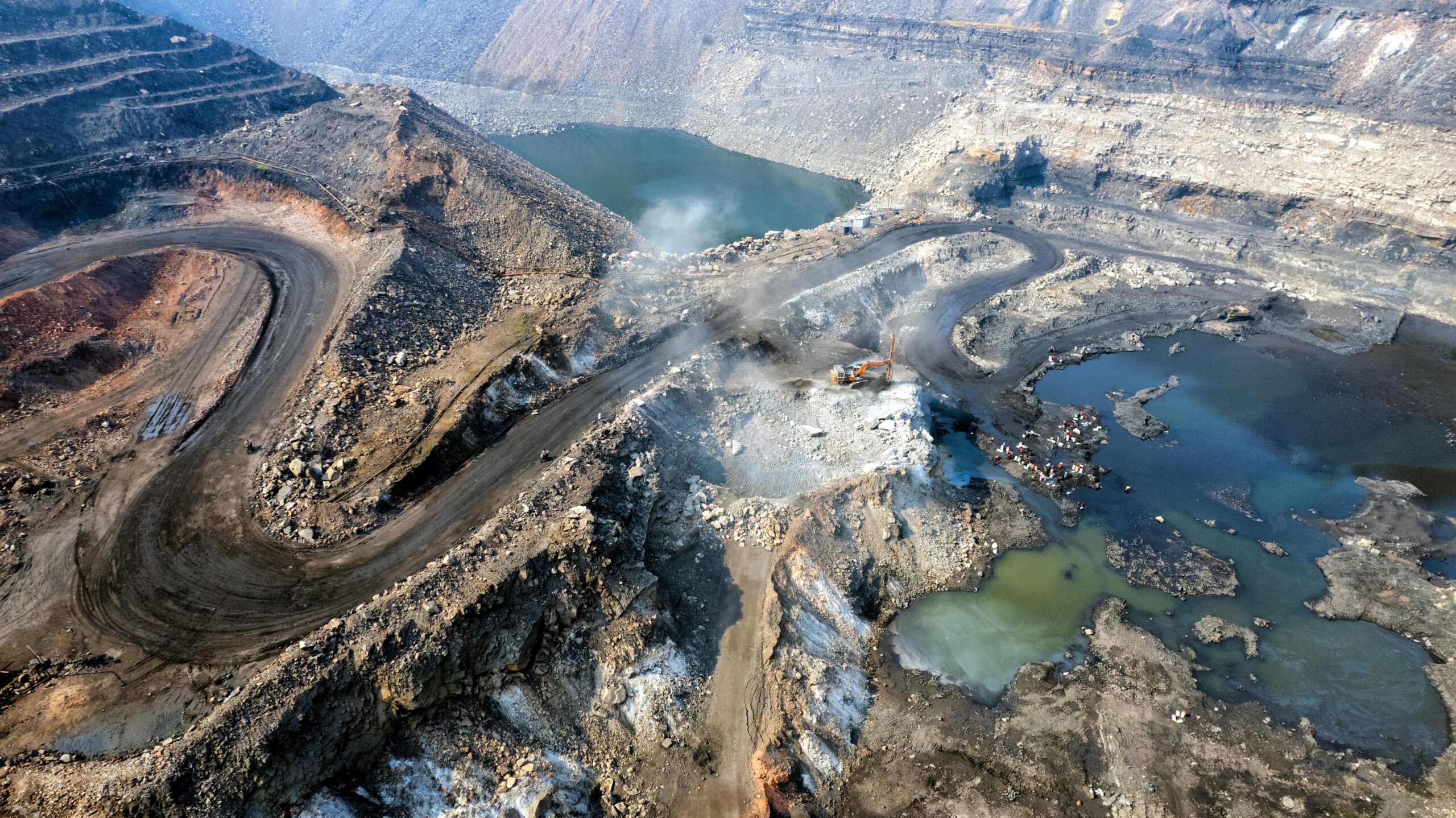
Highlights
- Regional Ecosystem Disruption: Coal mining incidents like Dhanora severely disturb natural landscapes and biodiversity.
- Pollution Across Mediums: Air, water, and soil contamination are major concerns, impacting human health and agriculture.
- Long-Term Environmental Legacy: Post-incident effects such as land degradation and persistent chemical hazards require sustained remediation.
Overview of the Dhanora Coal Mine Incident
The Dhanora coal mine incident, particularly referenced to events such as the mine collapse that occurred on December 29, 2016 at Eastern Coalfields Ltd's facility in the Burdwan district of West Bengal, India, serves as a stark illustration of the environmental challenges presented by coal mining. Although comprehensive reporting on every specific detail may be limited, the incident exhibits many of the recurring themes inherent in coal mine accidents. Such accidents produce cascading environmental impacts that disrupt natural ecosystems, lead to significant contamination of vital resources, and leave a legacy of degradation that can persist long after mining operations have ceased.
Key Environmental Impacts
1. Land Degradation and Habitat Destruction
Overview
One of the most immediate and visible impacts following the Dhanora incident is significant land degradation. Coal mining operations typically involve the removal of vast quantities of overburden and extraction of coal seams, which leads to a marked change in the landscape. The collapse or accidental disturbances exacerbate this situation by destroying vegetation and altering the natural land contours. The sudden removal of topsoil not only disrupts any existing vegetation but also decreases the land’s natural ability to regenerate, often resulting in long-term scarred landscapes that are unsuitable for agriculture or natural flora and fauna.
Habitat Disruption
The removal of forest cover and disruption of soil during mining operations have led to a significant loss of biodiversity. Native species that once thrived in these ecosystems are forced to relocate, adapt, or face extinction. This habitat disruption is compounded by the creation of barren or irregular terrains that inhibit the re-establishment of native species, fundamentally transforming ecological balances.
2. Water Contamination
Contamination Sources
The Dhanora incident has had pronounced effects on local water systems. During incidents such as mine collapses or flooding events following a collapse, coal dust and harmful byproducts, including heavy metals and other pollutants from coal ash, are released in large amounts. These substances contaminate nearby rivers and groundwater reserves. In the Dhanora event, nearby water bodies like the Ajay River reportedly experienced a surge in levels of pollutants that negatively impact both aquatic ecosystems and the quality of water available for human consumption.
Impact on Aquatic Life and Human Health
Contaminants entering the water supply pose significant risks to aquatic organisms, leading to disrupted reproductive cycles or outright mortality in sensitive species. Moreover, communities that depend on these waters for drinking, agriculture, or fishing face the dual threat of health hazards and economic impacts. The persistence of these pollutants can lead to prolonged periods of water quality issues, requiring expensive and complex remediation measures.
3. Air Pollution and Particulate Matter Emissions
Dust and Particulate Matter
Another direct consequence of the Dhanora incident is a spike in air pollution. The mechanical disturbances involved in the incident released significant amounts of coal dust and particulate matter into the atmosphere. Monitoring data post-incident revealed elevated levels of PM10 and PM2.5—particles that can penetrate deep into the lungs and trigger respiratory issues. These high concentrations of dust not only have immediate health implications for local populations but also contribute to chronic respiratory diseases over time.
Chemical Emissions
In addition to dust, the possibility of secondary chemical reactions—such as those forming acid rain—is another concern. For instance, if the coal reacts with moisture or other atmospheric compounds, it can lead to the formation of harmful acidic compounds that degrade both the natural environment and man-made structures.
4. Soil Contamination
Contaminant Deposition
The deposition of coal particles along with heavy metals such as lead, copper, and zinc has led to notable soil pollution around the affected areas. This contamination reduces soil fertility, making it less viable for agriculture and natural vegetation. Pollutants in the soil can migrate through the ecosystem, entering food chains and affecting human health through the consumption of contaminated local produce.
Long-Term Soil Health
Long-term exposure to these pollutants can lead to persistent alterations in soil chemistry, thereby inhibiting microbial activity that is essential for nutrient cycling. Consequently, this damage has far-reaching implications for local agriculture and natural flora, potentially disrupting food security in communities that rely on surrounding lands for their sustenance.
5. Greenhouse Gas Emissions and Climate Impact
Emission of Methane and CO2
The Dhanora coal mine incident is also associated with increased emissions of greenhouse gases. During mining accidents, trapped methane—a potent greenhouse gas—can be abruptly released into the atmosphere. Furthermore, any resultant fires or uncontrolled combustion processes may lead to a release of carbon dioxide, contributing to the broader issue of climate change. These emissions add to the cumulative global warming potential attributed to coal mining activities.
Broader Climate Change Effects
While global statistics indicate that coal contributes significantly to CO2 emissions, local events such as the Dhanora incident exacerbate these issues by adding sudden, unplanned inputs of greenhouse gases. Over time, these emissions contribute to the intensification of climate change, leading to adverse weather patterns and further environmental degradation.
6. Socioeconomic and Community Impacts
Implications for Local Communities
Beyond physical environmental degradation, the incident profoundly affected local communities. Air and water pollution, along with degraded land quality, not only pose direct health risks such as respiratory illnesses but also threaten the economic stability of communities. Many local populations depend on agriculture and natural resources for their livelihoods; the degradation of these resources translates to diminished economic opportunities and increased public health challenges.
Response and Restoration Efforts
In response to such incidents, authorities have initiated a series of rescue, relief, and rehabilitation operations. These involve both immediate measures—such as emergency medical aid and mitigation of pollution spikes—and long-term strategies aimed at environmental monitoring, waste management, and land reclamation. However, despite these measures, many challenges remain in fully restoring the affected ecosystems.
Environmental Monitoring and Restoration Measures
In the wake of major incidents like that at Dhanora, a comprehensive environmental response is necessary. Monitoring systems record variations in air quality, water purity, and soil composition. In the Dhanora incident, continuous monitoring revealed the following:
| Parameter | Observed Impact | Long-Term Concerns |
|---|---|---|
| Air Quality (PM10, PM2.5) | Spike in particulate matter causing respiratory issues | Continued exposure leading to chronic respiratory diseases |
| Water Quality (TSS, TDS) | Elevated levels of pollutants and sediments | Degradation of aquatic ecosystems and unsafe drinking water |
| Soil Composition | Contamination with heavy metals including lead and zinc | Reduced soil fertility adversely affecting agriculture |
| Greenhouse Gases | Sudden releases of methane and CO2 | Contributing factors to global warming and climate change |
The mitigation strategies implemented following the Dhanora incident included rescue and relief operations, extensive environmental monitoring, waste management to minimize the dispersion of pollutants, and targeted rehabilitation efforts such as land reclamation and ecosystem restoration. Importantly, ongoing research into improved mining safety and environmental restoration techniques is critical to systematically reduce the risks associated with such incidents.
Integrating Preventive Measures
While the environmental impacts of coal mining accidents are profound, integrating robust preventive measures can help mitigate future risks. Comprehensive environmental impact assessments (EIAs) should be standard practice prior to initiating mining activities. These assessments help identify potential hazards and frame guidelines for operational safety and environmental preservation.
Regulatory Frameworks
Policy Guidelines and Enforcement
Strengthening regulatory measures at the national and regional levels is crucial. Strict adherence to safety protocols, continuous monitoring of environmental indicators, and enforcing limits on pollutant emissions can reduce the frequency and severity of environmental disasters. Additionally, investing in modern mining technologies that reduce human error and environmental harm plays a significant role in preventing such incidents.
Community Engagement and Support
Local Involvement
Engaging with local communities to educate them about the potential risks and how to monitor environmental parameters can facilitate quicker responses in case of emergencies. Programs that include community training in environmental monitoring and emergency response help empower residents, thereby ensuring a more resilient local ecosystem.
Bridging Communication Gaps
Transparent communication between mining companies, government agencies, and communities is key to ensuring that corrective actions are implemented swiftly when incidents occur. Information-sharing mechanisms and public access to environmental data can foster a collaborative effort aimed at mitigating risks and pursuing a sustainable recovery.
Future Directions in Environmental Management
The legacy of the Dhanora coal mine incident highlights the need for a balanced approach to industrial progress and environmental stewardship. Future initiatives may incorporate:
Advanced Monitoring Technologies
Utilizing Real-Time Data
Advances in sensor technology and real-time data analytics allow for more precise tracking of environmental parameters. Modern systems can promptly detect anomalies in air quality, water purity, and soil health—ensuring that interventions are timely and effective.
Sustainable Remediation Practices
Eco-Friendly Reclamation
Research into sustainable land reclamation techniques is critical. Methods such as phytoremediation—using plants to absorb and break down pollutants—provide a more natural and less intrusive means to restore affected sites. Incorporating these methods not only rehabilitates landscapes but also helps re-establish biodiversity.
Collaboration for a Safer Future
Multi-Stakeholder Engagement
Successful environmental management of mining areas relies heavily on coordinated efforts among governments, the private sector, academia, and local communities. Joint initiatives and research projects can drive the development of best practices in mining safety and environmental preservation. Building a consensus around innovative practices ensures that incidents like the Dhanora collapse serve as learning opportunities rather than recurring tragedies.
References
- How Coal Mining Harms the Environment - Environment America
-
Environmental Impact Assessment - ScienceDirect
- Effects of Coal Mining in Jharkhand - SlideShare
-
Coal and the Environment - U.S. Energy Information Administration
-
Health and Environmental Impacts of Coal Mining - PMC
Recommended Further Queries

Last updated March 23, 2025