
Introduction
Exploring Diagnostic Challenges in Somatic Symptom Disorder and Cervical Spinal Canal Stenosis
Key Takeaways
- Prevalence Insights: Somatic symptom disorder affects approximately 5–7% of the general population and is often misattributed, masking underlying somatic etiologies.
- Diagnostic Complexities: A significant portion of patients initially diagnosed with a psychological condition may harbor an organic pathology, such as cervical spinal canal stenosis.
- Risks of Delayed Intervention: Timely and comprehensive evaluation is critical as delayed diagnosis of cervical spinal canal stenosis can lead to irreversible neurological deficits.
Somatic symptom disorder (SSD) represents a clinical challenge in the realm of diagnostic medicine. Characterized by persistent physical symptoms, SSD often invites a predominant focus on psychosomatic etiologies. With an estimated prevalence of approximately 5–7% in the general population, and even higher rates observed in primary care and specialized settings, SSD has become a focal point of modern clinical practice. However, while the diagnostic criteria emphasize chronic pain and fatigue paired with significant distress and disability, recent research indicates that these symptoms may sometimes have an underlying organic origin. Indeed, studies suggest that as many as 20% of patients initially diagnosed with SSD might eventually be revealed to have a non-psychological etiology, reinforcing the necessity for comprehensive and systematic medical evaluations.
In clinical settings, the overlap between SSD and physical illnesses creates complex diagnostic scenarios. When patients present with chronic pain and other somatic complaints without obvious radiological, biochemical, or pathological evidence, a diagnosis of SSD is frequently considered. However, this approach risks overlooking organic conditions that, when left untreated, may result in irreversible damage or significant morbidity. This risk is exemplified in the case of cervical spinal canal stenosis, a degenerative condition that narrows the spinal canal in the neck and can compress nerve roots and the spinal cord, leading to symptoms that closely mimic those seen in SSD.
Cervical Spinal Canal Stenosis: Overview and Clinical Significance
Cervical spinal canal stenosis is a condition characterized by the narrowing of the cervical spinal canal, primarily due to degenerative changes such as disc herniation, osteophyte formation, and ligamentum flavum hypertrophy. While the prevalence of this condition is particularly notable in the aging population—with studies suggesting that roughly 1 in 1000 individuals over the age of 65 may be affected—the condition can also present in younger individuals when predisposing factors such as congenital spinal canal narrowing or traumatic injury are involved.
The clinical manifestations of cervical spinal canal stenosis include chronic neck pain, sensory disturbances such as numbness and tingling in the upper extremities, motor weakness, and in more advanced cases, gait disturbances and balance impairment. These symptoms are often insidious in onset and can be mistaken for manifestations of psychosomatic disorders, such as SSD. The typical clinical presentation may include not only pain but also functional limitations that compromise the patient’s quality of life. Consequently, differentiating between SSD and an underlying structural pathology becomes paramount, as misdiagnosis can lead to inappropriate treatments and prolonged patient distress.
Prevalence Data and Diagnostic Considerations
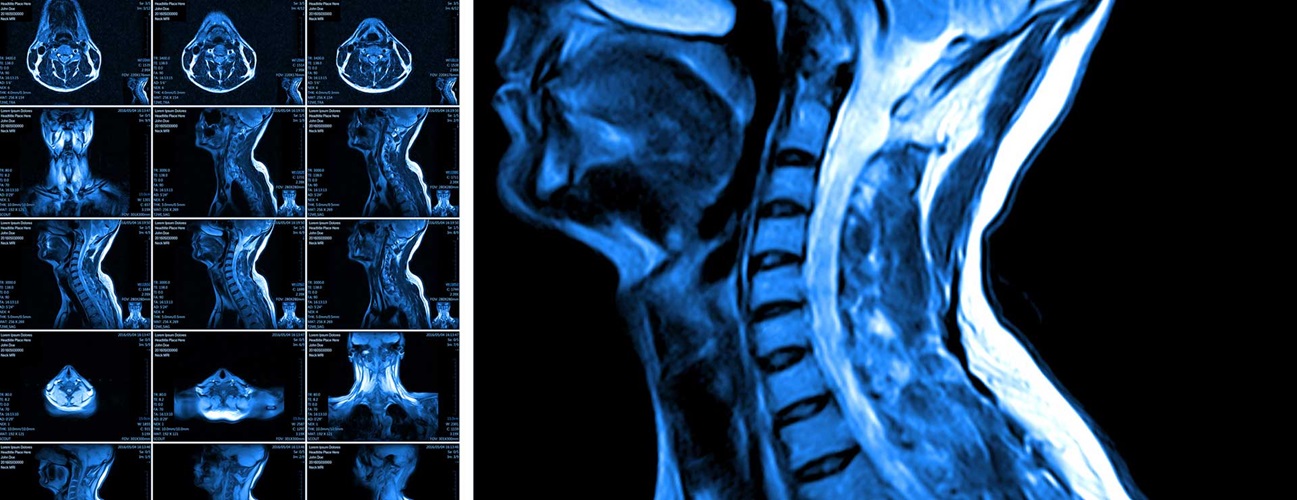
The diagnostic process for SSD has traditionally relied on the absence of an identifiable organic pathology after extensive evaluation. However, emerging data indicate that a significant proportion of individuals initially diagnosed with SSD will later be found to have conditions such as cervical spinal canal stenosis. Epidemiological studies estimate that approximately 20% of patients identified with chronic somatic complaints may harbor an underlying medical disorder that is contributory to their symptoms. This highlights the critical need for a thorough diagnostic workup, employing advanced imaging techniques—particularly magnetic resonance imaging (MRI)—to elucidate underlying anatomical abnormalities.
To illustrate the clinical findings more clearly, the following table summarizes key differences between SSD and cervical spinal canal stenosis:
| Parameter | Somatic Symptom Disorder | Cervical Spinal Canal Stenosis |
|---|---|---|
| Prevalence | Approximately 5–7% of general population | Higher in elderly; seen in 1/1000 individuals >65 years |
| Diagnostic Approach | Clinical criteria, psychological assessment | Detailed neurological exam and imaging (MRI/CT) |
| Common Symptoms | Chronic pain, fatigue, somatic preoccupation | Neck pain, numbness, weakness, gait disturbances |
| Risks of Delay | N/A—primarily psychological | Progressive neurological deficits and irreversible myelopathy |
The diagnostic challenges are further compounded by cognitive biases such as anchoring, where clinicians may prematurely categorize symptoms as psychosomatic without extensive investigation. This phenomenon not only increases the risk of misdiagnosis but also contributes to delays in initiating appropriate interventions. The delay, in turn, may result in permanent neurological damage, especially when the compression of the spinal cord progresses to cervical myelopathy—a serious condition that can lead to significant impairments in motor and sensory functions.
As the case under discussion demonstrates, a patient who presented with symptoms suggestive of SSD was eventually found to have cervical spinal canal stenosis. This transformation in diagnosis serves as an important reminder of the need for a balanced approach in evaluating patients with chronic somatic complaints. A multidisciplinary evaluation that integrates both neurological and psychiatric assessments is essential to achieve an accurate diagnosis and to design a treatment plan that addresses the underlying pathology rather than merely its symptoms.
Overall, the intersection between somatic symptom disorder and organic conditions like cervical spinal canal stenosis calls for greater vigilance among healthcare professionals. This case emphasizes that a thorough medical investigation should always be pursued when patients present with complex somatic complaints. The integration of detailed patient history, clinical examination, and advanced imaging techniques is key to distinguishing between purely psychological manifestations and those resulting from underlying structural changes.
Risks Associated with Delayed Diagnosis
Delaying the diagnosis of cervical spinal canal stenosis is fraught with risks. Prolonged compression can lead to the development of myelopathy, characterized by irreversible damage to the spinal cord. This damage may manifest as permanent motor or sensory deficits, and in severe cases, bladder dysfunction and gait instability. Prompt identification and intervention are therefore essential not only to alleviate symptoms but also to prevent long-standing neurological deficits.
Conclusion
In conclusion, the diagnostic journey illustrated by this case report underlines the complexity of distinguishing somatic symptom disorder from underlying organic conditions such as cervical spinal canal stenosis. It reinforces the notion that, despite the high prevalence of SSD in clinical practice, clinicians must maintain a comprehensive differentiated diagnostic strategy to avoid misdiagnosis and delay in treatment. Early and accurate identification using a multidisciplinary approach remains key to optimizing patient outcomes.
References
-
Multiple Myeloma Misdiagnosed As Somatic Symptom Disorder - National Center for Biotechnology Information
- Chronic Pain, Psychopathology, and DSM-5 Somatic Symptom Disorder - Sage Journals
- Somatic Symptom Disorder - Mayo Clinic
- Cervical Stenosis - Physiopedia
- Cervical Spinal Stenosis - DynaMed
More
Last updated February 19, 2025