
The Diamond Necklace by Guy de Maupassant
A comprehensive exploration of introduction, themes, summary, and characters
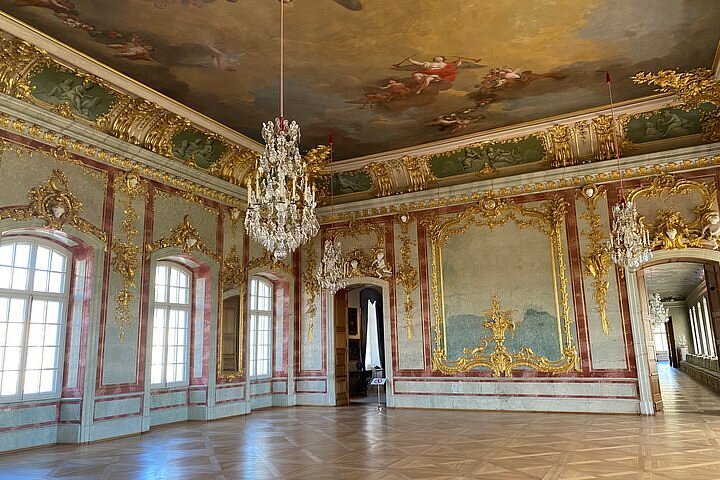
Key Insights
- The Deceptive Nature of Appearances: A central idea in the story that exposes the gap between external glamour and internal reality.
- The Cost of Material Ambition: The narrative deeply examines how yearning for wealth and social status can lead to life-altering sacrifices.
- Character Complexity and Social Commentary: Through characters like Mathilde, Monsieur Loisel, and Madame Forestier, the social pressures and class distinctions of 19th-century France are vividly critiqued.
Introduction
"The Diamond Necklace" (or "La Parure") is a celebrated short story penned by Guy de Maupassant, first published in 1884. Set against the backdrop of 19th-century French society, the story follows Mathilde Loisel, a woman trapped by her own dissatisfaction with her modest middle-class existence. Desiring the opulence and admiration of a higher social echelon, Mathilde dreams of a luxurious lifestyle far removed from her reality. Maupassant uses this narrative as a biting commentary on the societal obsession with wealth and external appearances. Through the unfolding events, he highlights the inherent irony where a pursuit of superficial excellence leads to a life dominated by suffering and hardship.
As the narrative unfolds, Maupassant critiques the societal differences that separate the classes. In a society that values outward glamour over inner worth, Mathilde’s desire to mingle with the elite sets her on an irreversible path. Her aspiration to utilize material objects as a means of gaining acceptance is showcased most vividly when she borrows a seemingly expensive diamond necklace—a symbol that ultimately represents an illusion. This deeply reflective critique of materialism is at the heart of "The Diamond Necklace", echoing universal themes that remain relevant in any era marked by social stratification and the relentless pursuit of status.
Analyses of Themes
Reality Versus Appearance
One of the most resonant themes in "The Diamond Necklace" is the stark contrast between appearance and reality. Mathilde’s world is defined by an obsession with outward appearances. She yearns for the glamour that she perceives to be the world of the rich and powerful. Every detail of her life, from the exterior elegance she hopes to showcase at social events to the expensive jewelry she borrows, is an attempt to mask the mundanity and hardship of her real circumstances. The diamond necklace becomes a potent symbol of this theme: although it appears to be a valuable, glittering asset, it is later revealed to be a mere imitation with negligible intrinsic worth.
Materialism and Social Aspiration
At the heart of the narrative is a critical examination of materialism and the desire for upward social mobility. Mathilde’s discontent and ambition lead her to value wealth above all else, and this unattainable desire pushes her to make decisions that drastically alter her course of life. The story is an exploration of how the allure of a wealthy lifestyle, with its attendant promise of admiration and success, can blind one to the inherent dangers of living in a world that prizes superficial symbols of status. In doing so, Maupassant warns his readers that the pursuit of material gains can lead to a downfall that is both costly and irrevocable. The societal pressure to conform to a standard of opulence forces individuals, like Mathilde, to sacrifice their peace and stability, often with tragic consequences.
Vanity, Pride, and the Price of Appearances
The destructive nature of vanity and pride is another significant theme explored in the story. Mathilde’s vanity not only blinds her to the beauty of a simpler life but also instigates a series of poor decisions that ultimately lead to prolonged suffering. Her desire to appear affluent compels her to borrow an extravagant necklace, and the loss of this borrowed gem sets off a chain reaction of events that exacts a heavy emotional and financial toll. In a society where personal worth is measured by material possessions, Mathilde’s tragic journey serves as a cautionary tale, demonstrating that the pursuit of status, when based solely on superficial markers, is often illusory.
Sacrifice and the Inevitability of Consequences
The narrative also underlines the heavy cost of pride and pretense in the form of personal sacrifice. Mathilde and her husband, in their bid to replace the lost necklace, plunge into severe debt. Their decade-long struggle to compensate for an item that symbolized more illusion than reality showcases the inevitability of consequences that accompany deceit and misguided aspirations. This sacrifice is emblematic of a broader societal critique: in the race for a higher social status, not only are personal relationships and well-being jeopardized, but the price of unbridled ambition is ultimately brutal and unyielding.
Summary
Plot Overview
"The Diamond Necklace" follows the tragic trajectory of Mathilde Loisel, a woman who is painfully dissatisfied with her mundane middle-class existence. Despite her modest circumstances, Mathilde dreams of luxury and refinement—a life where wealth and beauty command admiration. Her yearning is fueled further when her husband secures an invitation to a prestigious ball. This event is seen by Mathilde as the perfect opportunity to showcase the very lifestyle she has always aspired to, yet her wardrobe and social graces fall short of those belonging to the elite.
Desperate to transform her appearance, Mathilde borrows a stunning diamond necklace from her affluent friend, Madame Forestier. For one magical night at the ball, she basks in the admiration and envy of those around her as she embodies the sophistication and glamour she had long coveted. However, fate takes a cruel turn when, upon returning home, Mathilde discovers that the cherished necklace is missing. Determined to avoid the shame and dishonor of confessing her loss, she and her husband make the drastic decision to replace the necklace.
The act of replacing the necklace plunges the couple into a decade of grueling hardship. They accumulate debts so severe that they are forced to sacrifice not only their material comforts but also their youth and dreams. It is only at the culmination of these years of penance and suffering that Mathilde learns the ultimate twist of irony: the original necklace was a cheap imitation, bearing little to no real value. This revelation lays bare the futility of her sacrifices and underscores the bitter message that the pursuit of appearances, when unmoored from reality, can only lead to irreversible ruin.
Characters
Mathilde Loisel
Mathilde Loisel, the central figure of the narrative, is a woman of striking beauty and significant inner conflict. Born into a modest middle-class family, Mathilde harbors an unyielding desire for a high-society lifestyle that she believes she rightfully deserves. Her overwhelming dissatisfaction with her current circumstances shapes her ambitions and drives her decisions throughout the story. Mathilde is a study in contrasts: while her external beauty suggests the possibility of grace and poise, her internal world is marked by vanity, insecurity, and a relentless self-deception. This dichotomy is central to the story’s thematic exploration of appearance versus reality.
Monsieur Loisel
In stark contrast to his wife, Monsieur Loisel is a symbol of humility and conscientious sacrifice. As a clerk and a man of modest means, his life is characterized by hard work and an unwavering commitment to supporting his family. Despite being aware of Mathilde’s excessive desires and the risks associated with her ambition, he consistently stands by her side, willing to endure personal hardship for her sake. His character embodies selflessness and the often tragic consequences of misplaced loyalty and love. The sacrifices he makes—ranging from expenditures that undermine their financial stability to years spent repaying an insurmountable debt—serve as a poignant commentary on the real cost of chasing illusory dreams.
Madame Forestier
Madame Forestier, Mathilde's affluent friend, is the owner of the diamond necklace that catalyzes the entire series of events. Her character is emblematic of the upper echelon that Mathilde desperately wishes to join. By lending Mathilde the necklace, Madame Forestier inadvertently sets into motion the chain of events that lead to the Loisel family's downfall. In a quiet yet profoundly ironic twist, it is Madame Forestier who later reveals that the necklace was nothing more than an imitation—a fact that throws into sharp relief the story's central message about the deceptive nature of appearances and the high price of vanity.
Detailed Comparative Table
| Aspect | Description | Representative Elements |
|---|---|---|
| Introduction | An exploration of discontent, materialism, and societal pressure in 19th-century France. | Mathilde's dreams, the allure of wealth, societal constraints |
| Core Themes | Issues such as reality versus appearance, the costly pursuit of materialism, and the pitfalls of vanity and pride. | The fake necklace symbolizes deception; extreme sacrifices for superficial gains. |
| Summary | A narrative chronicling Mathilde’s plunge from ephemeral glamour to enduring poverty, all triggered by an attempt to defy her social status. | The ill-fated ball, the loss and replacement of the necklace, a decade-long downfall. |
| Character Analysis | A detailed look at the motives and personality traits of main characters, reflective of broader social commentaries. | Mathilde's vanity, Monsieur Loisel's sacrifice, Madame Forestier’s ironic role. |
Additional Insights
Literary Realism and Its Implications
Maupassant is celebrated for his use of literary realism, a style that strives to depict everyday life with unsentimental honesty. "The Diamond Necklace" is a stellar example of this approach; it eschews romanticised portrayals of society in favor of a more grounded, sometimes bitter, exploration of human nature and social stratification. By focusing on characters who are deeply flawed yet remarkably human, Maupassant forces readers to confront the realities of ambition, sacrifice, and disillusionment. This commitment to realism not only adds depth to the narrative but also ensures that the story’s themes resonate across different eras and cultures.
Socioeconomic Critique and Its Modern Relevance
Although set in 19th-century France, the critiques presented in "The Diamond Necklace" continue to be relevant in modern society. The excessive focus on material wealth, the pressures of social conformity, and the often-blind pursuit of status are challenges that persist today. Mathilde’s tragic journey serves as a reminder of how societal values and external expectations can drive people to make impractical and even harmful decisions. In today’s consumer-driven world, where social media and advertising regularly emphasize the value of appearances, Maupassant's cautionary tale remains an important discourse on authenticity and self-worth.
The Role of Irony in Enhancing Narrative Impact
The poignant irony at the heart of "The Diamond Necklace" amplifies its overall impact. The painstaking sacrifices made to replace something that ultimately turned out to be worthless reflect the cruel twists of fate that often accompany excessive preoccupation with appearances. This irony not only underscores the inherent contradictions in Mathilde’s character but also serves as a broader metaphor for the deceptions that pervade societal norms. By laying bare the illusory nature of wealth and status, Maupassant challenges readers to question their own values and the societal constructs that dictate them.
References
- The Diamond Necklace Summary - A Plus Topper
- The Necklace Summary - eNotes.com
-
The Necklace: Full Plot Summary | SparkNotes
- The Necklace by Guy de Maupassant - Study.com
- The Necklace Themes - LitCharts
Recommended Related Queries
Last updated March 14, 2025