
Diamonds on the Red Carpet: Glamour, Normalization, and Concealment Strategies
Exploring how luxury diamond brands use high-profile events to craft desirable images
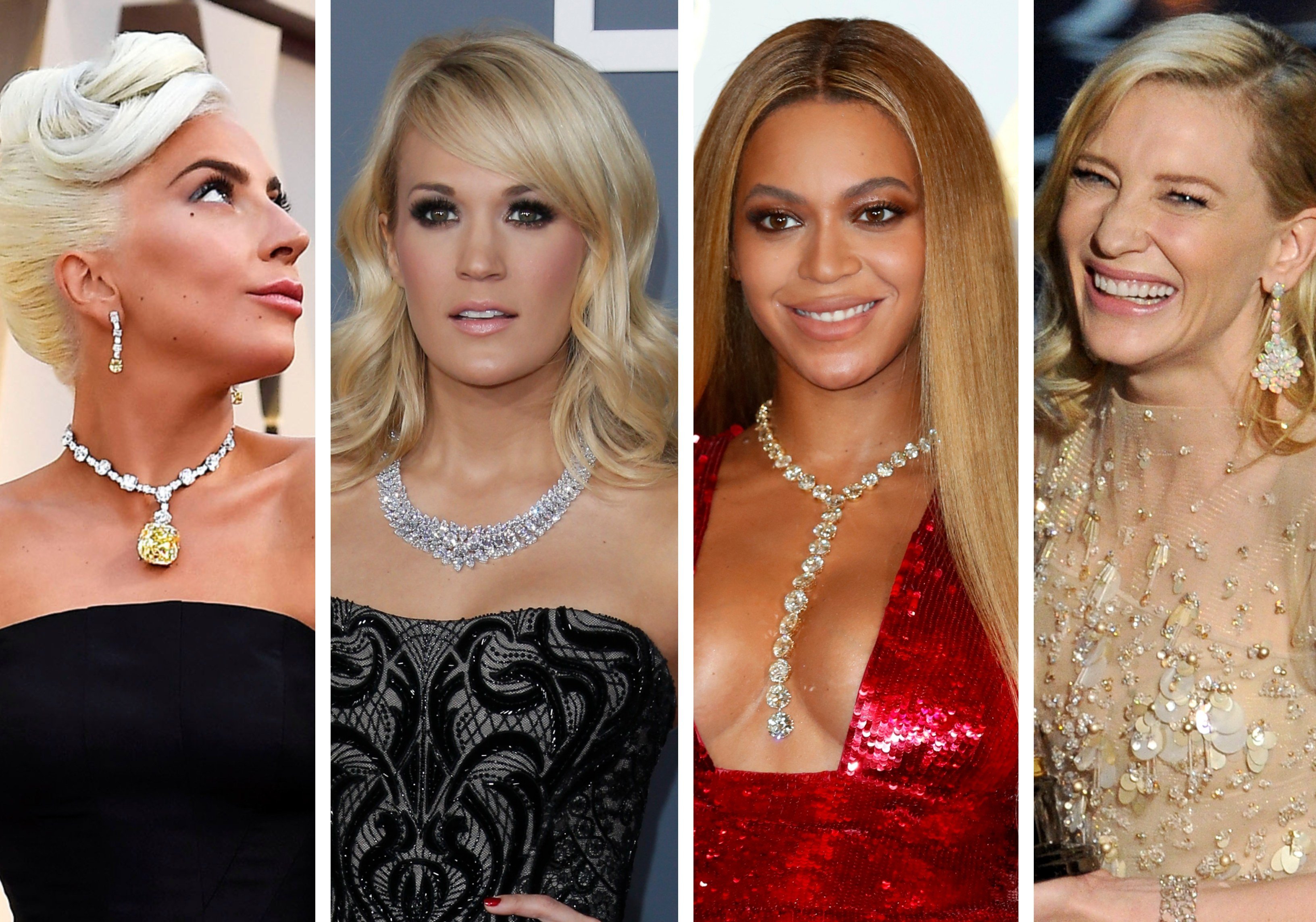
Key Highlights
- Strategic Celebrity Endorsements: Leveraging famous figures to project a luxurious and attainable image of diamonds.
- Marketing through High-Profile Events: Using the Oscars red carpet as a stage to spotlight exquisite diamond jewelry and exclusive collections.
- Distraction from Ethical Concerns: Emphasizing glamour and craftsmanship to overshadow controversies related to supply chain issues.
Introduction and Context
At major global events like the Oscars, the spotlight is not solely on the films or the stars, but also on the elaborate fashion and jewelry showcased on the red carpet. Leading diamond brands such as Tiffany’s, DeBeers, Forevermark, Harry Winston, and others have mastered the art of using these occasions to project an image of luxury, exclusivity, and sophistication. Their carefully orchestrated strategies integrate celebrity endorsements, high-profile design showcases, and luxury marketing techniques to glamorize and normalize the wearing of diamonds while subtly diverting attention from the more complex ethical and supply chain issues that occasionally arise in the backdrop.
Glamorizing Diamonds through the Oscars Red Carpet
Utilizing Celebrity Endorsements
The power of celebrity endorsements cannot be understated. When a well-known actor or actress appears on the Oscars red carpet wearing a piece of diamond jewelry, it immediately associates that product with glamour and success. The brand visibility is significantly enhanced when these celebrities are seen adorned in pieces from renowned luxury houses. For example, revisiting recent events, stars like Emily Blunt and Vanessa Hudgens have been captured wearing lavish collections of natural diamonds, with appearances that not only attract media attention but create a desire among their fans and the general public. The association of diamonds with the elite and prestigious builds an aspirational narrative that encourages widespread acceptance of these luxury accessories.
High-Profile Product Placement and Exclusivity
The red carpet serves as an ideal platform for high-profile product placement. Brands spend significant resources ensuring that their most exclusive and expensive pieces are showcased during these events. This is not merely about the visible ornamentation on a celebrity’s neck or wrist; it is about weaving a story of rarity, quality, and perfection around each diamond.
Unveiling New Collections
Many brands choose to coin the Oscars as the stage for unveiling new collections. In doing so, they not only generate buzz but also secure their place within the narrative of cutting-edge luxury and innovation in jewelry design. Each new collection is often accompanied by meticulous marketing campaigns, involving exclusive interviews, behind-the-scenes glimpses into the craftsmanship, and elaborate press releases that detail each diamond’s origins and features.
Exclusivity and Limited-Edition Pieces
By highlighting exclusivity—through limited edition or custom pieces worn by celebrities—the brands position their jewelry not as mere accessories, but as coveted treasures. The scarcity inherent in these specially designed pieces further cements the idea that diamonds are not only a luxury, but an investment in style and status.
Creating a Glamorous Narrative
Over the years, the film industry’s penchant for opulent sequences and extravagant visuals pairs perfectly with the sparkle of diamond jewelry. The inherent glimmer of diamonds resonates with the dazzling lighting of the red carpet, producing images that are both timeless and alluring. Such visual narratives help cement diamonds as a symbol of timeless elegance and modern luxury.
Normalization of Diamond Wear
Expanding Accessible Luxury
One of the most effective strategies employed by luxury brands is the normalization of diamond wear. While diamonds were once symbols of only the very privileged, high-visibility events like the Oscars have contributed to bridging the gap between inaccessibility and aspiration. The extensive media coverage—spanning television, digital platforms, and social media—ensures that the public consistently witnesses diamonds as standard adornments for success and beauty.
Media Narratives and Social Influence
Every time a high-profile celebrity graces the red carpet with glistening diamond jewelry, numerous news outlets, lifestyle magazines, and fashion blogs analyze and celebrate their look. The repetition of these images in various forms of media conditions the viewer to see diamond jewelry as an essential element of red-carpet glamour. Consequently, wearing diamonds becomes associated not merely with luxury, but with a status that many aspire to.
Integration into Fashion Trends
Beyond the grand allure of the red carpet, diamonds have increasingly become woven into everyday fashion. Designers take cues from the red carpet to incorporate similar aesthetic elements into more accessible lines, thereby normalizing the idea that diamond wear is not reserved solely for ultra-wealthy events. This trend demonstrates the ripple effect of high-profile endorsements through cinema and fashion.
Constructing an Aspirational Image
The process of normalization is intricately linked with aspirational marketing. In addition to the visual spectacle, significant investments in narrative building—through interviews, promotional videos, and personalized brand stories—propel the notion that diamond jewelry is an attainable part of the lifestyle of the successful. These narratives are reinforced through various marketing channels that celebrate not only the aesthetic beauty but also the enduring quality and timeless appeal of diamonds.
Concealing Supply Chain Concerns
Brand Image Management and Ethical Narratives
Alongside the glittering facade of red carpet glamour, there is an underlying challenge: the ethical sourcing of diamonds and associated supply chain controversies. While some reports and critical voices have highlighted potential issues related to the origins of certain diamonds—controversies that include allegations of links to contentious geopolitical conflicts—the primary narrative promoted during these high-profile events largely omits these details.
Leading diamond brands have responded by actively managing their public image. By focusing on the luxurious elements of their products, they divert the conversation away from the complexities of the supply chain. This image management is supported by strong claims of ethical sourcing, colorfully packaged under the banner of sustainability and responsibility. However, the detailed particulars of ethical verification and traceability are seldom given center stage during the explosive red carpet coverage.
Selective Transparency
While many brands assert commitments to sustainability and ethical sourcing, such information is primarily shared in controlled environments, such as corporate communications, sustainability reports, or specialized press conferences. The Oscars, by contrast, are an arena for visual storytelling rather than detailed discussions about supply chain logistics. The focus is overwhelmingly on the physical beauty and exclusivity of the jewelry. In doing so, any underlying controversies—whether speculative or substantiated—are effectively minimized.
Diversion Through Glamour and Lifestyle Narratives
The deliberate choice of topics during the coverage of red carpet events also contributes to the concealment of potential supply chain issues. With extensive media discourse focusing on beauty, style, and the overall spectacle of the event, any nuanced discussion about the origins of the diamonds is overshadowed. The positive association between a celebrity’s appearance and the featured jewelry creates a narrative that detracts from the pressing need for transparency in the sourcing of these precious gems.
Avoiding Controversial Discussions Publicly
A crucial aspect of these promotional strategies is the decision to sidestep any association with geopolitical controversies. When public sentiment turns towards ethical assessment, especially concerning claims related to specific geopolitical narratives, brands choose to emphasize their investments in ethical practices. This selective messaging serves not only to protect their market reputation but also to ensure that the narrative remains firmly centered on the glamour and sophistication of diamond wear.
By highlighting their initiatives in responsible sourcing and launching advertisements that tout sustainability, these brands can reassure their clientele without delving into the potential adverse implications of their supply chains. As a result, the red carpet remains a domain where controversy is muted and the focus stays on the elegance and exclusivity of the jewelry.
Analyzing the Narrative through Data and Visuals
Overview of Recent Red Carpet Appearances
Below is a table summarizing notable red carpet appearances and the associated presentation strategies used by these diamond brands. This table encapsulates key data points, such as celebrity endorsements, featured diamond pieces, and the narrative emphasis during these events.
| Celebrity | Diamond Brand | Highlighted Piece | Narrative Focus |
|---|---|---|---|
| Emily Blunt | Tiffany’s | Natural Diamond Collection (110+ carats) | Exclusivity and Timeless Elegance |
| Vanessa Hudgens | Chopard | 10.06 Carat Yellow Diamond Necklace | Vibrant, High-Profile Glamour |
| Nicole Kidman | Harry Winston | 33.42 Carat Eagle Diamond Necklace | Luxury and Prestige |
| Other Celebrities | DeBeers, Forevermark, Others | Custom and Limited Edition Designs | Aspirational Wear and Exclusivity |
This table clearly illustrates how the blend of celebrity endorsements and exclusive pieces is meticulously orchestrated. Each element contributes to an overarching narrative that places as much weight on the dazzling visual appeal of the jewelry as on the aspirational lifestyle it represents.
Balancing Public Perception and Ethical Narratives
Fashion and Marketing Versus Underlying Controversies
The juxtaposition of a luxurious consumer experience against the backdrop of broader ethical concerns places diamond brands in a complex position. On the one hand, their marketing efforts are designed to construct a powerful, positive brand image focused on elegance, exclusivity, and innovation. On the other hand, the ethical scrutiny concerning supply chain practices—especially when intertwined with politically sensitive subjects—presents issues that are much harder to address on public platforms like the Oscars.
Often, the narrative of the red carpet remains steadfastly unidimensional: emphasizing the aesthetic and cultural significance of diamond jewelry. This deliberate choice helps to insulate the event and its associated promotional strategies from potential backlash related to the history or controversy of the diamond supply chain. By separating the celebration of style and art from debates about ethics, the industry maintains a controlled environment where disputes are managed behind closed doors or through specialized corporate disclosures.
The Role of Corporate Social Responsibility Reports
While the public face of these events is one of glamour and aspirational success, many of the brands involved have invested in comprehensive corporate social responsibility (CSR) reports and sustainability initiatives. These documents detail efforts to source diamonds responsibly, minimize environmental impact, and ensure fair labor practices. However, during high-visibility events like the Oscars, the discussion rarely shifts towards these technical details. Instead, the focus is on celebrating a global cultural phenomenon where beauty and luxury take center stage.
Industry Influence and Supply Chain Management
Managing Perception Across Global Markets
The diamond industry operates on a global scale and is deeply entrenched in traditions, marketing prowess, and long-standing economic relationships. Through sophisticated supply chain management systems, these brands work to ensure that their production and sourcing processes conform to international standards. While there have been controversies and allegations related to supply chains and ethical sourcing, the narrative presented during major events is one of reliability, transparency, and responsibility.
To protect their market position and ensure consumer confidence, these brands continuously refine their messaging. They highlight modern efforts to track each diamond’s journey—from the mine to the market—and emphasize their compliance with certifications that assert ethical practices. In the context of the Oscars, however, the spotlight is never on these rigorous processes but rather on the sheer beauty and craftsmanship that the jewelry represents.
Subtle Messaging and Visual Storytelling
When concerns about the origins and supply chains of diamonds arise, the use of subtle messaging becomes essential. Instead of drawing direct attention to potential controversies, the industry emphasizes narratives around beauty, heritage, and precision craftsmanship. By conveying a story that equates fine jewelry with cultural milestones—such as the Oscars—the brands ensure that ethical concerns are either diffused or relegated to off-camera discussions. This technique of visual storytelling not only reassures loyal customers but also attracts prospective buyers who are more interested in the lifestyle and status associated with these products.
Conclusion and Final Thoughts
In summary, leading diamond brands have successfully carved out a niche on the Oscars red carpet by creating an image that is synonymous with luxury, exclusivity, and timeless style. This is achieved through a combination of strategic celebrity endorsements, high-profile product placements, and carefully constructed narratives that continuously elevate the status of diamond jewelry. The use of such high-visibility events not only enhances brand image but also reinforces the concept that diamonds are a must-have accessory for those who aspire to a life of glamour and sophistication.
Concurrently, the red carpet serves as a platform where discussions on ethical concerns and supply chain controversies are intentionally minimized. By keeping the focus on aesthetics, craftsmanship, and aspirational lifestyle, the industry effectively diverts public attention from potential questions related to sourcing and geopolitical controversies. Transparency initiatives and CSR reports remain relegated to specialized channels, thereby preserving the allure and mystique of diamond jewelry at these glamorous events.
While the intersection of marketing, luxury, and ethics remains complex, the enduring success of these strategies demonstrates how powerful narratives and visual storytelling can influence public perception and redefine desired lifestyles. The Oscars red carpet thus represents a sophisticated confluence of art, commerce, and image management — where beauty is celebrated and complexities are artfully concealed.
References
- The Best Jewels On The Red Carpet - Forbes
- Best Jewelry At Oscars 2024 - The Hollywood Reporter
- The Best Jewelry From The Oscars Red Carpet 2024 - Page Six
- The Best Jewelry at the 2024 Oscars - Robb Report
- The Best Natural Diamond Jewelry at the 2024 Oscars - Natural Diamonds
-
Diamonds Dazzle on the Oscars Red Carpet 2024 - Reuters
Recommended Related Queries
Last updated February 24, 2025