
The Diamond Industry and Red Carpet Glamour: A Critical Analysis
Exploring how diamond marketing overshadows human rights violations
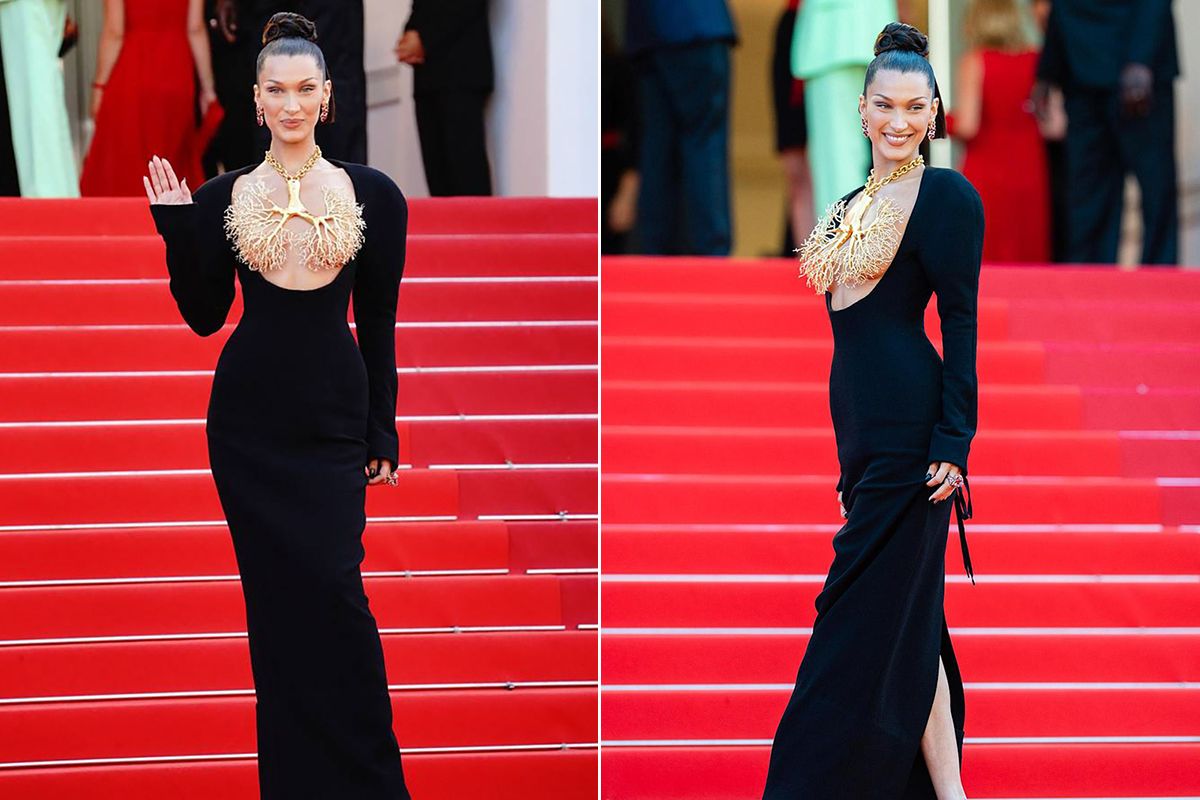
Highlights
- Glamour as Distraction: Red carpet events enhance the allure of diamonds while diverting attention from ethical concerns.
- Ethical Implications: The sourcing of diamonds, particularly those linked to Israel, raises significant human rights issues.
- Calls for Transparency: Increased scrutiny and demands for ethical marketing challenge the industry's practices.
Introduction
The diamond industry’s longstanding relationship with red carpet events has fashioned an image of unparalleled glamour and luxury. High-profile events like the Oscars, the Met Gala, and the Golden Globes serve as platforms for the industry to showcase lavish diamond jewelry, ostensibly symbolizing success and opulence. However, beneath this dazzling facade lie serious ethical concerns. Notably, a segment of the diamond trade, especially diamonds associated with Israel, is accused of funding grave human rights violations. This analysis critiques the strategy of using red carpet glamour to normalize and promote a trade that is inextricably linked with systemic ethical issues.
The Strategy of Glamour in the Diamond Trade
Red Carpet as a Marketing Platform
The use of red carpet occasions is a central tactic for the diamond industry. Carefully curated events are designed to create an aura of luxury and exclusivity, where celebrities showcase iconic pieces of diamond jewelry. These occasions have transformed diamond pieces into coveted symbols of status. By prominently displaying diamonds on internationally recognized stages, the industry reinforces a positive consumer perception that associates these stones with beauty, wealth, and timeless appeal.
Marketing Brilliance
At the heart of this strategy is the calculated use of celebrity endorsements and lavish presentations. The industry invests heavily in ensuring that the narrative of diamonds is not just about their physical beauty but also about their aspirational value. The image carefully constructed on red carpets is one of flawless elegance and success, which subtly communicates that diamonds are synonymous with a high standard of living. As consumers are exposed repeatedly to this glamorous imagery, they are less inclined to consider the deeper issues related to the origins of these diamonds.
Glamor versus Ethical Scrutiny
The glamour of red carpet events often obscures critical ethical dimensions. The dazzling display of diamonds at high profile events distracts the public from the problematic aspects of the diamond supply chain, which include extensive human rights abuses. These abuses have persisted in regions plagued by conflict and exploitation. By emphasizing aesthetics and luxury, the industry effectively normalizes the association between diamonds and glamour, diverting attention from underexplored controversies concerning their extraction, trade, and financing.
Ethical Implications of the Diamond Trade
Human Rights Violations
A significant critique of the diamond industry centers on the sourcing of diamonds that fund serious human rights violations. While the red carpet narrative stresses beauty and prestige, the actual trade in diamonds—including those allegedly associated with Israel—has been linked to funding military operations and exacerbating conflicts in regions already suffering from human rights abuses. These abuses include exploitative labor practices, unjust working conditions, and even the financing of military actions that directly impact civilian populations. The public’s experience of diamond glamour is overshadowed by the grim reality that some sourced diamonds come at an enormous human cost.
The Controversy Over Israeli Diamonds
A particularly critical area involves diamonds linked to Israel. There are extensive allegations that diamonds originating from or traded through Israeli channels are implicated in funding operations that lead to human rights abuses. Such claims are compounded by the industry's reliance on narratives of conflict-free, naturally sourced diamonds even as these assertions are met with growing skepticism. Critics argue that the industry’s portrayal of diamonds as pristine and conflict-free is in sharp contrast with documented grievances concerning the financing of military activities and oppression.
Mechanisms of Ethical Oversight and Their Limitations
Measures such as the Kimberley Process Certification Scheme were introduced to ensure that diamonds entering the market are not associated with conflict. Unfortunately, the limitations of these mechanisms have come under increased scrutiny. The process predominantly focuses on rough diamonds and does not adequately cover cut and polished stones—the very products that are favored in red carpet presentations. This oversight enables the circulation of diamonds that may indirectly fund human rights abuses without triggering the necessary accountability. Critics suggest that the scope of these certifications should be expanded to include the entire supply chain of diamonds, effectively addressing both raw and processed stones.
The Role of Transparency and Consumer Awareness
Transparency in the diamond trade is alarmingly lacking. Consumers who admire the sparkle of a diamond on the red carpet rarely receive information about the diamond’s provenance or the conditions under which it was mined and processed. The marketing emphasis on luxury tends to overshadow any conversation about ethical sourcing. This lack of transparency not only muffles public debate on ethical issues but also limits consumers' ability to make informed purchasing decisions. When diamonds are showcased as mere status symbols on red carpets, their murky origins are conveniently hidden behind the glitz and glamour.
The Impact of Red Carpet Glamour on Public Perception
Cultural Narratives and Consumer Behavior
The culture of celebrity and high fashion exerts a profound influence on consumer behavior. Red carpet events are carefully choreographed displays of high fashion where every detail—from clothing to accessories—embodies success. Within this context, diamond jewelry becomes more than a mere adornment—it metamorphoses into a cultural icon of opulence. By aligning diamonds with celebrity allure and high status, the industry constructs a powerful narrative that reinforces the desirability of these stones irrespective of ethical concerns.
Distraction Through Dazzle
The dazzling visual spectacle of red carpet events effectively functions as a distraction. Celebrity endorsements and luxurious styling conflate diamonds with positive, aspirational images that are difficult to scrutinize. This strategy diverts the public's gaze away from the darker realities underlying diamond sourcing. The iconography of diamonds in glamorous settings subtly masks the underlying ethical controversies, making it easier for consumers to overlook or remain unaware of any problematic associations.
Media’s Role in Shaping the Narrative
Media and public relations campaigns play a pivotal role in shaping the narrative around the diamond industry. By consistently featuring images of diamonds at award ceremonies and exclusive functions, media outlets contribute significantly to the mystique of diamond glamour. The emphasis on visual splendor in journalism and social media creates an environment where ethical concerns are secondary in the public consciousness. Coverage of these events tends to concentrate on the aesthetic value and ceremonial aspects of diamond jewelry rather than probing deeper into the ethics behind their procurement.
Table: Comparing Glamour Attributes and Ethical Concerns
| Aspect | Glamour and Marketing | Ethical and Human Rights Concerns |
|---|---|---|
| Event Visibility | High-profile red carpet events and celebrity endorsements | Distraction from rigorous ethical scrutiny and sourcing transparency |
| Public Perception | Diamonds symbolize luxury, wealth, and timeless beauty | Overlooks documented abuses and conflict financing aspects |
| Certification Processes | Emphasizes conflict-free narratives in rough diamond sourcing | Fails to adequately cover cut and polished diamonds often linked to abuse |
| Media Representation | Focus on aesthetics and celebratory imagery | Negligible coverage of the underlying sourcing issues |
| Industry Accountability | Promotes a narrative of success and luxurious craftsmanship | Lack of comprehensive reforms and transparency in the supply chain |
Critique of the Industry’s Specific Practices
The Role of Israeli Diamonds in the Trade
A significant element of the ethical critique is the accusation that diamonds linked to Israeli channels may indirectly fund human rights violations. This segment of the trade has attracted heightened scrutiny due to repeated allegations of association with the financing of military operations and oppressive practices. By participating in this controversial trade, the industry not only furnishes diamonds that are perceived as conflict-free but also contributes to an opaque supply chain where the origins and final destinations of funds remain murky. Critics point out that claims of ethical sourcing are undermined when evidence suggests that some diamonds, despite their high-profile presentation, are linked to funding practices that support contentious political and military agendas.
Implications for Consumer Trust
Public trust in the diamond industry hinges on the transparency and integrity of its supply chain. When red carpet glamor is used as a veneer, it masks the lack of accountability regarding the origins of these precious stones. Consumers who are unaware of the broader implications of their purchases may assume that all diamonds are produced under ethically acceptable conditions. However, the reality that certain diamonds may fund human rights abuses challenges this assumption, potentially shaking consumer confidence in a market reliant on both luxury and ethical integrity.
Industry Preparedness to Address Criticisms
Despite numerous calls for reform, the diamond industry has been sluggish in adopting transparent practices that could mitigate these ethical concerns. Initiatives like increasing the scope of certification schemes have been proposed, yet substantial changes remain elusive. The reluctance to confront these issues directly reflects an industry more focused on marketing success and profitability than on rectifying systemic ethical problems. While some industry groups have attempted to highlight natural and ethically sourced diamonds, such initiatives often coexist with continued involvement in trade practices that are far from uncontroversial.
Calls to Action and Future Directions
There is a growing consensus among activists, human rights organizations, and some industry insiders that substantial reforms are necessary. Among the proposed measures are:
- Enhanced Certification Standards: Broadening existing certification schemes like the Kimberley Process to fully encompass all stages of diamond processing, from mining to retail, ensuring complete traceability.
- Mandatory Transparency: Requiring companies to publicly disclose the origins and sourcing practices of the diamonds they market, allowing consumers to make informed decisions.
- Ethical Marketing Initiatives: Leveraging high-profile events such as red carpet occasions to not only celebrate the beauty of diamonds but also highlight efforts towards ethical sourcing and social responsibility.
- Consumer Education Programs: Increasing public awareness about the ethical implications inherent in the diamond trade, empowering buyers to demand responsible sourcing.
Such reforms would necessitate a coordinated effort among industry stakeholders, regulatory bodies, and international organizations. Only through a transparent, accountable, and ethical trade can the diamond industry hope to reconcile its glamorous image with the complex realities of global human rights issues.
Conclusion and Final Thoughts
The diamond industry's sophisticated use of red carpet elegance is a double-edged sword. On one side, it nurtures an image of unrivaled opulence and timeless appeal, capturing the public’s imagination and maintaining high consumer demand. On the other, it obscures the ethical quagmires underlying diamond sourcing, particularly in cases where diamonds tied to contentious practices may fund severe human rights abuses. The portrayal of diamonds as mere symbols of luxury on red carpets serves as a powerful distraction, one that effectively sidelines critical questions about the true cost of these stones.
By intertwining glamour with marketing, the industry has succeeded in creating a narrative that associates diamonds with success and celebrity, thereby fostering consumer loyalty and elevating market value. However, the reliance on such imagery and the subsequent neglect in addressing ethical sourcing fundamentally undermine the legitimacy of this narrative. With allegations regarding diamonds linked to military financing and human rights violations—especially those involving channels associated with Israel—the moral imperatives of transparency and accountability become more urgent than ever.
As calls for ethical reform grow louder, initiatives that promote comprehensive traceability and ethical sourcing are essential. The industry’s resistance to change not only damages consumer trust but also perpetuates the cycle of human rights abuses. Future progress calls for reimagining the role of red carpet events: rather than merely celebrating wealth and glamour, these events should also serve as platforms for ethical awareness and positive change in the diamond trade.
References
- The Sparkling Tale - M&P Creative Agency
- 2024 Met Gala Diamond Jewellery - Natural Diamonds
- Red Carpet Collection - De Gem Diamond
- Cannes Diamonds Red Carpet - Hollywood Reporter
- Diamond Industry Accountability - Amnesty International
- Human Rights in Diamond Trade - Human Rights Watch
- Blood Diamonds - BDS Movement
- WFDB Campaign - National Jeweler
Recommended Further Queries
Last updated February 22, 2025