
The Legal Labyrinth: Analyzing the Sean 'Diddy' Combs Trial and Potential Outcomes
A Deep Dive into the Accusations, Testimony, and the Path to a Verdict
Key Insights from the Diddy Trial
- Complex Charges: Sean "Diddy" Combs faces serious federal charges, including racketeering conspiracy, sex trafficking by force, fraud or coercion, and transportation to engage in prostitution. He has pleaded not guilty to all counts.
- Pivotal Testimony: The trial has featured compelling and at times disturbing testimony from key witnesses, most notably his former girlfriend, Casandra "Cassie" Ventura, and former Danity Kane member Dawn Richard, detailing alleged abuse, coercion, and participation in "freak-offs."
- Acquittal Possibility: Despite the graphic nature of some testimony, legal analysts suggest that federal prosecutors have yet to conclusively prove the sex trafficking and racketeering allegations, potentially paving the way for an acquittal, especially if the defense can demonstrate consensual adult relationships.
The legal proceedings surrounding Sean "Diddy" Combs have captured significant public attention, unfolding in a Manhattan federal court where the hip-hop mogul faces a barrage of serious charges. As the trial progresses, the question of whether "Diddy" will be acquitted remains central to the discourse. This comprehensive analysis delves into the charges, key testimonies, defense strategies, and the broader legal landscape that will determine the trial's outcome.
Unraveling the Charges Against Sean 'Diddy' Combs
Sean "Diddy" Combs, aged 55, stands accused of orchestrating a criminal enterprise that allegedly involved sex trafficking, racketeering, and other illicit activities over two decades. The federal indictment, originally filed in September 2024 and subsequently updated, outlines charges that include racketeering conspiracy, two counts of sex trafficking by force, fraud or coercion, and two counts of transportation to engage in prostitution. Combs has consistently pleaded not guilty to all charges, vehemently denying any wrongdoing.
Prosecutors contend that Combs acted as the "ringleader" of an alleged enterprise that "abused, threatened, and coerced women and others around him to fulfill his sexual desires, protect his reputation, and conceal his conduct." This allegedly involved forcing individuals into prolonged, drug-fueled sexual orgies, referred to as "freak-offs," and then intimidating them into silence. The defense, however, argues that these were consensual relationships within a "swinger lifestyle," asserting that prosecutors are attempting to criminalize private sexual activity.
The Weight of the Indictment
The charges are severe, carrying a potential minimum sentence of 15 years in prison and a maximum of life behind bars if Combs is convicted on all counts. This high-stakes legal battle has seen the music mogul, also known by monikers such as Puff Daddy, P. Diddy, and Love, in federal custody in Brooklyn since his arrest in September 2024. The trial commenced with jury selection on May 5, 2025, in the Southern District of New York courtroom, presided over by Judge Arun Subramanian.
The radar chart above visualizes the perceived strengths of the prosecution and defense, alongside a general consensus from legal analysts, across various dimensions crucial to the trial's outcome. "Severity of Accusations" reflects the gravity of the charges. "Strength of Prosecution Evidence" indicates the perceived robustness of the evidence presented by the prosecution. "Credibility of Witness Testimony" gauges how believable and consistent the testimonies are. "Defense Strategy Effectiveness" assesses how well the defense is countering the accusations and presenting its case. "Public Opinion Impact" acknowledges the potential influence of public perception on the proceedings, and "Legal Precedent Alignment" considers how well the case aligns with established legal principles and previous rulings. The chart illustrates a complex scenario where while accusations are severe and some testimony is compelling, the ultimate legal outcome remains uncertain, with a slight tilt towards the defense's position on certain aspects according to analysts.
Key Testimonies and Their Impact
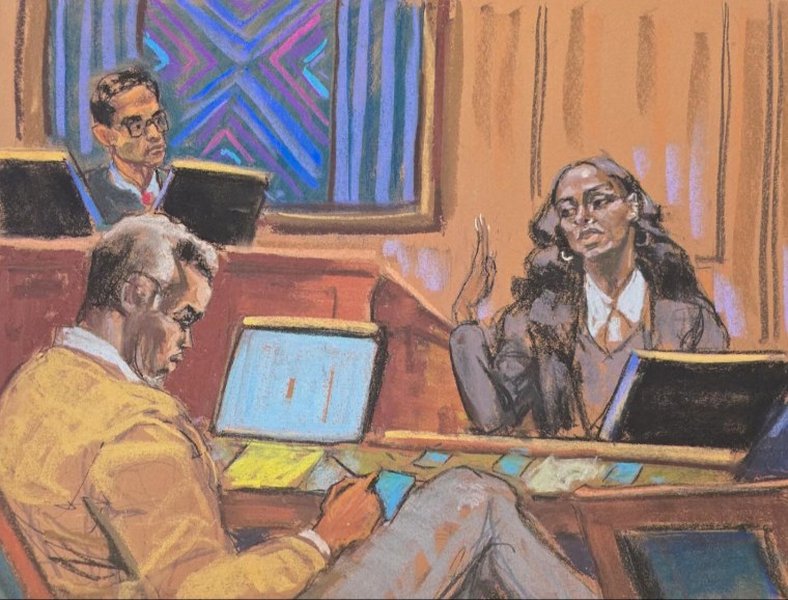
The trial has been marked by powerful and at times distressing testimony from several witnesses. Casandra "Cassie" Ventura, Combs's former girlfriend, has been a central figure, providing four consecutive days of testimony. Ventura, who is pregnant, recounted a relationship controlled by Combs through violence, blackmail, and coercion. She testified about alleged physical abuse, the coercion into "freak-offs," and how Combs demanded $20,000 for sex tapes with her, money that was later returned. Ventura also revealed she settled a civil lawsuit against Combs for $20 million just 24 hours after filing it in November 2023, though she no longer has any pending lawsuits against him.
During her cross-examination, the defense sought to portray Ventura as a willing participant and to question the accuracy of her memories, given her past struggles with opiate dependency and her ongoing therapy for PTSD. However, during follow-up questioning by the prosecution, Ventura unequivocally stated that she had no doubt Combs raped her, though she also acknowledged having consensual sex with him weeks later.
Supporting Accounts and Defense Challenges
Another significant witness, Dawn Richard, a former member of the girl group Danity Kane and Diddy Dirty Money, corroborated aspects of Ventura's testimony. Richard told the jury that she frequently witnessed Combs beat Ventura and that he had threatened to "make her disappear" if she revealed what she saw. She described seeing Ventura with injuries on her face, arms, and legs, which Ventura attempted to conceal. Richard also testified that Combs threatened to kill her if she spoke about what she witnessed, using language she interpreted as threats of death.
David James, a former assistant to Combs, also testified, detailing the items he routinely delivered to Combs's hotel rooms, which allegedly included drugs. He recounted an incident where Combs returned to a diner with "three guns" after a dispute with a rival record label owner, Suge Knight, leading James to quit his job. James further stated that staff were subjected to lie detector tests. Sharay Hayes, a male exotic dancer, testified about participating in "freak-offs," claiming Ventura did not seem uncomfortable and focused on Combs during these encounters, supporting the defense's argument of consensual participation.
Dawn Richard leaving the federal court in New York City on May 16, 2025, after testifying in the Sean "Diddy" Combs sex trafficking and racketeering conspiracy trial.
The Defense's Strategy: Consensual Lifestyle vs. Criminal Enterprise
The defense team, led by attorneys Teny Geragos and Marc Agnifilo, has pursued a strategy centered on discrediting the prosecution's narrative and portraying the alleged victims as willing participants in a consensual "swinger lifestyle." They argue that the women accusing Combs were "capable, strong adult women" who had "free choice" and could have left or reported any non-consensual behavior. The defense has highlighted instances where Ventura could have notified police or sued Combs for breach of contract, or explicitly refused to participate in the alleged marathon sex sessions.
A significant aspect of the defense's argument is that the government is overreaching by attempting to criminalize consensual sexual activity, a claim they have subtly linked to potential racial bias against Combs. They have also tried to introduce evidence that would paint a picture of consensual sexual encounters between Combs and Ventura, although Judge Arun Subramanian denied a request to introduce texts between them referencing specific sexual acts.
Challenges for the Defense
Despite the defense's efforts, the trial has presented numerous challenges. The graphic and emotional testimony from Ventura and Richard, coupled with descriptions of drug use (including cocaine, ketamine, MDMA, and GHB), violent outbursts, and alleged threats, paint a grim picture that could sway the jury. The defense must convince the jury that these disturbing events were part of a consensual, albeit unconventional, lifestyle, rather than a pattern of coercion and abuse.
Legal analysts have noted that while the testimony has been "graphic and gripping," federal prosecutors have yet to fully prove the allegations of racketeering and sex trafficking beyond a reasonable doubt. Some experts believe an acquittal is "very likely" if the government cannot firmly establish the coercion necessary for a sex trafficking conviction. This hinges on whether the jury believes Ventura was "escaping a freak-off" or if the incidents were primarily "domestic violence episodes" as the defense suggests. The prospect of Combs himself testifying has been raised as a potential move to bolster the defense's case, although this carries inherent risks.
This video provides a deep dive into the graphic testimony from the Diddy trial regarding "freak-offs" and their alleged role in the criminal enterprise. It is relevant because it captures the essence of the prosecution's claims about coerced sexual activity and highlights the disturbing details presented in court, which are central to the sex trafficking charges.
The Broader Legal Landscape and Public Reaction
Beyond the current federal trial, Sean "Diddy" Combs faces a multitude of civil lawsuits, with more than 63 cases reportedly filed against him, including 10 new lawsuits on February 28, 2025, ahead of the deadline for New York's Gender-Motivated Violence Act. These civil suits include allegations of sexual assault, human trafficking, and revenge porn, with alleged victims ranging from 10 years old to incidents as recent as 2022. While these civil cases are separate from the federal criminal trial, the public perception generated by the sheer volume and nature of these accusations undoubtedly influences the broader narrative surrounding Combs.
Past Legal Encounters and Current Scrutiny
Combs has had previous brushes with the law, including a 1999 nightclub shooting where he was ultimately acquitted of gun and bribery charges in 2001. His acquittal then, alongside the current defense's arguments of consensual adult activities, demonstrates a pattern of legal challenges where Combs has often managed to navigate complex accusations. However, the current federal charges are significantly more severe and carry a far greater societal weight in the context of sex trafficking.
The controversy surrounding Combs has also led to tangible consequences. New York City Mayor Eric Adams rescinded Combs's key to the city, awarded in September 2023, and Miami-Dade County district attorney revoked "Sean 'Diddy' Combs Day." Furthermore, some radio stations have pulled his music, and artists like Kesha have publicly altered lyrics referencing him. These actions underscore the significant public backlash and the severe damage to his reputation, regardless of the trial's outcome.
Overview of Allegations and Legal Standing
The table below summarizes the key allegations against Sean "Diddy" Combs, distinguishing between the federal criminal charges and the civil lawsuits, and highlighting his current legal status and plea.
| Category | Details of Allegations | Current Legal Status | Plea/Response |
|---|---|---|---|
| Federal Criminal Charges | Racketeering conspiracy, sex trafficking by force/fraud/coercion, transportation to engage in prostitution. Accused of being a "ringleader" of an enterprise involving forced, drug-fueled sexual orgies ("freak-offs") and subsequent coercion for silence. | Federal trial underway in Manhattan. Faces minimum 15 years to life in prison if convicted on all counts. | Pleaded not guilty to all charges. Lawyers argue consensual "swinger lifestyle." |
| Civil Lawsuits (63+ cases) | Sexual assault, human trafficking, revenge porn, physical abuse. Allegations from victims as young as 10, dating from 1990 to 2023. Includes claims from Cassie Ventura (settled for $20 million), Jane Doe (gang rape allegations), and others. | Ongoing, with many filed under New York's Gender-Motivated Violence Act. Some judges requiring victims to file for anonymity. | Denied allegations, claiming attempts to "garner publicity." Lawyers state consensual relationships. |
| Other Incidents | 1999 nightclub shooting (acquitted of gun/bribery charges in 2001). Allegations of violent outbursts fueled by alcohol/drugs. | Past legal history noted in current proceedings. | Acquitted in 2001. Defense concedes violent outbursts but distinguishes from sex trafficking. |
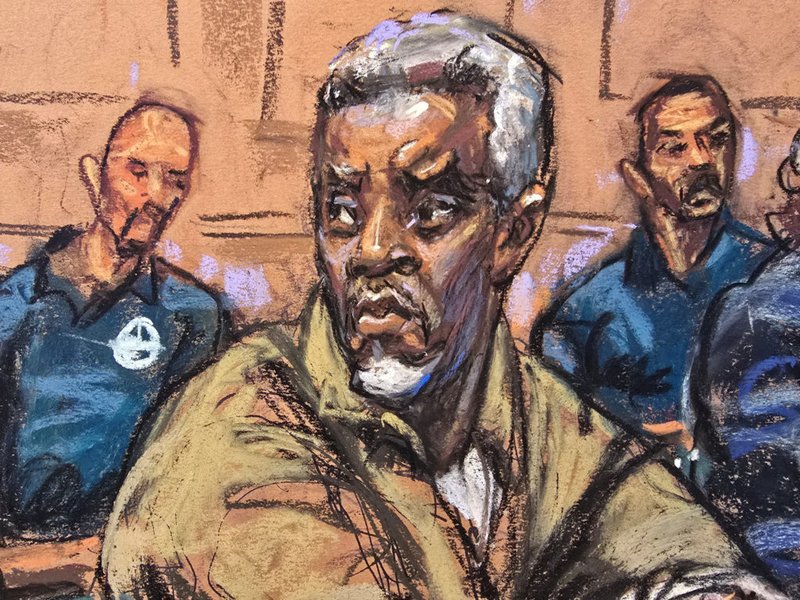
Sean "Diddy" Combs standing with his legal team during jury selection in the New York federal court, May 5, 2025.
The Path to a Verdict: Will Diddy Be Acquitted?
The question of whether "Diddy" will be acquitted remains an open one, heavily dependent on how the jury weighs the presented evidence and testimony. Legal analysts have offered differing perspectives. Some, like Chapman and Hart, suggest that despite the "graphic and gripping testimony," federal prosecutors have yet to conclusively prove the allegations of racketeering and sex trafficking. They point out that the testimony, while disturbing, has done "little so far to prove allegations of racketeering and sex trafficking against Mr. Combs," thus paving the way for a "possible acquittal." This sentiment suggests that the prosecution needs to more firmly establish the element of coercion to secure a conviction on the more serious charges.
Conversely, former prosecutor Loni Coombs emphasizes that the trial will show where society stands regarding accountability for sexual abuse, indicating the high stakes for the prosecution to secure a conviction. The defense's ability to demonstrate that Cassie Ventura had "free choice" and could have left the situation, or that the relationships were consensual, will be crucial. The outcome will ultimately depend on the jury's interpretation of the evidence, the credibility of witnesses under cross-examination, and the prosecution's success in proving beyond a reasonable doubt that Combs engaged in a criminal enterprise of sex trafficking rather than merely consensual, albeit morally questionable, behavior.
Factors Influencing the Jury
Several factors will play a role in the jury's decision:
- Credibility of Key Witnesses: The jury's perception of Cassie Ventura and Dawn Richard's credibility under cross-examination will be paramount. The defense's attempts to highlight inconsistencies or motivations will be critical.
- Proof of Coercion: For sex trafficking charges, the prosecution must prove force, fraud, or coercion. If the defense can effectively argue that the relationships and activities were consensual, it significantly weakens the prosecution's case.
- Sufficiency of Evidence: Beyond testimony, the prosecution's ability to present concrete evidence of a criminal enterprise (e.g., financial transactions, communications, or other corroborating materials) will be vital.
- Combs's Testimony: While not guaranteed, legal analysts have speculated that Combs taking the stand could be a decisive move. It would allow him to directly address the allegations but also expose him to rigorous cross-examination.
The trial is expected to last about two months, providing ample time for both sides to present their arguments. As new witnesses are called and cross-examinations continue, the legal landscape could shift. The complexity of the charges, the high-profile nature of the defendant, and the deeply personal and disturbing nature of the testimony make this a trial where the outcome remains genuinely uncertain.
Frequently Asked Questions
What are the main charges Sean "Diddy" Combs is facing in the federal trial?
Who is Cassie Ventura, and what is her role in the trial?
What is the defense's main argument?
What is the potential sentence if Diddy is convicted?
Are there other lawsuits against Sean "Diddy" Combs?
Recommended Further Reading
- Explore the legal definitions and implications of racketeering conspiracy in federal cases.
- Understand the nuances of sex trafficking laws and what constitutes coercion under federal statutes.
- Investigate historical acquittal rates in high-profile celebrity trials and the factors influencing their outcomes.
- Analyze how numerous civil allegations can influence public perception and indirectly affect criminal proceedings.
References
Last updated May 21, 2025