
Unlock the Secrets: How Thai Cooking Methods Create Unforgettable Flavors
Explore the diverse techniques—from fiery woks to gentle steaming—that define Thailand's vibrant and balanced cuisine.
Essential Insights into Thai Cooking Techniques
- Diverse Heat Application: Thai cooking spans rapid high-heat methods like stir-frying to preserve freshness and slower, low-heat techniques like stewing for deep flavor infusion.
- Flavor and Texture Focus: Each method—steaming, grilling, deep-frying, boiling, mixing—is chosen deliberately to achieve specific textures (crispy, tender, soft) and enhance the quintessential Thai balance of sweet, sour, salty, and spicy tastes.
- Freshness is Key: Many techniques, especially stir-frying and salads (yum), prioritize speed and minimal cooking to retain the vibrant colors, nutrients, and crispness of fresh ingredients like herbs, vegetables, and aromatics.
Understanding the Art of Thai Cooking
Thai cuisine is celebrated worldwide for its intricate balance of flavors, aromatic herbs, and visually appealing dishes. Central to this culinary artistry are the diverse cooking methods employed. These techniques are not just about applying heat; they are carefully chosen processes that influence texture, aroma, and how flavors meld together. Understanding the differences between methods like stir-frying (Pad), steaming (Neung), grilling (Yang), deep-frying (Tod), stewing (Toon/Gaeng), and mixing (Yum) reveals the depth and sophistication behind creating authentic Thai meals.
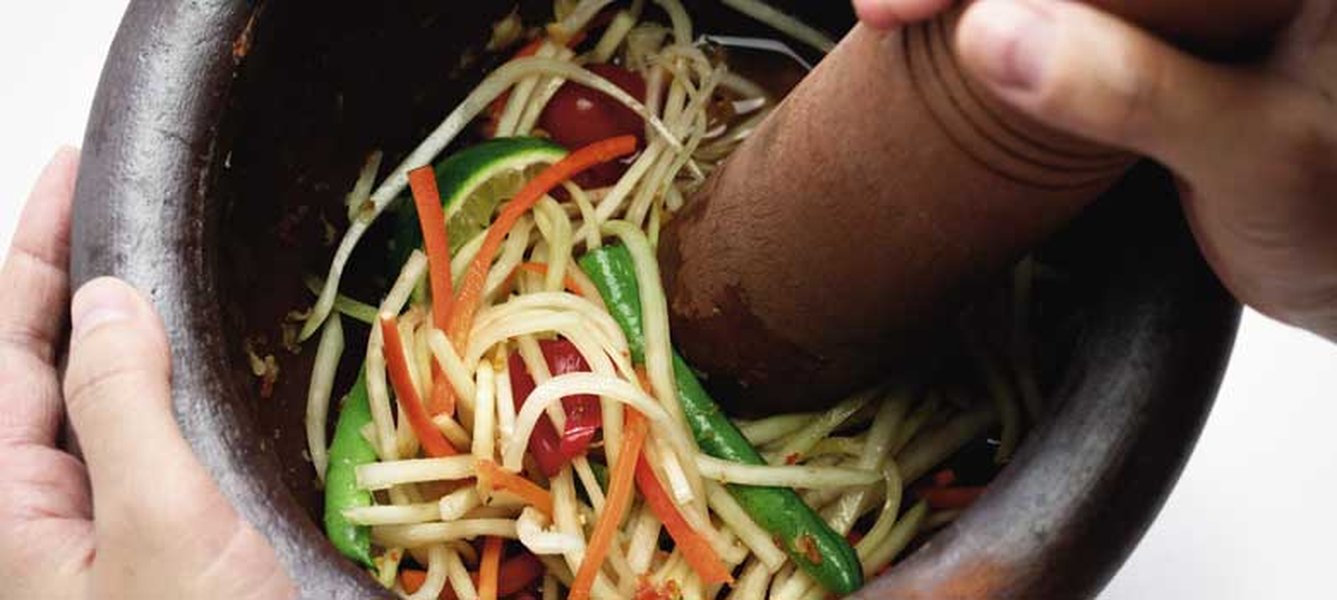
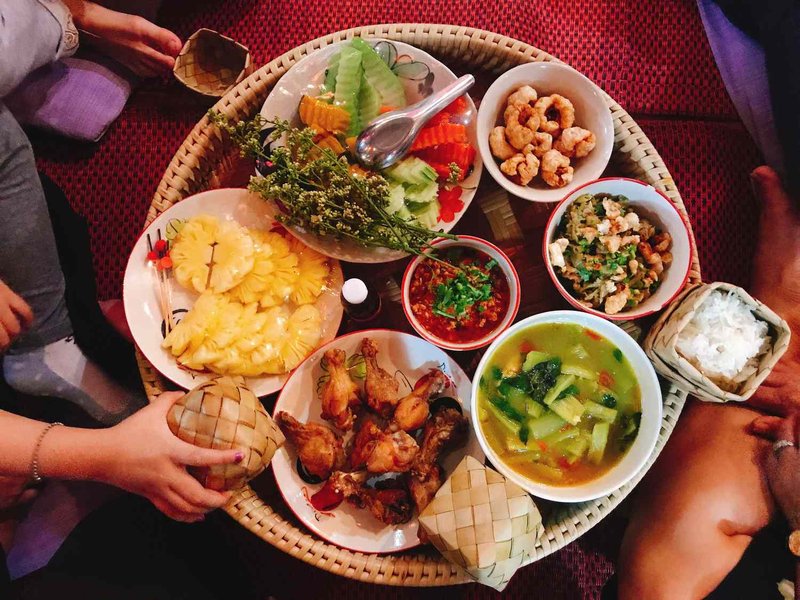
A vibrant spread of Thai dishes, illustrating the variety achieved through different cooking methods.
Core Thai Cooking Techniques Explored
Thai cooking utilizes a spectrum of techniques, each contributing uniquely to the final dish. Here’s a closer look at the primary methods and their defining characteristics:
Stir-Frying (Pad - ผัด)
The Essence of Speed and Freshness
Perhaps the most iconic Thai cooking method, stir-frying involves cooking ingredients rapidly over high heat in a wok with a small amount of oil. Preparation is key, as the cooking process itself is very fast, often lasting only a few minutes. This technique, influenced by Chinese cooking, preserves the crispness, vibrant colors, and nutrients of vegetables and proteins. Aromatics like garlic, chilies, and galangal are often fried first to release their fragrance before other ingredients are added and tossed continuously. The high heat can impart a desirable smoky flavor known as "wok hei."
- Key Difference: High heat, speed, minimal oil, constant motion. Preserves texture and freshness.
- Common Dishes: Pad Thai (Stir-fried noodles), Pad Kra Pao (Stir-fried holy basil with meat), Pad See Ew (Stir-fried wide noodles).
Classic Pad Thai, a prime example of the stir-frying (Pad) technique.
Steaming (Neung - นึ่ง)
Gentle Cooking for Delicate Results
Steaming is a healthy technique that cooks food using the vapor from boiling water, often in bamboo steamers placed over a wok or pot. It's ideal for delicate ingredients like fish, seafood, and certain desserts. Steaming preserves the natural moisture, tenderness, subtle flavors, and nutrients of the food without requiring added fats. Ingredients might be steamed plain or marinated, sometimes wrapped in banana or pandan leaves for added aroma.
- Key Difference: Moist heat, no oil, gentle cooking. Preserves moisture, nutrients, and delicate flavors.
- Common Dishes: Pla Neung Manao (Steamed fish with lime and chili), Hor Mok Pla (Steamed fish curry custard), Khanom Chan (Layered jelly cake).
Grilling (Yang - ย่าง)
Imparting Smoky Depths
Grilling involves cooking food directly over a heat source, traditionally charcoal, which imparts a distinct smoky aroma and flavor. Meats, poultry, seafood, and even vegetables are often marinated before being grilled. The direct heat creates a charred, caramelized exterior while keeping the inside moist. Grilling is popular for street food and communal meals.
- Key Difference: Direct dry heat (often charcoal), smoky flavor, charring.
- Common Dishes: Gai Yang (Grilled chicken), Moo Ping (Grilled pork skewers), Pla Pao (Grilled fish, often coated in salt).
Deep-Frying (Tod - ทอด)
Creating Crispy Textures
Deep-frying involves fully submerging food in a large amount of hot oil, usually in a wok or deep pan. This method creates a crispy, golden-brown exterior while sealing moisture inside. Maintaining the correct oil temperature is crucial to avoid greasy or burnt results. Deep-frying is commonly used for appetizers, snacks, and certain main course components.
- Key Difference: Submersion in hot oil, creates crispiness.
- Common Dishes: Tod Mun Pla (Fried fish cakes), Por Pia Tod (Fried spring rolls), Gai Tod (Fried chicken).
Boiling, Simmering & Stewing (Tom - ต้ม / Toon - ตุ๋น / Gaeng - แกง)
Developing Rich Flavors Over Time
These related techniques involve cooking ingredients in liquid. Boiling (Tom) is fundamental for soups and foundational broths. It's often the first step in making many curry dishes or clear soups. Stewing or Simmering (Toon/Gaeng) involves cooking ingredients slowly in liquid (like water, stock, or coconut milk) over lower heat for extended periods. This method is perfect for tenderizing tougher cuts of meat and allowing complex flavors from herbs, spices, and curry pastes to meld and deepen. Gaeng specifically refers to curry-like dishes, which can range from thin and soupy to thick and rich. Stewing retains nutrients within the broth or sauce.
- Key Difference: Cooking in liquid; boiling is quicker, while stewing/simmering is slow and low heat. Develops deep flavors and tenderness.
- Common Dishes: Tom Yum Goong (Spicy shrimp soup), Tom Kha Gai (Chicken coconut soup), Gaeng Massaman (Massaman curry), Gaeng Keow Wan (Green curry).
Mixing & Tossing (Yum - ยำ / Tam - ตำ)
The Art of the Thai Salad
Yum refers to the technique of mixing ingredients, typically for Thai salads, which are known for their vibrant blend of spicy, sour, salty, and sweet flavors. Ingredients can be raw, blanched, grilled, or steamed before being tossed with a dressing usually made from lime juice, fish sauce, sugar, and chilies, along with fresh herbs like mint, cilantro, and lemongrass. Tam specifically refers to pounding ingredients, most famously in Som Tam (Green Papaya Salad), where ingredients are bruised in a mortar and pestle to release their flavors before mixing.
- Key Difference: Minimal or no heat applied during mixing; focus on fresh ingredients and balancing flavors in the dressing. Pounding (Tam) releases flavors intensely.
- Common Dishes: Som Tam (Green papaya salad), Yum Woon Sen (Glass noodle salad), Larb Gai (Minced chicken salad).
Visualizing the Differences: Thai Cooking Methods Compared
To better understand how these techniques contrast, let's visualize their characteristics. The mindmap below outlines the core methods and their defining features, while the radar chart compares them across key culinary dimensions.
Mindmap of Thai Cooking Techniques
This mindmap illustrates the relationships between the main Thai cooking methods and their core attributes, such as heat application, cooking time, and resulting textures/flavors.
ผัด"] attr1["High Heat"] attr2["Quick Cooking"] attr3["Crisp Texture"] attr4["Fresh Flavors"] attr5["Wok Hei (Smoky)"] Neung["Steaming (Neung)
นึ่ง"] attr6["Moist Heat (Steam)"] attr7["Gentle Cooking"] attr8["Soft & Tender Texture"] attr9["Preserves Nutrients"] attr10["Healthy (No Oil)"] Yang["Grilling (Yang)
ย่าง"] attr11["Direct Heat (Charcoal)"] attr12["Smoky Flavor"] attr13["Charred Exterior"] attr14["Caramelization"] Tod["Deep-Frying (Tod)
ทอด"] attr15["Hot Oil Submersion"] attr16["Crispy Exterior"] attr17["Golden Brown"] attr18["Rich Texture"] TomToonGaeng["Boiling/Stewing (Tom/Toon/Gaeng)
ต้ม/ตุ๋น/แกง"] attr19["Cooking in Liquid"] attr20["Slow Cooking (Stew)"] attr21["Deep Flavor Infusion"] attr22["Tenderizes Meat"] attr23["Soups & Curries"] YumTam["Mixing/Tossing (Yum/Tam)
ยำ/ตำ"] attr24["Minimal/No Heat"] attr25["Fresh Ingredients"] attr26["Bright Flavors (Spicy/Sour)"] attr27["Salads"] attr28["Pounding (Tam)"]
Comparative Analysis of Cooking Methods
The radar chart below provides an opinionated comparison of Thai cooking techniques across five dimensions: Speed (higher score = faster), Heat Intensity (higher score = more intense heat), Healthiness (higher score = generally healthier perception, e.g., less oil), Flavor Intensity (higher score = bolder/more complex flavors developed), and Texture Creation (higher score = more significant texture transformation, e.g., crispiness).
Comparative Summary Table
This table provides a quick reference guide comparing the key aspects of the primary Thai cooking methods.
| Method (Thai Name) | Technique Summary | Key Characteristics | Common Dishes |
|---|---|---|---|
| Stir-Frying (Pad - ผัด) | Quick cooking in a wok over high heat with minimal oil. | Fast, preserves freshness & crunch, smoky flavor (wok hei). | Pad Thai, Pad Kra Pao, Pad See Ew |
| Steaming (Neung - นึ่ง) | Cooking with steam over boiling water. | Gentle, moist heat, healthy, preserves delicate flavors & nutrients. | Pla Neung Manao, Hor Mok Pla |
| Grilling (Yang - ย่าง) | Cooking directly over heat, often charcoal. | Smoky flavor, charred exterior, caramelization. | Gai Yang, Moo Ping, Pla Pao |
| Deep-Frying (Tod - ทอด) | Submerging food completely in hot oil. | Creates crispy, golden texture. | Tod Mun Pla, Por Pia Tod, Gai Tod |
| Boiling/Stewing (Tom/Toon/Gaeng - ต้ม/ตุ๋น/แกง) | Cooking ingredients slowly in liquid (water, stock, coconut milk). | Develops deep flavors, tenderizes meat, forms basis for soups & curries. | Tom Yum, Tom Kha Gai, Massaman Curry, Green Curry |
| Mixing/Tossing (Yum/Tam - ยำ/ตำ) | Combining raw or lightly cooked ingredients with a dressing; sometimes pounding (Tam). | Focus on fresh ingredients, balance of spicy/sour/sweet/salty, vibrant salads. | Som Tam, Yum Woon Sen, Larb |
Essential Tools in Thai Cooking
Executing these methods often relies on specific traditional tools that have shaped Thai cuisine.
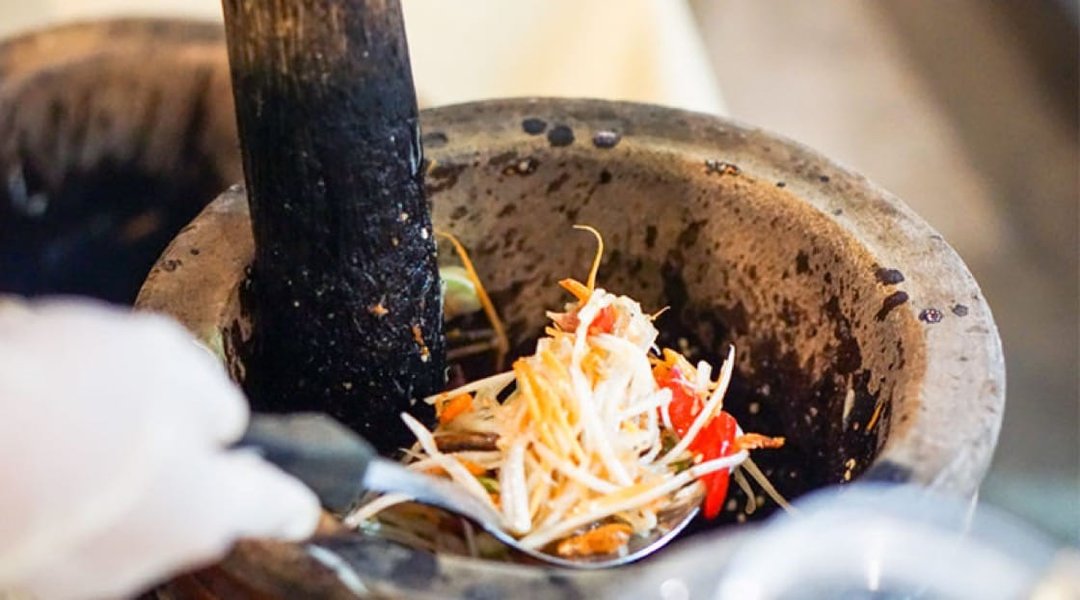
Mortar and Pestle (Krok - ครก / Saak - สาก)
Essential for pounding spices, herbs, and garlic to make curry pastes and for bruising ingredients in salads like Som Tam (Tam technique). This process releases essential oils and flavors far more effectively than chopping or blending.
Wok (Kratha - กระทะ)
The cornerstone for stir-frying (Pad) and deep-frying (Tod). Its shape allows for high heat concentration at the bottom and cooler sides, facilitating rapid cooking and tossing. Also used for boiling and sometimes steaming (with a rack).
Other Important Tools
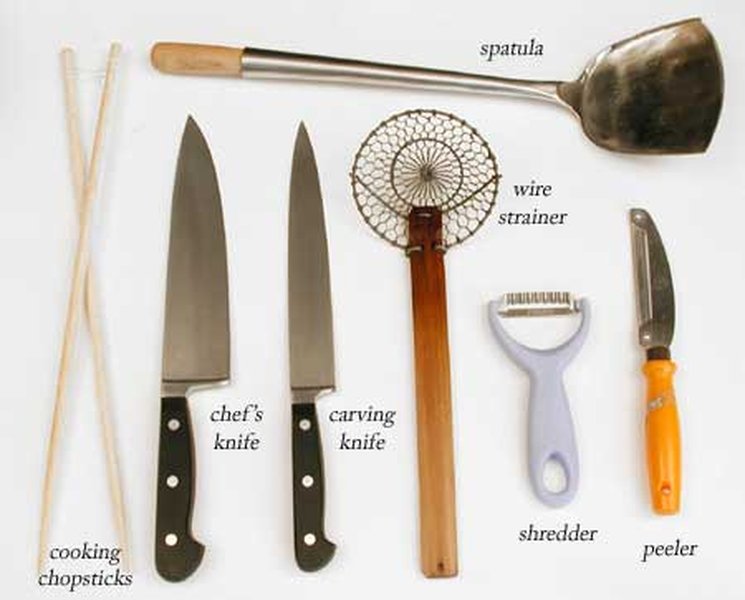
Other tools like bamboo steamers (for Neung), charcoal grills (for Yang), and various specialized knives and graters contribute to the efficiency and authenticity of Thai cooking methods.
Regional Nuances in Cooking Methods
While the core techniques are widespread, their application varies across Thailand's regions, reflecting local ingredients, climate, and cultural influences:
- North (Lanna): Often features steaming and boiling, milder flavors, more use of fresh vegetables and herbs. Sticky rice is common. Grilling is also prevalent. Less reliant on coconut milk compared to other regions.
- Northeast (Isan): Known for bold, fiery flavors. Grilling, boiling (for soups), and salads (Yum/Tam) featuring fermented fish sauce (pla ra) are staples. Sticky rice is the main starch.
- Central Plains (Bangkok): A blend of techniques, with stir-frying and coconut milk-based curries (Gaeng) being prominent. Flavors are often balanced and refined, influenced by royal cuisine. Steamed jasmine rice is typical.
- South: Characterized by intense heat (spiciness) and richer, thicker curries using abundant coconut milk and turmeric. Seafood is common, often grilled or deep-fried. Stewing (Gaeng) is a key method for developing deep curry flavors.
Video Insights: Learning from a Thai Chef
Watching experienced chefs demonstrate these techniques can provide valuable insights. This video features Andy Baraghani learning authentic Thai cooking methods, particularly focusing on the vibrant flavors of the Isan region, showcasing how ingredients like fish sauce, lime, and chilies are balanced using specific techniques.
Andy Baraghani explores Northeastern (Isan) Thai cooking techniques.
Frequently Asked Questions (FAQ)
What is the healthiest Thai cooking method?
Steaming (Neung) is generally considered the healthiest method as it requires no added oil and preserves the most nutrients in the food. Boiling (Tom) and fresh salads (Yum) are also relatively healthy options. Stir-frying (Pad) can be healthy if minimal oil is used, while deep-frying (Tod) is the least healthy due to the high amount of absorbed oil.
What does "wok hei" mean in stir-frying?
"Wok hei" (鑊氣) translates to "breath of the wok." It refers to the complex, smoky aroma and taste imparted to food when stir-fried correctly over very high heat in a seasoned wok. It's a hallmark of expertly executed stir-fried dishes and is achieved through the intense heat vaporizing oil and moisture as ingredients are tossed.
Can I substitute common kitchen tools for traditional Thai ones?
Yes, substitutions are possible, though results might differ slightly. A large, deep skillet can substitute for a wok for stir-frying, though achieving true wok hei might be difficult. A food processor can be used instead of a mortar and pestle for curry pastes, but the texture and flavor release won't be identical. A standard steamer pot can replace bamboo steamers. While traditional tools enhance authenticity, you can still cook delicious Thai food with standard equipment.
Why is ingredient preparation so important in Thai cooking?
Many Thai cooking methods, especially stir-frying, are very fast. Having all ingredients prepped—chopped, measured, and ready to go (mise en place)—is crucial. This ensures that cooking flows smoothly and quickly, preventing ingredients from burning or overcooking while you stop to chop or measure something else. Proper preparation is key to achieving the right textures and balanced flavors.
Recommended Further Exploration
- What are the essential ingredients for authentic Thai cooking?
- How do regional differences impact Thai curry recipes?
- Tips for balancing sweet, sour, salty, and spicy flavors in Thai food?
- Guide to using a wok for Thai stir frying?
References
Last updated May 5, 2025