
Understanding the Difference Between Wisdom and Intelligence & How to Cultivate Wisdom
Introduction
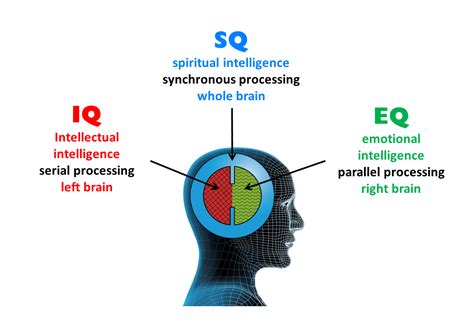
In the realm of human cognition, wisdom and intelligence are two distinct yet interrelated qualities that profoundly influence our decision-making, problem-solving, and overall interactions with the world. While intelligence is often lauded for its association with academic prowess and logical reasoning, wisdom embodies the depth of experience, ethical judgment, and emotional understanding. This comprehensive exploration delves into the fundamental differences between these two attributes and provides actionable strategies to cultivate wisdom in one's personal and professional life.
Defining Intelligence and Wisdom
Intelligence
Intelligence is primarily defined as the ability to acquire, understand, and apply knowledge and skills. It encompasses logical reasoning, problem-solving, abstract thinking, and the capacity to learn swiftly. Often measured through standardized tests that assess various cognitive functions, intelligence is a crucial factor in academic and professional success.
Wisdom
Wisdom, in contrast, is the ability to make sound judgments and decisions based on a combination of experience, knowledge, and deep understanding. It involves insight, emotional regulation, ethical consideration, and the capacity to perceive the broader implications of one's actions. Unlike intelligence, wisdom is less about the quantity of knowledge and more about the quality of understanding and its judicious application in real-life contexts.
Key Differences Between Wisdom and Intelligence
| Aspect | Intelligence | Wisdom |
|---|---|---|
| Definition | The ability to acquire and apply knowledge and skills through logical reasoning and problem-solving. | The ability to make sound judgments and decisions based on experience, knowledge, and deep understanding. |
| Scope and Application | Primarily cognitive, linked to academic and technical tasks. | Includes emotional and ethical dimensions, focusing on real-life applications. |
| Measurement | Quantified through IQ tests and standardized assessments. | Qualitative and subjective, often assessed through behavioral indicators. |
| Development | Partly innate and enhanced through education and mental exercises. | Developed through life experiences, reflection, and personal growth. |
| Time Orientation | Focused on present and future problem-solving. | Involves reflecting on past experiences to inform present and future decisions. |
| Emotional Component | Emphasizes logical reasoning and analytical thinking. | Incorporates empathy, emotional understanding, and ethical considerations. |
Interconnections Between Wisdom and Intelligence
While wisdom and intelligence are distinct, they are not mutually exclusive and often complement each other in various facets of life:
- Enhancing Each Other: Intelligent individuals leverage their cognitive abilities to grasp complex situations, while wise individuals apply their understanding with thoughtful judgment.
- Mutual Development: Engaging in intellectually stimulating activities can provide the experiences that foster wisdom. Conversely, the insights gained from wise decision-making can refine intelligent approaches.
Strategies to Cultivate Wisdom
1. Foster Self-Awareness
Developing self-awareness is foundational to cultivating wisdom. It involves reflecting on your thoughts, motivations, and actions to gain a deeper understanding of yourself.
- Mindfulness Practices: Engage in meditation or mindfulness exercises to become more attuned to your internal states and reactions.
- Journaling: Regularly write about your experiences, thoughts, and feelings to uncover patterns and gain insights.
2. Learn from Experience
Wisdom grows through both successes and failures. Embracing and analyzing your experiences leads to valuable lessons and personal growth.
- Embrace Mistakes: View setbacks as opportunities for learning rather than failures.
- Seek Feedback: Engage with mentors and peers to gain diverse perspectives on your actions and decisions.
3. Develop Emotional Intelligence
Emotional intelligence is crucial for wisdom as it involves understanding and managing your own emotions and empathizing with others.
- Empathy: Practice active listening and strive to understand others' viewpoints.
- Emotional Regulation: Learn to manage your emotions to maintain composure in challenging situations.
4. Seek Broad Perspectives
Exposing yourself to diverse ideas, cultures, and experiences broadens your understanding and enhances your ability to make informed judgments.
- Continuous Learning: Engage in lifelong learning through reading, courses, and exploring new subjects.
- Diverse Interactions: Interact with people from various backgrounds to gain different perspectives.
5. Practice Patience and Critical Thinking
Patience allows for deeper reflection, while critical thinking ensures that decisions are well-analyzed and consider multiple facets.
- Deliberate Decision-Making: Avoid hasty decisions by taking time to reflect on the consequences and ethical implications.
- Analyze Ethical Dimensions: Weigh not only logical but also moral and emotional aspects of your choices.
6. Value Humility and Lifelong Learning
Humility opens the door to continuous improvement and acknowledges that there is always more to learn.
- Admit Limitations: Recognize that you do not have all the answers and remain open to others' insights.
- Stay Curious: Maintain a curious mindset that seeks out new knowledge and experiences.
7. Engage with Others
Building meaningful relationships and engaging with a community enriches your understanding and provides support systems that are essential for wise living.
- Mentorship: Learn from those who have accumulated wisdom through their experiences.
- Community Involvement: Participate in community activities to understand societal needs and diverse viewpoints.
8. Focus on Ethics and Morality
Wisdom is deeply intertwined with ethical considerations and moral integrity.
- Define Core Values: Clearly articulate your values and principles to guide your decisions.
- Act with Integrity: Ensure your actions consistently reflect your ethical beliefs, even in the face of challenges.
9. Embrace Uncertainty and Complexity
Life is often filled with ambiguous and complex situations that require thoughtful navigation.
-
Tolerance for Ambiguity: Accept that not all situations have clear-cut solutions.
-
Critical Analysis: Approach complex issues from multiple angles to form well-rounded judgments.
Practical Tools to Enhance Wisdom
- Meditation: Regular meditation practices cultivate mindfulness and mental clarity, essential for wise decision-making.
- Philosophical Reading: Engaging with philosophical texts, such as Marcus Aurelius's Meditations or Lao Tzu's Tao Te Ching, provides timeless insights into wise living.
- Volunteer or Mentor: Participating in volunteer work or mentoring others deepens your understanding of human nature and societal needs.
Conclusion
Intelligence and wisdom are fundamental aspects of human cognition, each serving unique and complementary roles. While intelligence equips individuals with the ability to solve problems, understand complex concepts, and process information efficiently, wisdom imbues decisions with ethical consideration, emotional depth, and a profound understanding of life's complexities. Cultivating wisdom involves a deliberate and continuous effort to develop self-awareness, emotional intelligence, ethical integrity, and a broad perspective on life's experiences. By embracing these strategies, individuals can enhance their ability to navigate challenges thoughtfully and contribute positively to their communities and environments.
Last updated January 8, 2025