
Unlocking Next-Gen Networks: How DigiByte Can Propel the NSF VINES Initiative
Exploring the profound synergy between DigiByte's advanced blockchain capabilities and the National Science Foundation's vision for intelligent network systems.
Key Insights for the NSF VINES Initiative
- High-Performance Backbone: DigiByte's exceptional speed and scalability, with block times significantly faster than Bitcoin, offer a robust foundation for the high-throughput, low-latency demands of next-generation intelligent network systems.
- Fortified Security & Digital Identity: The multi-algorithm mining and Digi-ID protocol provide unparalleled decentralization and secure authentication, crucial for building trustworthy and resilient networks in an era of increasing cyber threats.
- Versatile Platform for Innovation: With support for smart contracts, decentralized applications (dApps), and customizable digital assets (DigiAssets), DigiByte enables the development of diverse, adoption-ready solutions across various verticals, aligning perfectly with VINES's focus on real-world impact.
Decoding the NSF VINES Grant Initiative
The National Science Foundation's (NSF) "Verticals-enabling Intelligent Network Systems (VINES)" grant initiative is a forward-thinking program designed to catalyze groundbreaking research and development in next-generation (NextG) intelligent network systems. These systems are envisioned to span the entire user-edge-core-cloud continuum, aiming to drastically enhance the performance, capabilities, resilience, and interoperability of advanced telecommunications technologies, including cutting-edge wireless networks. The VINES initiative is structured to support both fundamental research (Track 1) and vertical-driven technology development, facilitating the translation of innovations into adoption-ready solutions (Track 2), often in collaboration with industry, federal agencies, and international partners.
The core objectives of VINES revolve around creating networks that are not only faster and more efficient but also inherently more secure, reliable, and adaptable to a myriad of applications. This includes a strong emphasis on cybersecurity, advanced authentication mechanisms, and the ability to manage complex data flows and distributed resources within a highly interconnected ecosystem. The program's focus on "verticals" implies a direct application to specific industries or societal needs, such as healthcare, logistics, smart cities, and critical infrastructure, requiring robust, trustworthy, and scalable network solutions.
DigiByte's Foundational Strengths for NextG Networks
DigiByte (DGB), launched in 2014, is a highly decentralized, open-source blockchain platform engineered for speed, security, and scalability. Its unique architectural design and innovative features make it a compelling candidate for integration into intelligent network systems, aligning with several key priorities of the NSF VINES initiative. Understanding these foundational strengths is crucial to appreciating its potential leverage.
Unrivaled Security Through Multi-Algorithm Mining
One of DigiByte's most distinctive features is its pioneering use of five independent cryptographic mining algorithms: SHA-256, Scrypt, Qubit, Skein, and Odocrypt. This multi-algorithm approach significantly enhances decentralization by preventing any single mining pool or specialized hardware (ASIC) from dominating the network. The Odocrypt algorithm, in particular, dynamically adjusts itself every 10 days to resist ASIC centralization, further bolstering security against potential 51% attacks. This robust security framework is paramount for VINES, which prioritizes the development of secure and resilient NextG networks.
Illustration depicting the concept of DigiByte's multi-algorithm security, enhancing decentralization and resistance to attacks.
High Transaction Throughput and Scalability
DigiByte boasts impressive transaction speeds, processing blocks approximately 40 times faster than Bitcoin, with new blocks generated every 15 seconds. This high throughput capacity, combined with ultra-low transaction fees, positions DigiByte as an ideal infrastructure for intelligent network systems that demand real-time data processing, low latency, and the ability to handle a vast number of transactions. The implementation of Segregated Witness (SegWit) further enhances its layer-1 scalability, while the ongoing development of its Root Network, a scalable layer-2 technology, future-proofs the platform for continued growth and higher demands within complex NextG environments.
Layered Architecture for Flexible Development
DigiByte's blockchain is structured into three distinct layers, providing a modular and flexible environment for various applications:
- Application Layer: The user-facing layer, supporting decentralized applications (dApps), smart contracts, and customized digital assets (DigiAssets).
- Consensus Layer: Responsible for transaction validation, security, and the multi-algorithm mining process.
- Network Layer: The foundational communication layer, enabling global node interaction and ensuring interoperability.
This layered approach facilitates diverse use cases and seamless integration with intelligent networked systems, allowing developers to build robust solutions tailored to specific vertical requirements.
Synergistic Applications in the VINES Context
DigiByte's technological capabilities are not merely theoretical; they offer concrete solutions to many of the challenges and objectives outlined by the NSF VINES initiative. Its strengths can be directly leveraged to build, secure, and optimize intelligent network systems.
Enhancing Cybersecurity and Authentication with Digi-ID
Cybersecurity is a cornerstone of the VINES initiative, and DigiByte's Digi-ID protocol offers a revolutionary approach to secure authentication. Digi-ID enables users and devices to sign in to websites, applications, and even IoT devices effortlessly, without the need for traditional usernames and passwords. This significantly reduces reliance on vulnerable credentials, mitigating common attack vectors and enhancing the overall security posture of networked systems. For VINES, Digi-ID could provide robust, decentralized identity management for edge devices, sensors, and users within intelligent networks, ensuring trustworthy interactions and data provenance.
Enabling Digital Assets and Tokenization for Smart Networks
The DigiAssets protocol built on the DigiByte blockchain allows for the secure creation, management, and transfer of digital assets. These assets can represent anything from physical property and intellectual property to credentials, contracts, or even data streams. Within the VINES framework, DigiAssets could facilitate:
- IoT Device Identity and Management: Tokenizing IoT device identities for secure registration, authentication, and communication within smart environments.
- Secure Data Stream Management: Representing and securing data packets or sensor readings as digital assets, ensuring their integrity and provenance across distributed networks.
- Automated Service-Level Agreements (SLAs): Using smart contracts and tokenized agreements to automate service delivery and resource allocation within intelligent network systems.
- Decentralized Data Marketplaces: Creating platforms for secure and transparent exchange of data, particularly relevant for smart cities or public health initiatives where data sharing is critical yet sensitive.
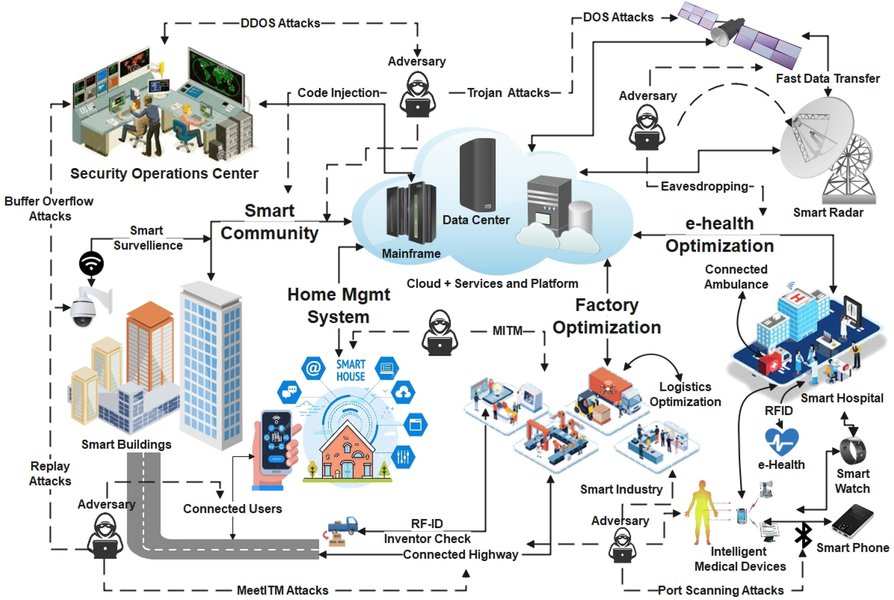
Conceptual diagram illustrating how blockchain can secure data flow and interactions within networked systems, aligning with DigiByte's capabilities.
Powering Decentralized Applications and Smart Contracts
DigiByte's support for decentralized applications (dApps) and smart contracts is vital for developing the innovative services envisioned by the VINES program. Smart contracts, self-executing agreements with the terms directly written into code, can eliminate the need for intermediaries, fostering more secure and efficient operations within NextG networks. This capability could be leveraged for:
- Automated network governance and resource allocation.
- Secure, transparent management of network configurations and updates.
- Developing new telecom or networking applications, such as decentralized sensor data marketplaces or distributed network monitoring tools.
Low-Cost Microtransactions for Efficient Network Operations
The ultra-low transaction fees associated with DigiByte make it an ideal choice for microtransactions. This characteristic is particularly beneficial for supporting the potentially vast number of small, frequent data exchanges that could occur in a complex intelligent network, such as those related to sensor readings, resource utilization, or automated device interactions. Such efficiency can significantly reduce operational costs and enhance the economic viability of large-scale NextG deployments.
Aligning with VINES Program Tracks
DigiByte's attributes align well with the specific tracks and focus areas of the VINES program, demonstrating its potential for significant contributions.
Track 1: Use-Inspired Fundamental Research
DigiByte's ongoing research and development in areas like scalability, smart contracts, and efficient micropayments directly resonate with VINES's "Use-inspired Fundamental Research" track. Research projects exploring novel networking techniques, secure distributed consensus mechanisms, or new forms of network control could integrate DigiByte's blockchain as a foundational layer for secure and efficient data handling. Its robust distributed ledger technology (DLT) makes it suitable for projects involving immutable public ledgers for recording network events, managing shared resources, or ensuring data integrity across distributed network components.
Wireless Technologies and IoT Integration
The VINES program's "Wireless Technologies" grant topic emphasizes next-generation wireless communication with high data rates, low costs, and minimum latency. DigiByte's fast transaction speeds and focus on cybersecurity make it well-suited for securing wireless communications, managing networked sensors, and enabling new functionalities in wireless devices and systems within the Internet of Things (IoT) landscape. Digi-ID's secure authentication for IoT devices is a direct fit for this focus.
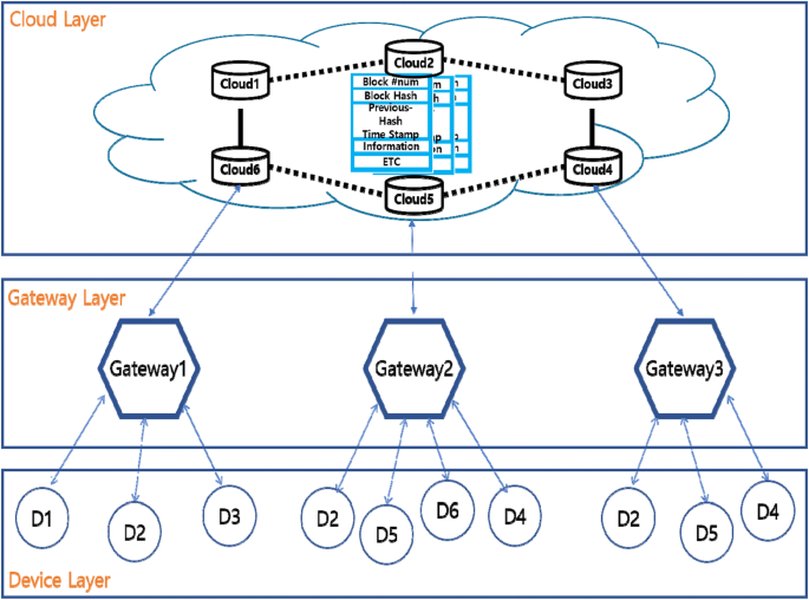
An example of a blockchain-based smart home gateway architecture, illustrating how such systems can be secured and managed, a concept transferable to broader intelligent networks within VINES.
Contribution to Distributed Ledger Technology (DLT) Initiatives
The NSF actively provides grant funding for distributed ledger technology (DLT) startups, indicating an established interest in the field. As a mature and highly decentralized DLT, DigiByte offers a robust platform that could be explored for various research projects within the VINES initiative. This includes leveraging its immutable ledger for secure data sharing, managing shared network resources, or ensuring data integrity across distributed network components.
Cybersecurity and Public Health Verticals
DigiByte's underlying technology can be leveraged to build decentralized applications for new use cases in critical sectors like healthcare and cybersecurity. Its ability to create "digital packages" that are resistant to destruction, counterfeiting, or hacking makes it ideal for protecting valuable and sensitive information—a critical requirement for safeguarding data exchanged within intelligent network systems, especially in areas like public health where data privacy and integrity are paramount.
Measuring DigiByte's Impact Potential
To quantify the extent of DigiByte's leverage within the NSF VINES initiative, we can evaluate its capabilities against key performance indicators for intelligent network systems. The radar chart below provides a visual assessment of how DigiByte's features align with critical VINES program objectives, offering a comparative overview of its potential contribution across different dimensions.
This radar chart illustrates DigiByte's strong alignment with the core objectives of the NSF VINES initiative, showcasing its potential impact across key technological and operational dimensions of intelligent network systems.
Understanding DigiByte's Integrated Capabilities
The following mindmap illustrates the interconnectedness of DigiByte's core features and how they can be integrated to address the multifaceted requirements of intelligent network systems within the NSF VINES initiative. This visual representation highlights the holistic nature of DigiByte's potential contribution.
id2"] id3["5 Mining Algorithms
id3"] id4["ASIC Resistance (Odocrypt)
id4"] id5["Security
id5"] id6["Tamper-Proof Ledger
id6"] id7["Cybersecurity Focus
id7"] id8["Speed & Scalability
id8"] id9["15-Sec Block Times
id9"] id10["High TPS
id10"] id11["SegWit & Root Network
id11"] id12["VINES Alignment"] id13["Secure Network Infrastructure
id13"] id14["Digi-ID Authentication
id14"] id15["Resilient Architecture
id15"] id16["Intelligent Data Management
id16"] id17["DigiAssets for IoT/Data
id17"] id18["Immutable Audit Trails
id18"] id19["Decentralized Application Dev
id19"] id20["Smart Contracts
id20"] id21["dApp Ecosystem
id21"] id22["Vertical-Specific Applications"] id23["Smart Cities
id23"] id24["IoT Device ID
id24"] id25["Energy Management
id25"] id26["Public Health
id26"] id27["Secure Health Data
id27"] id28["Supply Chain Integrity
id28"] id29["Logistics & Supply Chain
id29"] id30["Asset Tracking
id30"] id31["Automated Payments
id31"]
This mindmap illustrates how DigiByte's core technological strengths directly map to the objectives and application areas of the NSF VINES initiative.
Visualizing DigiByte's Capabilities
To further understand DigiByte's role in advancing blockchain technology, this video provides a detailed explanation of what DigiByte is, its unique features, and its position in the broader cryptocurrency landscape. It helps contextualize how such a robust blockchain can serve as a foundational element for sophisticated networked systems.
An in-depth explanation of DigiByte, its technology, and its potential applications, providing a comprehensive overview of its relevance to advanced network systems.
Comparative Analysis of DigiByte's Features for VINES
The table below provides a structured comparison of how DigiByte's specific features align with the requirements and objectives of the NSF VINES initiative, highlighting its unique advantages over more generic blockchain solutions. This holistic view demonstrates DigiByte's comprehensive fit for intelligent network system development.
| DigiByte Feature | Relevance to NSF VINES Objective | Specific Impact on Intelligent Network Systems |
|---|---|---|
| Five Mining Algorithms & Odocrypt | Enhanced Decentralization & Security | Mitigates 51% attacks; ensures network resilience; creates trustworthy foundation for NextG networks. |
| 15-Second Block Times & High TPS | High Throughput & Low Latency | Enables real-time data processing; supports rapid communication in high-demand networks like IoT. |
| Digi-ID (Decentralized Identity) | Secure Authentication & User Experience | Eliminates passwords; provides robust identity verification for users and devices (e.g., IoT) in network access. |
| DigiAssets (Digital Assets & Tokenization) | Secure Asset Management & Programmability | Allows tokenization of physical/digital assets; enables secure data streams and automated contract execution. |
| Smart Contracts & dApp Support | Automated Operations & Innovation | Facilitates decentralized governance; automates service agreements; enables creation of vertical-specific network applications. |
| Ultra-Low Transaction Fees | Cost Efficiency & Microtransaction Support | Ideal for frequent, small data exchanges (e.g., sensor readings); reduces operational costs for large-scale deployments. |
| Layered Architecture | Modular Development & Integration | Supports diverse use cases; simplifies integration with existing network infrastructure and future innovations. |
Frequently Asked Questions (FAQ)
What is the NSF VINES initiative?
How does DigiByte enhance network security?
Can DigiByte handle high data volumes and speeds required by NextG networks?
What are DigiAssets and how are they relevant to VINES?
Conclusion
DigiByte technology offers a highly compelling and robust framework for advancing the objectives of the NSF VINES grant initiative. Its foundational strengths in decentralization, unparalleled security through multi-algorithm mining, high transaction throughput, and layered architecture provide a scalable and resilient infrastructure for next-generation intelligent network systems. Features like Digi-ID for secure authentication and DigiAssets for digital asset management directly address critical VINES requirements for trustworthiness, interoperability, and vertical-specific applications. The platform's support for dApps and smart contracts further enables the development of innovative, automated solutions across diverse sectors, from smart cities to public health. While considerations for energy efficiency (as a PoW chain) and ecosystem maturity exist, DigiByte's core technological advantages align profoundly with the VINES program's vision for secure, scalable, and intelligent networked systems, making it a powerful candidate for foundational research and real-world implementation.
Recommended Further Exploration
- Explore blockchain applications in smart city infrastructure and their potential for VINES.
- Investigate decentralized identity solutions for IoT devices and their impact on network security.
- Learn about advanced scalability solutions for next-generation wireless networks and their compatibility with blockchain.
- Discover additional NSF funding opportunities specifically for distributed ledger technology research.