
Integrating Digital Board Games into Classrooms
A Comprehensive Guide to Enhancing Learning Through Gamification
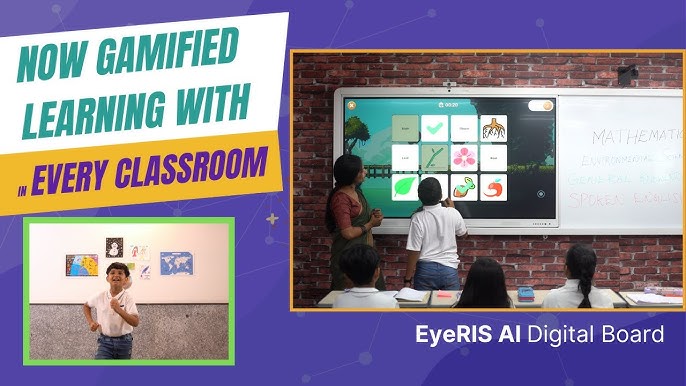
Highlights
- Improved Engagement and Motivation: Digital board games transform traditional lessons into interactive and immersive experiences.
- Skill and Cognitive Development: These games promote critical thinking, teamwork, and effective communication while reinforcing academic content.
- Flexible and Customizable Learning Tools: They offer educators the ability to tailor gameplay for specific educational goals and integrate robust feedback mechanisms.
Introduction
The integration of digital board games into classroom environments represents a pivotal shift in educational technology. By blending traditional educational content with interactive gameplay, educators are creating a dynamic and engaging setting that resonates with students across different learning styles and grade levels. Digital board games not only serve as innovative teaching tools but also foster critical social, cognitive, and technical skills. In this guide, we explore the various facets of integrating these games into classroom settings, discuss their benefits, address potential challenges, and provide effective strategies and examples for successful implementation.
Benefits of Digital Board Games in Education
Enhanced Engagement and Motivation
One of the most immediate advantages of incorporating digital board games into the classroom is the significant boost in student engagement. Traditional classroom activities sometimes fail to capture the diverse interests of students. Digital board games, with their interactive and immersive gameplay, address this gap by transforming learning from a passive activity into one that is both active and fun.
The gamified learning approach encourages students to be more attentive and motivated. The competitive element inherent in many board games—whether cooperative or adversarial—serves as a motivator for students to push themselves in trying to understand and apply new concepts. This kind of engagement is invaluable in ensuring that students not only absorb information but also actively participate in their own learning process.
Skill Development and Cognitive Enhancement
Digital board games contribute to skill development in multiple dimensions. First, they stimulate cognitive functions by presenting problems that require strategic and critical thinking. As students navigate the game, they are often tasked with solving puzzles, analyzing situations, and making decisions that impact gameplay dynamics. These exercises naturally translate to enhanced problem-solving and decision-making skills in academic contexts.
Additionally, many digital board games are designed to reinforce specific academic content across subjects such as math, language arts, and science. For example, a digital game may require students to solve math equations to advance their positions on the board or answer trivia related to historical events to earn rewards. The integration of such elements not only reinforces core content but also encourages exploratory learning.
Beyond cognitive skills, digital board games foster various social skills. Multiplayer games, for instance, encourage teamwork, communication, and the negotiation of game rules—skills that are essential for real-world interpersonal interactions. When students collaborate or compete in a controlled digital environment, they learn to appreciate different viewpoints and develop empathy and resilience.
Versatility and Flexibility in Learning
Digital board games provide a versatile tool for educators. Their digital platforms are adaptable, permitting use across a wide variety of subjects and learning objectives. Teachers can incorporate games as supplementary activities in their daily lesson plans or use them as the focal point of a module to reinforce critical concepts, conduct reviews, or introduce new material.
Flexibility is further enhanced by the digital nature of these games. They allow for remote learning and can be accessed on multiple devices, including computers, tablets, and interactive whiteboards. The digital format ensures that resources are always available, eliminates the challenge of managing physical game pieces, and permits quick modifications of game content to align with curriculum needs.
Immediate Feedback and Learning Analytics
One significant advantage of digital board games is the capacity to provide immediate feedback to students. Unlike traditional board games that might involve waiting until the end of a session to understand results, digital platforms can offer real-time insights. This immediate feedback loop is critical for reinforcing learning, as it allows students to quickly recognize errors, adjust strategies, and better retain material.
Furthermore, many of these digital platforms come equipped with analytics tools that help educators track student progress over time. By monitoring gameplay data, teachers can obtain valuable insights regarding which topics pose challenges for their students and adjust instructional methods accordingly. These analytics empower educators with the evidence needed to adapt and personalize learning experiences.
Implementation Strategies
Curricular Integration
For digital board games to be effective, they need to be seamlessly integrated into the curriculum. Educators can begin by identifying key learning objectives that could be reinforced through interactive gameplay. Whether it is reinforcing core concepts or introducing complex problem-solving tasks, the choice of game should reflect the desired educational outcomes.
Once curricular objectives are established, games can be mapped to specific sections of the lesson plan. For instance, a digital game that reinforces arithmetic skills can be introduced during a math class review session, or a digital trivia game can be used to refresh historical facts in a social studies lesson. This ensures that the gameplay is not a distraction but a complement to traditional teaching methods.
Customization and Adaptability
A crucial benefit of digital board games is their high customizability. Educators can either modify existing digital games or use platforms that allow the creation of custom games tailored to their specific curriculum needs. This includes altering game rules, adjusting the difficulty level of challenges, and integrating subject-specific content right into the game mechanics.
Customization also allows for differentiated instruction. As digital board games can be easily modified, teachers can design variants that cater to diverse learning abilities and styles. This ensures that both advanced learners and those who may struggle with traditional methods are equally engaged and challenged.
Technology Integration and Infrastructure
Effective integration of digital board games hinges on reliable technology and proper training for educators. Schools must ensure that the required devices, such as computers, tablets, or interactive whiteboards, are in place and functioning. Additionally, the network infrastructure should support seamless online and local connectivity to avoid disruptions during gameplay.
Equally important is the professional development of educators. Teachers need to be adept at navigating these digital tools to maximize their classroom benefit. Institutions can offer regular training sessions and workshops on digital game integration, focusing on both technical skills and pedagogical strategies. Support systems, whether through IT departments or peer networks, should be accessible to help troubleshoot and resolve issues as they arise.
Assessment and Evaluation
Integrating digital board games into the classroom can also transform the way student performance is assessed. Many digital platforms include built-in assessment features, which allow educators to gauge student understanding as they progress through the game. Through in-game quizzes, challenges, or interactive tasks, teachers can obtain continuous feedback on student learning.
Moreover, post-gameplay discussions and reflective sessions can serve as qualitative assessments, encouraging students to articulate their thought processes and learning experiences. By combining quantitative data from the games with qualitative insights from classroom interactions, educators can create a holistic assessment framework that truly reflects student progress.
Collaboration, Socialization, and Community Involvement
Despite their digital nature, board games can significantly enhance social interaction in a classroom setting. Many digital board games support multiplayer modes—both cooperative and competitive—that encourage collaboration among students. These interactive sessions help build communication skills and foster a friendly competitive spirit.
Such games also create opportunities for classroom-wide collaborations. For instance, teachers can organize game-based tournaments or group challenges that involve both students and parents. This involvement not only deepens the learning experience but also fosters community spirit and parental engagement with the education process.
Digital Tools and Platforms
Popular Digital Platforms
Several digital platforms have emerged as robust solutions for integrating digital board games into the classroom. These platforms offer a mixture of pre-designed games and customizable templates that can be quickly adapted to various educational contexts. Among the most noted are platforms that replicate the social dynamics of traditional board games in a digital format, encouraging both individual play and group interaction.
For instance, some platforms offer a 3D social board gaming experience that mimics physical gameplay, providing an immersive environment that enhances the user's experience. Others offer straightforward game development interfaces where educators can drag-and-drop components to create custom games without requiring extensive programming skills.
Table: Comparison of Popular Digital Board Game Platforms
| Platform | Key Features | Customization | Suitable For |
|---|---|---|---|
| Platform A | 3D interactive gameplay, multiplayer modes | High | Collaborative learning and social engagement |
| Platform B | Drag-and-drop game builder, self-check questions | Very High | Custom educational content and differentiated instruction |
| Platform C | Pre-designed game templates, instant feedback mechanisms | Moderate | Review sessions and skill reinforcement |
| Platform D | Real-time analytics, remote accessibility | High | Blended learning and remote education |
This comparison highlights the diverse options available to educators today. Choosing the right platform depends on the desired balance between immersive gameplay, ease of customization, and the specific educational goals that need to be met.
Addressing Challenges and Overcoming Barriers
Technological Barriers and Infrastructure
While digital board games offer numerous benefits, their successful implementation is not without challenges. Technological limitations such as hardware availability, network reliability, and software compatibility can hinder integration efforts. Ensuring a stable infrastructure is essential for minimizing disruptions during class sessions.
Schools may need to invest in upgrading hardware, securing high-speed internet connections, and providing technical support to maintain consistent access to these digital tools. Moreover, planning for contingencies in case of technical failures – such as having backup offline activities – helps ensure that learning is not compromised.
Aligning Games with Curriculum Objectives
A common challenge is ensuring that game content is fully aligned with curriculum standards and learning objectives. Not every digital board game may naturally support the specific goals of a curriculum. Therefore, educators may need to adapt existing games or design bespoke content that integrates seamlessly with their lesson plans.
This process involves a careful analysis of both the game mechanics and the educational content. It requires collaboration among educators, curriculum developers, and sometimes even game designers to create gameplay that not only entertains but also educates effectively. Structured frameworks and guidelines can be invaluable in this process, providing educators with step-by-step methodologies for successful integration.
Teacher Training and Professional Development
The absence of adequate training on digital game tools can be a significant roadblock. Educators must be comfortable and confident in using these high-tech solutions. Educational institutions can support teacher training through dedicated workshops, online tutorials, and ongoing professional development programs.
These initiatives not only build technical skills but also offer insights into best practices and pedagogical strategies for maximizing the impact of digital board games in the classroom. An informed teacher is far more likely to successfully navigate the integration process and harness the full potential of these tools.
Future Directions and Innovations
Emerging Trends and Technologies
The landscape of digital board games is continuously evolving. Advances in artificial intelligence and data analytics are poised to further transform the educational potential of these games. Future innovations may include adaptive learning experiences powered by real-time data, where games automatically adjust difficulty levels and content based on a student’s performance.
Additionally, the integration of virtual reality (VR) elements could take digital board games to new heights by offering even more immersive and interactive experiences. Such trends indicate that digital board games will not only remain relevant in educational settings but may become a cornerstone of future pedagogical strategies.
Research and Long-Term Impact
Ongoing research continues to validate the effectiveness of digital board games in boosting student engagement and academic performance. Studies have shown significant improvements in focus, information retention, and problem-solving abilities when game-based learning is systematically implemented. The ability to quantitatively assess gameplay data allows educators to refine their methods continuously and implement evidence-based practices.
As more schools adopt these digital tools, long-term studies are expected to shed further light on their impacts, enabling a more sophisticated integration that harnesses the full spectrum of cognitive, emotional, and social benefits provided by gameplay.
Conclusion and Final Thoughts
Integrating digital board games into classroom settings offers a transformative approach to education that blends traditional learning with the engaging dynamics of interactive gameplay. By utilizing digital board games, educators can foster improved student engagement, promote critical cognitive and social skills, and provide a flexible, customizable learning platform that adapts to the evolving needs of the curriculum.
Successful integration requires thoughtful planning—from aligning games with educational objectives to ensuring robust technological support. With targeted teacher training and the strategic use of analytics for continuous improvement, digital board games can serve as powerful tools to complement conventional teaching methods and create a vibrant, collaborative learning environment.
As educational practices continue to evolve, embracing such innovative digital solutions is essential. The future holds exciting potential for these tools, as emerging technologies like artificial intelligence and virtual reality further enhance the learning experience. Ultimately, digital board games are not just a passing trend but a sustainable educational strategy that promises to enrich classroom teaching and foster lifelong learning.
References
- Digital Games for Learning - Teachersguide
-
Digital Playhouse: Board Games and STEAM Education
- How to Create Digital Game Activities for the Remote Classroom - BookWidgets
- Board Games for Educational Institutions on Tabletopia
- Online Board Games for Educational Purpose - Drimify
- Digital Game Boards for Learning and Review - Fun in 5th Grade
Recommended
 playfulescapades.wordpress.com
 usergeneratededucation.wordpress.com
Last updated February 23, 2025