
Choosing the Right Digital Camera for Your Needs
Explore key features, top models, and expert advice to make an informed digital camera purchase in 2025
Key Highlights
- Purpose and Usage: Selecting a camera should reflect your primary photography needs such as portraits, landscapes, sports, videography, or travel.
- Budget and Skill Level: Choose a model that not only fits your budget but also matches your expertise, from beginner-friendly options to advanced professional systems.
- Essential Features: Consider sensor size, lens compatibility, stabilization, autofocus, and video functionality to ensure the camera meets your performance expectations.
Understanding Your Requirements
In order to make the right decision on which digital camera to purchase, you need to weigh several crucial factors. One of the first steps is to clearly identify what you intend to capture. Are you a travel photographer looking for a compact, reliable camera to document your adventures? Are you a budding vlogger or a professional videographer who requires top-notch 4K video capabilities? Or maybe you are a photographer whose focus is portrait, landscape, or wildlife photography, necessitating a camera with excellent low-light performance and high resolution.
The answer to "Which digital camera should I purchase?" is not a one-size-fits-all recommendation but rather a tailored suggestion based on your photographic style, budget constraints, and desired features. It’s very beneficial to test cameras in physical stores, if possible, and compare how each feels in your hand. Balancing comfort with functionality is essential.
Assessing Your Photography Goals
Identifying Your Primary Use Case
For many enthusiasts, the best recommendation pivots on the following general categories:
- General Purpose and All-Around Performance: If you are searching for a camera that performs well in both still photography and video, look for models that blend robust hybrid features, excellent autofocus, and full-frame or high-quality APS-C sensors.
- Beginners: Ease of use is paramount. Entry-level cameras often provide simplified interfaces, making them ideal for those just starting in photography. These cameras deliver solid image quality without overwhelming the user with overly complex features.
- Video and Vlogging: For content creators who prioritize video, cameras with strong video capabilities, reliable autofocus during filming, and high frame rate recording at resolutions such as 4K up to 120fps are ideal.
- Travel and Street Photography: Often requiring a compact and portable option without sacrificing image quality, travel cameras provide excellent performance in a small package.
- Action and Sports Photography: When shooting fast-moving subjects, a camera with exceptional continuous autofocus and a high burst rate becomes important.
Evaluating Your Budget
Budget considerations play an integral role in your camera decision. Digital cameras span a wide financial range, from entry-level models that are very cost-effective, to high-end professional systems that require a significant investment. More expensive models generally offer superior build quality, more advanced features (such as enhanced sensors and better lenses), and longer-term value in terms of performance and durability. It is essential to decide the maximum investment you are prepared to make, keeping in mind that additional accessories such as extra lenses, memory cards, and cases will add to your total budget.
Top Camera Recommendations for Different Users
Several digital cameras have been highly recommended by experts for various photography needs in 2025. Below is a detailed look at some leading models based on different use cases:
For Beginners
Beginners need a camera that simplifies the learning process while delivering excellent image quality. The Canon EOS R100, for example, is recognized as an ideal starter camera. It is equipped with a 24.1 MP sensor and a reliable autofocus system that makes it easy to capture sharp and vibrant images. Its straightforward interface is perfect for those getting acquainted with manual settings and photography basics.
For Enthusiast Photographers
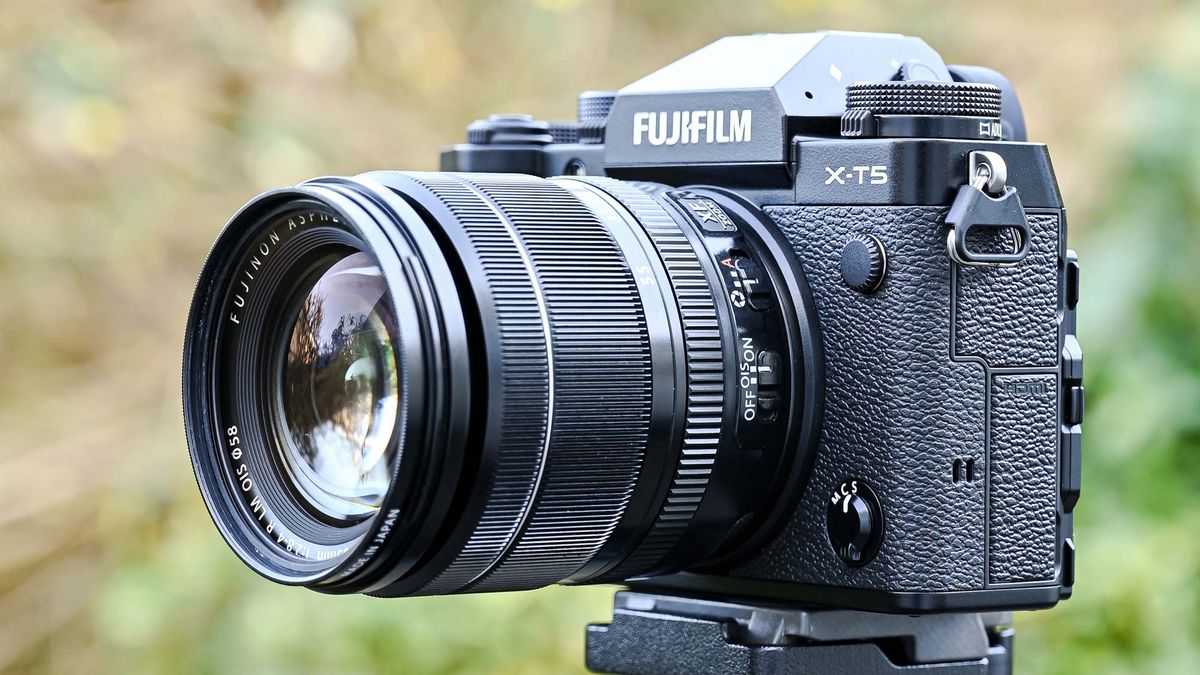
If you already have some experience behind the lens and are eager to advance your craft, you might consider cameras such as the Fujifilm X-T5. This camera offers robust performance, a high-quality APS-C sensor, and advanced autofocus functions. Additionally, models like the Nikon Z f provide a bridge between entry-level and professional equipment, offering features that cater to more serious photography endeavors without the overwhelming complexity of a full professional system.
For Professionals and Hybrid Users
Professional photographers and videographers often require cameras that deliver high performance across multiple photography modes. The Nikon Z 6III serves as an excellent hybrid choice, providing superb autofocus performance, a partially stacked sensor technology, and excellent video recording capabilities. Likewise, full-frame cameras like the Sony A7 IV and the Sony A7R V are well-suited for high-resolution photography and challenging lighting conditions. These advanced models come with more extensive lens ecosystems and exceptional build quality.
For Video Creators and Vloggers
Videographers particularly benefit from cameras designed with video in mind. Models such as the DJI Osmo Action 5 Pro and the Sony ZV-E10 II stand out in this category. The DJI Osmo Action 5 Pro is tailored for those who capture action-packed footage, featuring 4K video recording at high frame rates and reliable digital stabilization even under extreme conditions. For vloggers, the Sony ZV-E10 II offers a user-friendly design combined with advanced autofocus and sound features, making it a favorite among content creators.
For Travel and Street Photography
Portability combined with high performance is the hallmark of a good travel camera. The Fujifilm X100VI is noted for its compact design, bright prime lens, integrated ND filter, and excellent image quality, making it an ideal choice for photographing on the go. Its lightweight construction makes it a worthy companion for travelers and street photographers who need to capture spontaneous moments without dealing with bulky equipment.
Detailed Comparison Table
Below is a comparison table outlining some key specifications and features of the recommended cameras in different categories. This table may help you visualize which camera might best suit your photography style.
| Camera Model | Category | Sensor Type | Key Features | Ideal For |
|---|---|---|---|---|
| Canon EOS R100 | Beginner | APS-C | User-friendly, 24.1 MP, Dual Pixel CMOS AF | Entry-level photography and learning |
| Fujifilm X-T5 | Enthusiast | APS-C | High-quality images, advanced autofocus, robust performance | Serious photography across multiple styles |
| Nikon Z 6III | Hybrid | Full-Frame | Partially stacked sensor, excellent video, versatile autofocus | Both stills and video for professionals |
| DJI Osmo Action 5 Pro | Video/Vlogging | Compact Sensor | 4K video at 120fps, robust stabilization, rugged design | Action videography and extreme conditions |
| Fujifilm X100VI | Travel/Street | APS-C | Bright prime lens, integrated ND filter, compact build | Travel and street photography |
Additional Factors to Consider
Sensor Size and Image Quality
The sensor lies at the heart of any digital camera. Larger sensors, such as those found in full-frame cameras, deliver superior image quality, especially in low-light situations. However, APS-C and Micro Four Thirds sensors can also deliver excellent performance with the added benefits of more compact systems and affordability.
Autofocus and Stabilization
Modern digital cameras offer sophisticated autofocus systems capable of tracking subjects accurately even during high-speed shooting. For both still and video recording, features such as image stabilization (either optical or digital) can significantly enhance the quality of your captures, especially when shooting handheld. If your photography involves dynamic subjects such as sports or wildlife, a reliable autofocus mechanism coupled with rapid burst shooting is essential.
Lens Compatibility and Ecosystem
The versatility of your photography system largely depends on the availability and quality of lenses for the camera model you choose. Cameras with interchangeable lens systems provide the flexibility to adapt your setup to virtually any shooting scenario. When selecting a camera, research the available lens ecosystem and consider the cost and performance of these additional lenses.
Video Capabilities
If videography is a significant part of your creative pursuits, features such as 4K or higher resolutions, frame rates, and the presence of external microphone inputs become critical. In-camera stabilization and efficient autofocus during video capture improve the overall quality and smoothness of your footage.
Expert Recommendations and Purchasing Advice
Evaluating expert recommendations can be immensely useful when choosing a digital camera. Reviews frequently mention that the right choice is one that aligns with both your current photography needs and your anticipated growth as a photographer. Think of your purchase not as an endpoint, but as an evolving tool that will support your artistic journey.
Many experts recommend starting with a mid-range model if you are testing the waters before jumping into high-end professional equipment. This strategy allows you to get accustomed to advanced features and professional settings without being overwhelmed by complexity and cost. Once you gain more experience and understand your personal needs, you might consider upgrading to a more specialized system.
Practical Tips for In-Store Testing and Hands-On Experience
Before finalizing your purchase, schedule visits to local camera shops. Testing a camera’s ergonomics, comfort, and operational speed can offer invaluable insights that specifications on paper may not convey. Pay attention to how it feels in your hand, the intuitiveness of its menu system, and how quickly it responds to your commands. This practical experience will help you to better judge whether a camera truly fits your shooting style.
Making the Right Decision
In summary, choosing the perfect digital camera requires a balanced consideration of your photography goals, budget, and desired features. Whether you gravitate towards the beginner-friendly Canon EOS R100, marvel at the versatility of the Nikon Z 6III, or lean into the adventure-ready capabilities of the DJI Osmo Action 5 Pro, knowing your priorities is crucial.
The selection process is deeply personal, and there is no single "best" camera for all photographers. Instead, the best camera is the one that aligns with your unique needs. By focusing on factors such as sensor performance, autofocus capabilities, lens flexibility, and video functionalities, you can choose a system that not only meets but exceeds your creative expectations.
References
- Best Digital Cameras - Lifewire
- The Best Digital Cameras - PCMag
- Best Digital Camera - Expert Photography
- Best Cameras - Tom's Guide
- 8 Best Digital Cameras - RTINGS
- The Best Cameras - Engadget
- Digital Photography Review
- DXOMark Reviews
- Camera Labs - Reviews & Guides
- Photography Blog - Tips & Reviews
Recommended Related Queries
Last updated March 3, 2025