
Digital Activism & Environmental Movements
Exploring the Impact of the Internet on Environmental Activism
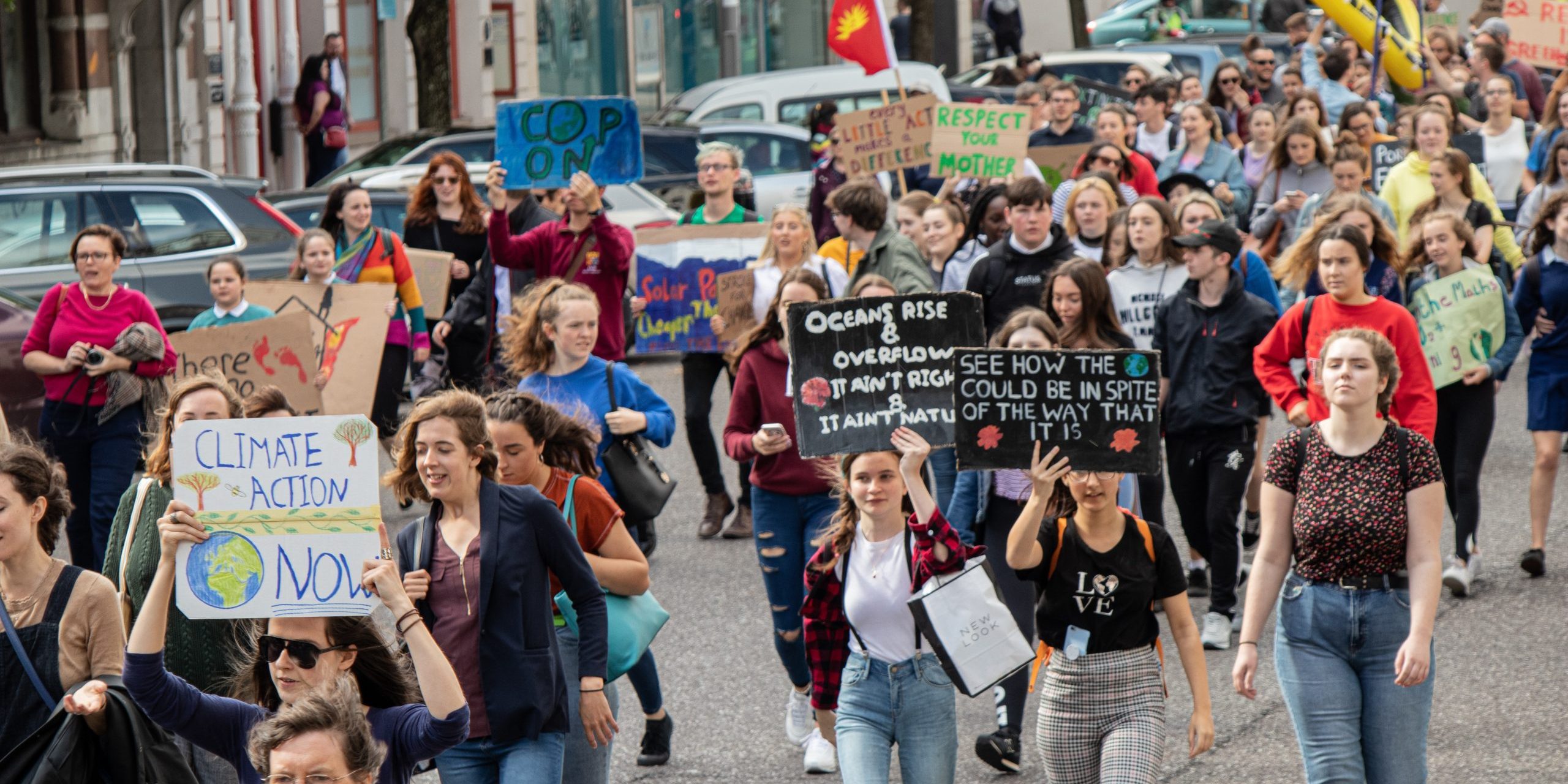
Key Insights
- Reduced Costs & Broad Access: The digital environment lowers entry barriers, allowing widespread participation in environmental causes.
- Rapid Online Mobilization: Social media and digital tools empower swift mobilization, enabling global actions and coordinated responses.
- Digital Challenges & Opportunities: While digital activism offers transformative potential, challenges such as superficial engagement and misinformation remain.
Overview of Earl and Kimport's Contributions
In their influential book, Digitally Enabled Social Change: Activism in the Internet Age, Jennifer Earl and Katrina Kimport lay a theoretical and empirical foundation that demonstrates how the emergence of digital tools has reshaped social activism. Their research emphasizes that the affordances provided by the internet have fundamentally transformed traditional activism paradigms. As environmental movements increasingly leverage digital technologies, the insights provided in their work offer a comprehensive framework to understand the dynamics of modern environmental activism.
The Changing Landscape of Activism
The transition from conventional activism to digital activism is marked by several key changes. Primarily, the internet has revolutionized engagement by reducing the costs—both financial and logistical—associated with organizing protests and mobilizing supporters. This reduction in cost has democratized activism, allowing more people to participate, irrespective of geographical boundaries or socio-economic status.
Reduced Costs and Increased Accessibility
Earl and Kimport note that one of the primary benefits of the online environment is the dramatic decrease in the resources needed to engage in political and social action. This transformation is essential for environmental movements, which often require rapid coordination and widespread engagement. By removing the necessity for physical proximity, activists can use digital platforms to:
- Publish content and organize rallies with minimal infrastructural requirements.
- Leverage online petitions and crowdfunding to support causes financially.
- Enable continuous and sustained engagement through forums and social media groups.
This democratisation process fosters inclusivity in environmental debates, empowering traditionally marginalized communities to contribute to discussions and effect tangible change.
Coordination Without Copresence
A critical insight from Earl and Kimport's work is the concept of "coordination without copresence." Environmental challenges such as climate change and sustainability require global collaboration. Digital platforms provide an opportunity for actors from various parts of the world to coordinate and act simultaneously without being physically consolidated in one location. This ability is particularly potent in addressing issues that are inherently global, like environmental degradation and international conservation efforts.
Digital Tools and Their Role in Environmental Movements
Leveraging Social Media for Environmental Change
Social media platforms represent one of the most significant elements in the digital activism toolkit. They not only serve as communication channels but also as mobilization hubs. The environmental movement has witnessed an unprecedented surge in activism facilitated by platforms like Facebook, Twitter, Instagram, TikTok, and YouTube.
Rapid Mobilization and Global Outreach
The speed at which information travels on social media is unparalleled. One of the central themes in digital activism is the capacity for rapid mobilization. Environmental campaigns can now ignite global discussions overnight. Examples of this phenomenon include social media-driven events that rally support for climate justice initiatives, conservation efforts, or responses to environmental disasters.
The global reach afforded by these platforms enables activists to spread their message widely. A single post or campaign can transcend borders, uniting individuals who share common interests and values in protecting the environment. This mechanism significantly enhances the potential for cross-cultural collaboration and international solidarity in addressing environmental challenges.
Digital Repertoires of Contention
Earl and Kimport highlight that the digital era has ushered in a new "repertoire of contention." For environmental movements, this includes online petitions, hashtag campaigns, video documentaries, and interactive websites that educate and mobilize the public.
These digital tools not only serve an immediate strategic purpose but also create lasting archives of environmental activism. They act as repositories of instances where public pressure has led to significant policy debates or corporate accountability. The accessibility of these resources provides a platform for reflective learning and further grassroots mobilization.
Challenges in the Digital Landscape
While the benefits of digital activism are manifold, Earl and Kimport also identify several challenges inherent in the online environment. Digital activism, often accused of being mere "clicktivism," sometimes struggles to translate online enthusiasm into tangible offline outcomes. This phenomenon has raised concerns about the depth and impact of engagement among online activists.
Clicktivism vs. Real-World Engagement
One significant challenge is that while digital tools can rapidly mobilize a large audience, the engagement may sometimes be superficial. "Clicktivism" refers to the tendency of users to perform low-commitment actions—such as liking, sharing, or signing online petitions—without following up with deeper involvement in environmental causes. Critics argue that these actions, while symbolically significant, may not always lead to concrete policy change or sustained participation.
However, it is important to note that many environmental movements have successfully bridged the gap between online engagement and offline action. Activists are increasingly using digital platforms as an initial engagement point, which then drives physical rallies, educational workshops, and community-level interventions.
Misinformation and Digital Inequality
Another challenge that arises in the digital era is the spread of misinformation. The rapid flow of digital content can sometimes result in the propagation of inaccurate or misleading information concerning environmental issues. This not only hampers effective activism but also contributes to public confusion regarding scientific consensus and policy implications.
Digital inequalities also pose a barrier to comprehensive environmental engagement. Disparities in access to digital resources mean that marginalized communities may not always benefit equally from the digital tools and platforms that facilitate activism. Overcoming these challenges requires both technological innovation and inclusive policy measures that ensure equitable digital participation.
A Closer Look at Strategic Applications for Environmental Activism
Strategic Organization Through Digital Platforms
As Earl and Kimport’s work suggests, one of the major strengths of digitally enabled activism is its strategic application. For environmental movements, this translates into several key strategies:
- Data-Driven Campaigns: Environmental organizations increasingly use analytics to tailor their campaigns. By examining metrics such as user engagement rates, geographic participation trends, and media reach, groups can optimize their strategies to maximize impact.
- Hybrid Activism Models: Recognizing that neither online nor offline strategies alone offer a complete solution, many movements incorporate both digital and traditional forms of activism. This dual approach ensures robust participation and enhances accountability.
- Collaborative Networks: Digital platforms facilitate the formation of collaborative networks that bring together environmental organizations from different regions. These networks enable knowledge sharing, resource pooling, and coordinated advocacy efforts.
- Real-Time Information Sharing: With real-time updates and the ability to instantly share breaking news, digital tools are indispensable in responding to environmental emergencies. Whether it is an oil spill or a forest fire, rapid digital communication can mobilize resources and support when time is of the essence.
The Role of Collective Identity and Community Building
Establishing a strong collective identity is essential for any successful movement. In the digital realm, environmental activists craft and promote a shared identity that unites disparate groups under common environmental principles. Digital platforms serve as virtual meeting places where individuals can connect, exchange ideas, and form a united front.
Community Engagement and Storytelling
Narratives and storytelling play a pivotal role in modern environmental activism. By harnessing the power of narratives that speak to shared experiences and communal goals, digital tools empower decentralized leadership. Activists can document their struggles, celebrate small victories, and highlight success stories that reinforce community cohesion and drive broader participation.
Through engaging multimedia content—including videos, infographics, and personal testimonials—movements are able not only to educate the public about environmental issues but also to foster an emotional connection that reinforces long-term commitment to the cause.
Intersections with Policy and Global Governance
Digital activism also plays an influential role in shaping institutional policy and global governance. A growing body of evidence suggests that digital campaigns have the potential to pressure governments and major institutions to adopt more environmentally friendly practices. The accessibility of large-scale, real-time data and visual evidence allows activists to present compelling cases to policymakers and the public alike.
Translating Digital Mobilization into Policy Action
Several case studies have demonstrated that when digital mobilization reaches a critical mass, it can serve as a catalyst for legislative reform and regulatory changes. Environmental campaigns that succeed in creating a digital buzz often compel companies and governments to rethink their approaches toward carbon emissions, pollution control, and renewable energy adoption.
By employing strategic messaging and forging alliances with influential voices, digital activism transitions from a platform for public demonstration to a force for long-term policy innovation and governance reform.
Digital Transformation: A Table of Key Components
| Component | Description | Application to Environmental Movements |
|---|---|---|
| Reduced Costs | Minimizes financial and logistical barriers for activism. | Enables widespread participation through low-cost mobilization. |
| Coordination Without Copresence | Facilitates collaboration without physical meetings. | Supports global campaigns and international cooperation on environmental issues. |
| Digital Repertoire | New tactics such as hashtags, online petitions, and multimedia content. | Broadens engagement channels for awareness, education, and advocacy. |
| Data-Driven Strategies | Utilizes analytics to measure and optimize campaign effectiveness. | Tailors environmental campaigns to specific demographics and regions. |
| Collective Identity | Creates a shared sense of purpose among diverse groups. | Strengthens community ties and mobilizes grassroots support. |
Recommended Topics for Further Exploration
The interplay between digital technology and environmental activism is a dynamic and evolving field. Further research and ongoing debates can explore a variety of related topics that deepen our understanding of modern digital activism and its implications for environmental governance.
- How digital platforms shape global environmental policy
- The impact of social media on grassroots environmental movements
- Digital activism: From online mobilization to offline policy change
- Strategies for combating misinformation in environmental campaigns
- Equitable digital participation in environmental activism
References

 mobilizingideas.wordpress.com


Last updated March 16, 2025