
Harnessing Digital Technologies for Environmental Information Awareness and Sustainable Practices
Exploring Digital Innovation in Addressing Environmental Challenges
Highlights
- Comprehensive Digital Strategies: Leveraging social media, AI, big data, IoT, and GIS for robust environmental communication.
- Case-Driven Insights: Integrating real-world case studies and expert interviews to validate best practices.
- Balanced Impacts: Assessing both the positive contributions and environmental costs of digital technologies.
Introduction
In the face of severe environmental challenges such as climate change, biodiversity loss, and escalating pollution levels, there is an urgent need for innovative, effective solutions to disseminate environmental information and create public awareness. Digital technologies have emerged as transformative tools in this domain. This paper examines how modern technologies including social media platforms, Artificial Intelligence (AI), big data analytics, the Internet of Things (IoT), and Geographic Information Systems (GIS) can revolutionize the gathering, processing, and distribution of environmental data, thereby inspiring sustainable behavior.
Digital Technologies and Environmental Impact
The Role of Social Media
Social media platforms such as Twitter, Facebook, and Instagram have the power to disseminate critical environmental information quickly and widely. They have become key avenues for environmental activism and public engagement. Campaigns like "#FridaysForFuture" have galvanized global youth to demand prompt action on climate change. Thus, social media not only serves as a communication tool but also as a catalyst for environmental policy change.
Mechanisms of Engagement
The instantaneous nature of social media allows stakeholders—ranging from governments to NGOs—to engage with a large audience effectively. By leveraging visual content, hashtags, and interactive campaigns, social media facilitates both information dissemination and community mobilization, ultimately boosting awareness about sustainable practices.
Artificial Intelligence (AI)
AI is revolutionizing the way environmental data is analyzed and interpreted. With machine learning algorithms, it is possible to process vast datasets, identify critical patterns, and predict environmental trends. Consequently, AI assists policymakers and researchers in making data-driven decisions that are vital for effective environmental management.
Enhancing Data Analysis and Personalization
AI not only enhances predictive modeling in environmental monitoring, but it also generates personalized environmental awareness campaigns. For instance, by analyzing regional air quality data in real-time, AI-driven applications can send alerts, thereby encouraging timely remedial measures and potentially saving lives.
Big Data Analytics
The capability of big data to transform raw numbers into actionable insights is particularly beneficial in environmental management. Big data analytics can track long-term environmental changes, elucidate patterns in resource consumption, and evaluate the impact of various environmental policies. This process assists in shaping refined strategies for sustainable practices.
Informing Policy and Consumer Behavior
Besides offering comprehensive insights into environmental trends, big data analytics empowers policymakers by providing evidence-based recommendations. By revealing correlations between human behaviors and environmental impact, big data not only influences consumer behavior but also drives reforms in governance systems.
Internet of Things (IoT)
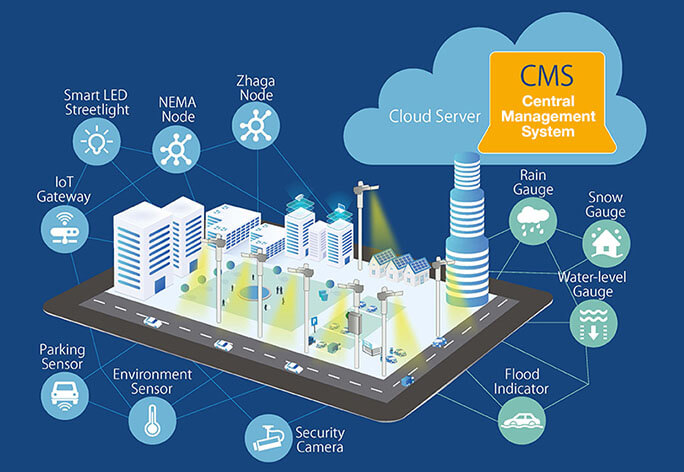
IoT connects devices and sensors to the internet and enables real-time data collection across diverse environmental metrics. IoT devices are extensively used in smart city initiatives to monitor air quality, water purity, and energy usage. This real-time data is invaluable for timely decision making and for implementing proactive measures in environmental management.
Real-Time Data Monitoring
IoT systems generate continuously updated data streams, which allow urban planners and environmentalists to detect anomalies in environmental parameters. For example, integrating IoT sensors in urban areas facilitates prompt alerts on pollution spikes, leading to immediate interventions that protect both public health and environmental resources.
Geographic Information Systems (GIS)
GIS enables spatial visualization and analysis of environmental data, thus enhancing our understanding of ecological trends. By mapping environmental phenomena over time, GIS helps spotlight critical areas such as zones of deforestation, urban expansion, and biodiversity hotspots.
Spatial Analysis for Strategic Planning
The integration of GIS with AI and machine learning further refines environmental monitoring. It provides detailed geospatial intelligence that supports sustainable planning. For instance, identifying construction sites with minimal environmental disruption ensures that infrastructure development aligns with conservation efforts.
Methodologies Employed
Literature Review
A comprehensive review of existing literature on digital environmental technologies highlights both the promise and challenges associated with these tools. The review incorporates academic journals, industry reports, and case studies from various regions. This multi-faceted review establishes a theoretical framework that supports the transformative potential of digital technologies in environmental stewardship.
Case Study Analysis
Detailed case studies provide practical insights into how digital technologies have been successfully implemented across different environmental contexts. Key case studies include:
| Technology | Case Study | Outcome |
|---|---|---|
| AI | Wildlife Conservation in Africa | Significant reduction in poaching incidents via real-time monitoring |
| IoT | Smart Agriculture Initiatives | Optimized water and fertilizer usage, leading to increased crop yields while reducing environmental impact |
| GIS | Urban Sustainability Projects | Enhanced mapping of environmental changes for improved urban planning |
| Social Media | Environmental Campaigns | Mobilization of public support and policy influence through viral campaigns |
These illustrations demonstrate that when integrated with well-designed strategies, digital tools can lead to significant advancements in environmental conservation.
In-Depth Interviews with Experts
In addition to literature reviews and case studies, this study utilized in-depth interviews with subject matter experts in environmental science, digital technology, and public policy. These interviews explored both the benefits and ethical challenges of deploying digital tools in environmental monitoring and awareness. Key insights include:
- Digital Literacy: Increasing digital literacy is pivotal for maximizing the benefits of these technologies among the general public.
- Ethical Considerations: Responsible data collection, management, and privacy concerns must be addressed to ensure the ethical use of digital platforms.
- Policy Frameworks: Effective regulatory frameworks and collaborative partnerships amongst tech firms, governments, and environmental organizations are essential for sustainable digital development.
Challenges and Ethical Considerations
Environmental Costs of Digital Technologies
While digital technologies offer immense benefits, they also come with environmental costs. The digital sector’s energy consumption is significant, and the carbon footprint of data centers and network infrastructures poses challenges similar to those in traditional industries. Digital device production and e-waste disposal further contribute to environmental degradation. The net environmental impact must thus be carefully balanced with the benefits derived from these technologies.
Ethical Considerations and Data Privacy
The use of digital technologies for environmental management raises important ethical and privacy concerns. The vast amounts of data generated are susceptible to misuse if not properly secured and managed. Stakeholders must develop stringent data protection policies to ensure that sensitive environmental and personal data is handled responsibly. Transparency in data usage, along with robust regulatory oversight, is crucial in mitigating these risks.
Strategic Recommendations for Harnessing Digital Technologies
Fostering Digital Literacy and Public Engagement
One of the primary recommendations is to enhance digital literacy at all levels of society. Educational institutions, non-profit organizations, and governments should collaborate to provide training programs that highlight the benefits and risks of digital technologies. Empowering the public with the necessary digital skills will not only improve the overall quality of environmental information dissemination but also stimulate more informed public participation in sustainability efforts.
Developing Integrated Policy Frameworks
Integrated policy frameworks that encourage technological innovation while addressing environmental costs are imperative. Policymakers must create incentives for the adoption of green digital technologies. This includes subsidies for energy-efficient data centers, grants for developing eco-friendly IoT devices, and investments in research focused on sustainable digital practices.
Promoting Collaborative Partnerships
Digital and environmental strategies must work in tandem. By fostering public-private partnerships, governments, tech companies, and environmental organizations can jointly develop integrated solutions. These partnerships are essential for leveraging the full potential of digital innovations while ensuring that their deployment is socially and environmentally responsible.
Future Research Directions
Expanding the Scope of Digital Applications
Although current research emphasizes the roles of social media, AI, big data, IoT, and GIS, future studies should also examine emergent technologies such as blockchain for traceability in supply chains and virtual reality (VR) for immersive environmental education. These technologies offer additional dimensions to sustainable practices and can further enhance our capabilities in environmental monitoring and decision-making.
Evaluating Long-Term Impacts
Longitudinal studies are required to assess the long-term impacts of digital technologies on environmental behavior and policy effectiveness. As these tools evolve, continuous and comprehensive evaluation will help refine strategies to maximize their benefits while minimizing adverse effects. Researchers should employ advanced analytical methodologies and cross-disciplinary approaches to capture the dynamic interplay between technology and the environment.
References
- The Environmental Impact of Digital Technologies and Data - DataCamp
- Digital Transformations: Opportunities and Risks - UNEP
- Data, Digital Technology, and the Environment - Geneva Environment Network
- Sustainability and Digital Technologies - MDPI
- Digital Environmental Sustainability - United Nations
Recommended Related Queries
Last updated March 13, 2025