
Implementation of Digital Healthcare Solutions
Transforming Public Health and Procurement Through Technology
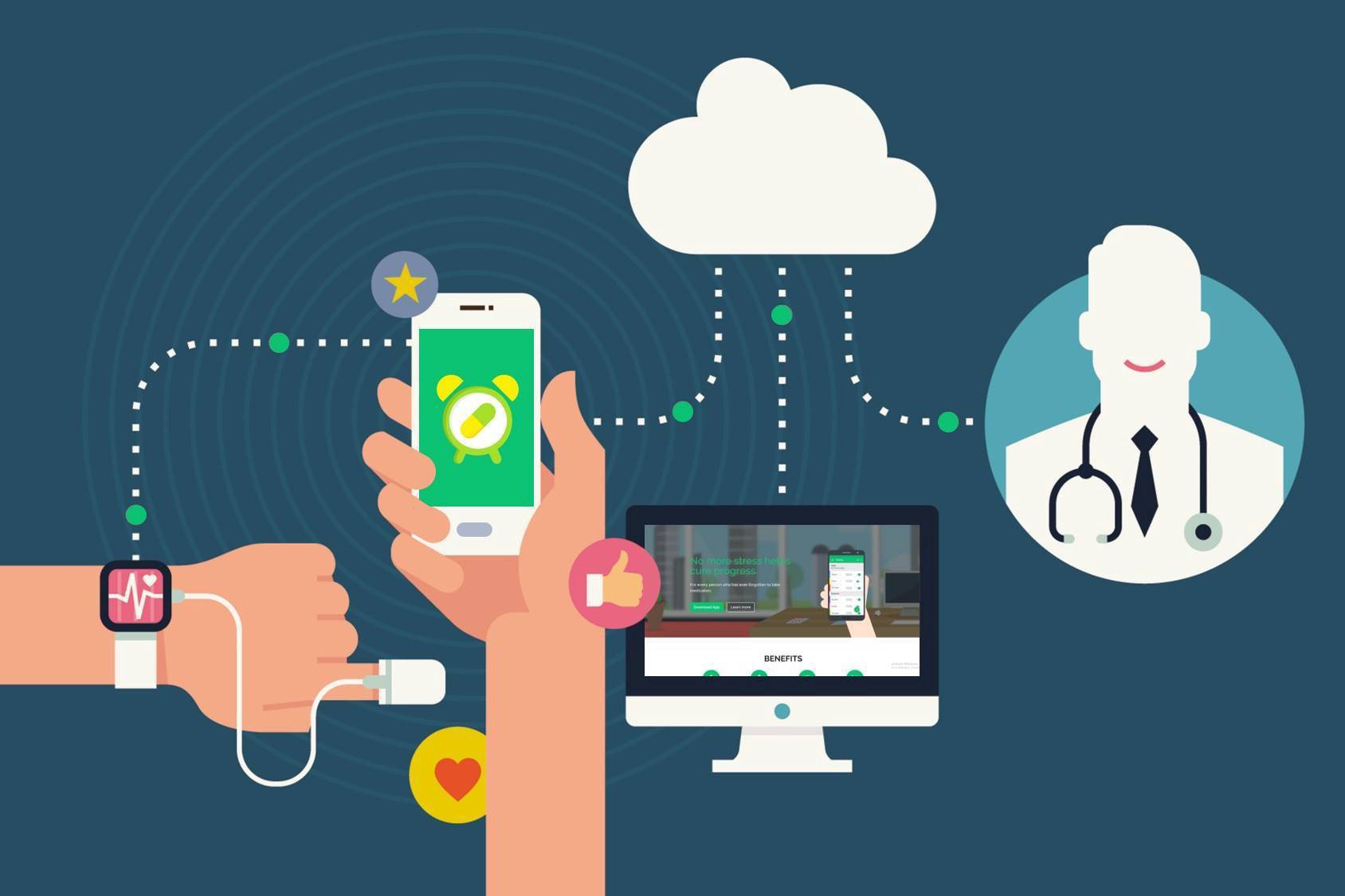
Key Takeaways
- Integrated Digital Ecosystem: Seamless connectivity between healthcare providers, procurement systems, and patients enhances efficiency and outcomes.
- Advanced Technologies: Leveraging AI, blockchain, and IoMT drives innovation, transparency, and data-driven decision-making.
- Comprehensive Implementation Roadmap: Structured phases ensure successful adoption, scalability, and continuous improvement of digital solutions.
Vision and Objectives
Implementing digital healthcare solutions aims to revolutionize public health systems by enhancing efficiency, optimizing resource allocation, and improving patient outcomes. The primary objectives include:
- Enhancing disease surveillance and health data management.
- Streamlining procurement processes to reduce costs and mitigate risks.
- Improving service delivery and patient engagement through telemedicine and mobile health applications.
- Promoting data-driven decision-making within health policy and procurement.
Strategic Framework
Establish a Digital Health Ecosystem
Creating an integrated digital health ecosystem involves linking hospitals, laboratories, pharmacies, and procurement entities through unified platforms. Key components include:
- Electronic Health Records (EHRs) and Health Information Exchanges (HIEs): Facilitate real-time access to patient information across different healthcare providers.
- Interoperability: Ensure seamless data exchange between legacy systems and new digital solutions, enabling a cohesive healthcare environment.
- Centralized Data Repositories: Aggregate data from various sources to support comprehensive analysis and reporting.
Leverage Advanced Technologies
Advanced technologies are pivotal in transforming healthcare and procurement. Key technologies include:
Artificial Intelligence and Machine Learning
AI and machine learning algorithms can predict disease outbreaks, optimize supply chains, and personalize patient care plans. These technologies enhance decision-making and operational efficiency.
Blockchain Technology
Blockchain provides secure, immutable records for patient information and procurement transactions. This ensures transparency, reduces fraud, and enhances compliance with regulatory standards.
Internet of Medical Things (IoMT)
IoMT encompasses interconnected medical devices that collect and transmit health data in real-time. This facilitates remote monitoring, timely interventions, and improved patient outcomes.
Public Health Transformation
Data-Driven Disease Surveillance & Management
Implementing centralized dashboards that integrate data from various health facilities allows for effective disease surveillance and management. Predictive models can identify at-risk populations, enabling early interventions and targeted public health initiatives.
Patient-Centric Services
Enhancing patient engagement through digital portals offers functionalities such as appointment scheduling, access to medical records, and personalized health advice. Teleconsultation services bridge geographical gaps, providing access to specialist care in remote or underserved areas.
Procurement Optimization
Digital Procurement Platforms
Transitioning to centralized, cloud-based procurement systems automates inventory management, bidding processes, and vendor payments. E-procurement solutions reduce manual errors and enhance efficiency by leveraging AI to analyze usage trends and forecast future needs.
Enhanced Transparency and Accountability
Utilizing blockchain technology to record procurement transactions ensures tamper-proof audit trails. Digital signatures and smart contracts enforce compliance with regulatory standards, while real-time reporting systems enable oversight bodies to monitor procurement activities and identify anomalies promptly.
Infrastructure & Implementation Roadmap
Infrastructure Development
Investing in high-speed connectivity and secure cloud environments is essential for supporting data storage and processing. Standardized protocols and APIs promote interoperability, while robust cybersecurity measures protect against threats.
Phased Implementation Approach
Phase 1: Pilot Projects and Proof of Concept
Select regions or facilities for pilot studies to gather baseline data and assess existing workflows. Testing digital health and procurement platforms during this phase validates use cases and refines functionalities.
Phase 2: Gradual Scale-Up
Expand successful pilot projects to additional regions, providing training for staff and stakeholders on new systems. Integrate additional data sources and procurement channels into the platform to enhance scalability.
Phase 3: Nationwide Roll-Out and Continuous Improvement
Deploy the complete system on a national scale, establishing feedback loops for continuous improvement. Monitor key performance indicators (KPIs) such as response times, cost savings, and patient satisfaction to ensure system performance meets defined standards.
Stakeholder Engagement and Change Management
Forming a cross-functional leadership team that includes healthcare professionals, IT specialists, procurement experts, and policymakers is crucial for driving digital transformation. Conducting stakeholder workshops and training sessions accelerates adaptation and builds confidence in digital tools. Developing change management strategies addresses potential resistance, emphasizing the long-term benefits of increased efficiency, transparency, and improved patient outcomes.
Data Privacy, Legal Framework, and Ethical Considerations
Ensuring compliance with national and international data protection regulations (e.g., HIPAA, GDPR) is vital for securing patient privacy and data integrity. Regular audits of data access and management practices mitigate potential breaches. Clear ethical guidelines regarding AI and machine learning applications in patient care and resource allocation safeguard against misuse and ensure responsible technology deployment.
Monitoring, Evaluation, and Continuous Improvement
Defining clear KPIs linked to health outcomes and procurement benchmarks is essential for assessing the effectiveness of digital health solutions. Implementing real-time dashboards and conducting periodic reviews ensure that system performance meets defined standards. Continuous feedback from healthcare providers, patients, and procurement officials facilitates the adaptation and optimization of digital tools over time.
Technological Integration and Procurement Optimization Strategies
Comprehensive Technological Integration
Integrating AI and advanced analytics into procurement processes optimizes decision-making and resource allocation. Implementing e-procurement systems reduces manual errors, enhances efficiency, and ensures accurate data management. Cloud-based electronic medical records (EMRs) enable seamless data integration across various healthcare platforms.
Value-Based Procurement (VBP)
Shifting focus from cost-based to value-based procurement emphasizes the quality and effectiveness of medical supplies and services. Utilizing data-driven technologies to track supplies, labor, and expenses ensures comprehensive cost understanding and aids in benchmarking pricing against competitors. Centralizing procurement operations enhances transparency and efficiency.
| Technology | Application | Benefits |
|---|---|---|
| Artificial Intelligence | Predictive analytics for disease outbreaks | Early intervention and resource allocation |
| Blockchain | Secure procurement transactions | Enhanced transparency and reduced fraud |
| Internet of Medical Things (IoMT) | Real-time patient monitoring | Improved patient outcomes and timely interventions |
| Telemedicine Platforms | Remote consultations | Increased accessibility to healthcare services |
Global Cooperation and Standards
International collaboration is essential for developing and implementing standardized digital health solutions. Sharing best practices, establishing common data standards, and promoting equitable access to digital health technologies facilitate global health improvements. Developing robust regulatory frameworks ensures patient safety, data security, and ethical use of health data across borders.
Implementation Considerations
Successful implementation of digital healthcare solutions requires addressing several key considerations:
-
User-Centered Design: Prioritize the needs and preferences of end-users to ensure the usability and effectiveness of digital tools.
-
Data Privacy and Governance: Implement robust data protection measures and governance frameworks to secure sensitive health information.
-
Digital Literacy: Address gaps in digital literacy among healthcare professionals and patients to facilitate the adoption of digital solutions.
-
Infrastructure Development: Invest in the necessary digital infrastructure to support the deployment and scaling of digital healthcare technologies.
-
Collaborative Ecosystems: Foster partnerships between technology providers, healthcare organizations, and other stakeholders to drive innovation and ensure the sustainability of digital initiatives.
Conclusion
Implementing digital healthcare solutions holds the promise of revolutionizing public health systems and optimizing procurement processes. By establishing an integrated digital ecosystem, leveraging advanced technologies, and following a comprehensive implementation roadmap, healthcare institutions can achieve higher efficiency, cost-effectiveness, and improved patient outcomes. Ensuring stakeholder engagement, data privacy, and continuous monitoring further solidifies the foundation for sustainable digital transformation. Collaborative efforts at national and international levels, coupled with robust regulatory frameworks, will drive the successful adoption and scalability of digital healthcare solutions, ultimately enhancing public health on a global scale.
References
Last updated February 13, 2025