
The Critical Role of Emotional Skills and Social Interaction in Digital Learning Environments
Exploring How SEL and Peer Engagement Enhance Digital Education
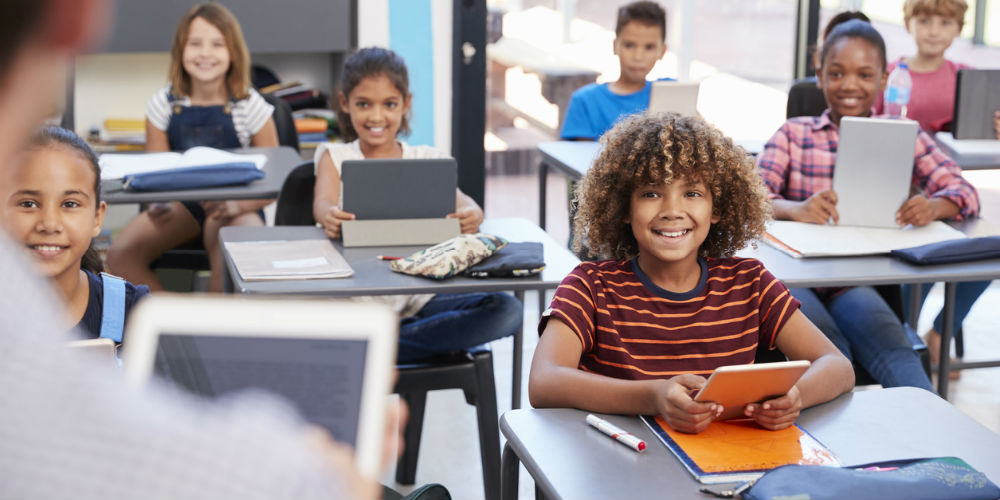
Key Highlights
- Emotional Well-being: Developing self-awareness, resilience, and empathy benefits both academic success and personal development.
- Active Social Interaction: Collaborative online communities boost engagement, communication, and problem-solving skills.
- Digital Tools and Innovation: Technology enables personalized learning environments that nurture emotional skills and foster global community connections.
Introduction
In the rapidly evolving landscape of digital education, traditional boundaries of physical classroom learning are expanding into immersive online environments. As the shift towards digital learning continues, both educators and learners are faced with the challenge of adapting to new teaching and learning modalities. Among these adaptations, the development of emotional skills and the fostering of social interaction have emerged as crucial factors for success. This comprehensive analysis will delve into the importance of social-emotional learning (SEL) and the dynamic role that interactive digital platforms play in nurturing learner development. We will explore how emotional competencies such as self-regulation, empathy, and resilience intersect with the need for robust social interactions in online settings, shedding light on strategies and tools that educators can adopt.
The Significance of Emotional Skills in Digital Learning
Understanding Emotional Competencies
Emotional skills form the foundation of an individual’s ability to navigate both academic and personal challenges. In the context of digital learning, emotional intelligence involves not just the regulation of one's own emotions but also the capacity to empathize with others, thus enhancing communication and overall engagement. Learners who have honed these skills are able to manage stress, maintain focus, and adapt to the novel demands of remote learning platforms.
Key Components of Emotional Skills
- Self-Awareness: This involves recognizing one’s emotions and understanding the impact they have on thoughts, behaviors, and learning outcomes.
- Self-Regulation: The ability to control impulses and maintain discipline, especially amid online distractions, is essential for digital contexts.
- Empathy: Through understanding the emotional states of peers and educators, learners can build meaningful connections that enrich collaborative experiences.
- Resilience: Emotional resilience enables students to bounce back from setbacks such as technical difficulties or feelings of isolation.
Emotional Well-being and Academic Success
A well-developed emotional skill set is directly linked to academic success in digital environments. For instance, self-regulating behaviors help manage challenging situations like disrupted internet connections or overwhelming coursework. Furthermore, fostering emotional awareness reduces anxiety and stress among learners, which is critical in an online setting where immediate physical support might be limited.
Benefits of SEL on Learning Outcomes
- Improved Focus: Students better manage distractions by setting emotional boundaries, which leads to higher levels of concentration.
- Enhanced Motivation: Emotional competence supports goal setting and sustained efforts towards academic achievements.
- Stress Management: Techniques such as mindfulness and reflective practices that are part of SEL can mitigate the negative effects of stress and increase overall well-being.
- Positive Behavior: SEL encourages prosocial behavior, fostering a supportive digital classroom environment that benefits everyone.
The Role of Social Interaction in Digital Education
Building a Robust Digital Community
Social interaction is a cornerstone of effective digital learning. The virtual classroom is more than just a repository of information—it is a dynamic social space where learners interact, collaborate, and build communities. When students engage with their peers and instructors, they are able to exchange ideas, resolve conflicts, and cultivate a sense of belonging that is often lacking in traditional e-learning spaces.
Mechanisms of Social Interaction Online
- Collaborative Learning: Group projects, discussion forums, and peer reviews create an ecosystem where every voice contributes to the learning process.
- Interactive Multimedia: Live webinars, virtual breakout sessions, and digital whiteboards facilitate real-time engagement and active participation.
- Global Connectivity: Digital platforms break geographical barriers, allowing learners to interact with peers from diverse cultural backgrounds, which fosters empathy and a wider worldview.
- Feedback Loops: Through social interactions, both peer-to-peer and instructor-led, students receive immediate feedback, improving their learning trajectory.
Enhancing Communication and Collaborative Skills
Digital learning platforms offer varied channels of communication that are integral to enhancing both verbal and nonverbal communication skills. The ability to articulate ideas clearly in a virtual meeting, compose thoughtful written responses in discussion threads, and interpret digital cues are all essential competencies in today’s interconnected world. Moreover, by working collaboratively on projects and assignments, learners can develop critical thinking and problem-solving skills, which are beneficial not only in academics but also in future professional settings.
Real-World Applications
The social and communication skills developed through digital learning transcend academic boundaries. In professional environments, remote work and online collaboration have become standard. The competencies formed through online academic interactions prepare learners for these real-world scenarios, helping them adapt to an increasingly digital workforce where cross-cultural communication and technical proficiency are invaluable.
Integrating Digital Tools to Enhance SEL and Social Interaction
Leveraging Technology for Emotional Skill Development
The integration of digital tools within the curriculum goes beyond mere content delivery; it actively supports the development of emotional skills. Application-based learning, interactive simulations, and adaptive learning platforms provide opportunities for learners to practice self-regulation and resilience in controlled digital environments. These tools also allow educators to offer personalized feedback and create learning modules that are tailored to the individual needs of each student, aiding in the development of a robust emotional skill set.
Examples of Technological Interventions
- Digital Journals and Reflection Tools: Encourage learners to record their emotional experiences and monitor their progress, fostering self-awareness.
- Interactive Storytelling Apps: Simulate real-life scenarios where learners can practice empathy and decision-making in a risk-free environment.
- Mindfulness and Meditation Apps: Support stress management and resilience-building by guiding learners through relaxation techniques.
- Goal-Setting Tools: Platforms that allow tracking of academic and personal milestones promote persistence and accountability.
Digital Platforms That Foster Social Interaction
In addition to supporting emotional development, digital technologies act as catalysts for enhancing social interaction in the learning environment. Virtual classrooms, social media integrations, and online forums provide multiple avenues for sustained engagement and community building. These platforms not only facilitate academic collaboration but also assist learners in developing essential social skills, allowing them to work effectively in teams and adapt to an increasingly interconnected digital society.
Comparative Table: Traditional vs. Digital Learning Environments
| Aspect | Traditional Learning | Digital Learning |
|---|---|---|
| Emotional Engagement | Relies on face-to-face interactions and immediate feedback. | Utilizes digital tools for self-regulation, emotional tracking, and personalized feedback. |
| Social Interaction | Direct interpersonal communication in a shared physical space. | Emphasizes collaboration through breakout sessions, discussion forums, and global connectivity. |
| Feedback Mechanisms | Often immediate and verbal, allowing for spontaneous discussion. | Includes digital feedback, virtual peer-review, and asynchronous communication. |
| Community Building | Based on long-term personal connections and localized groups. | Enabled by technology that links learners worldwide, providing exposure to diverse perspectives. |
Strategies for Fostering SEL and Social Interaction
Educational Approaches and Best Practices
Educators can adopt a variety of evidence-based strategies to seamlessly integrate social and emotional learning into digital curricula. A hybrid approach that leverages both synchronous and asynchronous learning methods tends to be the most effective. In this approach, structured virtual sessions, where all students participate simultaneously, are complemented by flexible activities that allow for individual reflection and self-paced progress.
Small Group Work and Collaborative Projects
Breaking down larger classes into small, manageable groups can encourage more intimate and effective social interactions. Small group projects require learners to share ideas, negotiate roles, work through conflict resolution, and collectively arrive at creative solutions. Such practices not only enhance academic learning but also build essential life skills that benefit personal relationships and workplace communication.
Interactive Digital Learning Platforms
The use of interactive platforms, such as virtual classrooms with breakout rooms, group chats, and shared digital workspaces, creates an environment conducive to active participation. These tools allow teachers to monitor group dynamics closely and provide timely interventions if conflicts arise or if certain learners need additional support. Integrating gamified elements and interactive assessments further motivates students to engage and collaborate.
Social-Emotional Learning Programs
Comprehensive digital SEL programs that include structured lessons on empathy, stress management, conflict resolution, and self-reflection can be invaluable. These programs encourage students to practice emotional skills in simulated scenarios as well as in real-world interactions. Through continuous practice and reinforcement, learners develop a robust skillset that enables them to excel academically and socially.
Role of Educators in Enhancing Digital SEL
Teachers play a pivotal role in modeling and reinforcing social and emotional competencies in digital spaces. By establishing clear expectations and offering consistent support, educators can create a virtual classroom atmosphere that prioritizes respect, inclusion, and collaborative learning. Effective digital educators leverage analytics tools that track learner engagement and emotional responses, allowing them to tailor interventions and adjust teaching methods to meet individual needs.
Challenges and Considerations
Addressing the Digital Divide
Despite the benefits that digital platforms offer in enhancing social-emotional skills, challenges such as the digital divide can hamper equitable access to these powerful tools. Learners in under-resourced communities might face challenges such as limited internet access or inadequate technology, complicating their ability to benefit fully from digital SEL programs. Addressing these disparities is critical to ensure that all students, regardless of background, have the opportunity to develop the competencies needed for success in a digital age.
Ensuring Digital Equity
Policymakers and educational institutions must work collaboratively to bridge the gap by providing necessary devices, improving internet connectivity, and offering training programs for educators in the effective use of digital tools. Emphasis on inclusive design and culturally responsive teaching practices can further ensure that digital learning environments are accessible and effective for a diverse student population.
Maintaining Engagement in Asynchronous Settings
One common drawback of digital learning is the potential for reduced social interaction in asynchronous settings. Without scheduled interactions, learners can sometimes feel disconnected from the broader learning community, leading to lower levels of engagement and decreased motivation. To overcome this, educators can schedule optional synchronous sessions, use interactive discussion boards, and deploy multimedia projects that encourage ongoing communication.
Future Directions for Digital SEL and Social Interaction
Evolving Technologies and Their Impact
As technology continues to evolve, digital learning platforms are becoming increasingly sophisticated. Artificial intelligence, virtual reality (VR), and augmented reality (AR) hold promise in creating deeply immersive and emotionally engaging learning experiences. These emerging technologies can simulate real-world environments, offering students the ability to practice social and emotional skills in complex and dynamic settings.
For instance, VR-enabled role-playing scenarios allow learners to step into different social situations, fostering empathy and helping them practice conflict resolution in a controlled yet realistic environment. Similarly, AI-driven analytics provide insights into students' emotional and social engagement, enabling educators to refine instructional strategies continuously.
Preparing Learners for a Digitally-Driven Future
The integration of SEL within digital platforms is not merely an educational trend, but a necessary evolution in preparing learners for a future where digital and real-world interactions are increasingly intertwined. By emphasizing emotional skills and robust social interaction, educational institutions are effectively equipping students with the adaptability and interpersonal competencies essential for professional success and personal fulfillment in a technology-driven world. As these trends progress, it is anticipated that the benefits of digital SEL will further extend into workplace training, community building, and lifelong learning environments.
Conclusion
In conclusion, the importance of emotional skills and social interaction in digital learning environments cannot be overstated. These competencies are central to not only academic excellence but also to the overall development of learners as well-rounded individuals ready to navigate both personal and professional challenges. Through SEL, learners gain critical self-awareness, resilience, and empathy, enabling them to manage stress and set achievable goals. Simultaneously, the ability to interact constructively with peers builds a robust sense of community, enhances collaborative learning, and prepares students for the multifaceted demands of today’s globalized workforce.
The strategic incorporation of digital tools that foster both emotional development and social interaction is paving the way for more adaptive, engaging, and inclusive educational environments. As digital platforms evolve, ongoing efforts to integrate synchronous and asynchronous learning modalities, address digital equity challenges, and harness innovative technologies will remain vital. Ultimately, educators who invest in nurturing these soft skills are contributing to the cultivation of learners who are not only academically proficient but also emotionally intelligent and socially adept, ready to thrive in any digital or real-world context.
References
- The Evolution of Social-Emotional Learning in Digital Spaces - Pedagogue
- Social and Emotional Modes of Learning Within Digital Ecosystems - ResearchGate
- Building Social-Emotional Skills With Technology - Digital Wellness Lab
- Why Social-Emotional Learning Is the New STEM - Creative World of Learning
-
Using Digital Tools to Promote Social and Emotional Learning - Edutopia
- Social-Emotional Learning in Digital Pedagogies - eCampus Ontario
Recommended Queries
Last updated February 23, 2025