
The Impact of Digital Loom Technology on the European Textile Industry
A Comprehensive Scientific Examination of Efficiency, Cost, and Quality Improvements
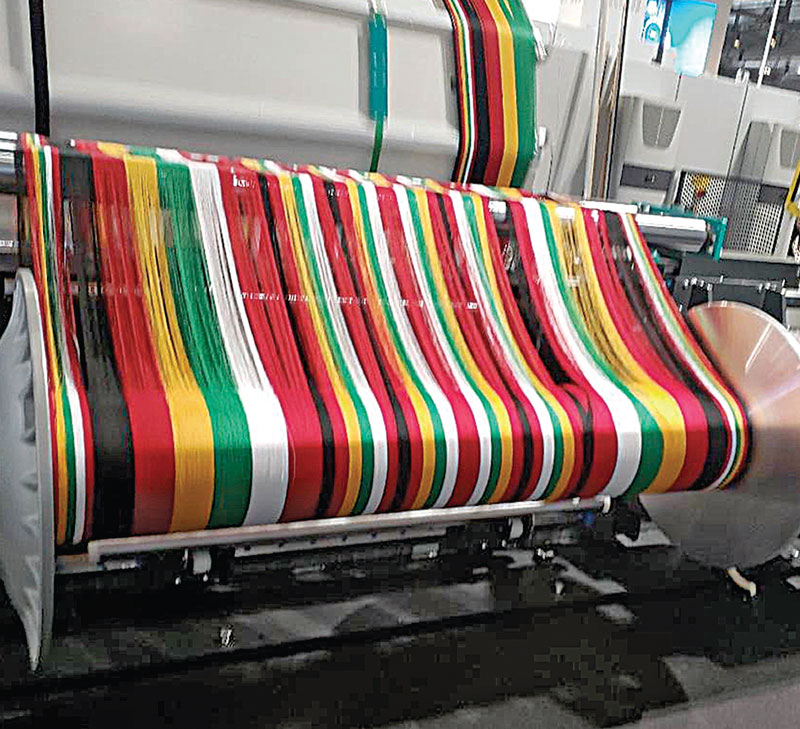
Highlights
- Production Efficiency: Digital looms streamline production via automation and continuous operation.
- Cost Reduction: Reduced labor demands and optimized resource usage yield significant savings.
- Enhanced Product Quality: Automated precision ensures consistent quality and minimizes defects.
Introduction
Over the past decade, the European textile industry has faced mounting pressures from global competition, evolving consumer demands, and environmental considerations. In response, the industry has turned increasingly toward digital transformation, with a particular emphasis on the integration of digital loom technology. This innovative technology, which combines automation, computer-aided design (CAD), and artificial intelligence (AI), has revolutionized traditional weaving processes by enhancing production efficiency, reducing operational costs, and significantly improving product quality.
This scientific article examines how digital loom technology has reshaped the textile manufacturing landscape in Europe in comparison to conventional methods. By analyzing various performance metrics—including throughput per labor hour, defect rates, machine uptime, and material waste reduction—we delineate the transformative effects of digital technology on the industry. Furthermore, through a review of specific case studies and supporting evidence, this work provides a cohesive view of the technological shift and its implications for modern textile production.
Technological Overview
Digital Loom Technology vs. Traditional Methods
Traditional weaving methods relied heavily on manual intervention and mechanical systems that, while robust, were susceptible to human error, limited design flexibility, and prolonged downtime. In contrast, digital looms integrate advanced systems such as:
- Computer-Aided Design (CAD) for rapid and versatile pattern generation.
- Automated control systems that facilitate high-speed operation and minimize manual adjustments.
- Artificial Intelligence (AI) algorithms for quality control and predictive maintenance.
- Internet of Things (IoT) connectivity for real-time monitoring and process optimization.
These features have collectively contributed to significant enhancements in production metrics. Whereas traditional looms can be hampered by inconsistencies and human-dependent fluctuations, digital systems provide continuous, error-minimized operations, allowing for 24/7 production cycles and greater flexibility in style changeovers.
Production Efficiency
Advancements in Automation and Operational Speed
One of the most immediate benefits of adopting digital loom technology is the accelerated production efficiency. Traditional looms require manual adjustments and are prone to downtimes due to human error or mechanical malfunctions. Digital looms, on the other hand, are engineered for continuous operation and are equipped with automated systems that facilitate:
Automated Process Flow
Digital looms automate the process from design creation to execution. With integrated CAD systems, designers can quickly convert ideas into detailed patterns, which the digital loom then processes with high precision. This direct conversion significantly reduces the intervals between design and production, facilitating rapid prototyping and shorter setup times.
24/7 Operation and Predictive Maintenance
By employing IoT sensors and AI-driven maintenance schedules, digital looms are capable of operating continuously. Predictive maintenance systems monitor operational conditions and forecast potential issues, thereby diminishing unplanned downtimes. This results in a dramatic boost to throughput per labor hour.
Specific Performance Metrics
The performance metrics clearly highlight the enhancements brought by digital loom technology:
| Performance Metric | Traditional Methods | Digital Looms |
|---|---|---|
| Throughput per Labor Hour | Base level output; subject to manual variability | Approximately 30-50% improvement due to automation |
| Machine Downtime | Higher due to manual errors and slower maintenance | Up to 20% reduction via predictive maintenance |
| Setup and Style Changeover Time | Longer and more labor-intensive | Shortened significantly with digital controls |
The data above suggests that the integration of digital loom technology not only expedites the production process but also maximizes the throughput per labor hour, optimizing resource utilization and ensuring that manufacturers can meet the growing demands of international markets.
Cost Reduction
Economic Benefits through Efficiency and Resource Optimization
In addition to enhancing production efficiency, digital loom technology has had a profound impact on cost reduction within the textile industry. This economic benefit is primarily derived from:
Minimized Labor Costs
The automation of traditionally manual processes has led to a substantial decrease in labor requirements. With digital looms handling tasks that once needed a significant manual workforce, companies have reported labor cost savings of up to 30%. This allows businesses to reinvest savings into further technological improvements and sustainable manufacturing practices.
Reduced Material and Energy Wastage
Precision in digital weaving reduces the amount of fabric waste generated during production. Advanced control systems ensure that material usage is optimized, often reducing fabric waste by as much as 90% compared to traditional methods. Additionally, smart manufacturing systems optimize energy consumption and operational efficiency, further reducing overheads.
Specific Performance Metrics
Evidence-based studies have demonstrated significant economic advantages in the following metrics:
| Performance Metric | Traditional Methods | Digital Looms |
|---|---|---|
| Cost per Unit of Production | Higher due to manual labor and material inefficiencies | Reduction of up to 25% through automation and optimized resource usage |
| Labor Cost Savings | Limited savings with high human input | Savings as high as 30% by automating repetitive tasks |
| Material Waste | Considerable waste from imprecise manual operation | Reduction by up to 90% owing to digital precision and controlled processes |
The confluence of these factors not only results in immediate cost reductions but also contributes to the long-term sustainability of the manufacturing process. By reducing waste and minimizing energy usage, companies also benefit from lowered environmental impact—a key consideration in today’s competitive, eco-conscious market.
Enhanced Product Quality
Precision, Consistency, and Superior Design Execution
Improved product quality is another standout advantage attributed to the integration of digital loom technology. In a market where consumers increasingly demand high-quality, intricately designed textiles, digital systems provide a critical edge.
High Precision in Pattern Execution
Digital looms offer the capacity to execute complex patterns with high precision. Utilizing advanced software and high-resolution digital controls, these looms achieve a level of detail and accuracy that is difficult, if not impossible, to replicate with traditional mechanical methods. This capability is particularly important for fabrics that require highly intricate designs, such as those in high-fashion or luxury markets.
Consistency through Automated Quality Control
The automated processes inherent in digital looms lead to consistent output and uniform quality. Integrated quality control mechanisms, supported by AI-driven imaging and material grading technologies, continuously monitor production, ensuring that any deviations from set standards are minimized. This yields defect rates that can be reduced by up to 50% in many cases.
Specific Performance Metrics
Quantitative measures of quality improvements include:
| Performance Metric | Traditional Methods | Digital Looms |
|---|---|---|
| Defect Rates | Typically in the range of 10-15% | Reduced to 2-5% through stringent automated quality control |
| Batch Consistency | Often variable; quality fluctuates with manual intervention | High uniformity across batches, ensuring consistent end products |
| Design Complexity Execution | Limited by manual resolution and skill variability | Highly intricate designs achievable with digital control |
By ensuring consistency and high fidelity in design replication, digital looms enable textile manufacturers to position their products as premium and reliable. This not only bolsters brand reputation but also meets the rigorous requirements of international quality standards.
Economic and Environmental Implications
Broader Impact on the Textile Supply Chain
The influence of digital loom technology goes beyond mere improvements in operational metrics. Economically, the reduced production costs and enhanced efficiency facilitate greater competitiveness in global markets. Manufacturers are able to offer higher quality products at lower prices, thereby increasing market share and customer satisfaction. Moreover, localized production becomes more viable, reducing dependency on distant production centers and complex supply chains.
Environmentally, the minimization of material waste and energy consumption contributes to more sustainable production practices. The shift towards digital solutions is aligned with contemporary environmental regulations and global sustainability goals, making European textile manufacturers more attractive to eco-conscious consumers and international partners alike.
Future Outlook and Trends
Continuing Innovations in Textile Manufacturing
As digital loom technology continues to evolve, the textile industry is expected to witness further innovations. Key areas of ongoing development include:
Enhanced Digital Integration
Greater integration of digital tools, such as advanced simulation software for virtual sampling and 3D modeling, will enable even more accurate and efficient production planning. Manufacturers can now predict material behavior and streamline production schedules with minimal trial and error.
Robust Data Analytics
The accumulation and analysis of large datasets from digitally controlled looms provides insight into production patterns and efficiency bottlenecks. With the advent of Industry 4.0, smart factories will further harness these data streams to continuously optimize workflows, ensuring that operational improvements are data-driven.
Sustainable Manufacturing Practices
The focus on sustainability is likely to intensify, with digital technologies playing a pivotal role in reducing the environmental footprint of textile manufacturing. More refined control systems will promote zero-waste production methodologies and better energy management, supporting the industry’s shift towards a circular economy.
References
- Digital Weaving Norway - TC2 Loom
- The Jacquard Loom: A Driver of the Industrial Revolution - IEEE Spectrum
- Impact of Digital Technologies on the Textile Industry - Fibre2Fashion
- Impact of Industry 4.0 on Textile Production and Supply Chain - IJERT
- Digital Transformation in the Textile Supply Chain - Textilesphere
Recommended Further Readings
Last updated March 9, 2025