
Digital Marketing Strategy and Control Mechanisms
Comprehensive Analysis of Frameworks, Failures, and Strategic Solutions
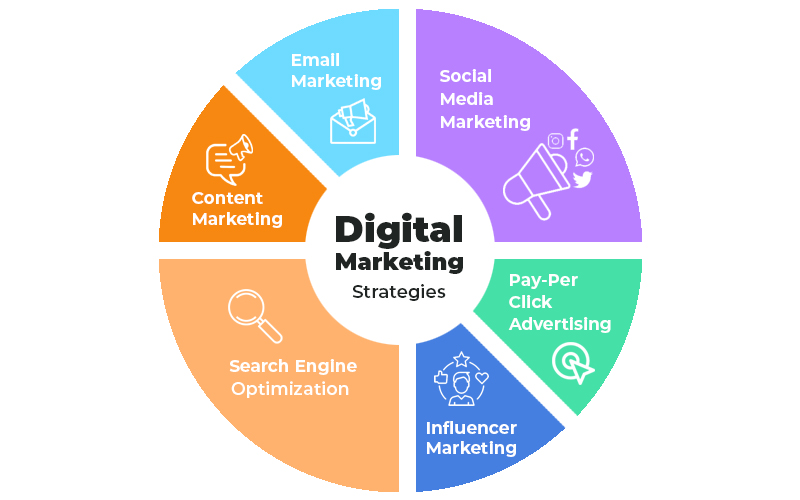
Key Takeaways
- Structured Frameworks: Utilizing models like SOSTAC and RACE provides a solid foundation for effective digital marketing strategies.
- Understanding Failures: Analyzing real-world marketing failures offers valuable insights into common pitfalls and areas for improvement.
- Robust Control Mechanisms: Implementing KPIs, ROI analysis, and A/B testing ensures continuous monitoring and optimization of marketing efforts.
Task 1: Theoretical Frameworks
SOSTAC Framework
The SOSTAC framework, developed by PR Smith, is a comprehensive model that guides businesses through the creation and management of effective marketing strategies. SOSTAC stands for Situation, Objectives, Strategy, Tactics, Action, and Control. This structured approach ensures that every aspect of a marketing plan is meticulously planned and executed.
Situation Analysis
This initial phase involves a thorough examination of the current market environment. Businesses assess their internal strengths and weaknesses, as well as external opportunities and threats. Tools like SWOT and PESTLE analyses are commonly used to gather relevant data, enabling companies to understand their position in the market.
Objectives
Setting clear, measurable goals is crucial for guiding marketing efforts. Objectives should be Specific, Measurable, Achievable, Relevant, and Time-bound (SMART). For example, a company might aim to increase website traffic by 25% within six months.
Strategy
The strategy outlines the overall approach to achieving the set objectives. This involves deciding on target audiences, positioning, and the value proposition. It serves as the blueprint for subsequent decision-making processes.
Tactics
Tactics are the specific actions and tools employed to implement the strategy. This could include content marketing, social media campaigns, email marketing, and search engine optimization (SEO).
Action
This phase involves the execution of the tactics. Detailed planning ensures that each task is assigned to the appropriate team members with clear timelines and resources allocated.
Control
Monitoring and measuring performance is essential to ensure that the marketing efforts are on track. Key Performance Indicators (KPIs) are established to evaluate the success of the strategies, allowing for adjustments as needed.
RACE Framework
The RACE framework, developed by Dr. Dave Chaffey, focuses on the customer lifecycle and provides a structured approach to managing digital marketing activities. RACE stands for Reach, Act, Convert, and Engage.
Reach
This stage is about building brand awareness and driving traffic to digital channels. Tactics include SEO, pay-per-click (PPC) advertising, social media marketing, and content distribution.
Act
Encouraging interactions with potential customers is the focus here. This can be achieved through engaging website content, interactive tools, and compelling calls-to-action (CTAs) that prompt users to take the next step.
Convert
The conversion stage aims to turn prospects into paying customers. Strategies involve optimizing landing pages, simplifying the purchase process, and utilizing remarketing techniques to drive sales.
Engage
Building long-term relationships with customers ensures loyalty and advocacy. This can be facilitated through personalized communication, loyalty programs, and continuous engagement via email and social media.
Task 2: Company Analysis
Company Overview
For this analysis, we examine ByteFood, a mid-sized company in the healthy snacks sector. Founded over a decade ago, ByteFood initially gained market traction through word-of-mouth and traditional retail channels. With growing competition and shifting consumer behaviors, the company decided to pivot towards digital marketing to expand its national e-commerce presence.
ByteFood's digital strategy included social media marketing, influencer partnerships, and a revamped website aimed at fostering a loyal community of health-conscious consumers. The implementation of frameworks like SOSTAC and RACE was intended to guide this transition, ensuring a structured approach to their digital initiatives.
Significant Issue Faced
Despite the strategic planning, ByteFood encountered significant setbacks in its digital marketing efforts. The primary issue was a misalignment between their marketing messages and the expectations of their target audience. The company invested heavily in high-frequency social media ads and influencer collaborations without adequate market research to validate these approaches.
Industry reports highlight that consumers in the healthy snacks market prioritize authenticity and trust. ByteFood's campaigns, however, lacked genuine engagement and were perceived as inauthentic, leading to poor conversion rates and declining online sales. The choice of influencers based solely on follower counts, rather than their relevance to the health-conscious demographic, further diluted the campaign's effectiveness.
Additionally, ByteFood's control mechanisms were insufficient. Their digital dashboard was not fully integrated with customer data systems, resulting in fragmented insights and delayed responses to underperforming tactics. This lack of coherent data flow hindered the ability to make timely adjustments, exacerbating the disconnect between the company's strategies and consumer expectations.
Task 3: Strategy and Control Mechanisms
Issue Analysis Using Frameworks
Analyzing ByteFood's failure through the SOSTAC and RACE frameworks reveals several critical missteps:
-
Situation Analysis: The initial analysis was superficial, failing to capture nuanced consumer behaviors and preferences in the digital space.
-
Objectives: Objectives were not aligned with market realities, leading to unrealistic expectations and ineffective strategies.
-
Strategy: The overarching strategy lacked focus on authentic engagement, relying instead on high-volume tactics that did not resonate with the target audience.
-
Tactics: Specific actions, such as influencer partnerships, were poorly executed without considering the influencers' relevance and authenticity.
-
Control: Inadequate monitoring and data integration prevented timely adjustments, allowing ineffective tactics to persist.
Strategy to Overcome Failure
Comprehensive Market Research
ByteFood must invest in detailed market research to understand the preferences and behaviors of their health-conscious audience. This includes conducting surveys, focus groups, and analyzing social media trends to gather actionable insights.
Setting Clear, Measurable Objectives
Adopting SMART objectives ensures that goals are realistic and aligned with business outcomes. For example, increasing mobile sales by 20% within six months provides a clear target to work towards.
Revamping Digital Strategy
ByteFood should focus on data-driven tactics, such as A/B testing to determine which content and ad formats perform best. Partnering with micro-influencers who have genuine engagement within the health community can enhance authenticity and trust.
Enhancing Tactical Execution
Integration of digital channels is crucial. Coordinating efforts across social media, email marketing, and content platforms ensures a cohesive customer journey. Personalized content that aligns with consumers' values will drive deeper engagement.
Implementing Agile Methodologies
Adopting agile practices allows for flexible and responsive marketing strategies. Regular team check-ins and iterative testing can help ByteFood swiftly pivot based on performance data.
| Control Mechanism | Description | Purpose |
|---|---|---|
| KPIs | Metrics such as website traffic, conversion rates, and engagement levels. | To measure the effectiveness of marketing strategies and identify areas for improvement. |
| ROI Analysis | Calculating the return on investment for various marketing campaigns. | To ensure that marketing expenditures are generating adequate financial returns. |
| A/B Testing | Comparing different versions of marketing elements to determine which performs better. | To optimize marketing tactics based on empirical data. |
| Google Analytics | Tracking website traffic, user behavior, and conversion paths. | To gain insights into user interactions and refine digital strategies accordingly. |
Control Mechanisms to Monitor Progress
Implementing robust control mechanisms is essential for ongoing optimization of digital marketing efforts. ByteFood should focus on the following:
Defining and Tracking KPIs
Establish key performance indicators that align with marketing objectives. Regularly monitor these KPIs to assess campaign performance and make informed decisions.
Utilizing Analytical Tools
Leverage tools like Google Analytics, SEMrush, and HubSpot to gather comprehensive data on user behavior, campaign performance, and marketing ROI.
Conducting A/B Testing
Continuously test different elements of marketing campaigns, such as ad copies, landing pages, and email subject lines, to identify the most effective variations.
Establishing Regular Reporting
Create a structured reporting schedule that includes daily dashboards for real-time metrics and weekly or monthly reports for in-depth analysis. This ensures that insights are promptly integrated into marketing strategies.
Monitoring ROI
Assess the financial impact of marketing campaigns by tracking metrics like customer acquisition cost and lifetime value. This helps in optimizing budget allocations and maximizing returns.
For example, a successful online retailer might use real-time dashboards to monitor campaign performance, allowing for immediate adjustments to underperforming tactics. By applying these control mechanisms, ByteFood can ensure that their digital marketing strategies remain effective and aligned with their business objectives.
Conclusion
Digital marketing is an intricate and dynamic field that requires well-structured strategies and robust control mechanisms to succeed. Frameworks like SOSTAC and RACE provide essential guidelines for planning and executing effective marketing campaigns. However, the true test of a strategy lies in its implementation and the ability to adapt based on real-time data and feedback.
The case of ByteFood underscores the importance of aligning marketing strategies with consumer expectations and the necessity of authentic engagement. Missteps in understanding the target audience and inadequate control mechanisms can lead to significant setbacks, even for well-established brands.
To overcome such challenges, businesses must invest in comprehensive market research, set clear and achievable objectives, and employ data-driven tactics that resonate with their audience. Furthermore, implementing robust control mechanisms like KPIs, ROI analysis, and A/B testing ensures continuous monitoring and optimization of marketing efforts.
As the digital landscape continues to evolve, companies that prioritize flexibility, authenticity, and data-driven decision-making will be better positioned to navigate challenges and seize new opportunities. By adopting and integrating strategic frameworks with effective control measures, businesses can enhance their digital marketing performance and achieve sustained growth.
References
Last updated February 12, 2025