
Unveiling Optimal Machinery for 150 PPM Digital Variable Data Printing
Explore top-tier equipment for mass personalization and high-speed productivity
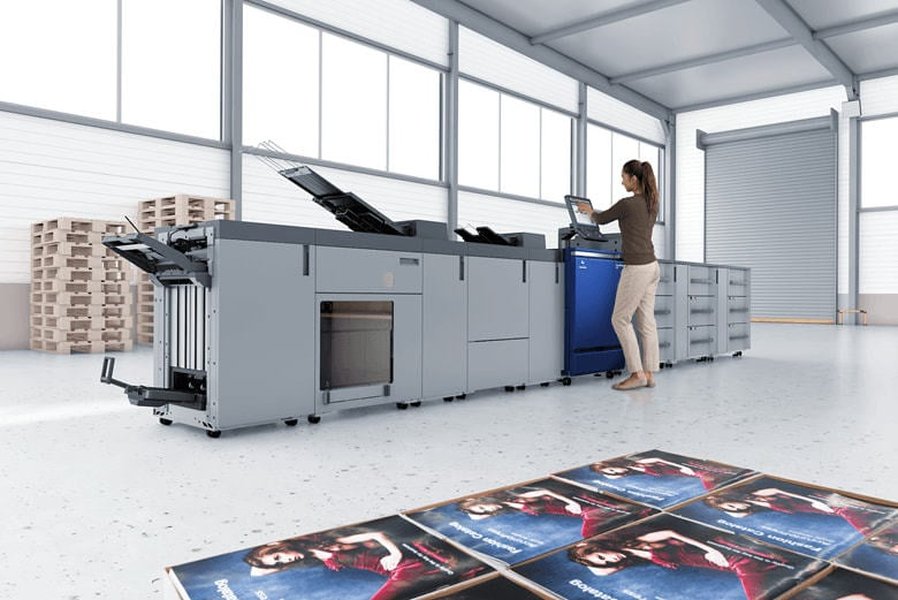
Highlights
- Performance & Speed: Machines achieving 150 pages per minute or equivalent output with seamless speed conversion.
- Variable Data Excellence: Proven technology for personalized printing including numbering, barcodes, and tailored graphics.
- Technology & Integration: Incorporating digital inkjet, UV technologies, and inline finishing for industries with high volume needs.
Overview of High-Speed Variable Data Printing
When the need arises for high-speed digital printing with variable data customization, selecting appropriate machinery becomes crucial. Variable Data Printing (VDP) allows the mass customization of documents; each printed piece can be unique, incorporating elements like names, codes, or personalized images. For a machine capable of 150 pages per minute, the challenges lie in maintaining print quality, ensuring data integrity, and achieving consistent speed. This discussion synthesizes insights across various models, technologies, and applications.
Key Considerations for Selection
Speed and Throughput
Machines must consistently reach speeds of 150 pages per minute utilizing optimal digital production techniques. Note that some devices convert print speed expressed in meters per minute into page output based on sheet size or media type. Technologies such as digital inkjet and UV inkjet printing are advanced enough to manage this without sacrificing quality.
Variable Data Capabilities
Effective VDP machinery should integrate variable data seamlessly. This means that each printed document can incorporate unique information such as serial numbers, personalized messages, or high-resolution graphics. Leading edge presses like the HP Indigo series and Domino K600i have been designed with robust data integration. Additionally, the ability to adjust print parameters in real-time helps maintain personalized quality across high-volume runs.
Quality and Resolution
Another fundamental aspect is print quality. The resolution requirements vary by application. High-end presses can offer resolutions up to 1200 x 1200 dpi, ensuring crisp graphics and clear text even at elevated speeds. Consistency in output depends on integrated color calibration tools and inline spectrophotometers, which many modern printers include.
Cost Efficiency and Production Volume
For businesses with enormous print volumes, production economy is key. High-speed production printers are constructed to reduce cost per page, often featuring integrated finishing systems—stapling, folding, or trimming—which contribute to overall workflow efficiency. Whether it is for invoicing, billing, or direct mail customization, the equipment should demonstrate robust operational economics.
Comparative Overview of Leading Machinery
Several machines have consistently emerged as leaders in the high-speed variable data printing market. Here is a comparative evaluation:
| Printer Model | Speed | Resolution | Variable Data Capability |
|---|---|---|---|
| HP Indigo Digital Press | Up to 160 ppm (color enhancement mode) | Up to 1200 x 1200 dpi | High – supports on-demand and eco-friendly short runs |
| Arojet SP-9600 | 150 mm/min for wide-format applications | Up to 1200 x 1200 dpi | Optimized: UV inkjet with piezoelectric printheads |
| Domino K600i | Up to 150 m/min (dual bar configuration) | 600 dpi (optimized for labels) | Excellent for variable barcodes, QR codes, and graphics |
| Riso ComColor X1 Series | Up to 150 ppm | High quality color output | Supports extensive variable data processing |
| Xerox iGen 150 Press | 150 ppm | 2400 x 2400 dpi | General purpose variable data handling |
This table summarizes the core aspects of the machines reviewed. It is crucial for potential buyers to consider the trade-offs between speed, resolution, and specific variable data requirements.
In-Depth Analysis: Technologies and Solutions
Digital Inkjet and UV Technology
Many of the highlighted machines utilize digital inkjet and UV inkjet printing technologies. Inkjet printing is renowned for its high resolution and adaptability, which is particularly important when variable data is integrated. UV inkjet systems, such as the Arojet SP-9600, provide the dual benefits of rapid drying times and exceptional quality across diverse substrates.
Integration of Variable Data Workflows
The incorporation of variable data into high-speed printing requires advanced software and hardware integration. For instance, the workflow for an HP Indigo press allows for dynamic selection of print attributes per document. Similarly, the Domino K600i excels not only in speed but also in continuous variable data printing, making it ideal for label and packaging applications where each piece must differ yet maintain overall quality consistency.
Production and Finishing Systems
In mass production environments, integrated finishing options become critical. Advanced production printers may include inline stapling, folding, and trimming, which can significantly reduce post-print processing times. Solutions like the ones offered by HP and Xerox incorporate these finishing systems to promote efficiency, reduce material handling losses, and optimize the manufacturing workflow.
Visualization of Performance Metrics
The following visualization represents a radar chart mapping key performance criteria across various printing machinery. Such visualization is useful for comparing speed, resolution, data integration, cost efficiency, and overall production integration.
Mindmap: Variable Data Printing Ecosystem
The following diagram visually organizes the connection between printing speed, variable data integration, technology, and process finishing. It outlines the key nodes and interdependencies that define the digital printing ecosystem.
Demonstrative Video Resource
To enrich your understanding of the practical implementations and operational excellence of high-speed variable data printing solutions, consider viewing a related video demonstration:
FAQs
What is Variable Data Printing (VDP)?
How do modern systems achieve 150 pages per minute?
What factors should I consider when selecting a printer?
References
-
HP Indigo Press Overview - HP
- Arojet SP-9600 Details - Arojet
- Domino K600i Insights - Domino Printing
- Riso ComColor X1 Series - Riso
- Xerox iGen and Iridesse Production Press - Xerox
Recommended Further Queries


Last updated March 31, 2025