
Unlocking Peak Performance: Your Roadmap to an All-Encompassing Digital Thread in Production Printing
A strategic guide for Canon Production Printing to harness interconnected data for transformative efficiency and innovation.
Embarking on the journey to establish an all-encompassing digital thread can revolutionize how a company like Canon Production Printing operates, innovates, and serves its customers. This comprehensive framework weaves together data from every stage of a product's lifecycle, from initial design and complex manufacturing processes to ongoing service and eventual retirement. By creating this seamless flow of information, organizations can break down traditional silos, enhance decision-making, boost operational efficiency, and foster unprecedented levels of agility and product quality.
Essential Insights: Key Takeaways for Your Digital Thread Journey
- Strategic Alignment is Paramount: The digital thread must be deeply intertwined with overarching business objectives, focusing on solving specific challenges and delivering measurable value in areas like print quality, operational uptime, and supply chain resilience.
- Technology is the Enabler, Not Just the Goal: A robust technological foundation combining Product Lifecycle Management (PLM), Enterprise Resource Planning (ERP), Internet of Things (IoT), AI, and Digital Twins is crucial, but must be guided by clear use cases and a vision for data-driven operations.
- Phased Implementation and Continuous Evolution: A successful digital thread is not built overnight. It requires a staged rollout, starting with pilot projects, focusing on iterative improvements, robust data governance, and a culture that embraces digital transformation and upskilling.
Understanding the Digital Thread for Production Printing
For a specialized domain like production printing, a digital thread translates into an interconnected ecosystem where information about printer designs, configurations, material consumption (inks, substrates, printheads), production schedules, real-time operational data, maintenance histories, and even customer feedback flows seamlessly. This holistic view empowers Canon Production Printing to achieve manufacturing flexibility, enable predictive maintenance for critical components like printheads, accelerate configuration changes, and significantly improve quality control processes. It connects the dots between disparate data points, transforming them into actionable intelligence.
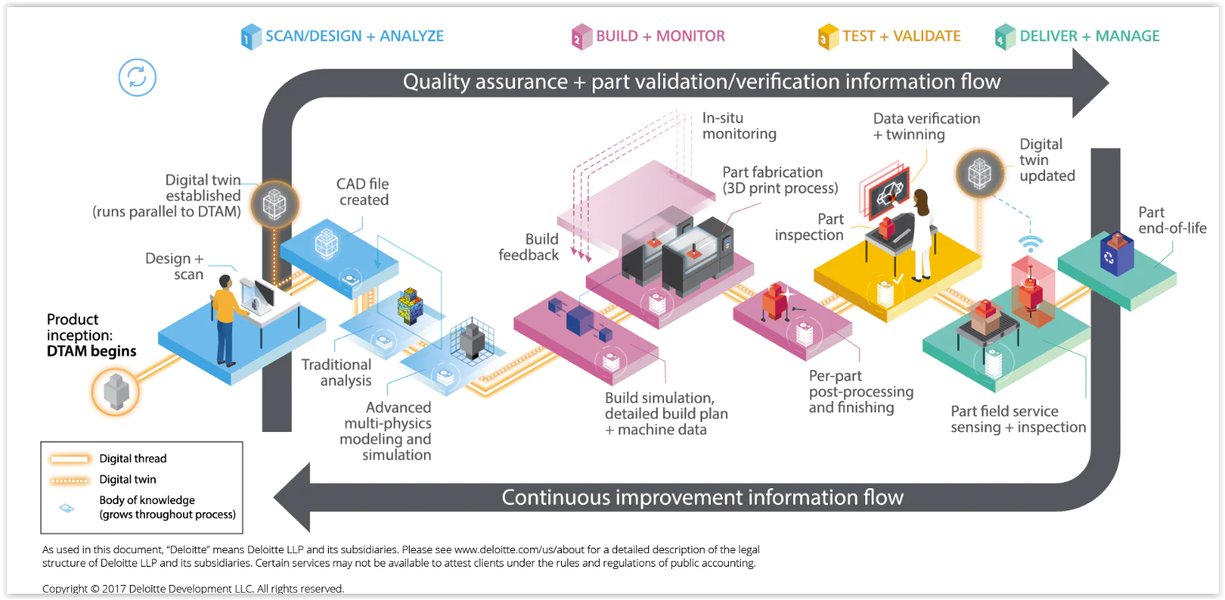
The digital thread connects all phases of the manufacturing lifecycle, ensuring data continuity.
Crafting the Strategic Roadmap: A Step-by-Step Guide
Developing a successful digital thread roadmap requires a methodical, multi-phase approach. Each phase builds upon the last, ensuring a solid foundation for a truly transformative digital infrastructure.
Phase 1: Vision, Strategy, and Use Case Definition
The initial phase is critical for setting the direction and ensuring the digital thread initiative is firmly rooted in business value.
Clarifying Business Goals and Strategic Alignment
Begin by meticulously defining what specific business problems the digital thread aims to solve for Canon Production Printing. These objectives must align with the company's broader strategic goals, such as enhancing product quality, increasing operational efficiency, reducing time-to-market for new printing technologies, improving customer satisfaction, or advancing sustainability targets. Secure strong buy-in from leadership and involve stakeholders from all relevant departments (R&D, manufacturing, IT, quality assurance, supply chain, service) to foster a collaborative vision.
Assessing the Current Digital Landscape
Conduct a comprehensive audit of Canon's existing systems, data sources, processes, and digital maturity. Identify current data management practices, pinpoint data silos between departments (e.g., engineering and manufacturing), identify legacy systems that may pose integration challenges, and map out existing workflows. This assessment will reveal gaps and opportunities where the digital thread can deliver the most significant impact.
Identifying High-Impact Use Cases for Production Printing
Based on the business goals and current state assessment, identify and prioritize specific, high-value use cases. For production printing, these could include:
- Predictive Maintenance: Real-time monitoring of printhead health, ink levels, and mechanical components to predict failures and schedule maintenance proactively, minimizing downtime.
- Enhanced Quality Assurance: Integrating sensor data from printers with design specifications to monitor print quality in real-time and identify deviations or defects instantly.
- Supply Chain Traceability: Tracking components like printheads, inks, and critical parts throughout their lifecycle for better inventory management, warranty claims, and counterfeit prevention.
- Rapid Product Configuration: Streamlining the process of customizing printer setups for specific client jobs by linking customer requirements directly to manufacturing parameters.
- Closed-Loop Feedback: Integrating customer usage data and service feedback directly into the product development cycle for continuous improvement.
Phase 2: Designing the Technological Backbone
With a clear vision and prioritized use cases, the next step is to design the technology architecture that will support the digital thread.

A cohesive digital thread leverages multiple Industry 4.0 technologies.
Core Technologies for a Robust Digital Thread
An effective digital thread relies on an integrated ecosystem of technologies. The following table outlines key technologies and their roles:
| Technology | Role in Digital Thread | Benefit for Canon Production Printing |
|---|---|---|
| Product Lifecycle Management (PLM) | Serves as the central repository and orchestrator of all product-related data, from ideation through design, engineering, manufacturing, and service. | Ensures a single source of truth for product specifications, BOMs, design changes, and configurations across the entire lifecycle of printing systems. |
| Enterprise Resource Planning (ERP) | Manages core business processes, including financials, supply chain, manufacturing operations, and human resources. | Integrates production planning, inventory management, and order fulfillment with the broader business operations, linking technical product data with business context. |
| Internet of Things (IoT) | Connects physical assets (printers, sensors, production equipment) to the digital world, enabling real-time data collection and remote monitoring. | Facilitates real-time monitoring of printer performance, consumable levels, environmental conditions, and predictive maintenance alerts for production printers. |
| Artificial Intelligence (AI) & Machine Learning (ML) | Analyzes vast datasets generated by the digital thread to uncover patterns, predict outcomes, automate decisions, and optimize processes. | Enables predictive analytics for print quality, anomaly detection in manufacturing, optimization of print settings, and demand forecasting for consumables. |
| Digital Twins | Creates dynamic virtual representations of physical products, processes, or systems, updated with real-time data. | Allows for simulation and testing of new printer designs or configurations, optimization of production lines, and remote diagnostics before physical implementation. |
| Cloud Computing | Provides scalable and flexible infrastructure for data storage, processing power, and hosting applications and platforms. | Offers a cost-effective and accessible platform for integrating diverse data sources, enabling collaboration, and scaling digital thread capabilities as needed. |
| Cybersecurity | Implements robust measures to protect data, systems, and intellectual property from unauthorized access and cyber threats. | Safeguards sensitive design data, operational information, and customer data across the interconnected digital thread ecosystem. |

Digital Twins are powerful components within a comprehensive Digital Thread, enabling virtual simulation and analysis.
Ensuring Data Integration and Interoperability
A key challenge is integrating data from disparate systems (CAD, PLM, ERP, MES, CRM, IoT platforms). Plan for seamless data flow by defining common data models, utilizing APIs, and adopting open standards (e.g., OPC UA, MTConnect) where appropriate. The goal is to ensure that data is consistent, accessible, and usable across all connected systems and applications.
Prioritizing Cybersecurity
As the digital thread connects more systems and data, cybersecurity becomes paramount. Implement a multi-layered security strategy that addresses data protection, access control, network security, and threat detection to safeguard intellectual property and ensure operational resilience.
Phase 3: Implementation and Iteration
Implementation should be a carefully managed process, focusing on delivering value incrementally and adapting to learnings.
Adopting a Phased Rollout and Pilot Programs
Avoid a "big bang" approach. Instead, implement the digital thread in phases, starting with one or two high-impact pilot projects based on the prioritized use cases. This allows for testing the concept, demonstrating value quickly, gathering feedback, and refining the approach before broader deployment. For example, a pilot could focus on creating a digital thread for a specific critical component's lifecycle, like a new generation printhead.
Establishing Strong Data Governance and Stewardship
Data is the lifeblood of the digital thread. Establish clear data governance policies, processes, and standards. This includes defining data ownership, ensuring data quality (accuracy, completeness, timeliness), managing data security and privacy, and establishing a team of data stewards responsible for overseeing these aspects.
Focusing on 'Rolling ROI' and Agile Adaptation
Adopt an approach where each phase or pilot project aims to deliver a demonstrable return on investment (ROI). This helps maintain momentum and secure ongoing support for the initiative. Utilize agile methodologies to allow for flexibility and adaptation as new requirements emerge or technologies evolve. Regularly review progress and make adjustments to the roadmap as needed.
Phase 4: Organizational Enablement and Continuous Evolution
Technology alone is not enough; the organization must be prepared to leverage the digital thread effectively.
Fostering Cross-Functional Collaboration
The digital thread inherently breaks down silos, requiring strong collaboration between R&D, engineering, manufacturing, supply chain, IT, sales, and service teams. Establish cross-functional teams to oversee and manage different aspects of the digital thread implementation and operation.
Investing in Workforce Skills and Change Management
Employees will need new skills to work effectively within a digital thread environment. Invest in training programs to enhance data literacy, proficiency with new tools and systems (e.g., PLM, analytics platforms), and understanding of new digital workflows. Implement a robust change management strategy to address potential resistance, communicate the benefits, and foster a culture that embraces digital innovation and continuous improvement.
Measuring Success and Driving Continuous Improvement
Define clear Key Performance Indicators (KPIs) to measure the impact of the digital thread on the prioritized business objectives. Examples include reduction in machine downtime, improvement in first-pass yield, shorter product development cycles, decreased warranty costs, or enhanced customer satisfaction scores. Use the insights generated by the digital thread to continuously refine processes, optimize performance, and identify new opportunities for innovation.
Visualizing Digital Thread Maturity
The journey towards a fully realized digital thread is progressive. The radar chart below illustrates a hypothetical progression across key capabilities, showing potential current maturity, short-term goals, and a long-term vision for Canon Production Printing. This visualization helps in understanding the multi-faceted nature of development and resource allocation required.
This chart illustrates how different facets of the digital thread can mature at varying paces, guiding strategic focus and investment decisions over time. For instance, initial efforts might focus on improving data integration and real-time monitoring, followed by more advanced capabilities like predictive analytics and comprehensive digital twin utilization.
The Interconnected Ecosystem of a Production Printing Digital Thread
A digital thread creates a complex yet navigable ecosystem of interconnected elements. The mindmap below visualizes the key components and relationships within a comprehensive digital thread strategy tailored for a production printing environment like Canon's.
for Production Printing"] id1["1. Strategic Foundation"] id1_1["Define Business Goals
(e.g., Quality, Efficiency, Innovation)"] id1_2["Executive Sponsorship & Stakeholder Buy-in"] id1_3["Alignment with Sustainability & Market Trends"] id2["2. Assessment & Planning"] id2_1["Audit Current Systems & Data Silos"] id2_2["Identify High-Value Use Cases
(Predictive Maintenance, Supply Chain Visibility, Quality Control)"] id2_3["Gap Analysis & Prioritization"] id3["3. Technological Enablers"] id3_1["PLM (Product Lifecycle Management) as Core"] id3_2["ERP (Enterprise Resource Planning) Integration"] id3_3["IoT & Industrial Sensors (IIoT)"] id3_4["AI/ML for Advanced Analytics & Prediction"] id3_5["Digital Twins for Simulation & Optimization"] id3_6["Cloud Computing for Scalability & Access"] id3_7["Robust Cybersecurity Measures"] id4["4. Implementation & Execution"] id4_1["Phased Rollout & Pilot Projects"] id4_2["Agile Methodologies & Iterative Development"] id4_3["Focus on 'Rolling ROI' & Value Demonstration"] id4_4["Integration & Interoperability Standards"] id5["5. Data Management & Governance"] id5_1["Data Quality & Integrity Protocols"] id5_2["Comprehensive Data Security Framework"] id5_3["Clear Data Ownership & Stewardship"] id5_4["Compliance with Regulations"] id6["6. Organizational Transformation"] id6_1["Cross-Functional Collaboration Teams"] id6_2["Workforce Upskilling & Training Programs"] id6_3["Effective Change Management Strategies"] id6_4["Culture of Continuous Improvement"] id7["7. Outcomes & Benefits"] id7_1["Enhanced Operational Efficiency"] id7_2["Improved Product Quality & Reliability"] id7_3["Reduced Downtime & Maintenance Costs"] id7_4["Faster Time-to-Market for New Products"] id7_5["Increased Customer Satisfaction"] id7_6["Data-Driven Decision Making"]
This mindmap illustrates how various strategic, technological, and organizational components interconnect to form a cohesive digital thread. It highlights the journey from foundational planning through to the realization of tangible business benefits.
Understanding the Digital Thread in Action
To grasp the fundamental concept of a digital thread and its significance in modern enterprises, the following video offers a concise explanation. It discusses how a digital thread allows for tracking the full lifecycle and performance of components, a core principle applicable to complex machinery like production printers.
This video from Delta Air Lines, while focused on aerospace, effectively communicates the value of a digital thread in tracking and managing complex assets throughout their lifecycle – a concept directly transferable to managing sophisticated production printing equipment and its constituent parts at Canon.
Key Benefits for Canon Production Printing
Implementing an all-encompassing digital thread offers numerous strategic advantages:
- Enhanced Productivity: Streamlined workflows, reduced manual data entry, and optimized production schedules lead to higher output.
- Improved Product Quality: Real-time monitoring and feedback loops enable proactive quality control and faster identification of issues, reducing defects and rework.
- Reduced Operational Costs: Predictive maintenance minimizes unplanned downtime, optimized resource utilization reduces waste, and improved efficiency lowers overall operational expenses.
- Faster Time-to-Market: Integrated design, engineering, and manufacturing processes accelerate product development and launch cycles.
- Greater Agility and Flexibility: The ability to quickly adapt to changing customer demands, market conditions, or supply chain disruptions.
- Data-Driven Innovation: Rich data insights from across the product lifecycle can fuel innovation in product design, service offerings, and business models.
- Enhanced Customer Satisfaction: Higher quality products, more reliable service, and faster response times contribute to a better customer experience.
- Strengthened Sustainability Efforts: Optimized resource usage, reduced waste, and better energy management can support Canon's environmental goals.
Frequently Asked Questions (FAQ)
What is the primary goal of a digital thread in a manufacturing context like production printing?
How can a company like Canon Production Printing start implementing a digital thread?
What are the biggest challenges in establishing a digital thread?
How does Product Lifecycle Management (PLM) relate to a digital thread?
Conclusion
Developing and implementing an all-encompassing digital thread is a transformative endeavor for Canon Production Printing. It is not merely a technological upgrade but a strategic imperative that can unlock significant improvements in efficiency, quality, innovation, and customer value. By following a well-defined roadmap that encompasses strategic alignment, technological enablement, phased implementation, robust data governance, and organizational preparedness, Canon can build a resilient and intelligent digital foundation. This will not only optimize current operations but also position the company for sustained leadership and adaptability in the rapidly evolving production printing landscape of 2025 and beyond.
Recommended Further Exploration
- What are detailed strategies for integrating PLM and ERP systems within a digital thread framework?
- How can AI and machine learning be specifically applied for predictive maintenance in industrial printing equipment?
- What are the best practices for data governance and cybersecurity in a connected manufacturing environment?
- What change management techniques can help foster a digital-first culture in a manufacturing company undergoing digital thread implementation?
References
Last updated May 21, 2025