
Disadvantages of Vortex Formation in Vessels
An in-depth analysis of challenges caused by vortices in fluid systems
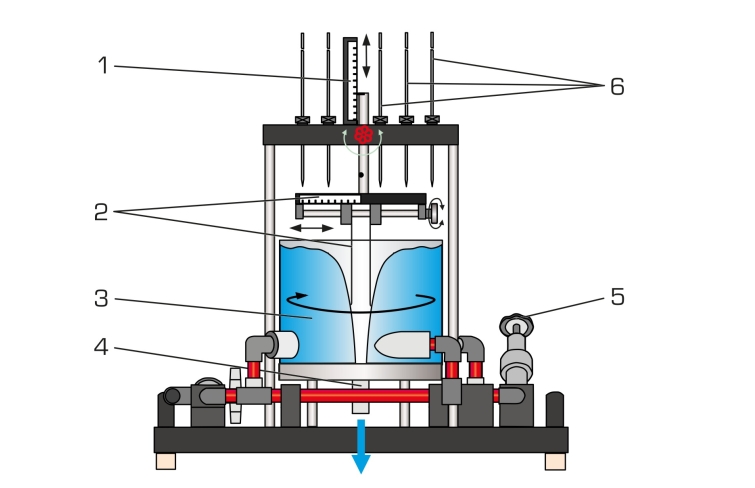
Key Highlights
- Air and Gas Entrainment: Vortices draw air or gas into the liquid, leading to unstable flow behavior and two-phase flow issues.
- Reduced Efficiency and Turbulence: The formation of vortices disrupts smooth fluid flow, increasing turbulence, energy consumption, and wear on equipment.
- Cavitation and Damage Risks: Localized low-pressure areas within vortices can cause cavitation, which may damage pumps and system components.
Understanding Vortex Formation in Fluid Systems
Vortex formation in vessels is a natural phenomenon that occurs when a fluid, such as water or another liquid, rotates around an axis. Although vortices are observed in many natural and engineered systems, their formation within fluid handling vessels often presents significant challenges. The dynamics of vortex formation result in various disadvantages that have a direct impact on system efficiency, equipment longevity, and overall safety in many industrial applications.
Mechanisms Behind Vortex Formation
At the core, vortex formation is driven by differences in fluid velocity and pressure. When a fluid is drained or forced to change direction abruptly within a confined geometry like a tank or pipe, regions of rotational flow develop. As this rotational flow becomes more pronounced, the vortex can begin drawing in surrounding fluid. This can create a situation where the core of the vortex experiences lower pressure, attracting even more air or gas into the flow and producing an unstable pattern.
Air Entrainment and Two-Phase Flow
One of the most critical disadvantages of vortex formation is its propensity to entrain air or gas into the liquid flow. When a vortex forms, it can capture pockets of air, creating a scenario where the fluid becomes a two-phase mixture. This condition is particularly detrimental in systems where a uniform and predictable flow is required:
- Flow Instability: The intermixing of air and liquid can lead to oscillations in flow rates and pressure, causing unreliable system behavior.
- Reduced Efficiency: In processes such as pumping or propulsion, the introduction of air bubbles reduces the effective density of the liquid, thereby diminishing the system’s capability to transport fluids efficiently.
- Measurement Inaccuracies: Instruments that monitor flow or pressure may provide erroneous readings, complicating the control and optimization of the system.
Reduced Flow Efficiency and Increased Turbulence
Another critical disadvantage is the disruption of streamlined flow within the vessel. Vortices create turbulence, which not only reduces flow efficiency but also adds to the energy cost of maintaining flow. The smooth, laminar flow is disrupted by swirling motions that promote energy loss:
- Energy Loss: Increased turbulence requires additional energy input to maintain the desired flow rates. This inefficiency can impact industrial processes by increasing operational costs.
- Turbulence-Induced Wear: Turbulent conditions cause fluctuating forces on the walls of pipes and vessels. Over time, this uncontrolled movement leads to erosion and mechanical wear, shortening the lifespan of system components.
- Operational Disruptions: The unsteady flow can lead to pulsations and pressure surges, which can interfere with process stability and compromise the performance of connected instruments.
Cavitation and System Damage
Cavitation is a phenomenon wherein low-pressure regions within a fluid cause the formation of vapor bubbles. These bubbles can collapse violently, generating shock waves that erode material surfaces:
- Cavitation Damage: The repetitive collapse of vapor bubbles in pumps or near impeller surfaces causes pitting and material degradation, ultimately resulting in premature equipment failure.
- Maintenance Burden: Systems suffering from cavitation often require frequent inspections and repairs, leading to higher downtime and increased maintenance costs.
- Operational Hazards: In critical applications such as aerospace or chemical processing, the risk of cavitation can lead to significant operational hazards and safety risks.
Broader Impacts on Engineering Systems
The negative effects of vortex formation extend beyond individual occurrences of inefficiency and damage. They also impose broader systemic challenges for various engineering sectors:
Implications for Pumping Systems
In many fluid handling and pumping applications, vortices play a major role in undermining system performance:
- Pressure Fluctuations: Vortex-induced pressure drops require pumps to work harder to maintain the system’s intended output, which increases energy consumption and stresses the mechanical parts.
- Air Lock Issues: Entrained air can lead to cavitation and erratic pump behavior. In severe cases, air locks may form, reducing pump efficiency to the point that the pump cannot maintain continuous operation.
Industrial and Safety Considerations
Specific industries such as aerospace, metal casting, and offshore oil and gas production are particularly vulnerable to the adversities posed by vortex formation:
- Metal Casting: In metal casting processes, air entrainment can introduce defects into the final product, compromising structural integrity and increasing production costs.
- Hydraulic Systems: For hydraulic systems that operate under high pressures, vortices exacerbate wear and can lead to costly repairs and system shutdowns.
- Offshore Structures: In the offshore oil and gas industry, vortex-induced vibrations may lead to fatigue in risers and other structural components, potentially posing significant safety risks.
Impact on Measurement and Control Systems
Vortex formation does not only present challenges through physical damage and efficiency loss; it also affects the accuracy of measurement systems:
- Flow Meters: Flow measurement devices can be sensitive to the turbulence created by vortices, leading to skewed or incorrect readings.
- Sensor Disruption: Fluctuations in fluid density caused by two-phase flow conditions significantly compromise sensors that track parameters such as pressure, temperature, and flow rate.
- Control System Stability: The erratic behavior generated by vortex-induced turbulence can feedback into automated control systems, destabilizing operations and reducing process predictability.
A Comparative Overview of Vortex Disadvantages
The following table provides a concise comparison of the various disadvantages of vortex formation in vessels, summarizing their direct impacts on system performance:
| Disadvantage | Description | Impact |
|---|---|---|
| Air and Gas Entrainment | Drawing air or gas into the liquid stream causes a two-phase flow. | Leads to unstable flow, inaccurate measurements, and potential equipment malfunction. |
| Reduced Flow Efficiency | Excessive turbulence disrupts the smooth flow of the liquid. | Results in increased energy consumption and lower operational efficiency. |
| Cavitation | Low-pressure zones cause vapor bubble formation and collapse. | Accelerates wear and tear on pumps and other vital components, leading to damage. |
| Wear and Tear | Unsteady and turbulent flow increases mechanical stress. | Results in shortened equipment lifespan and increased maintenance costs. |
| Measurement Challenges | Fluid sensors and flow meters may be disrupted by turbulent conditions. | Leads to inaccurate data and potential process instability. |
Mitigation Strategies and Preventive Measures
In many engineering applications where vortex formation presents substantial challenges, engineers have developed strategies designed to mitigate these adverse effects. While the phenomenon itself is a natural outcome of fluid dynamics, its negative implications can be controlled and minimized through thoughtful design and the adoption of effective control mechanisms.
Use of Vortex Breakers
One proven method for combating the disadvantages of vortex formation is the use of vortex breakers. These devices are installed in tanks and piping systems and are engineered to disrupt the circular flow patterns that lead to vortex formation:
- Design Considerations: Vortex breakers are designed to interfere with the natural swirl of fluids. Through strategic placement and geometry, they create local disturbances that prevent a full vortex from forming, thereby minimizing air entrainment and reducing turbulence.
- Enhanced Flow Consistency: By breaking the circular motion, these devices help maintain a more uniform and stable flow, ensuring that the measurement and control systems can operate reliably.
- Operational Efficiency: The disruption of vortex formation reduces the energy losses associated with turbulent flow, thereby improving overall system performance.
Design Improvements in Vessel Geometry
Beyond the implementation of vortex breakers, optimizing vessel design is an effective strategy to reduce the likelihood and negative impacts of vortex formation:
- Smooth Transitions: Designing vessels with gradual curves rather than abrupt changes in direction helps in maintaining a laminar flow profile.
- Aerodynamic Considerations: Incorporating features that promote a more uniform flow and reduce localized pressure drops can prevent the formation of harmful vortices.
- Flow Monitoring: Advanced computational tools are now available that simulate fluid flow in detailed vessel geometries, allowing engineers to predict where vortices might form and design preventive measures accordingly.
Regular Maintenance and Monitoring
Finally, regular maintenance and vigilant monitoring of fluid systems are essential for early detection of issues related to vortex formation:
- Inspection Procedures: Routine inspections can identify early signs of erosion or cavitation, prompting timely corrective measures.
- Advanced Sensing: Implementing enhanced flow sensors and diagnostic tools helps in tracking flow irregularities that might indicate the formation of vortices.
- Data Analysis: Continuous monitoring integrated with data analytics allows operators to adjust operating conditions before the development of destructive flow patterns.
Conclusion
Vortex formation in vessels, while a natural outcome of fluid dynamics, presents a range of disadvantages that can have significant implications for efficiency, equipment longevity, and operational safety. The primary concerns include the entrainment of air and gas, leading to unstable and two-phase flows, as well as the increased turbulence that results in greater energy consumption and accelerated wear on system components. Furthermore, the localized low pressures induced by vortices pose the risk of cavitation, which can inflict severe and often drastic damage on critical equipment.
The adverse impacts of vortex formation are evident across various engineering fields from hydraulic and pumping systems to aerospace and industrial process operations. Mitigation strategies such as the use of vortex breakers, design improvements in vessel geometry, and consistent system monitoring play pivotal roles in minimizing these disadvantages. By addressing these issues head-on through innovative design and adequate maintenance protocols, engineers can significantly mitigate energy losses, reduce wear and tear, and ultimately enhance the overall reliability and safety of fluid handling systems.
In summary, while vortex formation is an unavoidable phenomenon in many fluid dynamic scenarios, its detrimental effects can be moderated with a thorough understanding of the underlying mechanisms and proactive implementation of design innovations and control measures. Careful integration of technology with engineering practices continues to be the key to managing this complex challenge.
References
- Vortex Breakers: Essential Devices for Fluid Flow Efficiency - Chemical Times
- Vortex Breaker - What is Piping
-
Suppression of Rankine vortex formation in liquid draining tanks - ScienceDirect
- Vortex Induced Flow and Its Consequences - JAFM Online
- Formation and Consequences of Vortices - Flow Optimizers
Recommended
Last updated February 27, 2025