
Linking Knowledge to Action: Correlation Between Disaster Awareness and Preparedness Among Schools in Don Marcelino, Davao Occidental on Earthquake Response
Enhancing School Resilience through Education and Strategic Measures
Key Takeaways
- Integrated Disaster Education: Comprehensive disaster education programs significantly enhance both awareness and preparedness among students and staff.
- Regular Drills and Infrastructure Improvements: Consistent earthquake drills and robust infrastructure are critical in ensuring effective response during seismic events.
- Collaborative Efforts: Partnerships with local authorities and organizations bolster disaster preparedness initiatives, providing necessary resources and expertise.
Introduction
In regions prone to natural disasters, such as Don Marcelino in Davao Occidental, the role of educational institutions extends beyond academic instruction to encompass disaster preparedness and response. Earthquakes, being one of the most unpredictable and destructive natural hazards, necessitate a robust framework within schools to mitigate risks and enhance resilience. This comprehensive analysis explores the correlation between disaster awareness and preparedness among schools in Don Marcelino, with a particular focus on earthquake response. By examining existing strategies, identifying gaps, and proposing actionable recommendations, this study aims to bridge the divide between knowledge and practical application in disaster management.
Understanding Disaster Awareness and Preparedness
Defining Key Concepts
Disaster Awareness
Disaster awareness refers to the understanding and knowledge individuals possess regarding the nature, risks, and potential impacts of disasters. In the context of schools, this includes familiarity with earthquake hazards, early warning signs, and basic safety protocols.
Disaster Preparedness
Disaster preparedness encompasses the practical measures and strategies implemented to respond effectively to disasters. This includes having emergency plans, conducting regular drills, maintaining emergency kits, and ensuring that infrastructure can withstand seismic activities.
The Role of Schools in Disaster Preparedness
Educational Institutions as Resilience Hubs
Schools serve as pivotal centers for community resilience, particularly in disaster-prone areas like Don Marcelino. They are not only places of learning but also hubs where the dissemination of crucial information and the practice of emergency response skills can take place. By integrating disaster management into the school curriculum, students and staff can cultivate a culture of preparedness that extends beyond the school environment.
Impact on Students and Community
Educating students about disaster risks and response strategies empowers them to act as informed contributors to community resilience. Students trained in disaster preparedness can assist in disseminating information and providing support during emergencies, thereby strengthening the overall response mechanism of the community.
Current State of Disaster Preparedness in Don Marcelino Schools
Assessment of Awareness Levels
Recent studies indicate that disaster awareness within schools varies significantly. While some institutions have integrated comprehensive disaster education programs, others lack structured awareness initiatives. The disparity suggests that while there is a foundational understanding of disaster risks, the depth and application of this knowledge differ across schools.
Preparedness Measures Implemented
Preparedness measures among schools in Don Marcelino include the establishment of emergency response plans, regular evacuation drills, and the provision of emergency kits. However, the implementation of these measures is not uniform. Factors such as resource availability, institutional support, and training efficacy influence the extent to which these measures are adopted and maintained.
Correlation Between Awareness and Preparedness
The Knowledge-Attitude-Practice Model
The Knowledge-Attitude-Practice (KAP) model suggests that increased knowledge leads to a positive attitude towards preparedness, which in turn translates into actionable practices. Applying this model to Don Marcelino schools implies that enhancing disaster awareness should foster a proactive stance toward implementing preparedness measures.
Empirical Findings
Empirical evidence from similar regions underscores a positive correlation between disaster awareness and preparedness. Schools with comprehensive disaster education programs exhibit higher levels of preparedness, including more frequent drills and better-maintained emergency infrastructure. Conversely, a lack of awareness often results in inadequate preparedness measures, increasing vulnerability during seismic events.
Strategies to Enhance Disaster Preparedness
Integrating Disaster Education into Curriculum
Incorporating disaster management topics into the school curriculum can significantly boost awareness levels. Subjects such as earth science can include modules on seismic activity, earthquake safety, and disaster response protocols. Interactive learning tools like simulations, workshops, and drills can reinforce theoretical knowledge with practical application.
Conducting Regular Drills and Simulations
Regular earthquake drills are essential in ensuring that students and staff are familiar with evacuation routes and emergency procedures. These drills should be conducted periodically and evaluated for effectiveness, with feedback used to improve future responses. Simulations that mimic real-life scenarios can also help identify gaps in preparedness and facilitate targeted interventions.
Strengthening School Infrastructure
Ensuring that school buildings are constructed or retrofitted to withstand earthquakes is a critical aspect of preparedness. Structural assessments should be conducted to identify vulnerabilities, and necessary reinforcements should be made to enhance the resilience of educational facilities. Additionally, securing furniture and equipment can prevent injuries and reduce damage during seismic events.
Collaborating with Local Authorities and Organizations
Partnerships with local government units, non-governmental organizations (NGOs), and disaster management agencies can provide schools with access to resources, expertise, and support. Collaborative efforts can facilitate the development of comprehensive disaster preparedness plans, offer training programs, and ensure that schools are aligned with broader community resilience initiatives.
Implementation Challenges
Resource Constraints
One of the primary challenges in enhancing disaster preparedness is the limitation of resources. Schools may face financial constraints that hinder the acquisition of necessary equipment, infrastructure improvements, and the implementation of comprehensive education programs. Allocating sufficient funds and seeking external support can help mitigate these challenges.
Training and Capacity Building
Effective disaster preparedness relies on the competency of teachers and staff to lead and manage response efforts. Continuous training programs are essential to ensure that personnel are equipped with the latest knowledge and skills in disaster management. Building capacity within the school community fosters a sustainable and resilient preparedness culture.
Sustaining Engagement and Motivation
Maintaining ongoing engagement and motivation among students and staff is crucial for the success of preparedness initiatives. Initiatives should be designed to be engaging, relevant, and inclusive, ensuring that all members of the school community are invested in disaster preparedness efforts.
Case Study: Earthquake Response in Don Marcelino Schools
Real-World Impact
The November 17, 2023, earthquake in Davao Occidental had a profound impact on the region, damaging several school buildings and affecting over 900,000 students across nearly 350 public elementary and secondary schools. This event highlighted the critical need for effective disaster preparedness and the role of schools in safeguarding students and staff during seismic events.
Response Measures Post-Earthquake
In the aftermath of the earthquake, efforts were made to improve preparedness and response strategies. Schools received guidance on emergency response measures, and immediate actions included providing temporary shelters, conducting damage assessments, and initiating infrastructure repairs. These responses underscored the importance of having pre-established preparedness plans and the ability to act swiftly during disasters.
Lessons Learned
The earthquake served as a stark reminder of the vulnerabilities within school infrastructures and the gaps in preparedness. Key lessons include the necessity of regular drills, the importance of community involvement, and the need for continuous investment in disaster resilience measures. These insights are instrumental in shaping future preparedness strategies in Don Marcelino schools.
Recommendations
For Schools
- Adopt a structured disaster risk reduction curriculum tailored to earthquake preparedness.
- Implement regular emergency drills and simulations to reinforce preparedness.
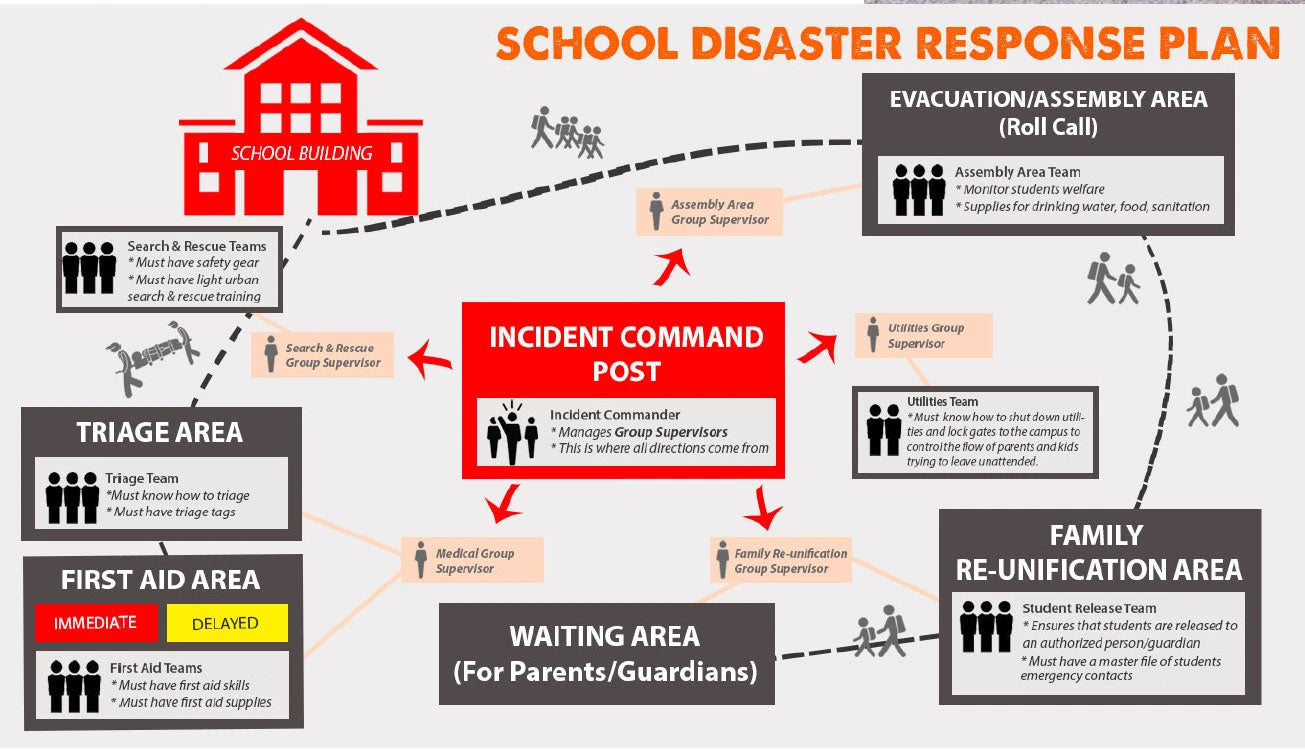
- Establish and maintain well-equipped emergency response teams within the school.
- Secure and reinforce school infrastructure to withstand seismic activities.
For Local Government Units
- Provide financial and technical support for disaster preparedness initiatives in schools.
- Facilitate training programs and workshops for educators and school staff.
- Promote collaboration between schools, NGOs, and disaster management agencies to enhance resource sharing.
- Ensure that disaster preparedness is integrated into local education policies and frameworks.
For Stakeholders and Policymakers
- Encourage inter-agency collaboration to develop comprehensive disaster management plans for educational institutions.
- Allocate sufficient funding for the implementation and sustainability of disaster preparedness programs.
- Promote community involvement in school-based disaster preparedness initiatives to foster a collective resilience mindset.
- Support research and data collection efforts to continuously assess and improve disaster preparedness strategies.
Implementation Framework
Comprehensive Emergency Operations Plan (EOP)
A well-defined EOP outlines the roles and responsibilities of school personnel, communication protocols, evacuation routes, and resource allocation during an earthquake. Developing and regularly updating the EOP is fundamental to ensuring coordinated and effective disaster response.
Capacity Building and Training Programs
Continuous training programs for teachers, administrators, and students are essential to maintaining high levels of preparedness. These programs should cover earthquake safety protocols, first aid, emergency communication, and psychological support techniques to address the diverse needs during and after a seismic event.
Resource Allocation and Infrastructure Enhancement
Allocating resources for the procurement of emergency equipment, reinforcement of school buildings, and establishment of emergency response centers is crucial. Infrastructure enhancements should focus on minimizing structural vulnerabilities and ensuring that schools can provide a safe environment during earthquakes.
Monitoring and Evaluation
Implementing a robust monitoring and evaluation mechanism allows schools to assess the effectiveness of their preparedness measures. Regular evaluations help identify strengths, uncover weaknesses, and inform the continuous improvement of disaster management strategies.
Expected Outcomes
By fostering a strong correlation between disaster awareness and preparedness, schools in Don Marcelino are expected to achieve the following outcomes:
-
Enhanced resilience of students and staff during earthquakes, reducing injuries and casualties.
-
Improved infrastructure capable of withstanding seismic forces, minimizing property damage.
-
A culture of preparedness that extends beyond the school environment, strengthening community resilience.
-
Efficient and coordinated disaster response efforts, ensuring swift recovery and continuity of educational activities.
Conclusion
Establishing a robust correlation between disaster awareness and preparedness is paramount for schools in Don Marcelino, Davao Occidental, to effectively respond to earthquakes. Through the integration of comprehensive disaster education, regular drills, infrastructural enhancements, and collaborative efforts with local authorities and organizations, schools can significantly enhance their resilience and ensure the safety of their communities. The experiences from recent seismic events underscore the critical importance of proactive preparedness measures and the need for sustained investment in disaster management initiatives within educational settings. By bridging the gap between knowledge and action, Don Marcelino schools can serve as beacons of resilience, safeguarding futures and fostering a secure learning environment.
References
| Preparedness Measure | Description | Implementation Status |
|---|---|---|
| Disaster Education Curriculum | Integration of earthquake preparedness topics into the school syllabus. | Partially Implemented |
| Regular Earthquake Drills | Conducting evacuation and response drills on a scheduled basis. | In Progress |
| Emergency Response Teams | Formation of dedicated teams responsible for managing disaster response. | Established |
| Infrastructure Reinforcement | Strengthening school buildings to withstand seismic activities. | Ongoing |
| Emergency Kits | Provision of kits containing essential supplies for use during disasters. | Partially Implemented |
Last updated February 11, 2025