
Preparing Your Student for a Dish Gardening Contest
Comprehensive Guide to Excelling in Dish Gardening Competitions
Key Takeaways
- Plant Selection: Choose plants with compatible light, water, and soil requirements to ensure a harmonious and thriving dish garden.
- Design Principles: Utilize design concepts like "thriller, filler, spiller" and incorporate decorative elements to enhance visual appeal.
- Maintenance Strategies: Implement proper drainage, regular watering, pruning, and pest control to maintain plant health and longevity.
Introduction to Dish Gardening
Understanding the Fundamentals
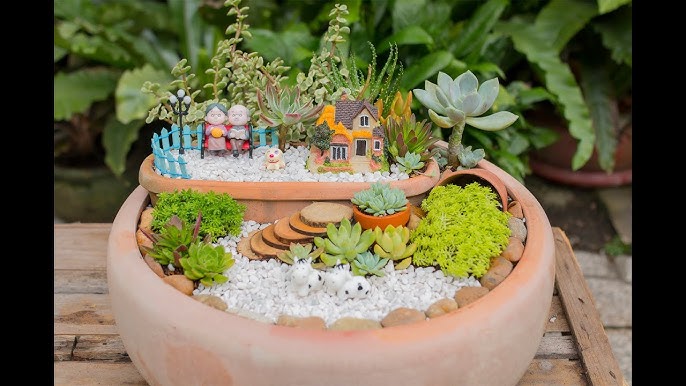
Dish gardening is an art form that involves creating miniature landscapes within shallow containers. This form of gardening emphasizes aesthetic appeal, plant compatibility, and thoughtful design. Preparing for a dish gardening contest requires a combination of creativity, practical knowledge, and meticulous planning to ensure that the garden not only looks stunning but also thrives throughout the competition period and beyond.
Sample Questions and Model Answers
Anticipating Judges' Inquiries
1. What inspired your dish garden design?
Possible Answer: "I was inspired by the natural harmony found in miniature ecosystems. My design focuses on creating a balanced and visually appealing scene that reflects the beauty of nature in a confined space."
2. How did you choose the plants for your dish garden?
Possible Answer: "I selected plants based on their similar light and water requirements, ensuring they can thrive together. Additionally, I considered their textures and colors to create a cohesive and attractive arrangement."
3. What soil mix did you use for your dish garden, and why?
Possible Answer: "I used a well-draining soil mix composed of potting soil, perlite, and a small amount of compost. This combination provides the necessary nutrients while preventing water retention issues that could harm the plants."
4. Can you explain the "thriller, filler, spiller" design concept and how you applied it?
Possible Answer: "The 'thriller, filler, spiller' concept involves using a tall centerpiece plant ('thriller'), medium-sized plants to fill the space ('filler'), and trailing plants that cascade over the edges ('spiller'). I applied this by placing a succulent as the thriller, small ferns as fillers, and ivy as spillers to create depth and movement in the garden."
5. How did you ensure proper drainage in your dish garden?
Possible Answer: "I added a layer of gravel at the bottom of the container to facilitate drainage. Additionally, I used a potting mix that allows excess water to flow through easily, preventing root rot and other moisture-related issues."
6. What decorative elements did you incorporate to enhance the visual appeal of your dish garden?
Possible Answer: "I included miniature figurines, decorative stones, and a small driftwood piece to add storytelling elements and texture. These decorations complement the plant arrangement and create an engaging miniature landscape."
7. How do you plan to maintain your dish garden after the contest?
Possible Answer: "I plan to place the garden in a spot with adequate light, water it regularly according to each plant's needs, and perform pruning to maintain its shape. Additionally, I'll monitor for pests and diseases to ensure the plants remain healthy."
8. What challenges did you face while creating this dish garden, and how did you overcome them?
Possible Answer: "Balancing aesthetics with plant health was challenging. I overcame this by researching each plant's requirements and experimenting with different arrangements until I achieved a harmonious and sustainable design."
Designing a Successful Dish Garden
Key Elements and Strategies
Plant Selection
Choosing the right plants is crucial for the success of a dish garden. Consider the following factors:
- Light Requirements: Ensure all selected plants receive similar light conditions, whether it's full sun, partial shade, or low light.
- Water Needs: Group plants with compatible watering needs to simplify maintenance and prevent over or under-watering.
- Growth Habits: Select slow-growing or small-sized plants to prevent overcrowding and maintain the garden's aesthetic over time.
- Texture and Color: Combine plants with varying textures and complementary colors to create visual interest and depth.
Soil Mix and Drainage
A well-prepared soil mix is essential for healthy plant growth. Follow these guidelines:
- Drainage: Incorporate materials like perlite or sand to enhance drainage and prevent waterlogging.
- Nutrients: Use a high-quality potting mix enriched with compost or other organic matter to provide essential nutrients.
- Soil Depth: Ensure the container has enough depth (1-2 inches) to accommodate root growth while maintaining stability.
Container Selection
The choice of container can significantly impact the garden's appearance and functionality:
- Size: Select a shallow, wide container to provide adequate space for root development and plant arrangement.
- Material: Choose durable materials that complement the garden's aesthetic, such as terracotta, ceramic, or modern composites.
- Drainage Holes: Ensure the container has sufficient drainage holes to facilitate water flow and prevent root rot.
- Design: Opt for an aesthetically pleasing design that aligns with the theme of the contest and enhances the overall look of the garden.
Incorporating Decorative Elements
Enhance the visual appeal of the dish garden with thoughtful decorations:
- Miniature Figurines: Add small figurines to create a storytelling aspect and personalize the garden.
- Stones and Gravel: Use decorative stones or gravel to outline pathways and add texture.
- Natural Materials: Incorporate elements like driftwood or moss to mimic natural landscapes.
- Color Accents: Use colored sand or glass to introduce vibrant accents without overwhelming the plants.
Design Concepts
Apply established design principles to create a cohesive and attractive dish garden:
- Thriller, Filler, Spiller: Utilize a combination of tall, medium, and trailing plants to add depth and dimension.
- Symmetry and Balance: Arrange plants and decorations symmetrically to create a balanced look.
- Color Coordination: Select a color palette that complements the plants and container to enhance overall harmony.
- Texture Variation: Mix different plant textures to add visual interest and prevent monotony.
Maintenance Tips for Contest Success
Ensuring Longevity and Health
Watering Practices
Proper watering is vital to keep the dish garden thriving:
- Consistent Schedule: Water the plants regularly, ensuring the soil remains moist but not waterlogged.
- Avoid Overwatering: Excess water can lead to root rot and plant diseases. Ensure proper drainage to prevent this.
- Morning Routine: Water in the morning to allow excess moisture to evaporate during the day, reducing the risk of fungal growth.
Pruning and Trimming
Maintain the garden's shape and prevent overcrowding by:
- Regular Pruning: Trim dead or overgrown parts to encourage healthy growth and maintain aesthetic appeal.
- Shape Maintenance: Keep the plants in the desired shape to enhance the overall design.
- Debris Removal: Clear away fallen leaves and other debris to prevent mold and pests.
Pest and Disease Control
Protect the plants from pests and diseases by:
- Regular Inspection: Check the plants frequently for signs of pests or diseases.
- Natural Remedies: Use organic pesticides or natural remedies to address pest issues without harming the plants.
- Isolation: Quarantine affected plants to prevent the spread of diseases to healthy ones.
Seasonal Adjustments
Adapt maintenance routines based on seasonal changes:
-
Light Exposure: Adjust the garden's placement to ensure adequate light during different seasons.
-
Temperature Control: Protect the garden from extreme temperatures by moving it indoors or providing shade as needed.
-
Soil Refreshment: Periodically refresh the soil to replenish nutrients and maintain soil structure.
Sample Maintenance Schedule
| Task | Frequency | Description |
|---|---|---|
| Watering | Daily | Check soil moisture and water plants as needed to keep the soil consistently moist. |
| Pruning | Weekly | Trim dead or overgrown parts to maintain plant shape and health. |
| Pest Inspection | Bi-weekly | Inspect plants for signs of pests or diseases and take action promptly. |
| Soil Refreshment | Monthly | Add fresh potting mix or compost to replenish nutrients and improve soil structure. |
| Decorative Maintenance | Monthly | Clean and reposition decorative elements to maintain the garden's aesthetic appeal. |
Conclusion
Preparing your student for a dish gardening contest involves a blend of creative design, careful plant selection, and diligent maintenance. By understanding the fundamentals of dish gardening, anticipating judges' questions, and implementing effective design and care strategies, your student can create a stunning and resilient miniature garden that stands out in the competition. Encourage her to experiment with different plant arrangements, incorporate unique decorative elements, and stay committed to regular maintenance to ensure her dish garden remains vibrant and healthy throughout the contest period and beyond.
References
Last updated February 13, 2025