
Understanding Disturbe Sites
A Comprehensive Exploration of Various Disturbance Contexts
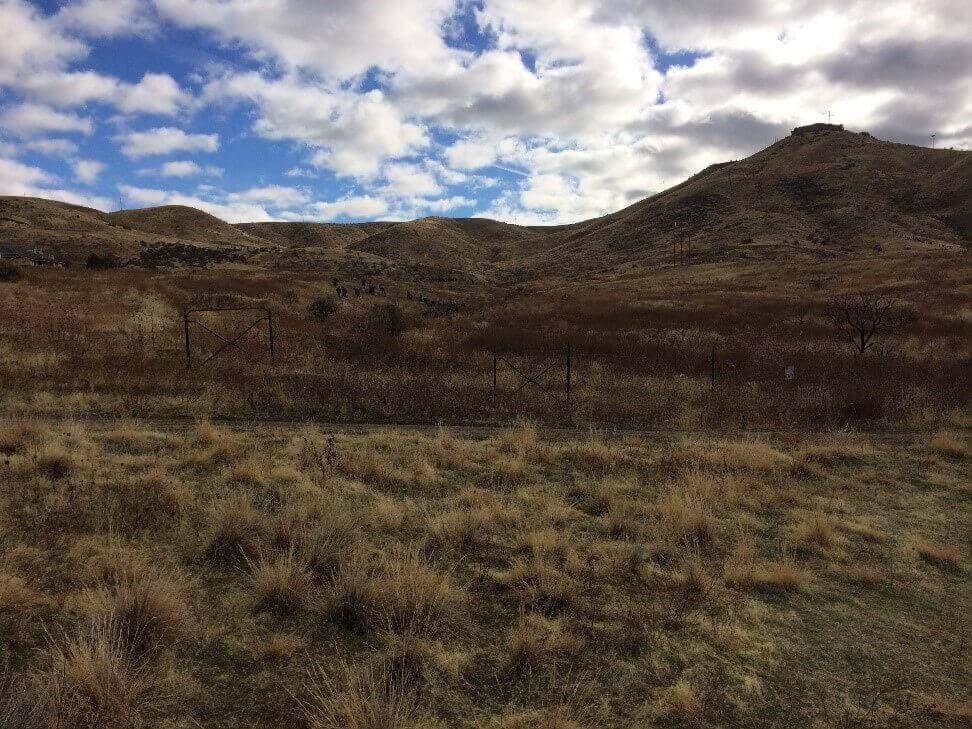
Key Highlights
- Ecological Disturbance: Natural and human-induced events that alter ecosystems.
- Construction and Archaeology: Areas where ground disruption affects development and artifact context.
- Cultural and Media Presence: References to 'Disturbed' in music and online cultural spaces.
Introduction
The term "disturbe site" can refer to a variety of contexts depending on the subject matter. It may denote a location where the natural environment has undergone significant changes or disruptions, which can be an outcome of ecological disturbances, construction activities, or archaeological impacts. Additionally, the similarity to the term "Disturbed" brings a cultural dimension, especially relating to the popular metal band known by that name, and other online platforms that use similar naming conventions. This guide outlines the primary interpretations and associated considerations when referring to a disturbe site.
Ecological and Environmental Disturbances
Definition and Causes
In an environmental context, a disturbed site is an area where natural conditions have been significantly altered. Such disturbances may be triggered by natural events like wildfires, floods, hurricanes, or volcanic eruptions, as well as by anthropogenic activities such as deforestation, urban expansion, and construction. These disturbances often result in changes to the biodiversity, soil composition, and overall ecosystem dynamics.
Impacts on Ecosystems
Disturbances, whether natural or human-induced, dramatically influence ecosystems. For example, a wildfire may temporarily reduce the number of species in an area but also pave the way for new species to colonize the space. Likewise, construction activities disturb the ground and vegetation, leading to the potential for soil erosion and loss of native species. These factors make management and restoration critical aspects of maintaining ecological balance. Restoration efforts might include replanting native vegetation, controlling invasive species, and monitoring hydrological patterns.
Construction, Land Development, and Archaeology
Construction and Land Development
In the domain of construction, a disturbed site refers to an area where activities such as earthmoving, vegetation removal, and soil excavation have occurred. These disruptions are often part of regulated construction and land development practices. Measures are typically taken before, during, and after construction to mitigate environmental impact, such as soil stabilization techniques and revegetation practices designed to restore the site for future use.
Archaeological Significance
From an archaeological perspective, a disturbed site is one where human or natural activities have altered the original context of artifacts and features. Such disturbances can complicate the process of interpreting historical information, as layers of occupation or evidence may be intermixed. Archaeologists often need to employ specific excavation techniques and stratigraphic analyses to understand the extent and impact of the disturbance and to preserve what remain of the in-situ context.
Cultural and Digital References
The Band "Disturbed" and Related Websites
The term "disturbe site" can also lead to associations with the heavy metal band Disturbed, as well as several digital platforms that utilize similar naming derivatives. The official website of the band provides updates on music releases, touring information, and exclusive content for fans. Additional websites cater to merchandise, tour schedules, and concert ticket sales. These sites maintain a significant digital presence and serve as cultural hubs for fans of the band and related genres.
Other Online Platforms
Beyond the domain of music, the nomenclature "disturb" or similar variants appears in online platforms catering to various interests. For instance, there are e-commerce sites and cultural blogs that reference 'disturb' in their branding. These platforms symbolize a blend of gritty urban aesthetics and a connection to contemporary lifestyles, particularly those linked to youth culture and alternative expression.
Comparative Analysis Table
| Aspect | Description | Examples/References |
|---|---|---|
| Ecological Disturbance | Natural or human-induced events affecting ecosystems, altering soil, vegetation, and animal populations. | Britannica - Ecological Disturbance |
| Construction Disturbance | Sites where construction activities have disturbed natural land surfaces, requiring mitigation and restoration practices. | Stormwater - Erosion Control |
| Archaeological Disturbance | Areas where previous human activity or natural processes have disrupted historical layers, complicating artifact preservation. | Wikipedia - Archaeological Disturbance |
| Cultural Sites and Digital Media | Websites and digital platforms related to the band Disturbed or using similar nomenclature in branding. | Official Disturbed Website, Disturbed Live |
Additional Considerations
Restoration and Management
In managing disturbed sites, especially those affected by ecological or construction disturbances, professionals engage in detailed restoration efforts. This involves soil stabilization, replanting native species, and monitoring ecosystem recovery. The success of these efforts depends on the initial degree of disturbance, the intervention strategies employed, and ongoing management practices to ensure long-term sustainability.
Legal and Regulatory Aspects
Various legal frameworks govern how disturbed sites are managed. In construction and land development, local regulations and environmental impact assessments dictate how the disturbance should be mitigated. In the context of wildlife habitats, particularly those involving species such as the gopher tortoise, disturbed sites may require specialized permits and adherence to mitigation protocols. These legal safeguards are designed to balance development with environmental conservation.
Research Implications
Research on disturbed sites often provides critical insights into the resilience of ecosystems. Studies focused on recovery dynamics help scientists understand patterns of succession, the role of invasive species, and the efficacy of restoration methods. This research is vital not just for immediate restoration efforts, but also for informing future environmental policies and land-use planning.
References
- Ecological Disturbance - Britannica
- Gopher Tortoise Permits - FWC
- Revegetation Practices - Stormwater
- Archaeological Disturbance - Wikipedia
- Disturbed Official Website
Recommended Further Queries
Last updated March 16, 2025